FEEL IT.STREAM
Jeffrey Lynn

Jeffrey Lynn

Acting

Biography

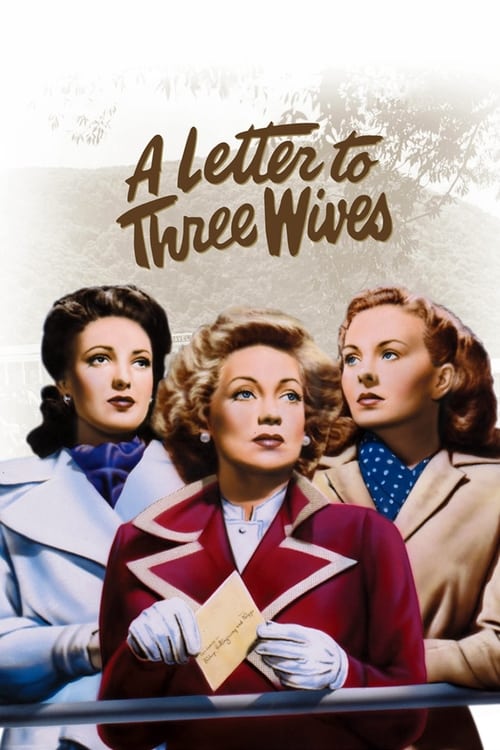
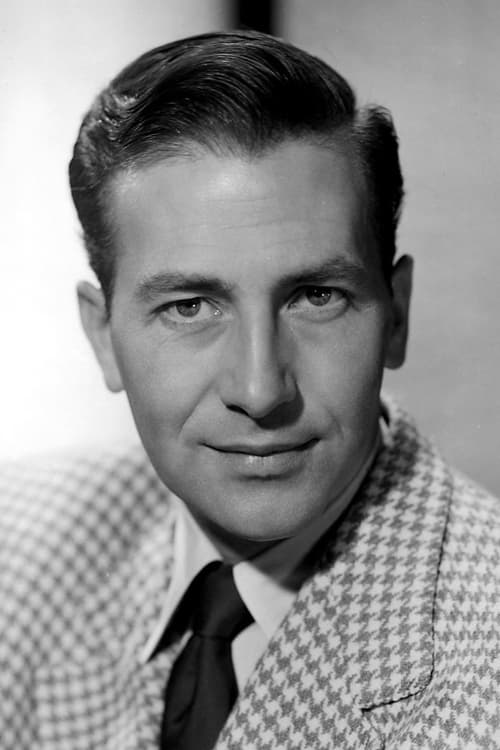
From Wikipedia, the free encyclopedia Jeffrey Lynn (born Ragnar Godfrey Lind; February 16, 1909 – November 24, 1995) was an American stage-screen actor and film producer who worked primarily through the Golden Age of Hollywood establishing himself as one of the premier talents of his time. Throughout his acting career, both on stage and in film, he was typecast as "the attractive, reliable love interest of the heroine," or "the tall, stalwart hero." Born and raised in Massachusetts, he attended Bates College, before working as a teacher. He was tapped to act in his first film in 1938, which convinced him to move to Hollywood, California. His second film–Four Daughters (1938)–propelled him into national fame sparking three sequels: Daughters Courageous (1939), Four Wives (1939) and Four Mothers (1941) with Lynn reprising his role in each of them. He was at the center of the Gone with the Wind (1939) screening controversy; he was noted as the top contender to play Ashley Wilkes, however, the directer eventually chose Leslie Howard instead. Lynn was asked to join James Cagney and Humphrey Bogart in The Roaring Twenties (1939), a gangster noir that garnered him critical praise. His success continued with such films as The Fighting 69th (1940) in which he portrayed poet-soldier Joyce Kilmer opposite Cagney, It All Came True (1940), All This and Heaven Too (1940) and Million Dollar Baby (1941). His movie career was put on hold for World War II draft, where he received a Bronze Star for his service as a in Italy and Austria as a combat intelligence captain. He returned to the screen in 1948 and was in the notably successful, A Letter to Three Wives (1949), which went on to be nominated of best picture in the 1950 prime time Academy Awards. A year later he joined that cast of Home Town Story (1951) billed alongside Marilyn Monroe. His later film career credits include: BUtterfield 8 (1960) along with Elizabeth Taylor and Laurence Harvey, and Tony Rome (1967) with Frank Sinatra. Lynn also began to act on Broadway and was featured in such plays as Any Wednesday (1966) and Dinner at Eight (1967). Later on in his career he found mixed critical success television starring in hit shows such as Robert Montgomery Presents, Your Show of Shows, My Son Jeep (with young Martin Huston), and Lux Video Theatre. He died in November 1995 in Burbank, California from natural causes and was buried at Forest Lawn Memorial Park in the Hollywood Hills. Actor Jeffrey Lynn "Jeff" Goldblum is named in honor of Jeffrey Lynn.
Known For

Murder, She Wrote
7.5

An unassuming mystery writer turned sleuth uses her professional insight to help solve real-life homicide cases.

Murder, She Wrote

1984
Ironside
6.9

When an assassin's bullet confines him to a wheelchair for life ending his career as Chief of Detectives, Robert T. Ironside becomes a consultant to the police department. Detective Sergeant Ed Brown and policewoman Eve Whitfield join with him to crack varied and fascinating cases. Ex-con Mark Sanger is employed by the chief as home help but eventually becomes a fully fledged member of the team also. Officer Whitfield leaves after 4 years service, and is replaced by Officer Fran Belding.

Ironside

1967
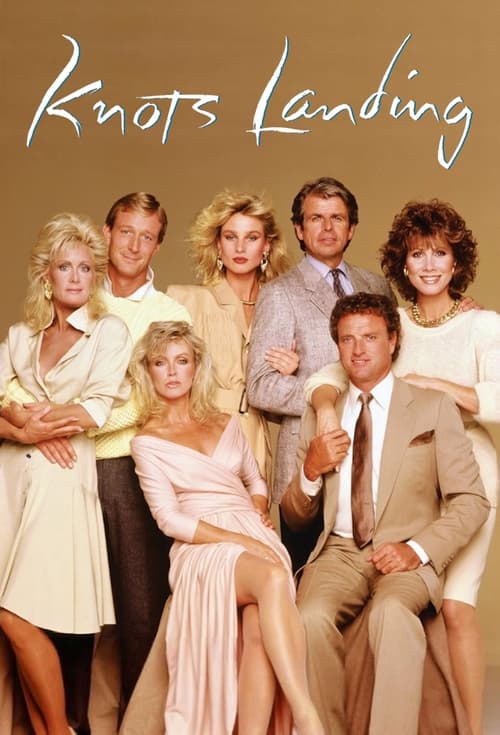
Knots Landing
6.9

The domestic adventures, misdeeds and everyday interactions of five families living on a cul-de-sac in a small California community.

Knots Landing

1979
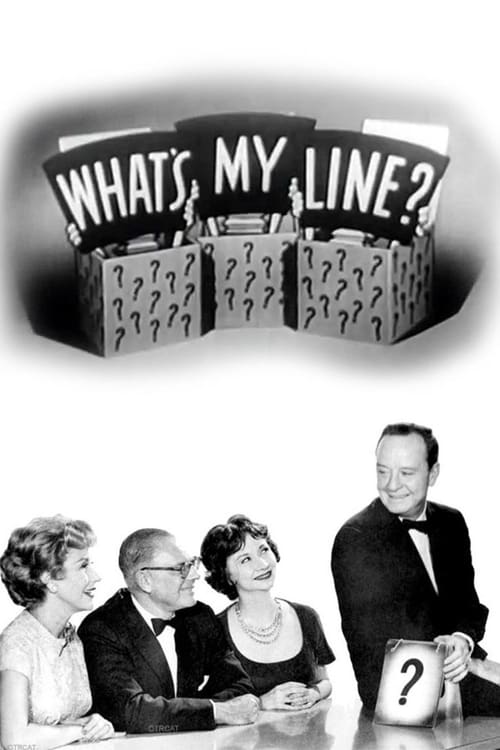
What's My Line?
7.0

Four panelists must determine guests' occupations - and, in the case of famous guests, while blindfolded, their identity - by asking only "yes" or "no" questions.

What's My Line?

1950
The Philco Television Playhouse
6.6

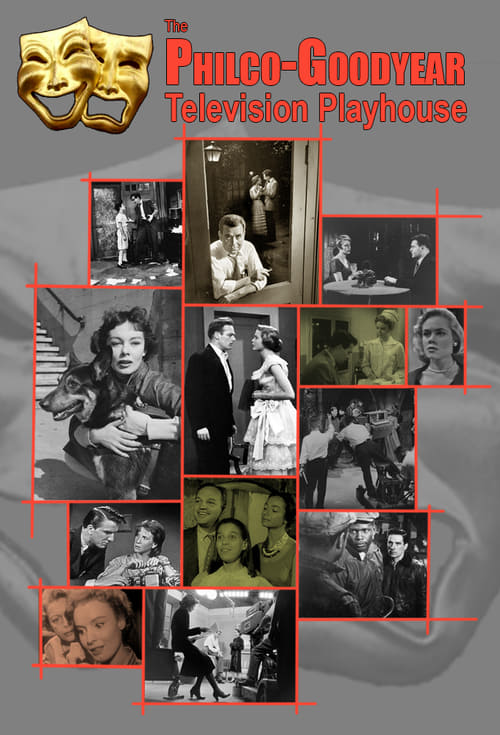
The Philco Television Playhouse is an American anthology series that was broadcast live on NBC from 1948 to 1955. Produced by Fred Coe, the series was sponsored by Philco. It was one of the most respected dramatic shows of the Golden Age of Television, winning a 1954 Peabody Award and receiving eight Emmy nominations between 1951 and 1956.

The Philco Television Playhouse

1948
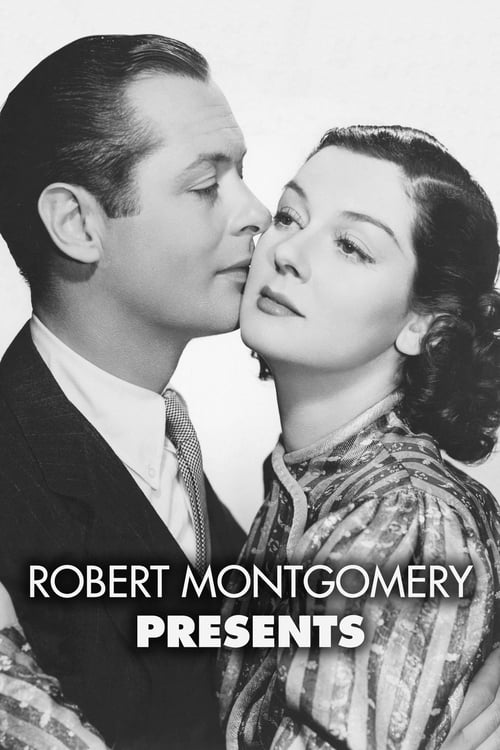
Robert Montgomery Presents
6.0

Robert Montgomery Presents is an American dramatic television series which was produced by NBC from January 30, 1950 until June 24, 1957. The live show had several sponsors during its seven-year run, and the title was altered to feature the sponsor, usually Lucky Strike cigarettes, for example, Robert Montgomery Presents Your Lucky Strike Theater, ....The Johnson's Wax Program, and so on.

Robert Montgomery Presents

1950
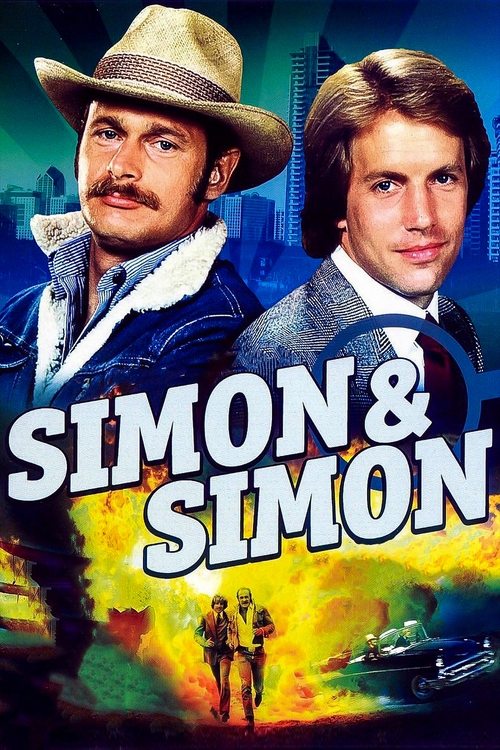
Simon & Simon
6.7

A.J. Simon is a polished fellow with a taste for classic cars and tailored suits. Rick Simon is his less refined (but still pleasant) older brother who has a taste for cowboy boots and four-wheel drive pickups. The two of them live in San Diego, where they own a private detective agency.

Simon & Simon

1981
Studio One
5.4

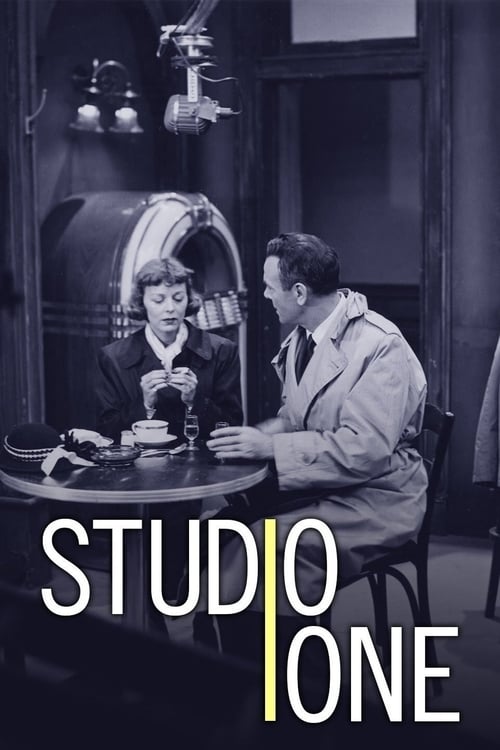
An American radio–television anthology series, created in 1947 by Canadian director Fletcher Markle, who came to CBS from the CBC. Studio One, presented by Westinghouse, was one of the first of the anthology TV programs. The episodes were often abridged remakes of movies from years gone by and many future well-known television and movie actors appeared in the productions.

Studio One

1948
Lights Out
6.0

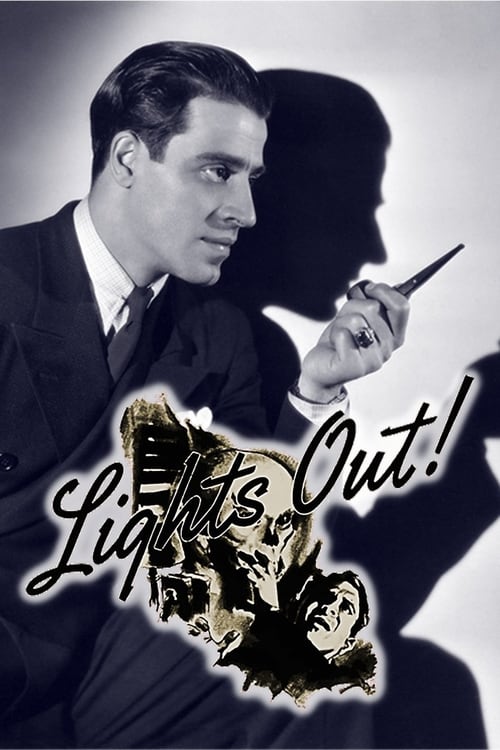
Lights Out was an extremely popular American old-time radio program, an early example of a network series devoted mostly to horror and the supernatural, predating Suspense and Inner Sanctum. Versions of Lights Out aired on different networks, at various times, from January 1934 to the summer of 1947 and the series eventually made the transition to television. In 1946, NBC Television brought Lights Out to TV in a series of four specials, broadcast live and produced by Fred Coe, who also contributed three of the scripts. NBC asked Cooper to write the script for the premiere, "First Person Singular", which is told entirely from the point of view of an unseen murderer who kills his obnoxious wife and winds up being executed. Variety gave this first episode a rave review ("undoubtedly one of the best dramatic shows yet seen on a television screen"), but Lights Out did not become a regular NBC-TV series until 1949.

Lights Out

1949
Suspense
5.1

An anthology series adapted from the radio program of the same name. Like the radio program, many scripts were adaptations of literary classics by well-known authors. Classic authors such as Edgar Allan Poe, Agatha Christie, and Charles Dickens all had stories adapted for the series, while contemporary authors such as Roald Dahl and Gore Vidal also contributed.

Suspense

1949
Tales of Tomorrow
6.4

Tales of Tomorrow is an American anthology science fiction series that was performed and broadcast live on ABC from 1951 to 1953. The series covered such stories as Frankenstein, starring Lon Chaney, Jr., 20,000 Leagues Under the Sea starring Thomas Mitchell as Captain Nemo, and many others featuring such performers as Boris Karloff, Brian Keith, Lee J. Cobb, Rod Steiger, Bruce Cabot, Franchot Tone, Gene Lockhart, Walter Abel, Leslie Nielsen, and Paul Newman. The series had many similarities to the later Twilight Zone which also covered one of the same stories, "What You Need". In total it ran for eighty-five 30-minute episodes.

Tales of Tomorrow

1951
No image
6.7

Lux Video Theatre is an American anthology series that was produced from 1950 until 1959. The series presented both comedy and drama in original teleplays, as well as abridged adaptations of films and plays.

Lux Video Theatre

1950
Your Show of Shows
7.3

Your Show of Shows was a live 90-minute variety show that was broadcast weekly in the United States on NBC, from February 25, 1950, until June 5, 1954, featuring Sid Caesar and Imogene Coca. Other featured performers were Carl Reiner, Howard Morris, Bill Hayes, Judy Johnson, The Hamilton Trio and the soprano Marguerite Piazza. José Ferrer made several guest appearances on the series. The series was telecast from the now-demolished International Theatre at 5 Columbus Circle and the Century Theater, now demolished, in New York. During 2002, Your Show of Shows was ranked #30 on TV Guide's 50 Greatest TV Shows of All Time.

Your Show of Shows

1950
Midnight Caller
7.6

An ex-cop hosts a late-night talk radio program while getting involved with his listeners' problems in his off-time.

Midnight Caller

1988
Schlitz Playhouse of Stars
7.2

Schlitz Playhouse of Stars is an anthology series that was telecast from 1951 until 1959 on CBS. Offering both comedies and drama, the series was sponsored by the Joseph Schlitz Brewing Company. The title was shortened to Schlitz Playhouse, beginning with the fall 1957 season.

Schlitz Playhouse of Stars

1951
Star Stage
N/A

The show featured two-act plays. Two-thirds were live, and the rest on film.

Star Stage

1955
The Roaring Twenties
7.5

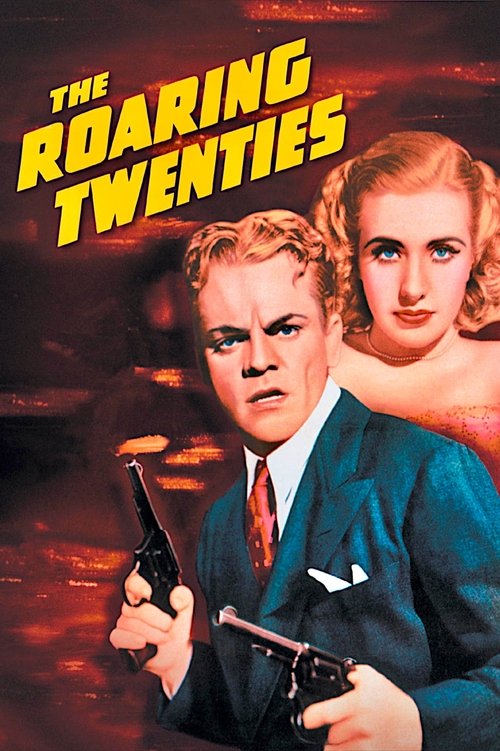
After World War I, Armistice Lloyd Hart goes back to practice law, former saloon keeper George Hally turns to bootlegging, and out-of-work Eddie Bartlett becomes a cab driver. Eddie builds a fleet of cabs through delivery of bootleg liquor and hires Lloyd as his lawyer. George becomes Eddie's partner and the rackets flourish until love and rivalry interfere.

The Roaring Twenties

1939
All This, and Heaven Too
7.2

When lovely and virtuous governess Henriette Deluzy comes to educate the children of the debonair Duc de Praslin, a royal subject to King Louis-Philippe and the husband of the volatile and obsessive Duchesse de Praslin, she instantly incurs the wrath of her mistress, who is insanely jealous of anyone who comes near her estranged husband. Though she saves the duchess's little son from a near-death illness and warms herself to all the children, she is nevertheless dismissed by the vengeful duchess. Meanwhile, the attraction between the duke and Henriette continues to grow, eventually leading to tragedy.

All This, and Heaven Too

1940
The Fighting 69th
5.8

Although loudmouthed braggart Jerry Plunkett alienates his comrades and officers, Father Duffy, the regimental chaplain, has faith that he'll prove himself in the end.

The Fighting 69th

1940
The Making of a Legend: Gone with the Wind
8.2

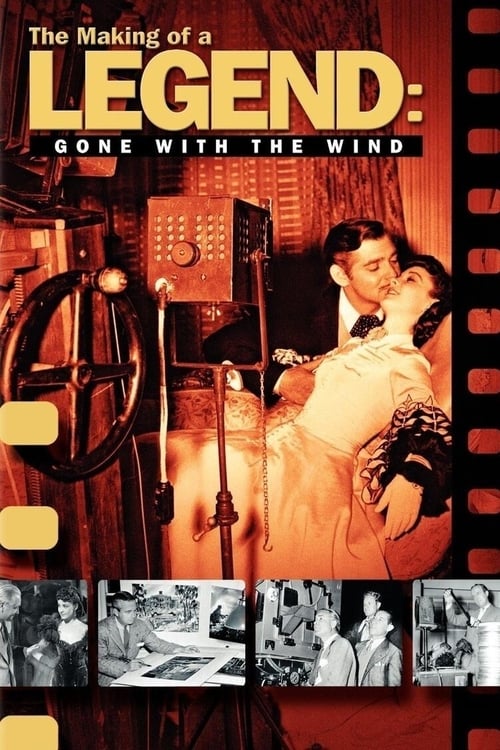
This documentary revisits the making of Gone with the Wind via archival footage, screen tests, insightful interviews and rare film footage.

The Making of a Legend: Gone with the Wind

1988