
José Celso Martinez Corrêa
Acting
Biography
José Celso Martinez Corrêa (Araraquara, March 30, 1937 – São Paulo, July 6, 2023), known as Zé Celso, was a Brazilian director, actor, playwright and director. Working − whether directing, adapting, or actually in collaboration − with names ranging from Augusto Boal, Henriette Morineau, Fernanda Montenegro, Sérgio Britto, Raul Cortez, Bete Coelho and Flávio Império to Chico Buarque, William Shakespeare, Nelson Rodrigues, Max Frisch, Bertolt Brecht and Máximo Gorki, Zé Celso built one of the most original journeys on Brazilian stages.
Known For
No description available.
A(u)tores
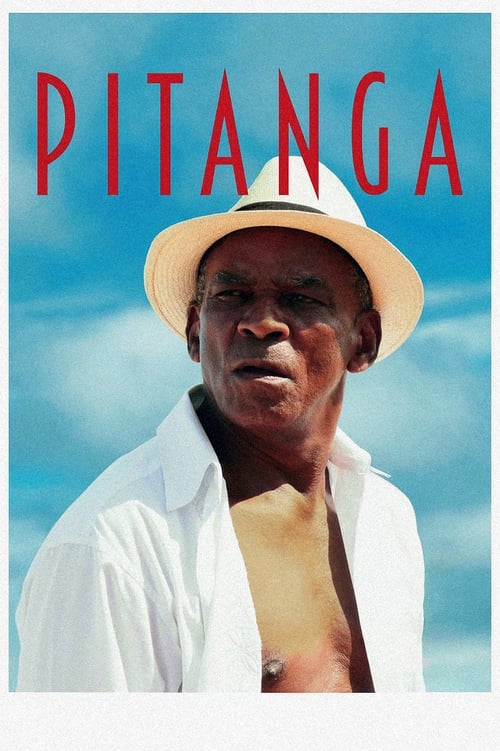
This documentary investigates the aesthetic, political and existential trajectory of emblematic Black Brazilian actor Antônio Pitanga. His career spans over five decades, and he has worked with iconic Brazilian filmmakers Glauber Rocha, Cacá Diegues and Walter Lima Jr. He was a prominent figurehead and outspoken activist during the Brazilian dictatorship, a period of unrest in Brazilian cinema. "Pitanga" deep dives into the world of Antônio and the history of Brazil. The documentary was directed by his daughter Camila Pitanga, one of widely recognised faces in Brazilian television and cinema right now. The film is also a poem, and a tender ode to fatherhood.
Pitanga
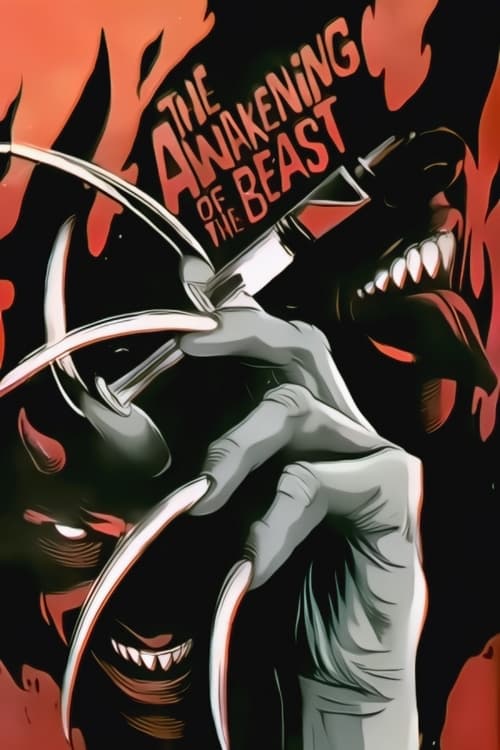
A psychiatrist experiments on four volunteers with LSD to examine '60s drug culture, soon unleashing an expert in depravity.
The Awakening of the Beast
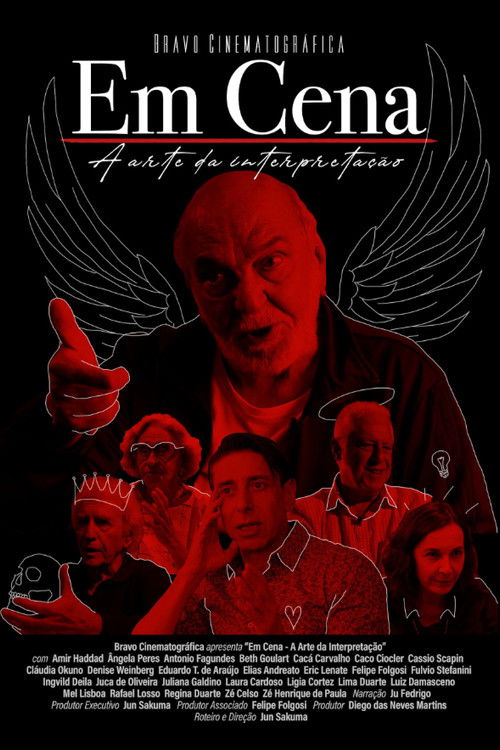
Em Cena – A Arte da Interpretação is a documentary series that deconstructs the actor's craft, revealing the creative process of the biggest names in theater, film, and television through the journey of preparing for a role.
Em Cena – A Arte da Interpretação
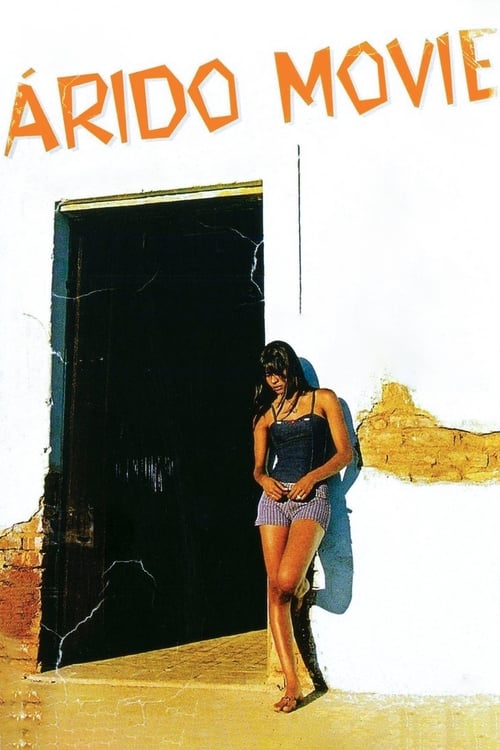
Weatherman from a TV network goes back to his hometown, Vale da Rocha, a place in Northeast Brazil, devastated by the drought. He is forced to face the geographic elements and his own memories.
Dry Movie
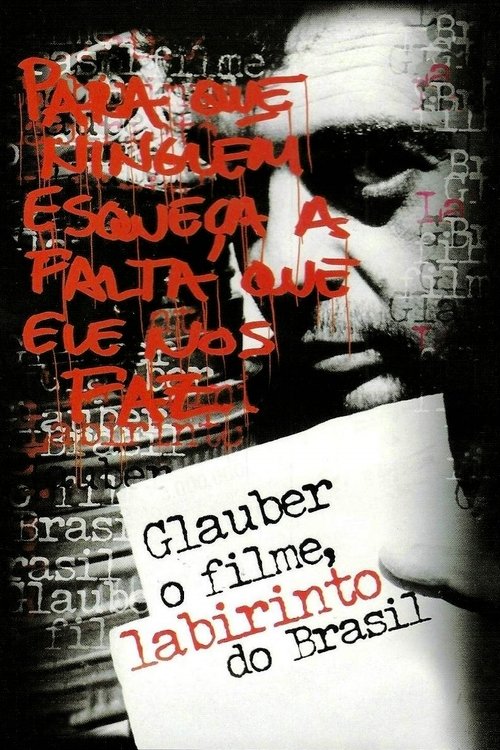
Documentary about Brazilian filmmaker Glauber Rocha, one of the most important names in the Cinema Novo, with interviews with some of his friends and colleagues.
Glauber Rocha - The Movie, Brazil's Labyrinth
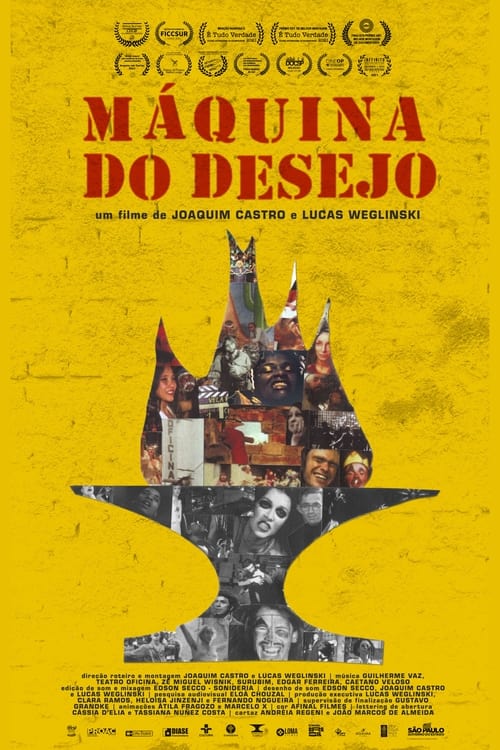
In six decades, Teatro Oficina has done more than revolutionize theatrical language in the country: the aesthetic influence of José Celso Martinez Corrêa's company extends from Tropicalism to the renewal of Brazilian audiovisual languages from the 1960s onwards. The film revisits a story that it involves personalities such as Caetano Veloso, Glauber Rocha, Lina Bo Bardi, Chico Buarque and Zé do Caixão, brings together scenic art, ecology, architecture and sexuality, and mixes art and life in the search for a Brazilian based language.
Desire Machine: 60 Years of Teatro Oficina
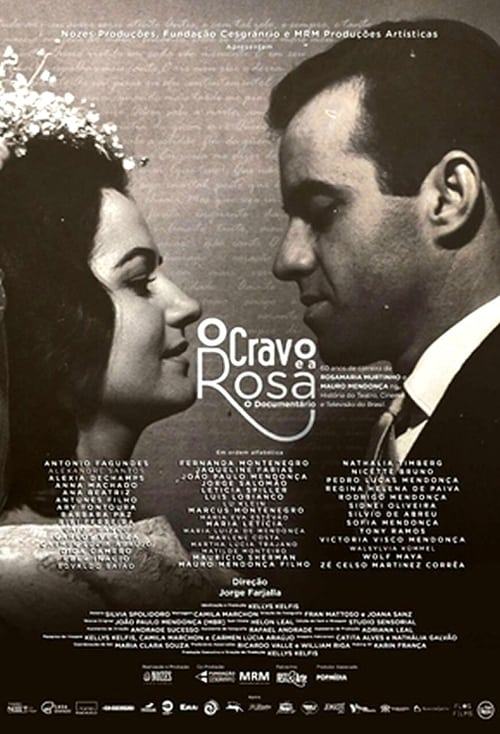
Documentary on Rosamaria Murtinho and Mauro Mendonça’s 60-year long career in Brazilian theater, film and television. The film not only runs through the career of these artists, but also paints a portrait of a generation that rose alongside them and that works with art till this day.
The Clove and The Rose
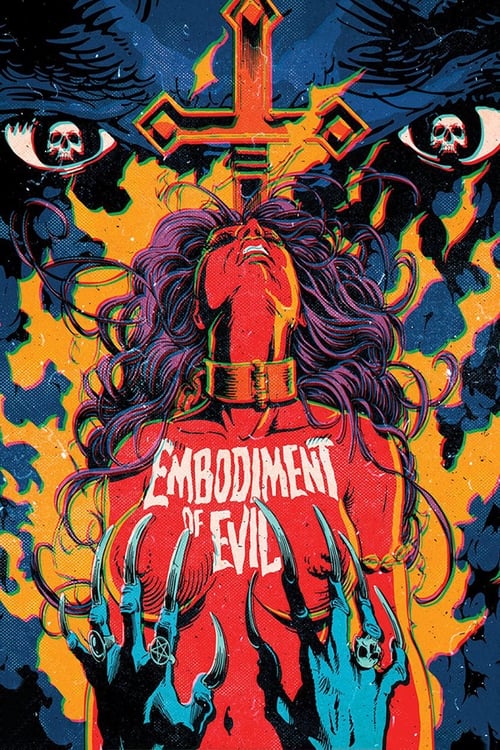
Released from the Mental Health Wing of São Paulo State Penitentiary after forty years, the sadistic undertaker Zé do Caixão is back on the streets, haunted by ghostly visions and spirits of past victims but still set upon the goal that sent him to prison in the first place: finding a woman who can give him the perfect child.
Embodiment of Evil
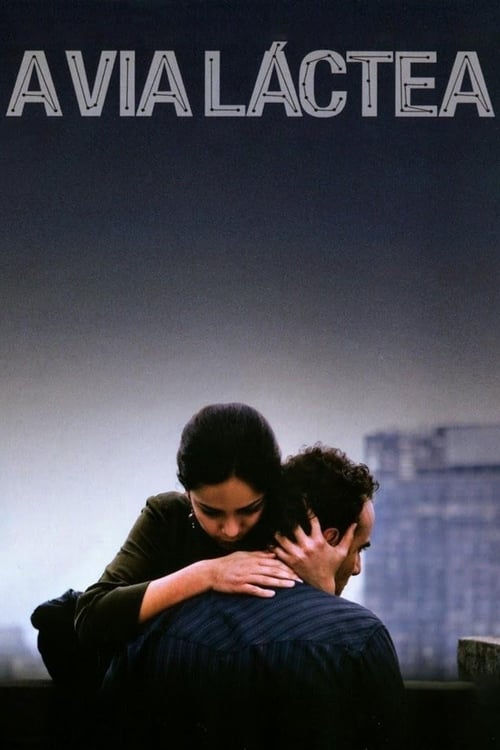
A modern love story set in Sao Paulo about Heitor, a writer and literature professor, and Julia, a theatre student turned veterinarian. A fight over the telephone propels Heitor into a journey through the chaotic city streets to reconcile with Julia. Their personal history unfolds against the backdrop of the city and its people in a series of events representing the struggle between poetry and science.
The Milky Way
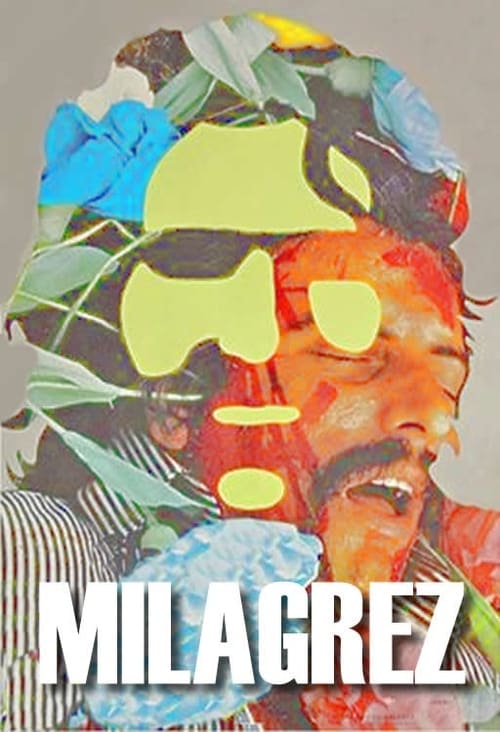
Documentary on "Antonio das Mortes", Glauber Rocha's 1969 film.
Milagrez
No description available.
Saudade
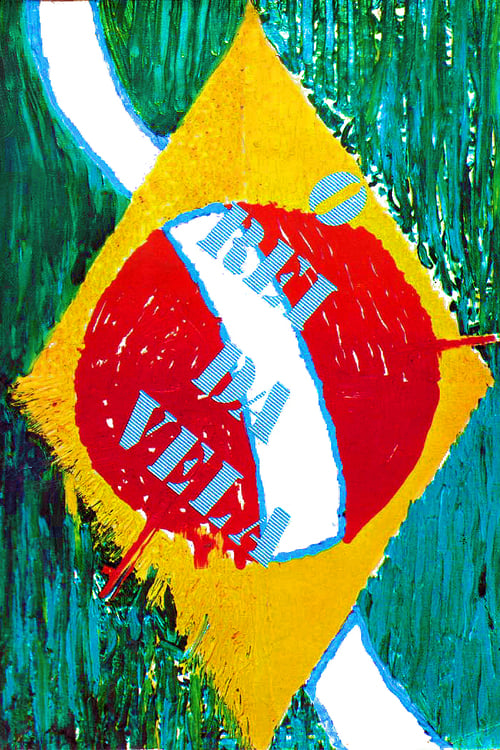
Filming of the historical montage of Oswald de Andrade's play, where decadent millionaires, depraved children, corrupt and implacable capitalists are the characters interpreted by the Grupo Oficina, in a celebrated theatrical performance from 1967, fundamentally recorded in 1971 and released only in the 1980s.
The King of the Candle
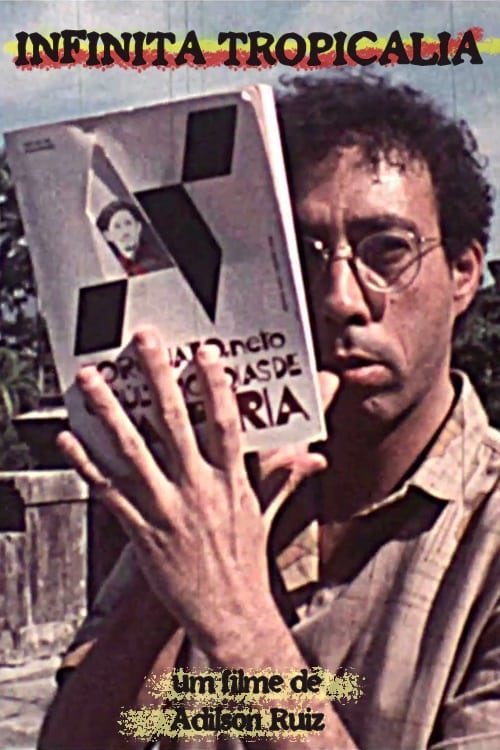
Tropicália was a Brazilian cultural movement that occurred between 1967 and 1968, inspired by Oswald de Andrade's anthropophagic ideals, pop art and the concretism. Twenty years later, this film revisits the movement and shows that Tropicalismo will never die.
Infinita Tropicália
No description available.
Asdrúbal Trouxe o Trombone
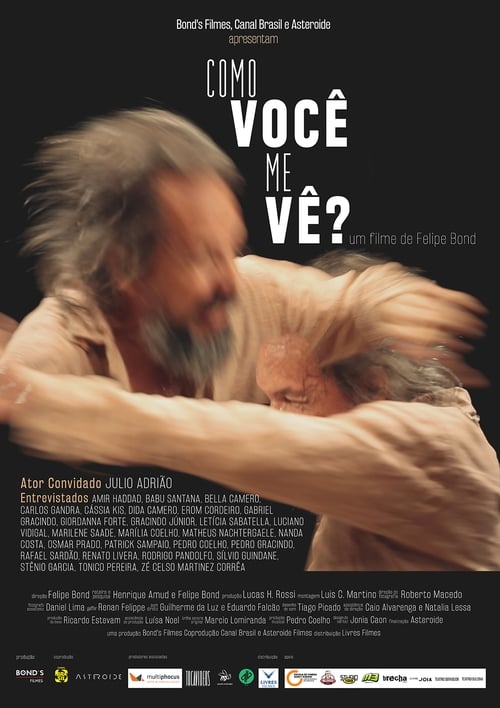
How Do You See Me? is a Brazilian documentary feature that entwines both experienced actors and beginners to explore the hardships and the happiness that are inherent to the job when detached from the glam and glitz of the gossip industry, creating a diverse and comprehensive mosaic of what it means to be an actor in Brazil, a country so full of contradictions. The film brings forward a reality that the masses usually don't get to know: the men and women moved by a deep passion for acting and touching people. With Julio Adrião, Matheus Nachtergaele, José Celso Martinez, Cássia Kis, Nanda Costa, Babu Santana, Luciano Vidigal and Letícia Sabatella, among others.
How Do You See Me?
The life of Brazilian actress Odete Lara, muse of the movement called Cinema Novo in Brazil, who exchanged stardom for a quiet and religious life.
Lara
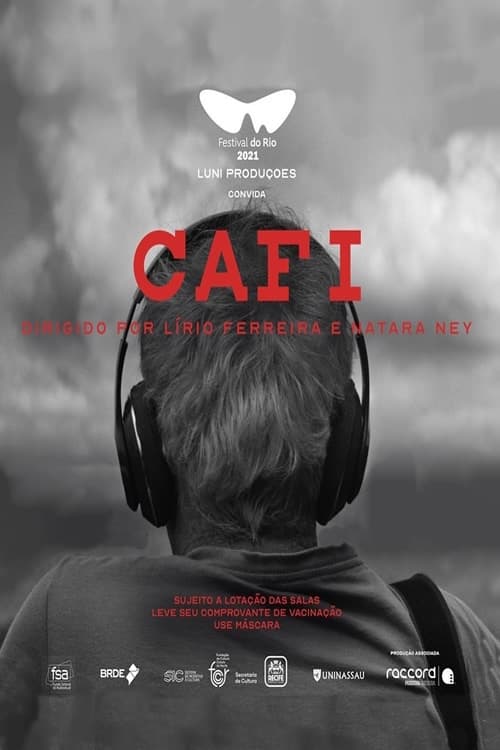
It portrays the work of Carlos Filho, Cafi, a photographer from Recife, who for more than 40 years has dedicated himself to recording a large part of the events of dance, theater and Brazilian popular music. Recordings, concerts, tours and rehearsals by important artists passed through Cafi's lens.
Cafi
Film in four segments: "Colagem", "Balanço", "Bandeira Zero" and "Sexta-Feira da Paixão, Sábado de Aleluia", having in common a strongly allegorical and gross protest tone in the approach of its subjects.
América do Sexo
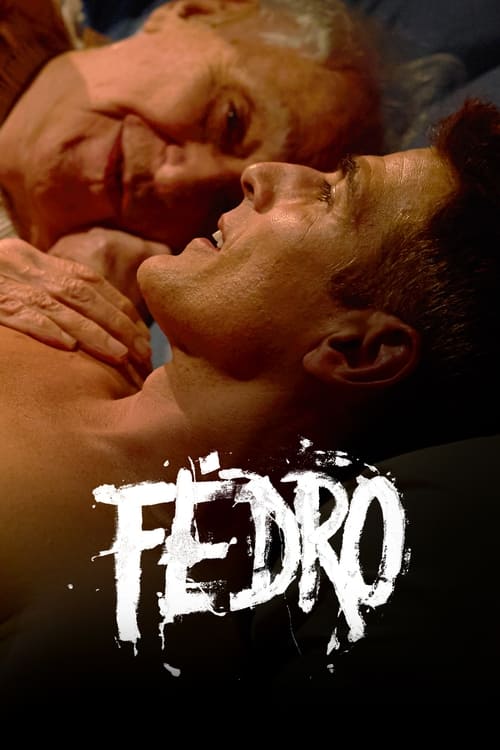
Twenty years after his debut as an actor, Brazil's sweetheart Reynaldo Gianechini meets his mentor, legendary director José Celso Martinez Corrêa for a first reading of Plato's Phaedrus.