FEEL IT.STREAM
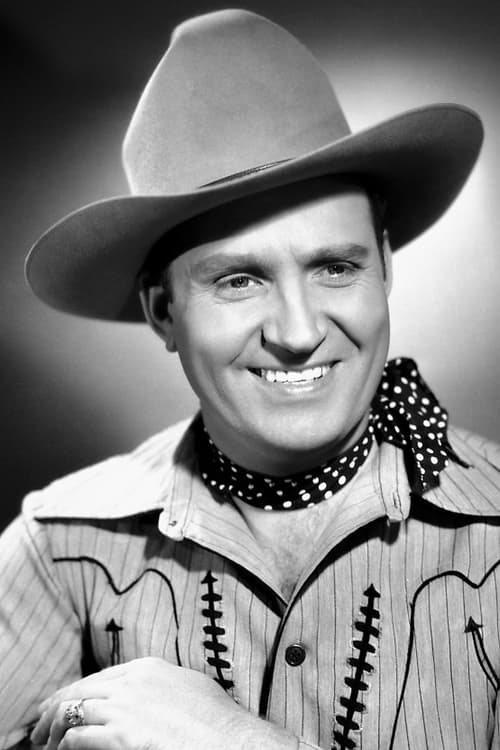
Gene Autry

Gene Autry

Acting

Biography

From Wikipedia, the free encyclopedia Orvon Grover "Gene" Autry (September 29, 1907 – October 2, 1998), nicknamed The Singing Cowboy, was an American singer, songwriter, actor, musician and rodeo performer who gained fame largely by singing in a crooning style on radio, in films, and on television for more than three decades beginning in the early 1930s. From 1934 to 1953, Autry appeared in 93 films, and between 1950 and 1956 hosted The Gene Autry Show television series. During the 1930s and 1940s, he personified the straight-shooting hero - honest, brave, and true. Autry was also one of the most important pioneering figures in the history of country music, considered the second major influential artist of the genre's development after Jimmie Rodgers. His singing cowboy films were the first vehicle to carry country music to a national audience. In addition to his signature song, "Back in the Saddle Again", and his hit "At Mail Call Today", Autry is still remembered for his Christmas holiday songs, most especially his biggest hit "Rudolph, the Red-Nosed Reindeer" as well as "Frosty the Snowman", "Here Comes Santa Claus", and "Up on the House Top". Autry is a member of both the Country Music Hall of Fame and Nashville Songwriters Hall of Fame, and is the only person to be awarded stars in all five categories on the Hollywood Walk of Fame, for film, television, music, radio, and live performance.
Known For

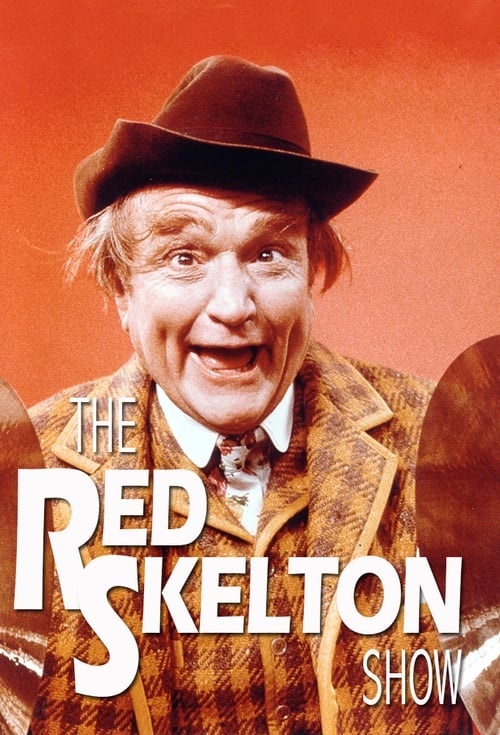
The Red Skelton Show
7.6

The Red Skelton Show is an American variety show that was a television staple for two decades, from 1951 to 1971. It was second to Gunsmoke and third to The Ed Sullivan Show in the ratings during that time. Skelton, who had previously been a radio star, had appeared in several motion pictures as well. Although his television series is largely associated with CBS, where it appeared for more than fifteen years, it actually began and ended on NBC. During its run, the program received three Emmy Awards, for Skelton as best comedian and the program as best comedy show during its initial season, and an award for comedy writing in 1961.

The Red Skelton Show

1951
The Ed Sullivan Show
6.8

The Ed Sullivan Show is an American TV variety show that originally ran on CBS from Sunday June 20, 1948 to Sunday June 6, 1971, and was hosted by New York entertainment columnist Ed Sullivan. It was replaced in September 1971 by the CBS Sunday Night Movie, which ran only one season and was eventually replaced by other shows. In 2002, The Ed Sullivan Show was ranked #15 on TV Guide's 50 Greatest TV Shows of All Time.

The Ed Sullivan Show

1948
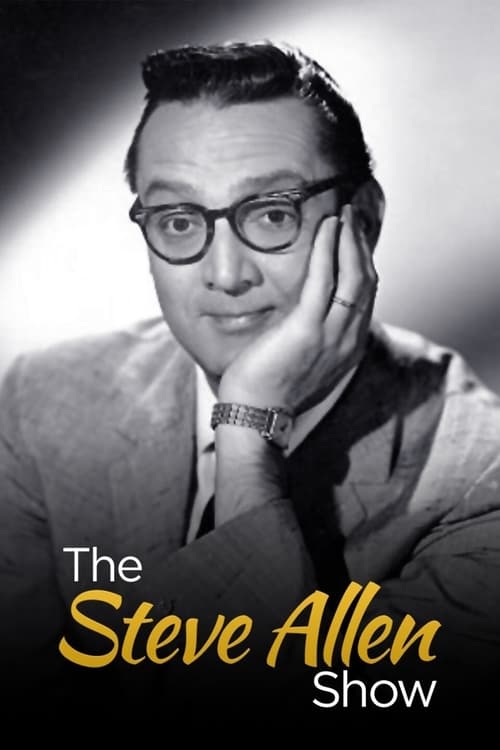
The Steve Allen Show
6.2

No description available.

The Steve Allen Show

1956
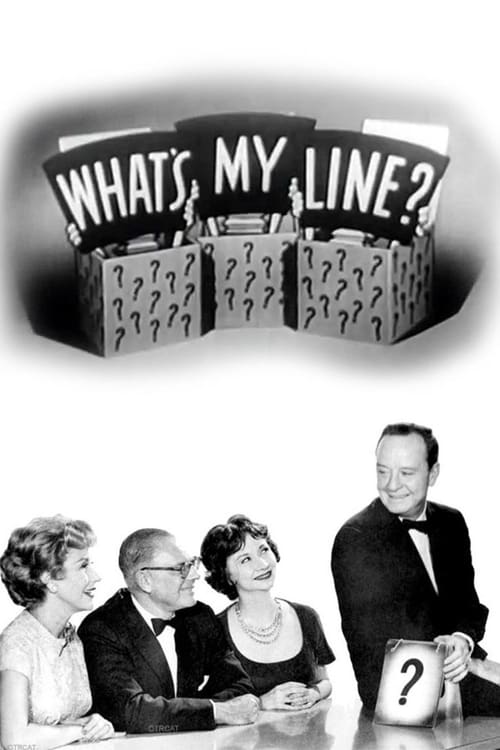
What's My Line?
7.0

Four panelists must determine guests' occupations - and, in the case of famous guests, while blindfolded, their identity - by asking only "yes" or "no" questions.

What's My Line?

1950
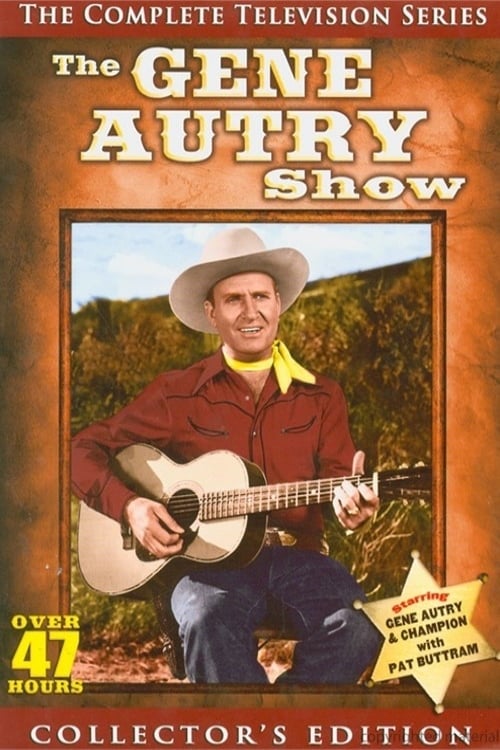
The Gene Autry Show
4.7

The Gene Autry Show is an American western/cowboy television series which aired for 91 episodes on CBS from July 23, 1950 until August 7, 1956, originally sponsored by Wrigley's Doublemint chewing gum.

The Gene Autry Show

1950
Annie Oakley
5.6

Annie Oakley was an American Western television series that fictionalized the life of famous sharpshooter Annie Oakley. It ran from January 1954 to February 1957 in syndication, for a total of 81 black and white episodes, each 25 minutes long. ABC showed reruns on Saturday and Sunday daytime from 1959 to 1960 and from 1964 to 1965.

Annie Oakley

1954
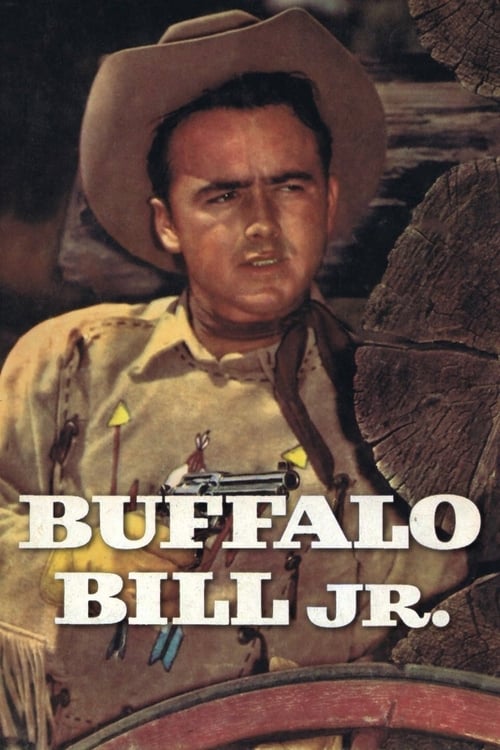
Buffalo Bill Jr.
6.0

Buffalo Bill, Jr. is an American Western television series starring Dickie Jones that aired in syndication from March 1, 1955, until September 21, 1956.

Buffalo Bill Jr.

1955
The Range Rider
7.0

The Range Rider is an American Western television series that aired in syndication from 1951 to 1953. A single lost episode surfaced and was broadcast in 1959. The Range Rider was also broadcast on British television during the 1960s, and in Melbourne, Australia during the 1950s.

The Range Rider

1951
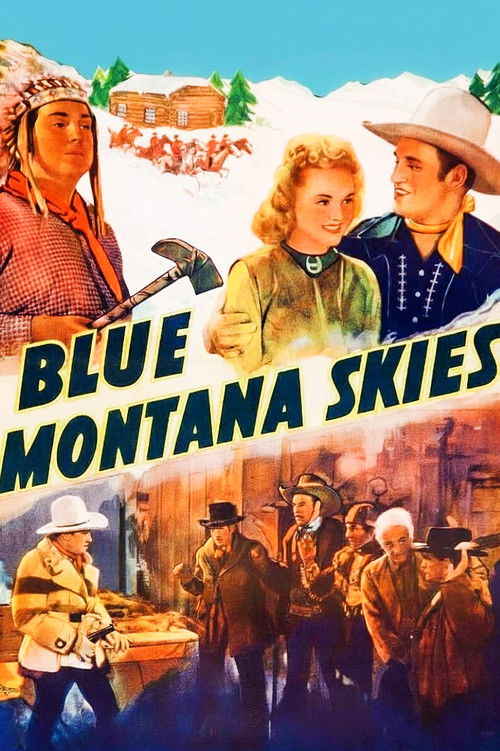
Blue Montana Skies
4.5

Gene Autry follows a clue written on a rock by his murdered partner and discovers a fur smuggling operation near the Canadian border.

Blue Montana Skies

1939
Christmas in Hollywood
10.0

Dozens of stars--including Arnold Schwarzeneggar, Bob Hope, and more--demonstrate how the yuletide season is celebrated in the perpetually warm and sunny world of Hollywood, California.

Christmas in Hollywood

2003
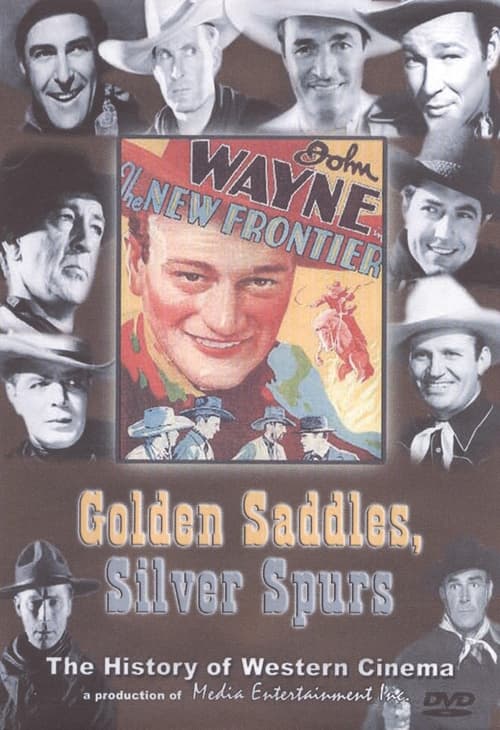
Golden Saddles, Silver Spurs
10.0

This documentary traces the history of the B-Western from it's silent movie origins to its demise in the early 1950s. The film contains a large number of scenes from early silents and seldom seen films, as well as old photographs of the stars and one-sheet advertisements for lost films.

Golden Saddles, Silver Spurs

2000
Heart of the Rio Grande
9.0

As foreman of a dude ranch, Gene has two problems. One is a guest, the spoiled daughter of a millioniare, and the other is the disgruntled ex-foreman that Gene replaced, now just a ranch hand. Gene eventually gets the daughter straightened out but has to fire the ex-foreman and this leads to trouble when he returns intent on revenge.

Heart of the Rio Grande

1942
The Singing Hill
9.0

If a young lady gives up her inheritance the local ranchers will lose their free grazing land.

The Singing Hill

1941
Riders of the Whistling Pines
5.7

While trailing Forest Ranger Charles Carter, who is suspected of permitting lumber man Henry Mitchell to cut restricted timber, Gene fires at a dangerous mountain lion and apparently kills Carter. Actually, Bill Wright, Mitchell's associate, killed Carter because the ranger had discovered tussock moth infestation in the forest, and if the infestation was not reported, the trees would die and have to be cut, thereby profiting Mitchell and Wright. In order to compensate the best he can, Gene sells his sportsman's camp and gives the money to Carter's daughter Helen . En route to Texas, Gene discovers the infestation and is assigned by the Forest Department to supervise the program of spraying the area with DDT from the air. After the first day of spraying, the DDT is blamed by furious stock men for the many animals found dead of poisoning.

Riders of the Whistling Pines

1949
Robin Hood Of Texas
7.0

When the bank is robbed, Gene and the boys are singing nearby and the Chief arrests them as gang members but lets them go thinking they will lead them to the others.

Robin Hood Of Texas

1947
My Music: A Classic Christmas
7.5

Gavin MacLeod and Marion Ross host a Christmas celebration that features classic performances of popular holiday standards and traditional carols performed, throughout decades past, by an array of artists, including Andy Williams, Bing Crosby, Perry Como, Johnny Mathis, Brenda Lee, Eddy Arnold, Nat King Cole, Judy Garland, Mitch Miller and the Gang, Gene Autry, Jimmy Boyd, the Supremes, Rosemary Clooney, the Lennon Sisters, Burl Ives, Mahalia Jackson, Mitzi Gaynor, Julie Andrews, the Beach Boys, the Carpenters, Jose Feliciano, the Drifters, Ronnie Spector, the Harry Simeone Chorale, and David Bowie.

My Music: A Classic Christmas

2019
Cowboy Serenade
6.5

Gene Autry heads a cattlemen's association and calls on the inexperienced Jim Agnew to negotiate the sale of five hundred heads of cattle. Jim ends up losing the cattle in a crooked poker game, however, and Gene and his sidekick Frog set out to find the cheating gamblers. It soon becomes clear that the leader of the gamblers is none other than Asa Lock, the dastardly father of Gene's romantic interest Stephanie.

Cowboy Serenade

1942
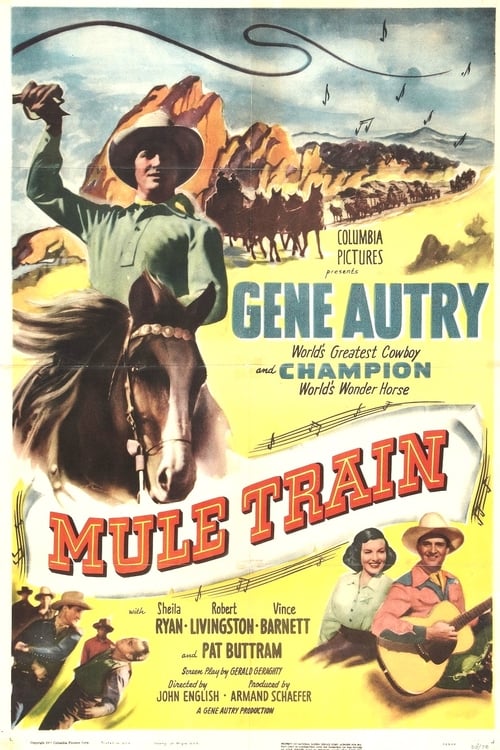
Mule Train
6.0

A prospector discovers natural cement and suggests it should be used for a new dam. But this is the last thing the badmen of Trail End want, as they have a monopoly of the wagons needed to haul rocks to the site. A pretty sheriff notwithstanding, it's a job for a singing marshal.

Mule Train

1950
Meanwhile, Back at the Ranch
8.5

A Western-genre narrative, loosely woven from old clips from B-Western features.

Meanwhile, Back at the Ranch

1976
Empire of the Air: The Men Who Made Radio
7.6

For 50 years radio dominated the airwaves and the American consciousness as the first “mass medium.” In Empire of the Air: The Men Who Made Radio, Ken Burns examines the lives of three extraordinary men who shared the primary responsibility for this invention and its early success, and whose genius, friendship, rivalry and enmity interacted in tragic ways. This is the story of Lee de Forest, a clergyman’s flamboyant son, who invented the audion tube; Edwin Howard Armstrong, a brilliant, withdrawn inventor who pioneered FM technology; and David Sarnoff, a hard-driving Russian immigrant who created the most powerful communications company on earth.

Empire of the Air: The Men Who Made Radio

1991