FEEL IT.STREAM
Mona Washbourne

Mona Washbourne

Acting

Biography

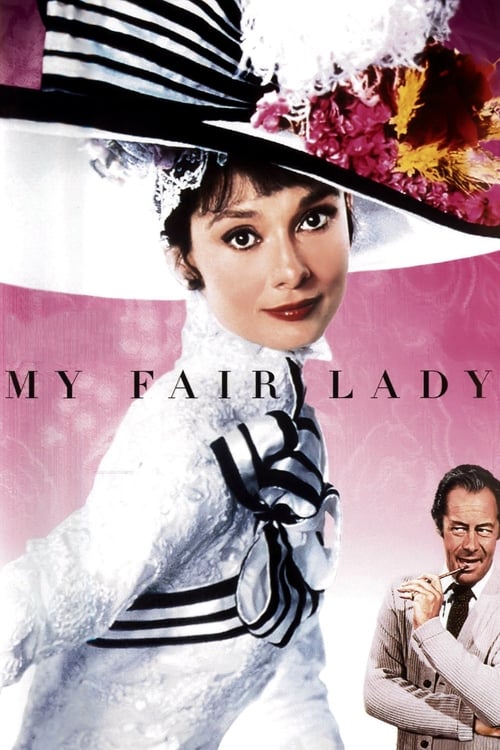
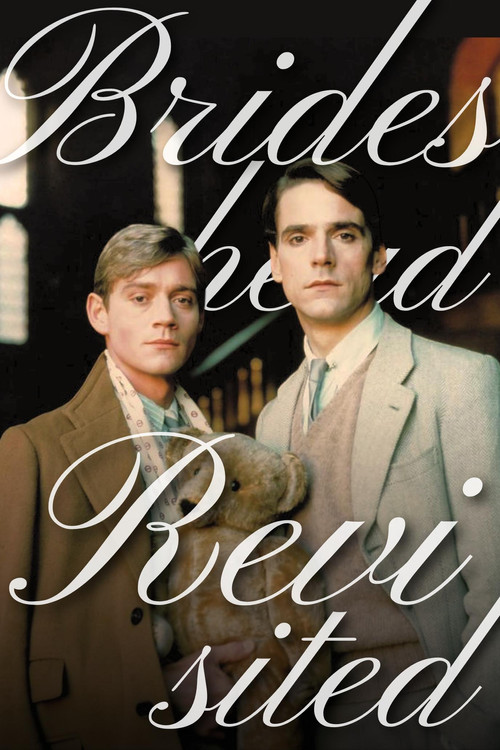
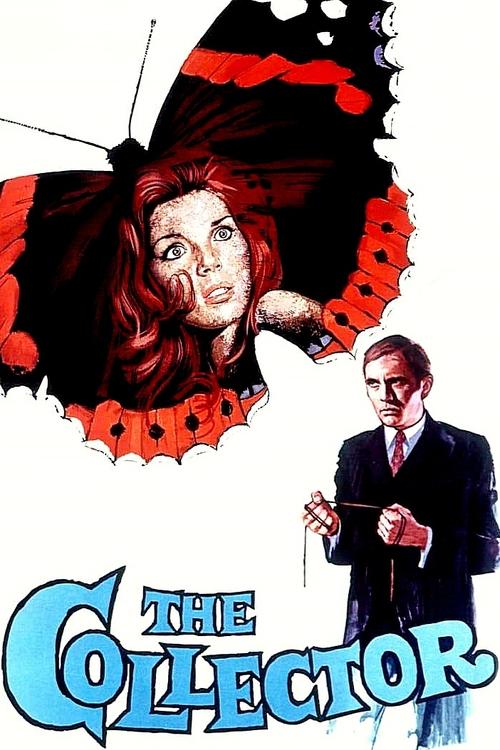
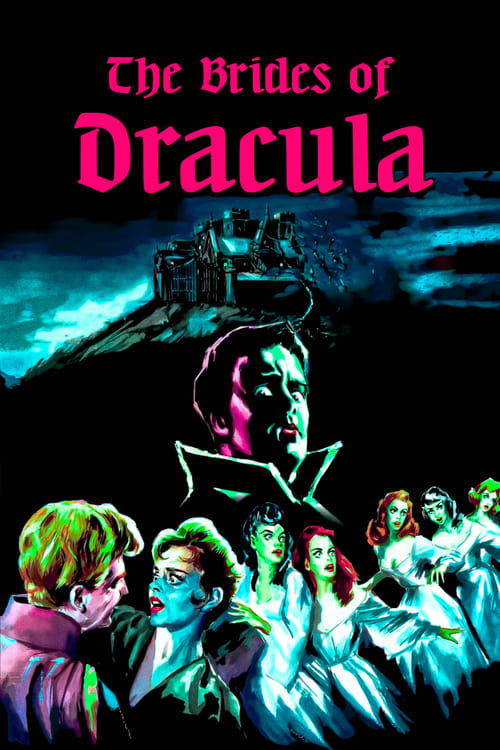
From Wikipedia, the free encyclopedia Mona Lee Washbourne (27 November 1903 – 15 November 1988) was an English actress of stage, film, and television. Her most critically acclaimed role was in the film Stevie (1978), late in her career, for which she was nominated for a Golden Globe Award and a BAFTA Award. Mona Washbourne was born in Solihull, Warwickshire and began her entertaining career training as a concert pianist. In 1948, after several years acting professionally on stage, and numerous stage musical performances, she began appearing in films. Her film credits include the horror movie The Brides of Dracula (1960), Billy Liar (1963), and The Collector (1965). She is probably best known to American audiences for her role as housekeeper Mrs. Pearce in My Fair Lady (1964). She also appeared as the stern and caustic Mrs. Bramson in the remake of Night Must Fall (also 1964), and the matron in the film If.... (1968). She appeared at both the Royal Court Theatre in London and on Broadway in 1970 in David Storey's Home. She was nominated for the Tony Award for Best Performance by a Featured Actress in a Play. In 1975 she appeared on the West End stage with James Stewart in a revival of Mary Chase's play Harvey, in the role originally taken by Josephine Hull. Washbourne won the 1981 New York Film Critics' Circle Awards for Best Supporting Actress in Stevie (1978). In 1981 Washbourne appeared in Granada Television's TV miniseries adaptation of Evelyn Waugh's novel Brideshead Revisited as Nanny Hawkins. One of her last television appearances was in Where's the Key? (1983), a BBC play about Alzheimer's disease. Mona Washbourne was married to actor Basil Dignam (1905-1979), whom she wed in 1940. She died in 1988, aged 84, in London.

Known For

Matinee Theater
5.3

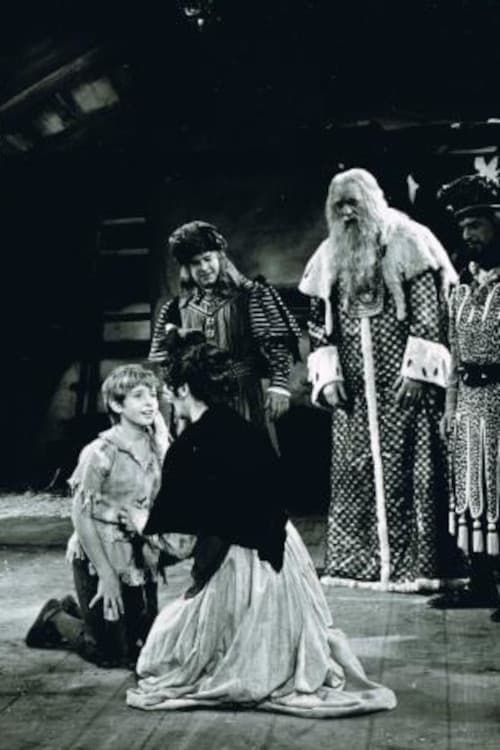
Matinee Theater is an American anthology series that aired on NBC during the Golden Age of Television, from 1955 to 1958. The series, which ran daily in the afternoon, was frequently live. It was produced by Albert McCleery, Darrell Ross, George Cahan and Frank Price with executive producer George Lowther. McCleery had previously produced the live series Cameo Theatre which introduced to television the concept of theater-in-the-round, TV plays staged with minimal sets. Jim Buckley of the Pewter Plough Playhouse recalled: When Al McCleery got back to the States, he originated a most ambitious theatrical TV series for NBC called Matinee Theater: to televise five different stage plays per week live, airing around noon in order to promote color TV to the American housewife as she labored over her ironing. Al was the producer. He hired five directors and five art directors. Richard Bennett, one of our first early presidents of the Pewter Plough Corporation, was one of the directors and I was one of the art directors and, as soon as we were through televising one play, we had lunch and then met to plan next week’s show. That was over 50 years ago, and I’m trying to think; I believe the TV art director is his own set decorator —yes, of course! It had to be, since one of McCleery’s chief claims to favor with the producers was his elimination of the setting per se and simply decorating the scene with a minimum of props. It took a bit of ingenuity.

Matinee Theater

1955Series
The Wonderful World of Disney
7.9

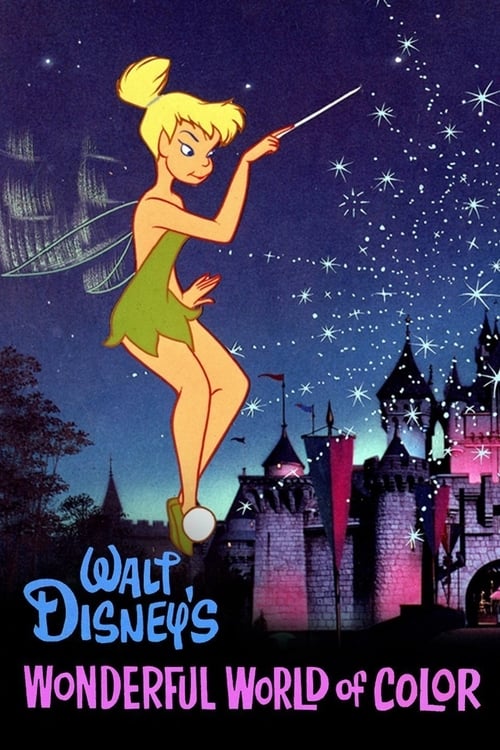
Walt Disney Productions has produced an anthology television series under several different titles since 1954. The original version of the series premiered on ABC, Wednesday night, October 27, 1954. The show, which was hosted by Walt Disney until his death and then from 1996 to 2002 by then-CEO Michael Eisner (with one-off hosts or no hosts during other periods) has since aired continually as either a weekly program or an irregular series of specials on several networks and streaming services, most recently on ABC and Disney+. The show is the second longest showing prime-time program on American television, behind its rival, Hallmark Hall of Fame. However, Hallmark Hall of Fame was a weekly program only during its first five seasons, while Disney remained a weekly program for more than forty years.

The Wonderful World of Disney

1954Series