Writing
The Bambi, often called the Bambi Award and stylised as BAMBI, is a German award presented annually by Hubert Burda Media to recognize excellence in international media and television to personalities in the media, arts, culture, sports, and other fields "with vision and creativity who affected and inspired the German public that year", both domestic and foreign. First held in 1948, it is the oldest media award in Germany. The trophy is named after Felix Salten's book Bambi, A Life in the Woods and its statuettes are in the shape of the novel's titular fawn character. They were originally made of porcelain until 1958, when the organizers switched to using gold, with the casting done by the art casting workshop of Ernst Strassacker in Süßen.
No description available.
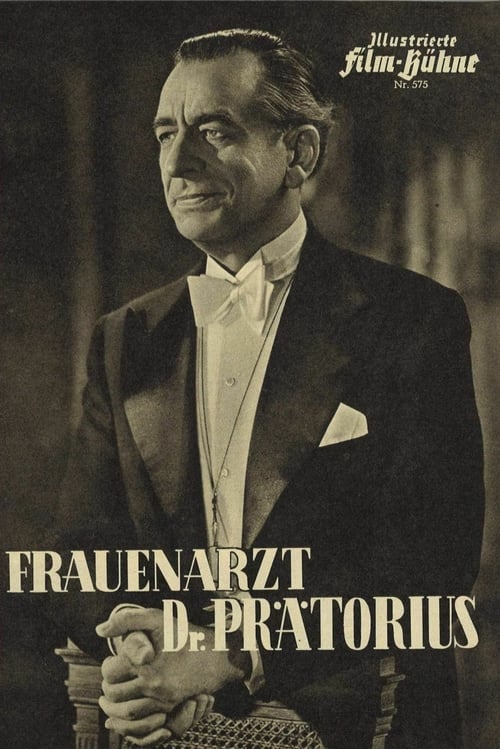
A successful, unorthodox doctor befriends a young woman with suicidal ideations due to her pregnancy by her ex, a military reservist killed in action.
Detective C.G. begins to investigate the death of an attractive woman whose naked body was found in Beverly Hills. When he recovers her journal, he is taken into her past where he finds that she lead a sexually promiscuous life. Perhaps in the pages of the diary will be a clue to her killer's identity.
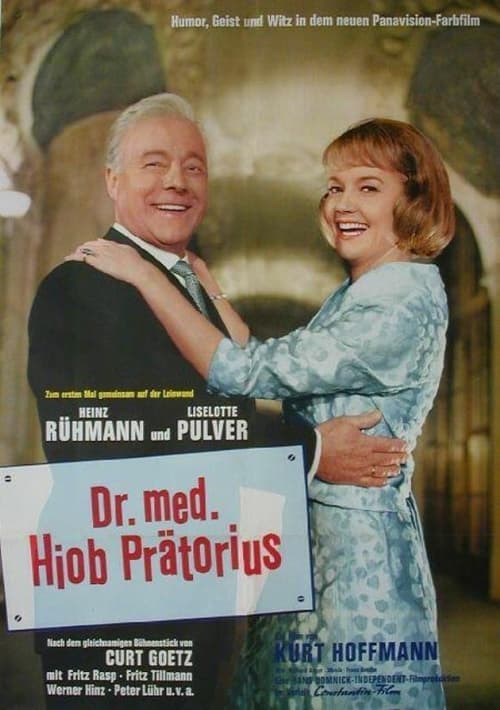
Dr. med. Job Prätorius enjoys great popularity among patients, doctors and students alike thanks to his kindness and philanthropy. Only his colleague Prof. Speiter begrudges him his success. When his patient Maria Violetta wants to commit suicide because of an extramarital pregnancy, Prätorius takes care of the young woman. When he tries to gently prepare her father for the news, the latter considers Praetorius to be a more than welcome admirer of his daughter. As a deep affection develops between the doctor and his patient, the two eventually marry. Their private happiness fuels Prof. Speiter's envy. With the help of Praetorius' mysterious factotum Shunderson, he finally believes that he can uncover some dark secrets from the doctor's past. But Praetorius manages to refute all the accusations in a court of honor with wit and astonishing revelations.
In the face of two world wars, Professor Prätorius, a philanthropist and a surgeon, wants to exterminate the one danger to mankind, the microbe of stupidity, as he states in a spontaneous lecture to his male and female students. When he tries to help a pregnant girl he gets involved more and more in her life and is forced to marry her.
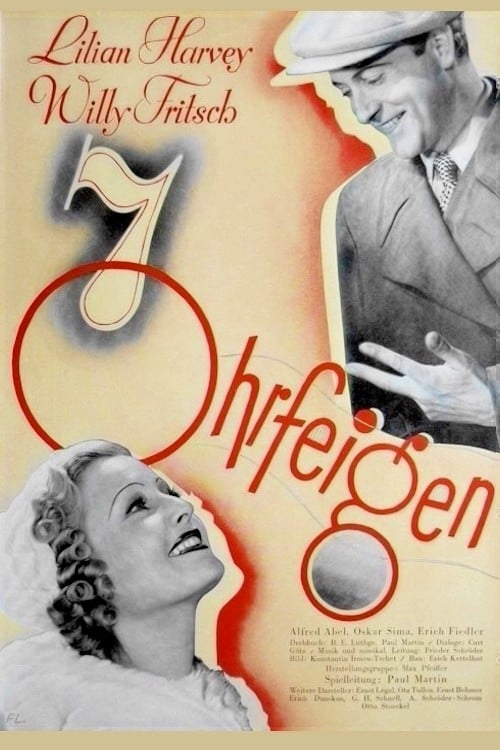
William MacPhab loses seven-pounds in the stock market and decides to slap the man who was responsible for the stock manipulation that caused him to lose his money. Astor Terbanks, the stock-market manipulator is surprised the next day when he gets soundly slapped by MacPhab, and the latter promises to deliver one more a day for the next six days. Terbank's daughter, Daisy, is amused by the procedure and is attracted to MacPhab.
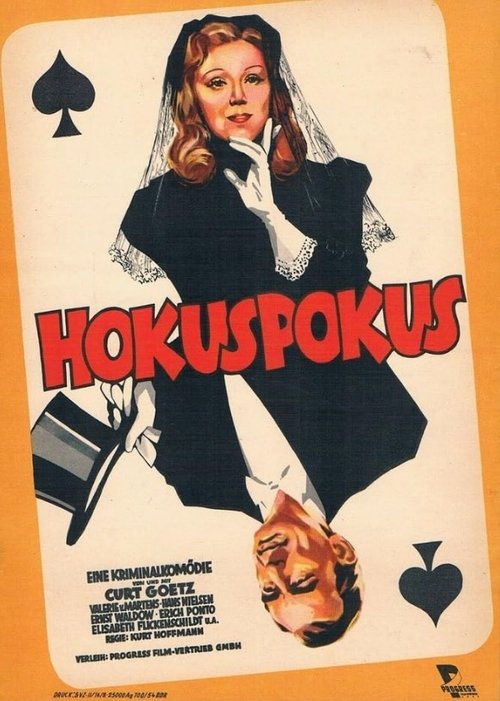
A murder trial becomes a farce when a widow tries to convince the district attorney that she didn't drown her husband, with the help of an eccentric lawyer.
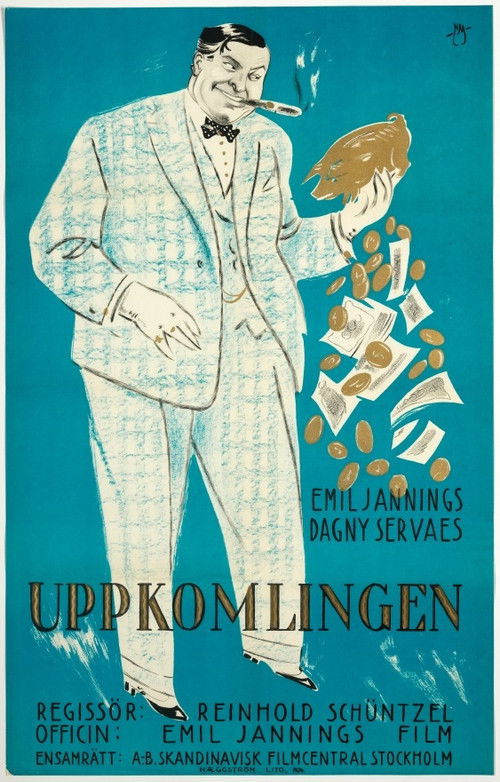
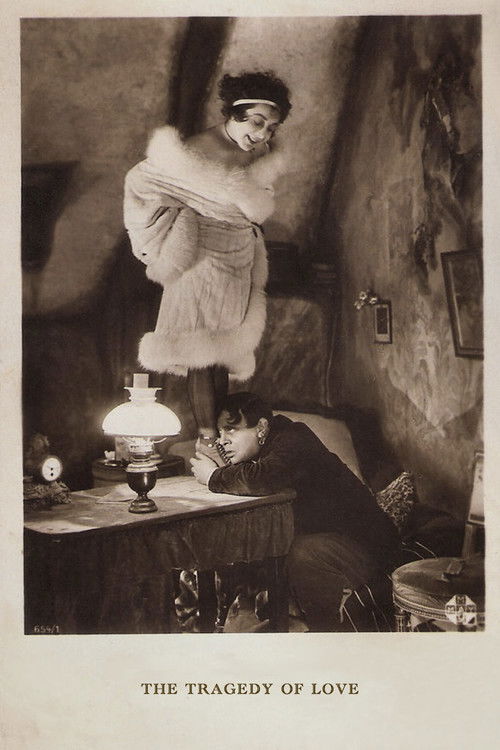
Rupp (Jannings) is a former butcher, made rich in the meat packing industry as a result of the reversal of fortunes brought on by WWI. He is crude, uncouth and uneducated. His son, Fred, is the apple of his father's eye and is an auto enthusiast. The widowed Rupp falls in love with a former aristocrat, Helen, now down on her luck and pawning her last heirloom. He proposes marriage and she accepts in order to save her ailing mother who needs a monetary influx to avoid death. Her former boyfriend, Platen, warns Helen against Rupp's intentions - he and Rupp are enemies, Rupp having caused his being fired for protecting a chorus girl against Rupp's unwanted advances. Meanwhile, Graf, a shyster, arranges purchase of a near bankrupt auto manufacturing firm, Phoenix, to Rupp's great advantage with practically no monetary recognition to Graf, who swears revenge. Rupp comes upon his son begging Helen not to marry his father but to return to Platen.
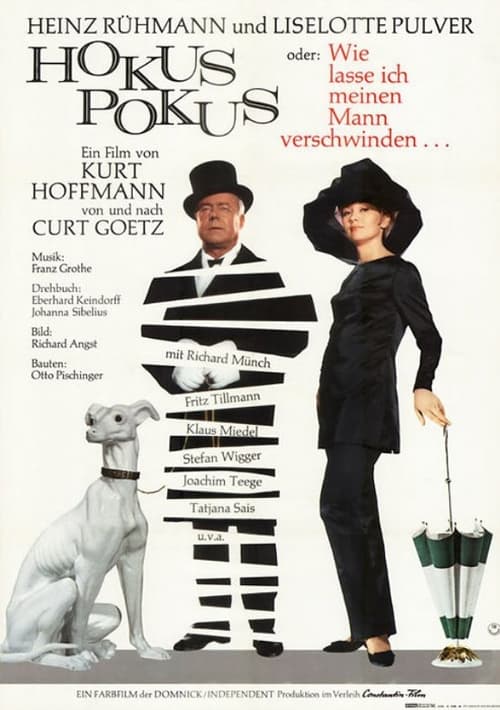
Kurt Hoffmann's remake of his own 1953 movie based on the play by Curt Goetz.
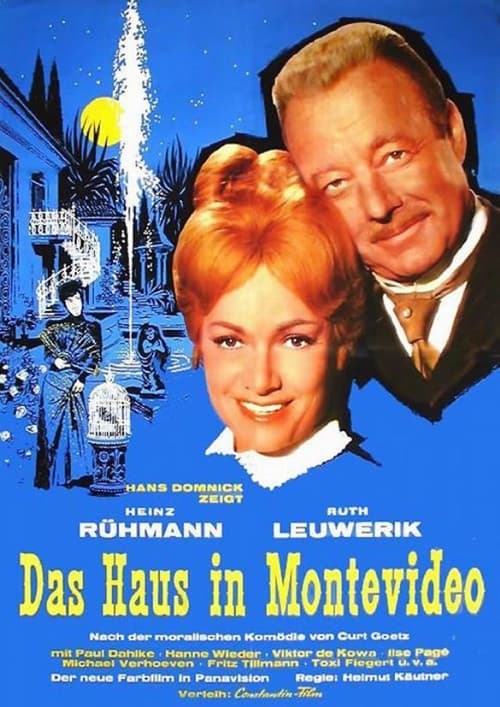
A respectable professor inherits a house and money in Montevideo from his wild sister, on the condition that he himself behaves in a disreputable way.
Episodic film based on four plays (‘Der Hund im Hirn’, ‘Lohengrin’, ‘Der Mörder’, and ‘Minna Magdalena’) by Curt Goetz, each with Carl-Heinz Schroth in the leading role.
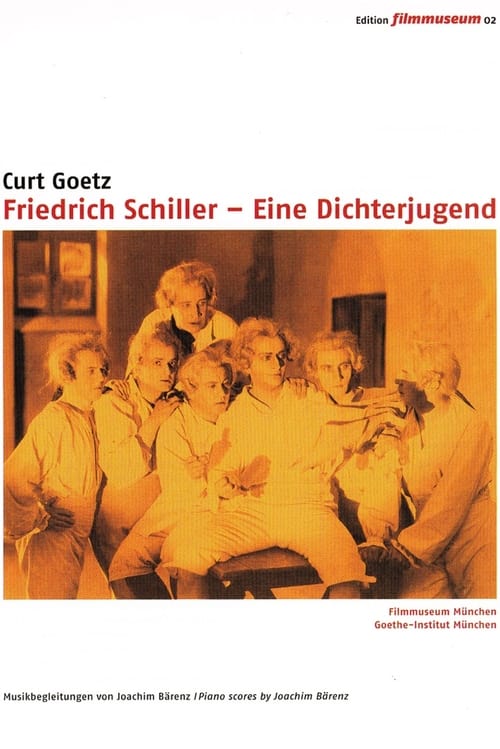
In his film version, Curt Goetz shifts the focus away from the poetic output towards the young Friedrich Schiller himself: on the misery of his soul whilst a pupil of the ducal military academy, his opposition to the strict physical drill and the narrow intellectual confines of the "Karlsschule", his juvenile passion for the works of Shakespeare, Klopstock and Lessing, his anger at unjust authorities, his devotion to women, and finally his inability to cope with financial matters
The husband of Countess Manon Moreau is found murdered. André Rabatin, who belongs to the same club as Count Moreau, is the suspect. Rabatin, a old-school gentleman, affirms his innocence to the widow and claims that the death of the count must have been a tragic accident. Manon believes Rabatin and begins to fall in love with him. But Rabatin himself suspects that she has murdered her husband.
The story is one of the classic operetta stories with a young princess destined to marry a king whom her mother tries to enforce while the young woman tries to escape her fate.
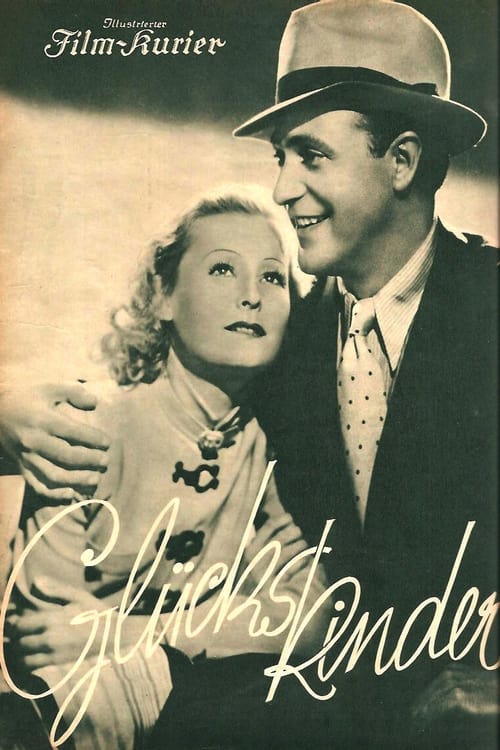
After completing work on the British musical Invitation to the Waltz, Lillian Harvey returned to her adopted country of Germany to star in the comedy-with-music Glueckskinder (Children of Fortune). Harvey plays Ann Garden, an unemployed actress who ends up in night court on a loitering charge. Here she meets Gil Taylor (Willy Fritsch), a struggling songwriter temporarily employed as a court reporter. Hoping to keep her out of jail, Gil impulsively tells the judge that he's engaged to Ann -- whereupon the judge, equally impulsively, marries the couple on the spot! After this inauspicious start, Ann and Gil embark upon a rocky (but tuneful) whirlwind romance.
A young academic decides to accept guardianship of the daughter of a late friend. Expecting her to be a young child, the household is shocked to find out she is in fact a young woman. The two marry but more miscommunications cause troubles in their relationship.