FEEL IT.STREAM
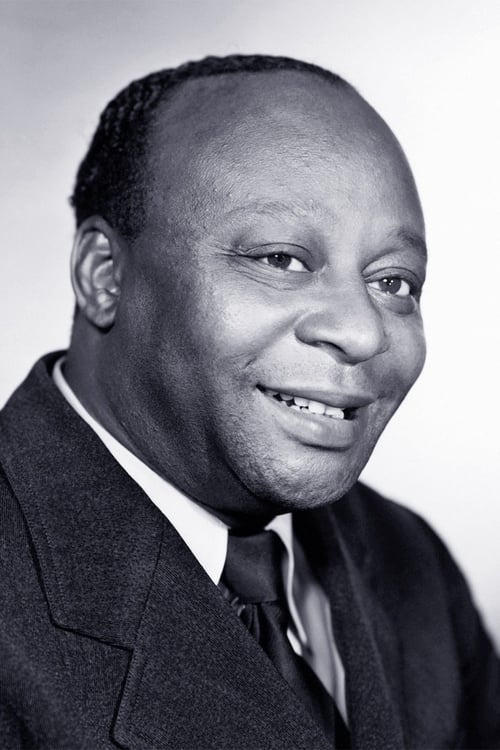
Mantan Moreland

Mantan Moreland

Acting

Biography

Born just after the turn of the century in Louisiana, Mantan began running away from home at age 12 to join circuses and medicine shows, only to be brought back time and again. During these times he sharpened his comic skills and developed routines and acts that eventually became popular on the vaudeville stage, or what was then called the "chitlin' circuit." A solo performer by nature, he often teamed up with other famous comics (such as Ben Carter) to keep working, and became a deft performer of "indefinite talk" routines, where two quicksilver comics continually topped each other in mid-sentence, as if reading each other's mind (i.e., "Say, did you see...?" "Saw him just yesterday...didn't look so good"). Mantan's focus gradually shifted his trade toward film, where he initially appeared in servile bits (shoeshine men, porters, waiters). However, his talent for making people laugh couldn't be overlooked and he soon earned featured status in Harlem-styled western parodies and grade "A" comedy films playing the superstitious, ever-terrified manservant running from any kind of impending doom. Moreland's peak in movies came with his recurring role as Birmingham, the skittish chauffeur, in the "Charlie Chan" series, where he was forever forewarning his boss to stay away from an obviously dangerous case or situation. Though haunted mansions were an ideal place for setting off his stereotyped character, Mantan would be haunted in a different way by this Hollywood success in years to follow. By the 1950s, racial attitudes began to change and, with the rise of the civil rights movement, what was once considered hilarious was now interpreted as demeaning and offensive to both blacks and whites. Mantan and others, such as Stepin Fetchit, were ostracized and ridiculed by Hollywood for their past negative portrayals. It took decades for audiences to forgive and newer generations to forget the Depression-era comedy of Mantan Moreland in order for the actor to come back. In the late 1960s he managed a modest resurgence on TV and in commercials and occasional films, allowing him to work again with such comic heavyweights as Bill Cosby, Godfrey Cambridge and director Carl Reiner. It was all too brief, however, for Mantan, long suffering from ill health, died of a cerebral hemorrhage in 1973, just as he was settling in to his renewed popularity. Today, audiences tend to be kinder and more understanding of Moreland, remembering him as a highly talented comic who, in the only way he knew, broke major barriers and opened the doors for others black actors to follow.
Known For

Love, American Style
6.1

An anthology comedy series featuring a line up of different celebrity guest stars appearing in anywhere from one, two, three, and four short stories or vignettes within an hour about versions of love and romance.

Love, American Style

1969
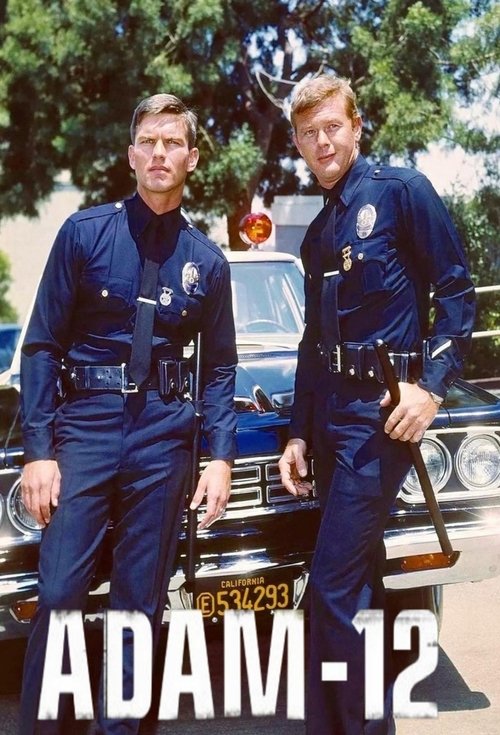
Adam-12
7.1

Adam-12 is a television police drama that followed two police officers of the Los Angeles Police Department, Pete Malloy and Jim Reed, as they patrolled the streets of Los Angeles in their patrol unit, 1-Adam-12.

Adam-12

1968
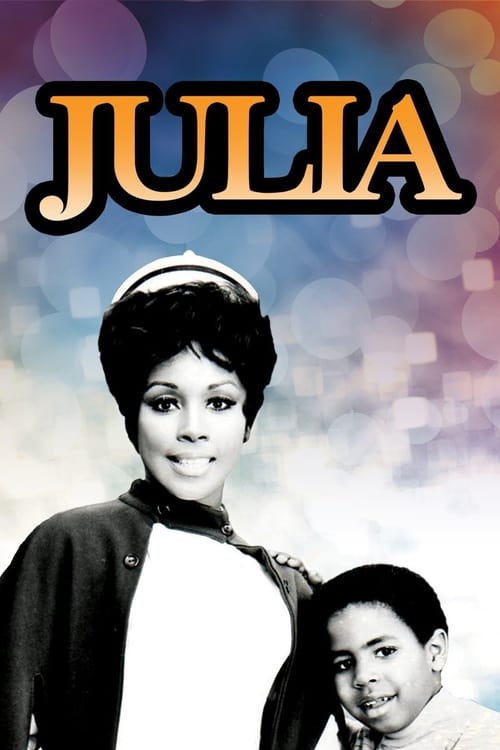
Julia
6.4

Julia is an American sitcom notable for being one of the first weekly series to depict an African American woman in a non-stereotypical role. Previous television series featured African American lead characters, but the characters were usually servants. The show stars actress and singer Diahann Carroll, and ran for 86 episodes on NBC from September 17, 1968 to March 23, 1971. The series was produced by Savannah Productions, Inc., Hanncar Productions, Inc., and 20th Century-Fox Television. During pre-production, the proposed series title was Mama's Man. The series was also unique in that it was among the few situation comedies in the late 1960s that did not use a laugh track; however, 20th Century-Fox Television added them when the series was reissued for syndication and cable rebroadcasts in the late 1980s.

Julia

1968
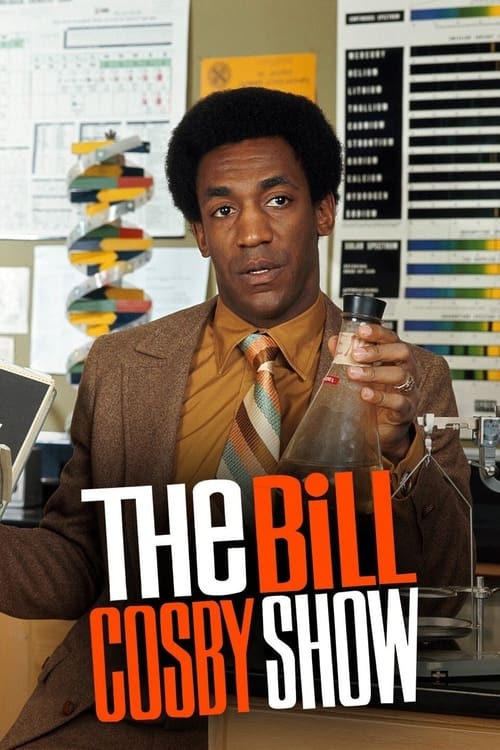
The Bill Cosby Show
5.5

The Bill Cosby Show is an American situation comedy that aired for two seasons on NBC's Sunday night schedule from 1969 until 1971, under the sponsorship of Procter & Gamble. There were 52 episodes made in the series. It marked Bill Cosby's first solo foray in television, after his co-starring role with Robert Culp in I Spy. The series also marked the first time an African American starred in his or her own eponymous comedy series.

The Bill Cosby Show

1969
The Comic
6.1

An account of the rise and fall of a silent film comic, Billy Bright. The movie begins with his funeral, as he speaks from beyond the grave in a bitter tone about his fate, and takes us through his fame, as he ruins it with womanizing and drink, and his fall, as a lonely, bitter old man unable to reconcile his life's disappointments. The movie is based loosely on the life of Buster Keaton.

The Comic

1969
Spider Baby
6.9

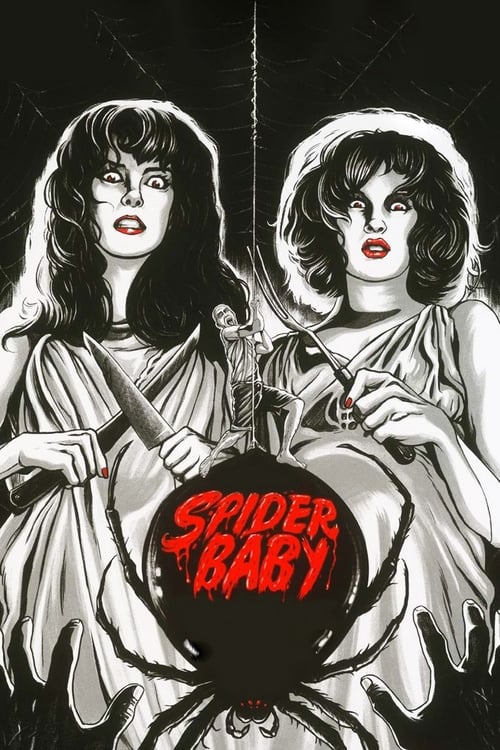
In a dilapidated rural mansion, the last generation of the degenerate, inbred Merrye family lives with the inherited curse of a disease that causes them to mentally regress from the age of 10 or so on as they physically develop. The family chauffeur looks out for them and covers up their indiscretions. Trouble comes when greedy distant relatives and their lawyer arrive to dispossess the family of its home.

Spider Baby

1967
The Patsy
6.2

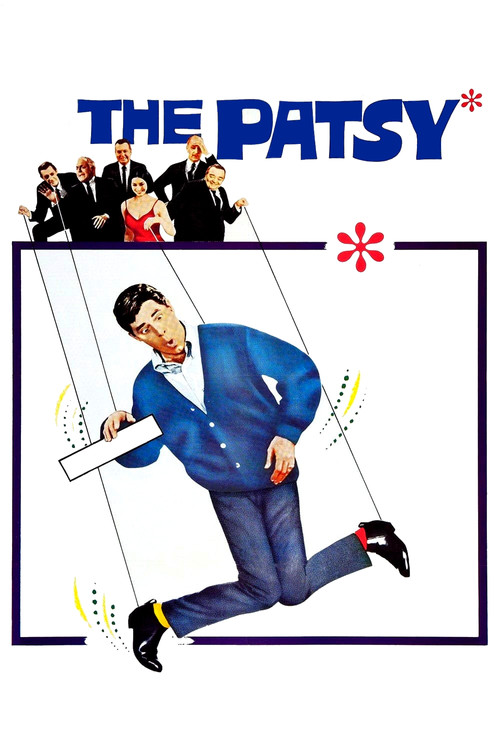
Eccentric bellhop Stanley Belt is recruited unexpectedly by the comedy team of a recently deceased entertainer. Stanley struggles to become a song-and-dance man as the team grooms him to become a star. But as the date of a high-stakes appearance on the Ed Sullivan Show grows near, they begin to fear that the only astonishing thing about Stanley is his utter lack of talent.

The Patsy

1964
Hit the Ice
6.0

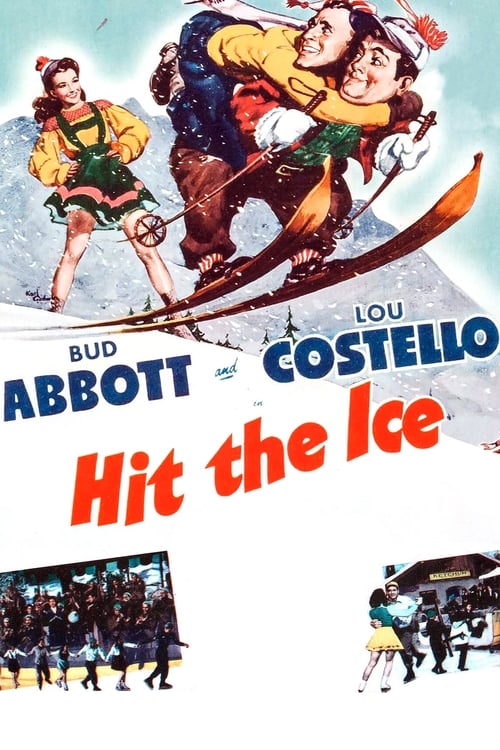
After Flash Fulton and Weejie McCoy take pictures of a bank robbery, they're lured to the mountain resort hideout of the robbers, where they meet an old friend and his band.

Hit the Ice

1943
Sleepers West
6.4

Private eye Mike Shayne encounters a large amount of trouble while attempting to guard a murder witness.

Sleepers West

1941
Watermelon Man
6.3

A racist insurance agent lives in a typical suburban neighborhood, but his bigoted world of taunting and harassing black people on and off the job is turned upside down when his skin inexplicably turns dark overnight.

Watermelon Man

1970
Maryland
6.5

A woman tormented by the hunting death of her husband forbids her son to have anything to do with horses. But when he falls for the daughter of his father's trainer, he defies his mother by entering the Maryland Hunt.

Maryland

1940
Girl in 313
5.6

A priceless necklace goes missing at a plush party. Police close in on the jewel thieves but is one cop getting too close to one of the crooks?

Girl in 313

1940
Slightly Dangerous
6.0

Small-town soda-jerk Peggy Evans quits her dead-end job and moves to New York where she invents a new identity.

Slightly Dangerous

1943
Phantom Killer
5.3

Well-known philanthropist and deaf-mute John G. Harrison is identified leaving the scene of several murders but evades successful prosecution as there are hundreds of witnesses who have also seen him emceeing benefits at the exact same time as the murders.

Phantom Killer

1942
It Started with Eve
7.2

A young man asks a hat check girl to pose as his fiancée in order to make his dying father's last moments happy. However, the old man's health takes a turn for the better and now his son doesn't know how to break the news that he's engaged to someone else, especially since his father is so taken with the impostor.

It Started with Eve

1941
The Chinese Ring
5.1

Soon after a Chinese princess comes to the US to buy planes for her people, she is murdered by a poison dart fired by an air rifle.

The Chinese Ring

1947
Ellery Queen's Penthouse Mystery
6.5

Ventriloquist and world traveler Gordon Cobb is murdered by a gang of jewel thieves. Baffled by the contradictory clues, Inspector Queen asks his son, Ellery, to help out.

Ellery Queen's Penthouse Mystery

1941
The Man Who Wouldn't Talk
5.3

A man involved in a crime (Nolan) kills his key witness by mistake and resigns himself to death. He changes his name so as not to harm his family. The law is not content with his explanation, however.

The Man Who Wouldn't Talk

1940
Tarzan's New York Adventure
6.4

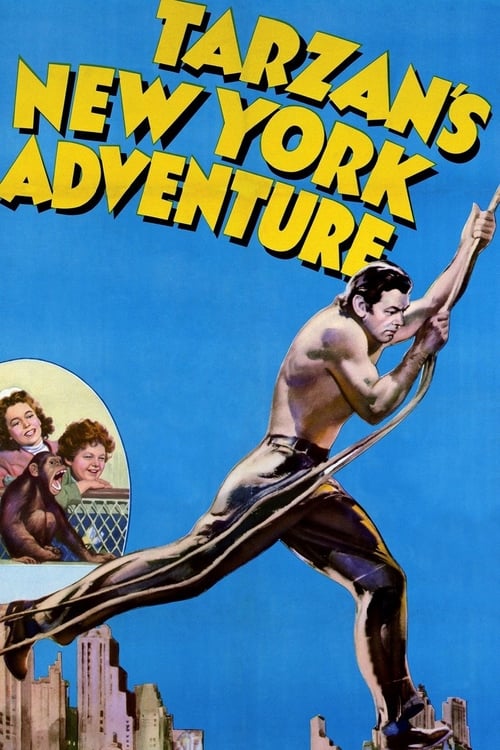
Circus owner Buck Rand kidnaps Boy to perform in his show. He forces a pilot to fly him, Boy and his animal trainer out of the jungle. Tarzan and Jane follow them to New York.

Tarzan's New York Adventure

1942
Cracked Nuts
7.0

A young man in a small town wins $5000 in a radio contest. He goes to New York City to propose to his girlfriend, but gets mixed up with a crooked attorney and two con men...

Cracked Nuts

1941