FEEL IT.STREAM
Tom Brown

Tom Brown

Acting

Biography

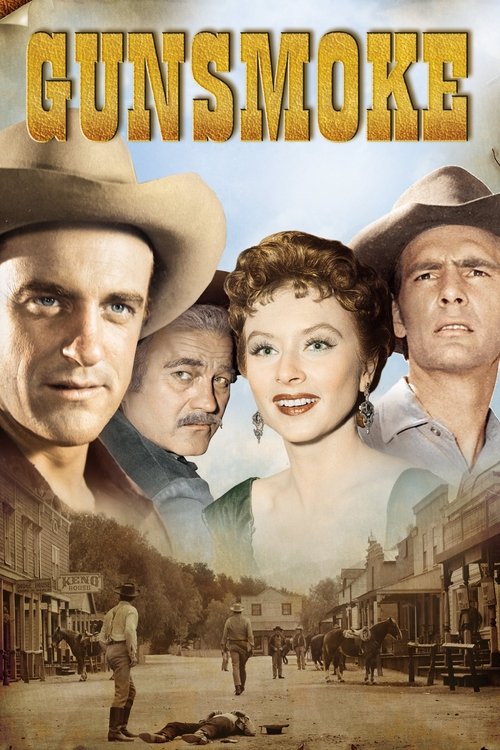
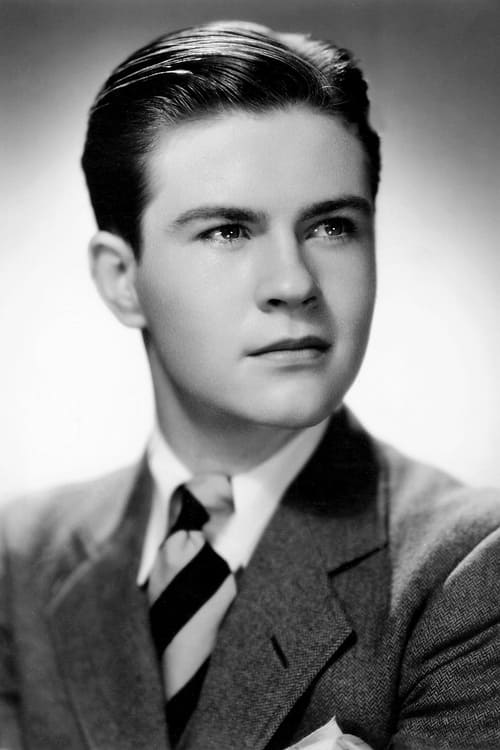
From Wikipedia, the free encyclopedia Thomas Edward Brown was an American child model, and later a film and television actor. Brown was born Thomas Edward Brown, the son of William Harold (Harry) Brown and his wife, Marie Francis Brown, in New York City. As a child model from the age of two years, Brown posed as Buster Brown, the Arrow Collar Boy and the Buick boy. Brown was educated at the New York Professional Children's School. He was carried on stage in his mother's arms when he was only six months old. As an actor, he is probably best remembered for playing the title role in The Adventures of Smilin' Jack and as Gilbert Blythe in the 1934 version of Anne of Green Gables. Later he appeared on the television shows Gunsmoke, General Hospital and Days of Our Lives. He also had a recurring role as Lt. Rovacs in Mr. Lucky. He enlisted in the United States Army in World War II where in three years he rose from private to lieutenant serving in France as a paratrooper where he was awarded a French Croix de Guerre and a Bronze Star Medal. He was promoted to captain with the 40th Infantry Division. He served during the Korean War with the 40th Infantry Division where he reached the rank of lieutenant colonel. Brown died in Woodland Hills, Los Angeles, aged 77. For his contributions to the film industry, Brown was inducted into the Hollywood Walk of Fame in 1960, with a motion pictures star located at 1648 Vine Street.
Known For

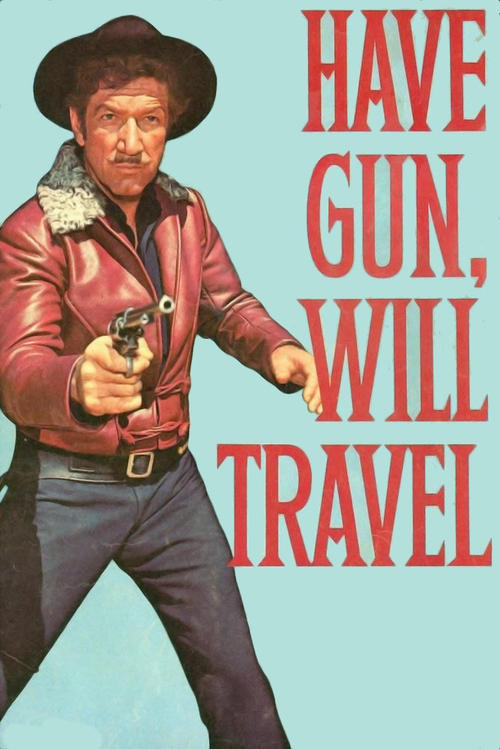
Have Gun, Will Travel
7.3

Have Gun – Will Travel is an American Western television series that aired on CBS from 1957 through 1963. It was rated number three or number four in the Nielsen ratings every year of its first four seasons. It was one of the few television shows to spawn a successful radio version. The radio series debuted November 23, 1958. The television show is presently shown on the Encore-Western channel. Have Gun – Will Travel was created by Sam Rolfe and Herb Meadow and produced by Frank Pierson, Don Ingalls, Robert Sparks, and Julian Claman. There were 225 episodes of the TV series, 24 written by Gene Roddenberry. Other contributors included Bruce Geller, Harry Julian Fink, Don Brinkley and Irving Wallace. Andrew McLaglen directed 101 episodes and 19 were directed by series star Richard Boone.

Have Gun, Will Travel

1957Series
Cimarron Strip
5.7

Cimarron Strip is an American Western television series that aired on CBS from September 1967 to March 1968. Starring Stuart Whitman as Marshal Jim Crown, the series was produced by the creators of Gunsmoke. Reruns of the original show were aired in the summer of 1971. Cimarron Strip was one of only three 90-minute weekly Western series that aired during the 1960s, and the only 90-minute series of any kind to be centered primarily around one lead character. Cimarron Strip was set in the Oklahoma Panhandle, which comprises, east to west, Beaver, Texas, and Cimarron counties in Oklahoma. The show is set in 1888, just as the continuous frontier of the West, which once ran from the Canadian to the Mexican border, was closing. In less than five years there would no longer be that "continuous frontier," only pockets of undeveloped land. This was the late "Wild West" that Marshall Jim Crown was called to defend.

Cimarron Strip

1967Series
West Point
7.5

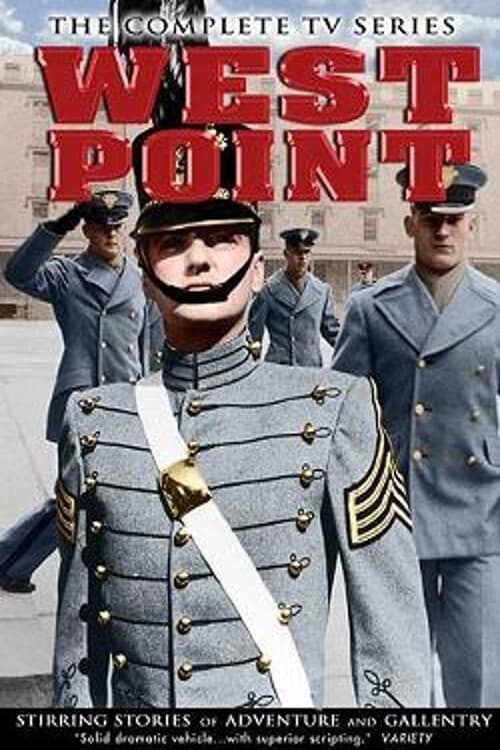
The West Point Story is a dramatic anthology television series shown in the United States by Columbia Broadcasting System during the 1956-57 season and by ABC during the 1957-58 season. The West Point Story, produced with the full cooperation of the United States Department of Defense and the United States Military Academy, was said to be based on actual files documenting many of the real-life dramatic occurrences at West Point over the years. Names and dates were altered in order to protect the privacy of the real people portrayed, however. The program was at first hosted by a fictional cadet, Charles C. Thompson, but this device was discontinued prior to the end of 1956. During its second season on ABC, The West Point Story was in competition with NBC's The Californians, set in San Francisco during the gold rush of the 1850s, and with The $64,000 Question quiz series on CBS. The West Point Story was replaced on the summer schedule in 1958 by Jack Wyatt's Confession, which continued to air during the first half of the 1958-1959 season in the 10 p.m. Tuesday evening time slot. At the time that The West Point Story was broadcast, four other military dramas aired either through syndication or on the major networks: Harbor Command, Navy Log, The Silent Service, and Men of Annapolis.

West Point

1956Series