Acting
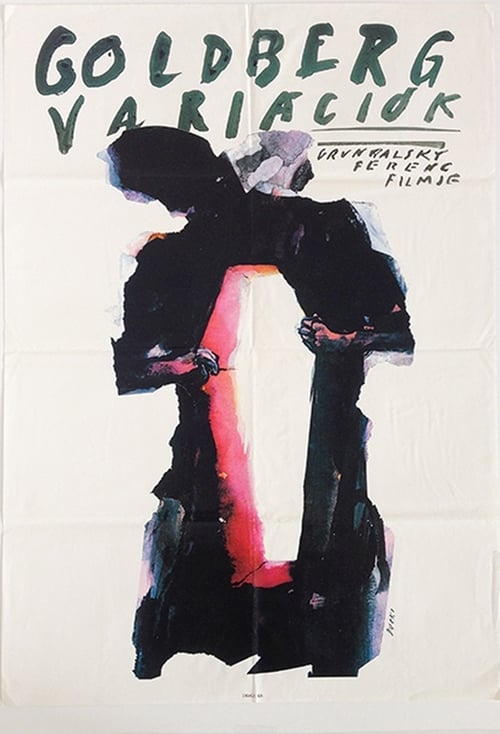
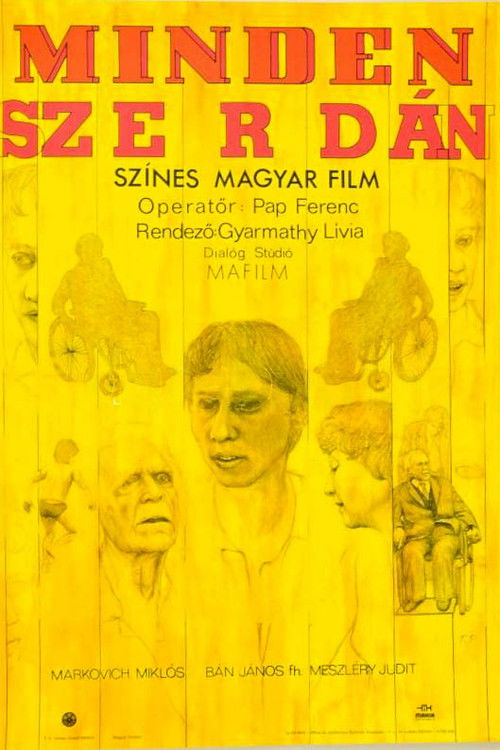
This is a rough, fragmented drama about a couple whose 13-year-old son committed suicide without an apparent reason. The film portrays the day after the funeral and the helpless, abandoned mourning of the parents.
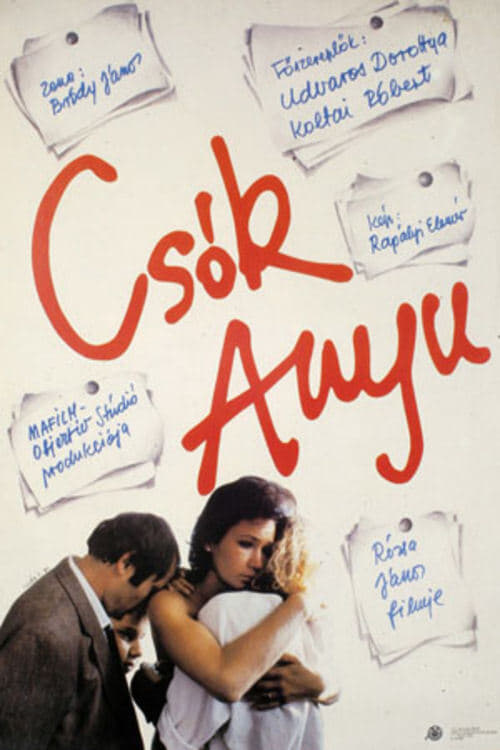
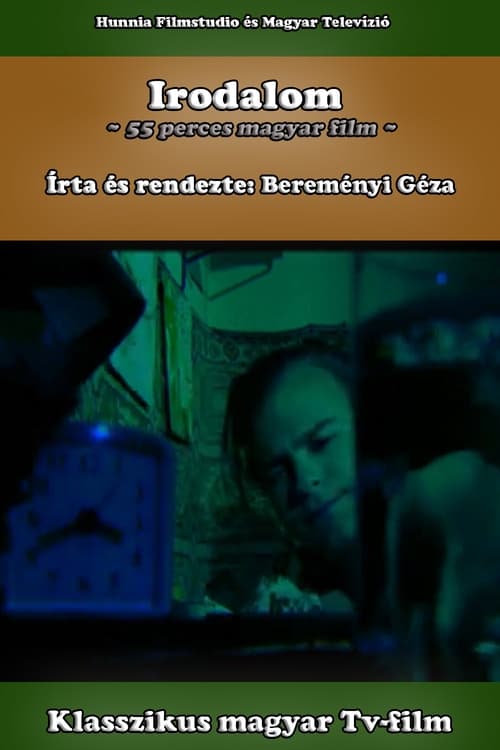
Contemporary genre-painting of a Hungarian "middle class" family of four. The scene is the villa apartment almost finished, where the tourist guide mother, father who also works for the second economy and the lonely big girl preparing for her maturity examination turn up alternatively. It is only the teen-ager boy who really "lives" in this place: instead of attending school he stays home all day and observes the life of the surrounding by a self-made periscope. Internal communication of the family is accomplished in writing, on the pin-up board in the kitchen.
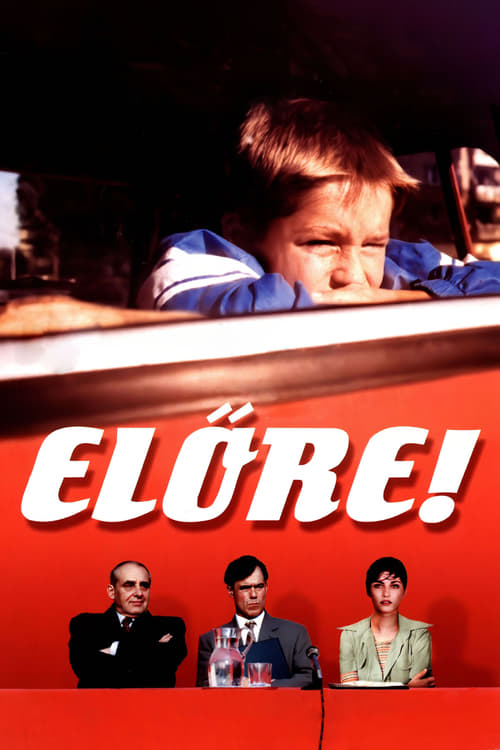
The story setup in the late Communist era. Two school boys are best friends. One's Father is a mighty communist party secretary, the other is an anti-communist rebel.
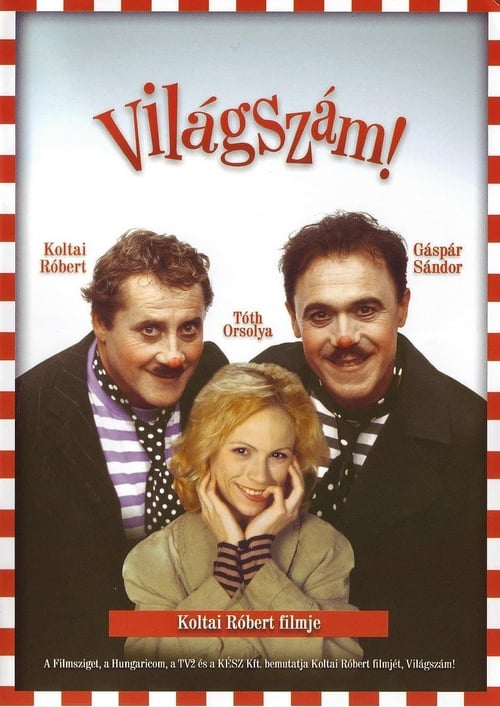
"Colossal Sensation!" sees the history of Hungary in the 20th century through the eyes of twin circus clowns. For them, as for all Hungarians, it is a story of feast and famine, nostalgia and regret, suffering and triumph, although not all Hungarians had the misfortune (or was it the opportunity?) to destroy a wristwatch personally given to the Hungarian Party Leader by Stalin himself. - Roger Ebert
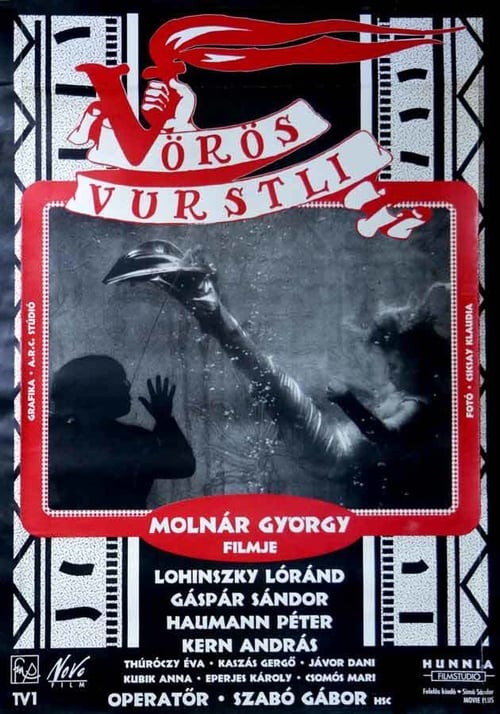
The film takes place the Budapest Amusement Park in 1919, just before and during the proletarian dictatorship. After the outbreak of the proletarian dictatorship, both the former employee who returns from Russian captivity as a communist and the domestic philosopher spreading Marxists ideology regard the nationalisation of the Fun Fair vitally urgent. In this, the daughter of the owner of Orpheum Blau, Ilona, assisting most enthusiastically.
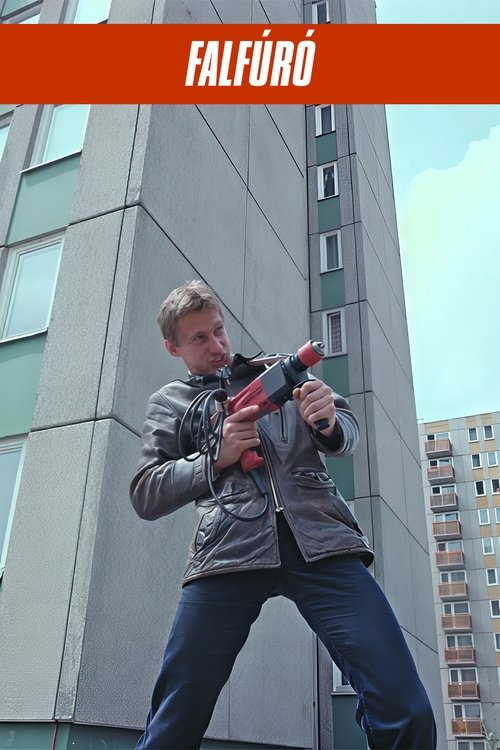
The sad tale of a proletarian malcontent ensconced in a monstrously depressing housing project who—even less effectually than the heroes of Bald-Dog Rock—attempts to change his life. Purchasing a power drill and slinging it across his shoulder like the anti-hero of a spaghetti western, he turns entrepreneur, boring holes in his neighbors’ walls so that they can hang mirrors or pictures.
This film tells the story of a few uneventful days in the life of six pals. Lali, a great fan of America, owns a sandwich stand on the side of the road, called The Glass Tiger. Gaben pinches cars; Fox is a petty swindler; Sanyi a half-wit homeless; Coco can't shut up about getting some dough and going to America; Slimmy keeps playing the saxophone, despite the others' frayed nerves. Gaben talks Lali into buying an old Chevrolet Impala, the real American dream. After the long escapade of getting the car, Lali doesn't even get the chance to try the Chevvy out, because a truck completely demolishes it. Fox in the meantime is looking excitedly for the "Wreck", what he has been trying to sell for big money. But Lali has sold what he thought to be scrap, not good for anything. Fox is threatened by some tough guys to bring it back or pay up. He has to get money at all costs...
Stephen, living in a troubled family, breaks into a grocery store and wreaks vandalism. He is sent to a reform school. Later he works in a cleaning brigade and accidentally meets József Draskóczi, who denounced him. Draskóczi lives in an unloving, troubled atmosphere with his barren daughter and cynical son-in-law, ascetic about his youthful communist beliefs. He feels responsible for Istvan's fate, offering him a human voice and love. Despite his daughter's hysterical jealousy, he sends Istvan to school and then, through his previous connections, provides him with an apartment...
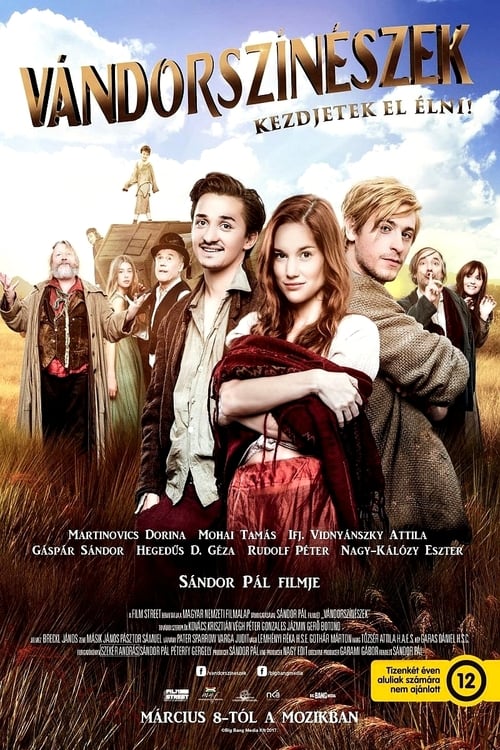
After a young soldier sides with a troupe of travelling actors in a fist fight that erupted while they are performing a play, he is forced to flee and the troupe decides to take him in.
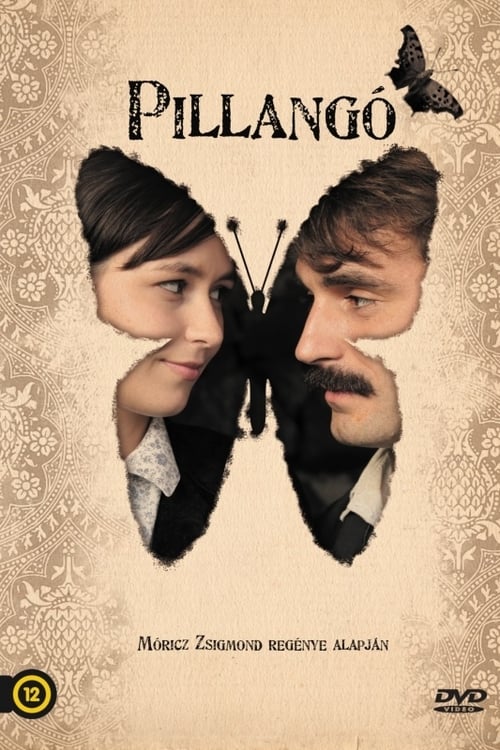
Zsigmond Móricz wrote his novel Butterfly in just a few days in 1924. Móricz tells the story of a mighty love that triumphs over adversity and is all-powerful in the language of ordinary people. The love of Zsuzsika and Jóska is presented through the "lightning and veil-soft" emotions of the director, László Vitézy's television adaptation. After The Legend of Hortobágy (Komorló) and The Sky Bird, this is the third film made by László Vitézy based on the writings of Zsigmond Móricz.
During the Seven Years War, Austrian Queen Maria Theresa sends her best general, András Hadik and his Hussars to raid Berlin and humiliate the Prussian King, Frederick the Great.
Béla, the bad guy, is released from prison and decides to get back on the right track. But the first person he encounters is his old friend, Feri Buczella, whose brother has just arrived home from America with a suitcase of dollars.
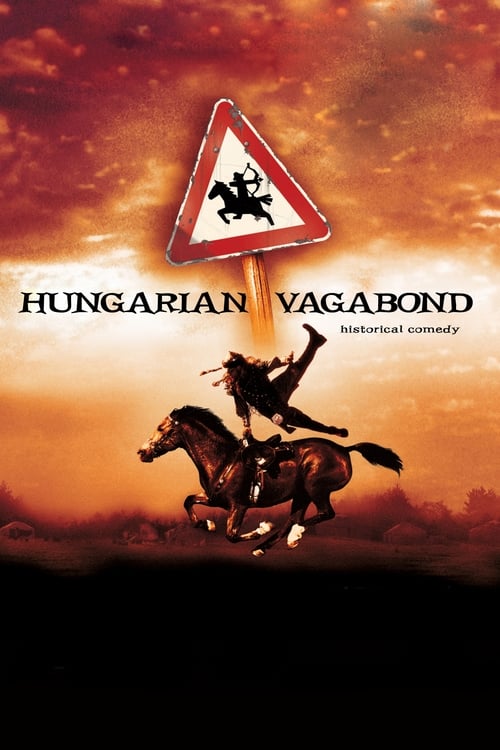
A Hungarian historical movie that tells the story of the Hungarian ancestors, the seven leaders, who are looking for their new homeland in the last years of the 9th century. Before they leave their original home in Asia, they have a farewell party. They wake up with a severe hangover after consuming large quantities of kumis. The seven leaders wake up to find that their people have disappeared.
For Kálmán, button football is a serious sport. He and his team are preparing for the European Championship. They could have a good chance of qualifying, but they are disqualified for financial reasons at the last minute. With an unexpected twist, a billionaire mistakenly transfers 100 million forints onto their account.
The main character, Béla Hackspacher, is a forklift driver. He lives in a small rented flat with his wife Irén, his two children, his mother-in-law and Rózsika, a subtenant who is about to become a dance singer. Béla learns at a community cultural programme that he has a 12 on the toto. The show stops, to great joy. The day arrives, 23 October 1956, when Béla can collect his prize.
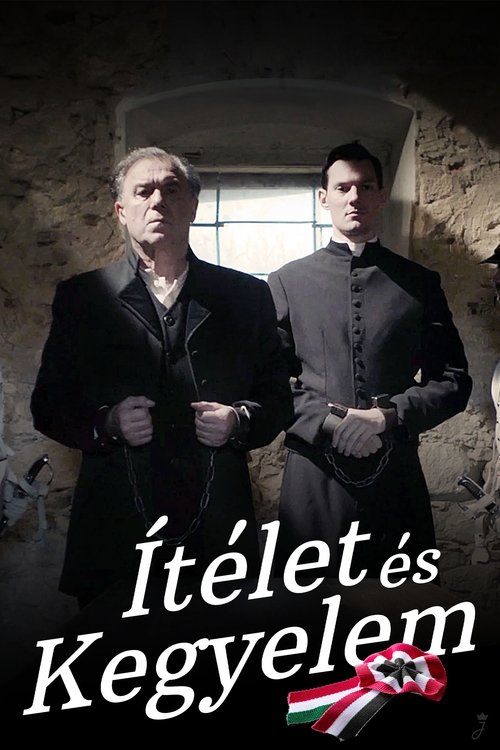
The story takes place at the time of the defeat of the Hungarian War of Independence, when Csákberény came under the terror of the imperial soldiers. Two priests from the village are arrested overnight for reading the Hungarian Declaration of Independence. Although the Austrian soldiers enjoy their power, they are unable to identify with the repression. The purpose of the trial of a military imprisonment court is to obtain a confession, to prove that a violation of sovereignty has been committed.
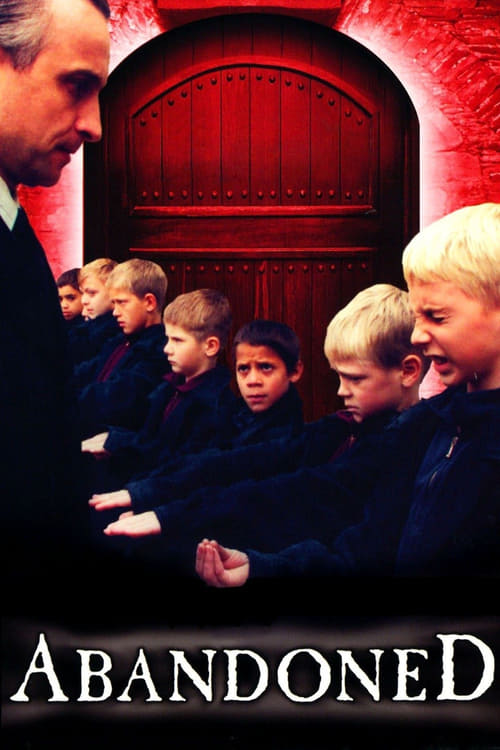
Áron is a happy child in his family. But at some point things take a different turn, and his mother starts to lose her health rapidly. As this happens, the man in charge decides what's best for Áron without consulting the young boy's opinion, and the boy finds himself thrown out of his warm home into an orphanage in the woods. He's utterly displeased by what's happening, without knowing he has yet to face much worse...
No description available.
A priceless archaeological find, the “Mother of Barcika”, is loaded onto a special train to tour Hungary, only for fate to derail it at the sleepy Ivaros station. There, the engine, a gendarme, the relic and its guards all end up stranded in a pigsty, igniting chaos: the relic is gambled away, the station master loses control, and the local mayor’s daughter finds unexpected love. In the ensuing mayhem, rivalries, romances and small-town intrigues all collide until order is somehow restored.
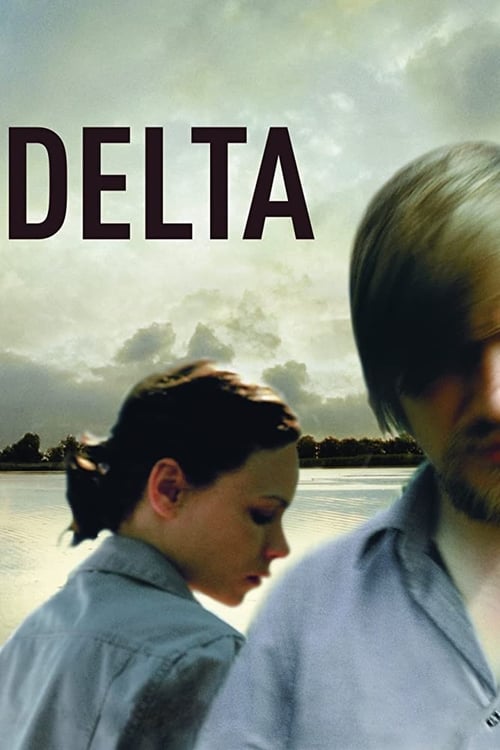
A man comes home to meet his mother and sister after many years away. He finds his mother living with a new boyfriend, and his sister to be grown-up. He begins to settle down in this new place by building a new home for himself on the delta. But when his sister moves in with him and the two begin a romance, there are tragic consequences.