Acting
No description available.
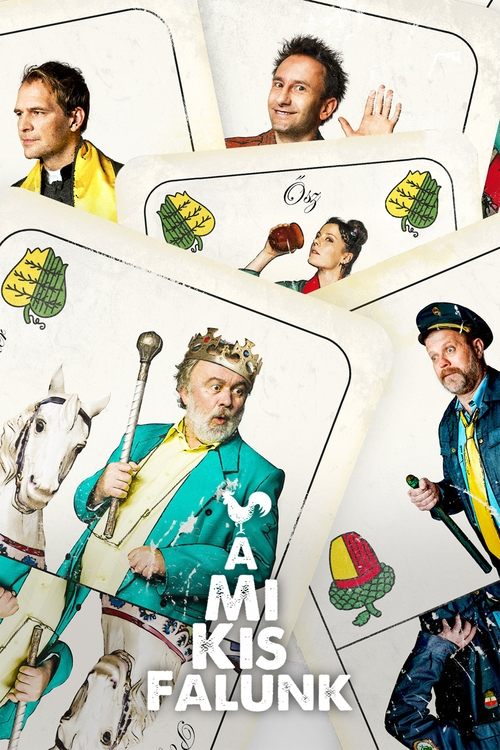
The amusing everyday life of a small, stereotypical Hungarian village focusing on a corrupt mayor, a bodybuilder priest, a hot bartender girl, a dumb police officer, and a womanizing football coach.
The film evokes the era of the 1831 cholera epidemic and the peasant uprising which followed it. The way of Doctor Balás, cholera commissioner, and district administrator Hunyor leads through the mountains of Zemplén and is lined by unburied corpses, peasants dying of the illness and of overdoses of bismuth, by the miserably starving population, the healthy digging mass-graves and by uncultivated lands.
Regina, the once popular girl has to make new friends at her new, conservative school. Problems arrive when she becomes enemies with Lívia, the school's queen bee, and falls in love with Márk, a musician. If these wouldn't be enough, she decides to organize a cheerleader team.
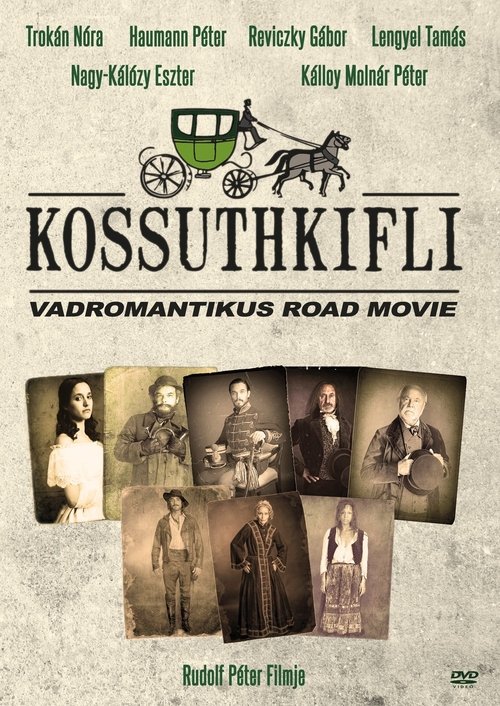
The hero of the story that takes place at the beginning of the nineteenth century and recalls real historical personages is Akli Miklós, the court jester of Emperor Ferenc.
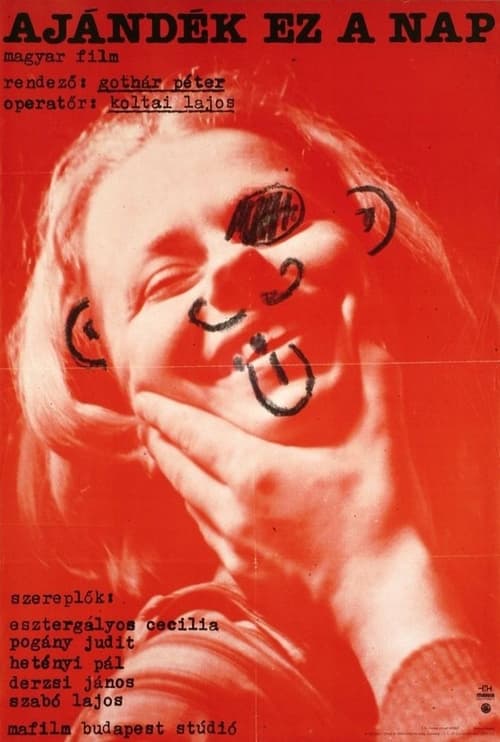
Vera is an engineer and a young divorcée. She is pretty, lonely, and has a boyfriend, Tamás, whom she is dating secretly on a certain day of the week at the week-end house of one of their friends, as Tamás has a family and does not intend to divorce his wife. Vera would like their relationship to be publicly acknowledged.
This film tells the story of a few uneventful days in the life of six pals. Lali, a great fan of America, owns a sandwich stand on the side of the road, called The Glass Tiger. Gaben pinches cars; Fox is a petty swindler; Sanyi a half-wit homeless; Coco can't shut up about getting some dough and going to America; Slimmy keeps playing the saxophone, despite the others' frayed nerves. Gaben talks Lali into buying an old Chevrolet Impala, the real American dream. After the long escapade of getting the car, Lali doesn't even get the chance to try the Chevvy out, because a truck completely demolishes it. Fox in the meantime is looking excitedly for the "Wreck", what he has been trying to sell for big money. But Lali has sold what he thought to be scrap, not good for anything. Fox is threatened by some tough guys to bring it back or pay up. He has to get money at all costs...
The movie is set in the actual "Ki Mit Tud?" talent contest in 1962. In reality the contest in dance music category was won by an army brass band. "Omega" which later became one of the most successful Hungarian rock bands came out in the second place.
Irén and Attila, a not-so-young couple, are in love. All they want is a flat of their own where they could live together. Unfortunately, Hungary in the 70s is no place for dreams.
A post mortem photographer and a little girl confront ghosts in a haunted village after the First World War.
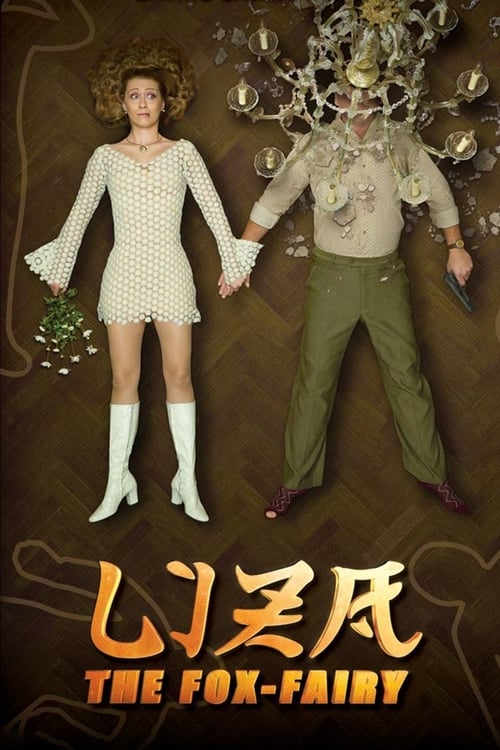
Liza is a naïve, lonely 30-year-old nurse who wants to fall in love. Her only company is a long-dead Japanese pop star, who turns her into a fox-fairy out of jealousy. Now, every man who desires Liza shall die horribly. Can she overcome the curse?
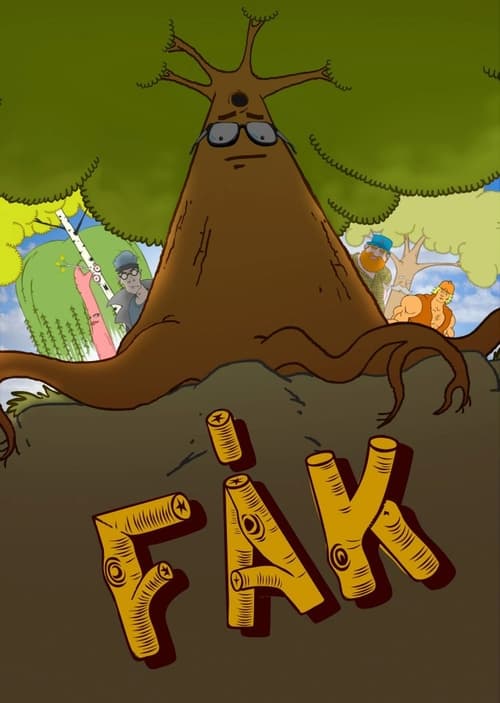
The film’s protagonist, Tree moves into the city, where he tries to adapt to his new environment. The trash-style series is about having no roots: it analyses human relationships in the midst of such living conditions that feed hopelessness and demotivation.
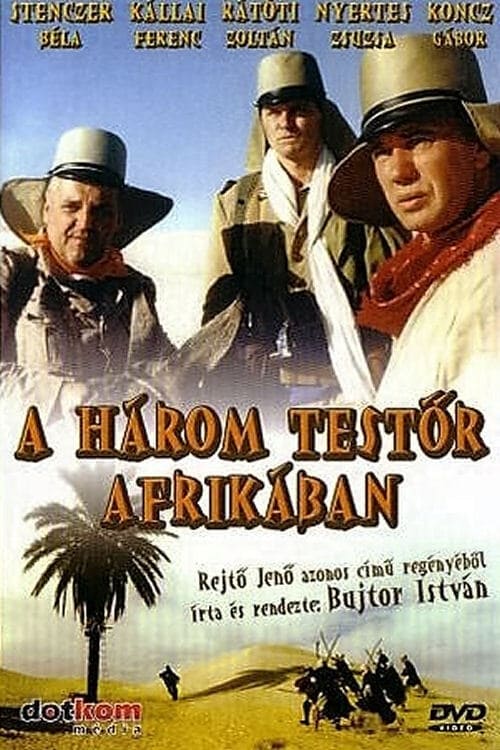
The Three Musketeers in Africa is a novel written by a Hungarian novelist Jenő Rejtő with the penname P. Howard. It tells the story of Csülök, Senki Alfonz (Alfonz Nobody) and Tuskó Hopkins, the three legionaries . They have to deliver an important letter to Marquis De Surenne and protect a young lady called Yvonne Barre through the desert and lead her to a safe place. Although these three men are outlaws , they try to do everything to help people who are in need. This is a very exciting book with the unique humor of Jenő Rejtő.
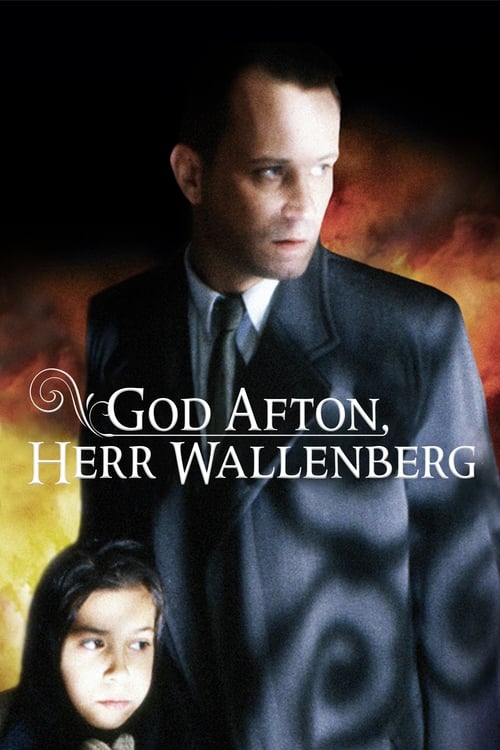
Swedish account of Raoul Wallenberg, the man responsible for the largest rescue of Jews during World War II.
During the Seven Years War, Austrian Queen Maria Theresa sends her best general, András Hadik and his Hussars to raid Berlin and humiliate the Prussian King, Frederick the Great.
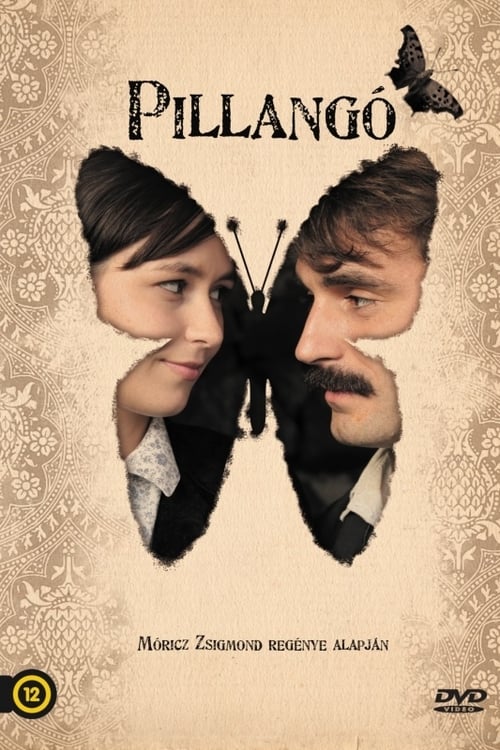
Zsigmond Móricz wrote his novel Butterfly in just a few days in 1924. Móricz tells the story of a mighty love that triumphs over adversity and is all-powerful in the language of ordinary people. The love of Zsuzsika and Jóska is presented through the "lightning and veil-soft" emotions of the director, László Vitézy's television adaptation. After The Legend of Hortobágy (Komorló) and The Sky Bird, this is the third film made by László Vitézy based on the writings of Zsigmond Móricz.