FEEL IT.STREAM
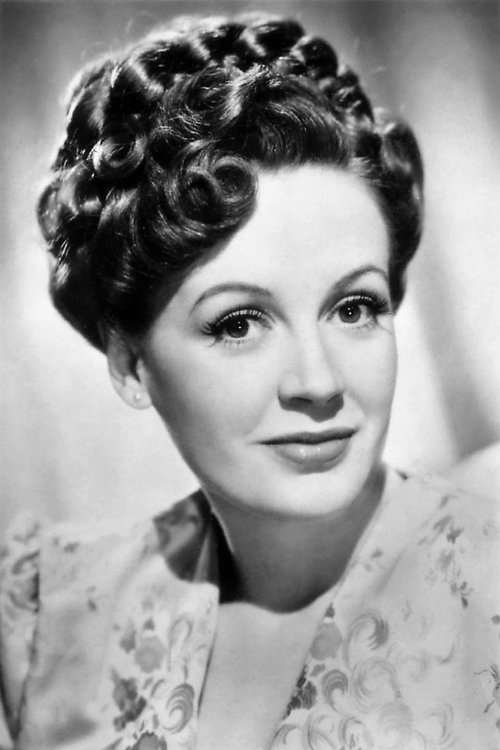
Phyllis Calvert

Phyllis Calvert

Acting

Biography

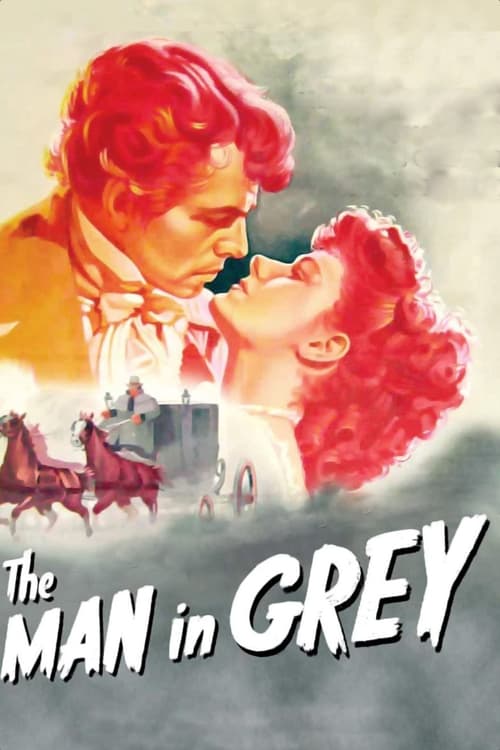
Phyllis Calvert (18 February 1915 – 8 October 2002) was an English film, stage and television actress. Born Phyllis Hannah Bickle in Chelsea, she trained at the Margaret Morris School of Dancing and performed from the age of ten, gaining her first film role at the age of 12, in The Arcadians (1927), also known as The Land of Heart's Desire. Calvert performed in repertory theatre and in several films, before making her London stage debut in A Woman's Privilege in 1939. During the following decade, she starred in many romances, including Fanny by Gaslight, with James Mason and Stewart Granger, and My Own True Love, becoming one of Britain's highest paid stars. However, three Hollywood studios failed to pay her what she asked. She first found success in the film adaptation of H. G. Wells' Kipps (1941), but it was The Man in Grey (1943) that confirmed her status. She acted in over 40 films, her later films include Oh! What a Lovely War and The Walking Stick. Calvert had already appeared on television, playing Mrs. March in the 1958 serials Little Women and Good Wives (both adapted from Louisa May Alcott's novel Little Women), as well as individual episodes of several other programmes, when, in 1970, she landed the part of an agony aunt with problems of her own in Kate. She made TV appearances in programmes such as Crown Court, Ladykillers, Tales of the Unexpected, Boon, After Henry and The Line Grove Story. She was married to the actor and antiquarian bookseller Peter Murray Hill, with whom she had two children, Ann Auriol (born 1943) and Piers Auriol (born 1954). She died in London in 2002, from natural causes, aged 87.

Known For

After Henry
6.7

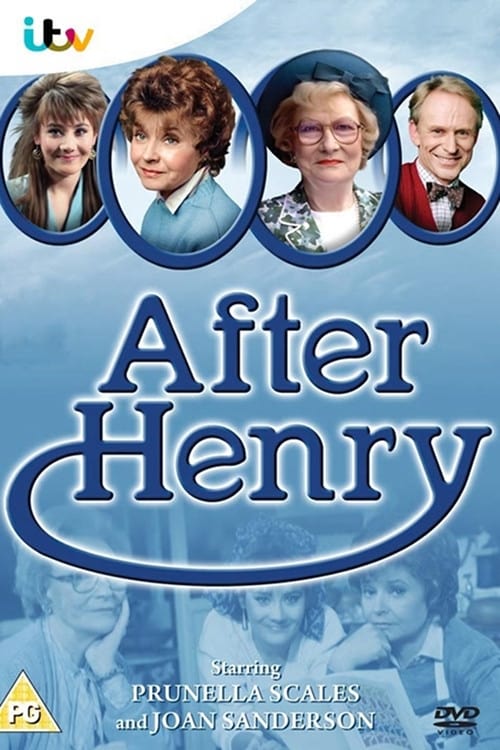
After Henry is a British sitcom written by Simon Brett, and starring Prunella Scales and Joan Sanderson. Originating as a radio programme on BBC Radio 4 from 1985 to 1989, it was adapted for television by Thames Television. Sarah is the 42-year-old widow of GP Henry France. She lives in an often volatile family situation with her elderly mother Eleanor Prescott, and her daughter, 18-year-old Clare, with both of whom she shares a house. Following Henry's death, the family have to find a way to cope with each other as best they can. The BBC was initially hesitant to produce a series but after three successful runs on BBC Radio 4, it was commissioned for the small screen. The series was surprisingly popular, attracting over 14 million viewers. Four seasons were made, with the last transmitted after the death of Sanderson, who died on 24 May 1992.

After Henry

1988Series
Victoria Wood
8.0

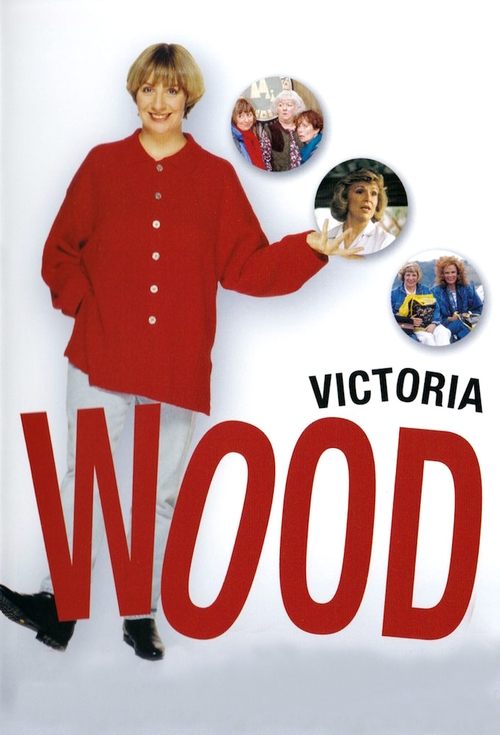
Victoria Wood was a series of six one-off situation comedies written by and starring Victoria Wood in 1989, who took a break from sketches, two years after her very successful and award winning series Victoria Wood As Seen on TV. Wood appeared as "Victoria", a fictionalised version of herself, in all six episodes - in The Library it was said that she "worked in TV" and in Over To Pam characters appeared to recognise her celebrity and in the final episode, Staying In, she was taken to a party to perform as a comedienne and was expected to go through her stand-up 'routine'. Her character often broke the 'fourth wall' of TV and spoke directly to the camera, but not in every episode. Bored with the sketch format and with a yearning to recapture previous success as a playwright, Wood came up with six individual sitcoms as a compromise. She admitted to finding the writing difficult. Though Wood was written as the central character, other lead parts were written with specific actresses in mind, like Julie Walters and Una Stubbs. "I want people to like me and the people who play my friends, and not everybody else" she said. Screenonline says of the shows "Modest in ambition and scale but rich in wit and acuity, the six playlets showcase Wood's eye for human foibles and her distinctively eccentric characters.".

Victoria Wood

1989Series