Directing
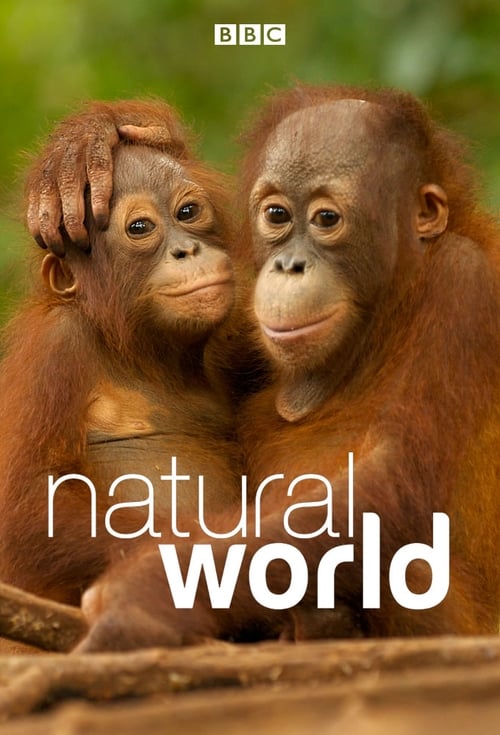
Natural World is a nature documentary television series broadcast annually on BBC Two and regarded by the BBC as its flagship natural history brand. It is currently the longest-running series in its genre on British television, with more than 400 episodes broadcast since its inception in 1983. Natural World is produced by the BBC Natural History Unit in Bristol, but individual programmes can be in-house productions, collaborative productions with other broadcasters or films made and distributed by independent production companies and purchased by the BBC. Natural World programmes are often broadcast as PBS Nature episodes in the USA. Since 2008, most Natural World programmes have been shot and broadcast in high definition.
Consistently stunning documentaries transport viewers to far-flung locations ranging from the torrid African plains to the chilly splendours of icy Antarctica. The show's primary focus is on animals and ecosystems around the world. A comic book based on the show, meant to be used an as educational tool for kids, was briefly distributed to museums and schools at no cost in the mid-2000s.
A definitive landmark series charting the emergence and re-emergence of rock music as a global force, told through the musicians who have shaped this most enduring of genres.
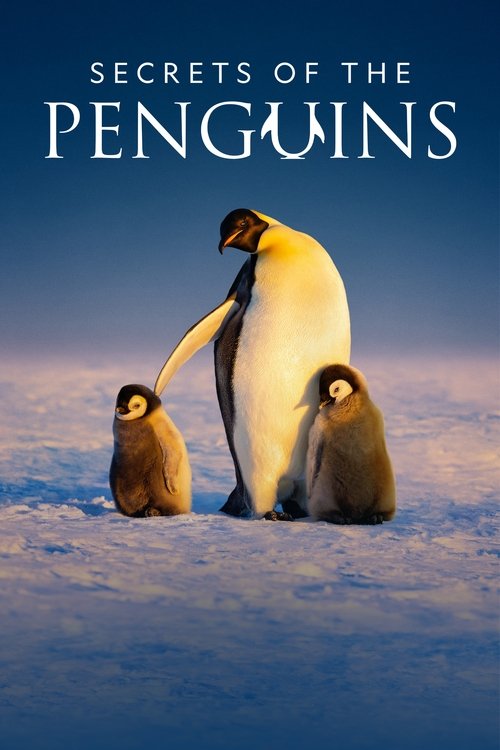
Over two extraordinary years, National Geographic Explorer Bertie Gregory discovered never-before-filmed secret traditions, surprising intelligence and close-knit societies of penguins. This astonishing series reveals they are more like us than we ever dreamed, from their powerful friendships to the courageous risk-takers using ingenuity and innovation in some of the world's most extreme places.
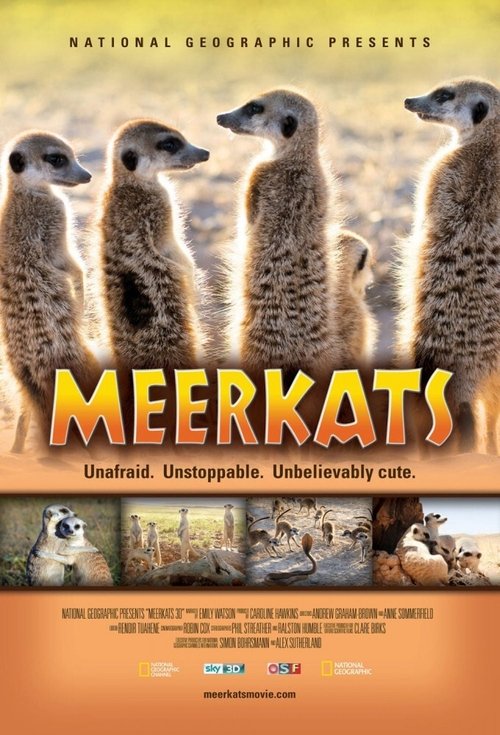
Narrated by Oscar-nominated actress Emily Watson, MEERKATS 3D takes audiences on a journey with a family of meerkats as they cope with the twists and turns of life in the Kalahari Desert. The film begins as matriarch Klinky’s most recent litter emerges from the burrow for the first time. Klinky and her family, including elder children and regular babysitters Ms. Bean and Harry, must endure turf wars from rival families, attacks from vicious predators big and small and internal family turmoil. The survival of this clan hinges on the meerkat golden rule: Stick together, and keep calling.
Ray Mears' World of Survival is a survival television series hosted by Ray Mears. The series airs on the BBC in United Kingdom, it is also shown on Discovery Channel in the United States, Canada, India, Italy, Brazil, New Zealand, Australia, Norway, Sweden, The Netherlands and Russia. The show was first broadcast in 1997 with "The Arctic", and ended in 1998. It would be followed by Extreme Survival. In World of Survival, Ray demonstrates his wilderness skills and is taught new skills in every episode, like rubbing two sticks together to make fire. The show also has a cult status. Due to its popularity, more Ray Mears shows have since been produced.
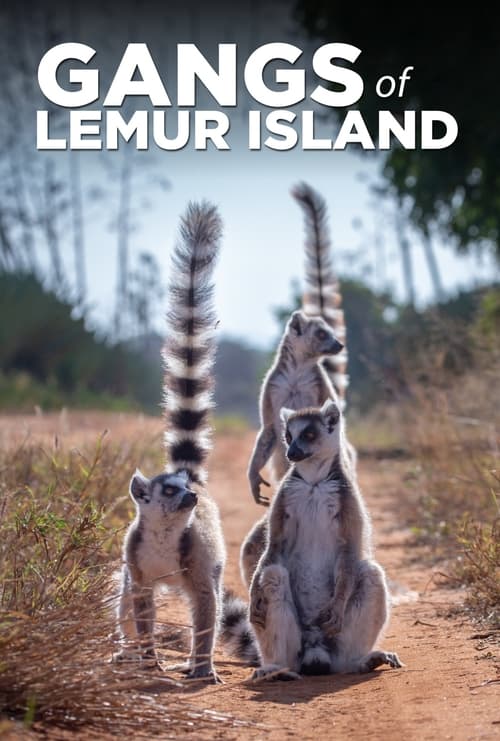
Among the forests and ruins of Madagascar's Berenty Reserve, four gangs of ring-tailed lemurs are locked in a feud over territory, resources, and power... and often the fiercest conflicts are happening within the tribes. This five-part series places you in the heart of "Lemur Island," where half of the world's wild population of lemurs share a fragment of land less than a square mile. Here, battle lines are drawn and crossed, leaders are trusted and tested, and gang members thrive or perish in the harsh extremes of this intense environment.
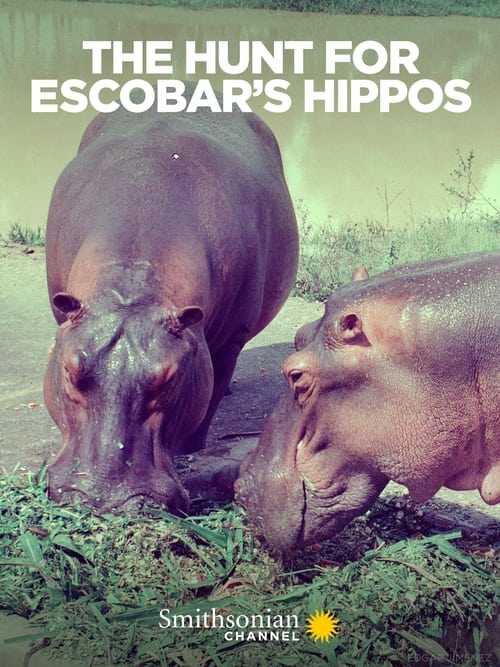
Notorious Colombian drug lord Pablo Escobar’s brutal regime ended in a hail of bullets. In Escobar’s infamous reign of terror, he smuggled four hippos into Colombia to join his growing collection of exotic animals at his $63 million estate outside Medellin. Left to fend for themselves in the wake of his death, these extremely dangerous beasts – responsible for more deaths in Africa than lions or crocodiles – broke out. Today, breeding at twice their typical rate and with no natural predators keeping them in check, more than 60 roam the Colombian wilds, wreaking havoc in villages at night and threatening the ecosystem that feeds into the Magdalena River, Colombia’s main watershed.
In the heart of the Antarctic Peninsula there's a unique British post office staffed by a dedicated team and surrounded by jaw-dropping scenery that includes 3,000 gentoo penguins. Every summer, this particular colony of penguins returns from an intensive spell of deep sea fishing to its breeding grounds alongside the post office, trekking nearly two miles across sea ice and snow to get there when the weather is especially bad. They rush to find a partner, build a nest, lay eggs and protect those eggs from predators, and then finally get down to the task of raising their young. We see their four-month drama unfold against the backdrop of their lives - primarily, the comings and goings of cruise ships, bringing enthusiastic tourists to photograph the penguins and their chicks, and to buy postcards to send to friends and family around the world - from the Penguin Post Office.