Acting
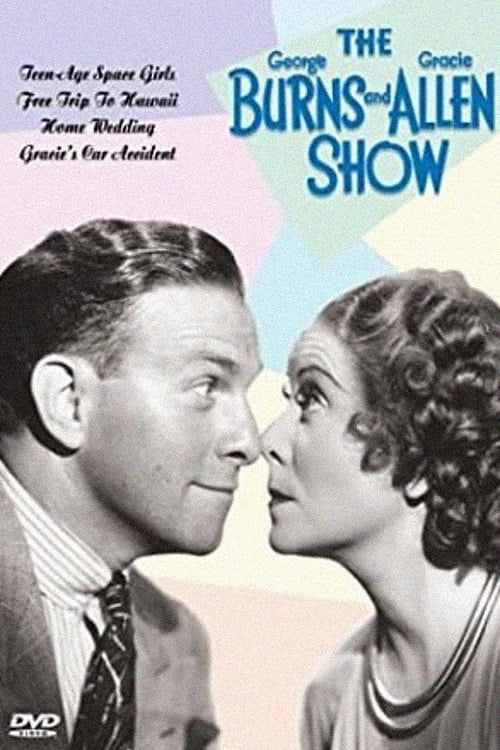
Burns and Allen, an American comedy duo consisting of George Burns and his wife, Gracie Allen, worked together as a comedy team in vaudeville, films, radio and television and achieved great success over four decades.
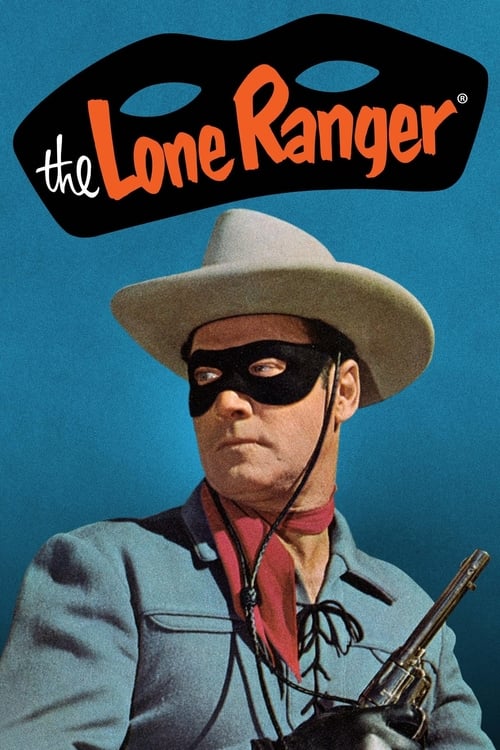
The Lone Ranger is an American western television series that ran from 1949 to 1957, starring Clayton Moore with Jay Silverheels as Tonto. The live-action series initially featured Gerald Mohr as the episode narrator. Fred Foy served as both narrator and announcer of the radio series from 1948 to its finish and became announcer of the television version when story narration was dropped there. This was by far the highest-rated television program on the ABC network in the early 1950s and its first true "hit".
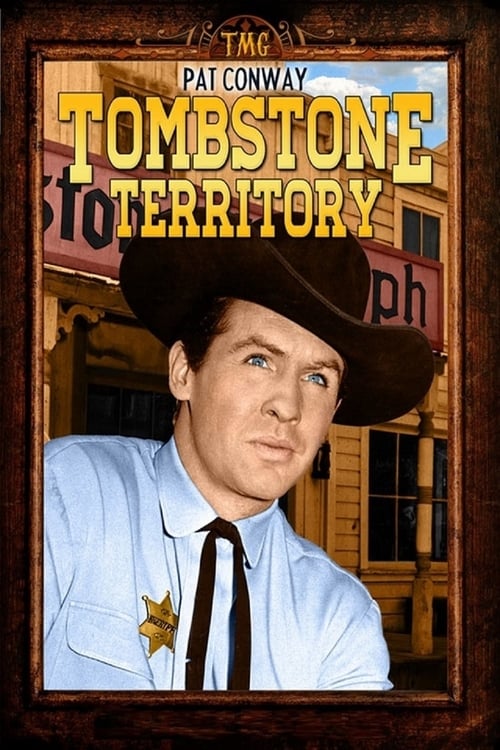
Tombstone Territory is an American Western series starring Pat Conway and Richard Eastham. The series' first two seasons aired on ABC from 1957 to 1959. The third and final season aired in syndication from 1959 until 1960.
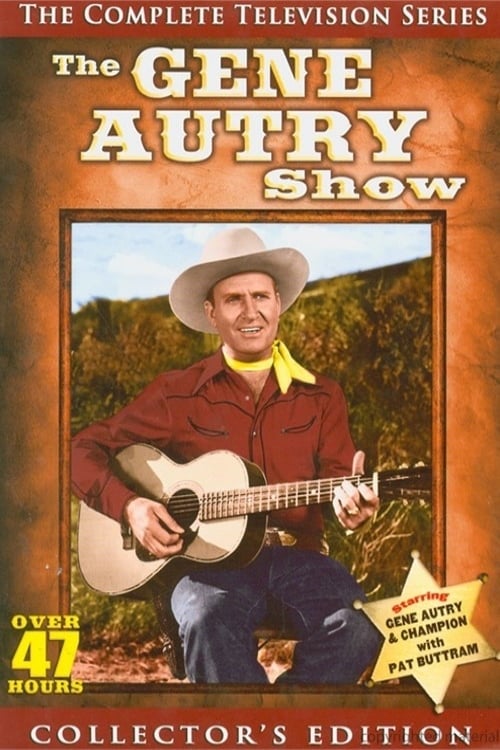
The Gene Autry Show is an American western/cowboy television series which aired for 91 episodes on CBS from July 23, 1950 until August 7, 1956, originally sponsored by Wrigley's Doublemint chewing gum.
Annie Oakley was an American Western television series that fictionalized the life of famous sharpshooter Annie Oakley. It ran from January 1954 to February 1957 in syndication, for a total of 81 black and white episodes, each 25 minutes long. ABC showed reruns on Saturday and Sunday daytime from 1959 to 1960 and from 1964 to 1965.
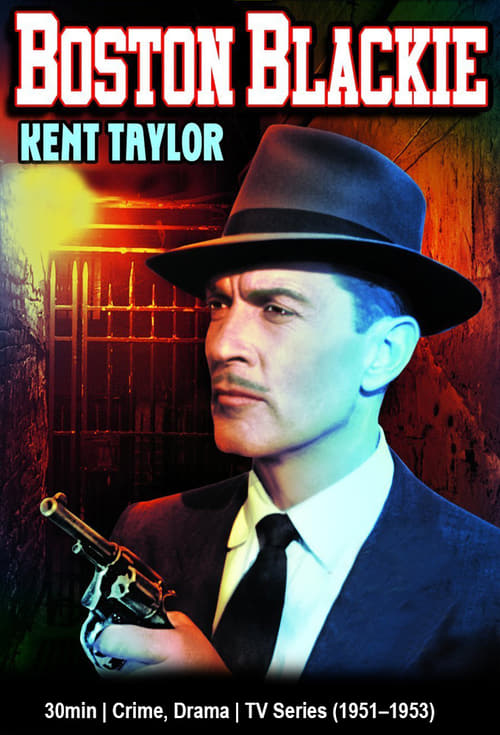
Blackie and gal pal Mary, and their dog Whitey, solve lots of Los Angeles crimes before the cops can do it.
Broken Arrow is a Western series which ran on ABC-TV in prime time from 1956 through 1958 on Tuesdays at 9 p.m. Eastern time. Repeat episodes were shown by ABC on Sunday afternoons during the 1959–60 season. Selected repeats were then shown once again in prime time during the summer of 1960.
Topper is an American fantasy sitcom based on the 1937 film of the same name. The series was broadcast on CBS from October 9, 1953 to July 15, 1955, and stars Leo G. Carroll in the title role.
Lux Video Theatre is an American anthology series that was produced from 1950 until 1959. The series presented both comedy and drama in original teleplays, as well as abridged adaptations of films and plays.
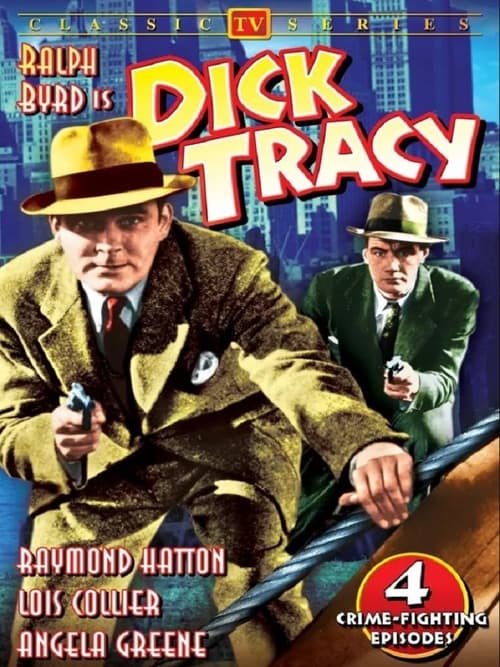
Dick Tracy is an American TV series based on the detective comic strip Dick Tracy. The show aired on ABC from September 11, 1950 to April 7, 1951.
Meet McGraw is an American dramatic television series starring Frank Lovejoy in the role of the hard-hitting detective McGraw, a man specifically given no first name in the program. Forty-one half-hour episodes aired on NBC during the 1957-1958 season, sponsored by Procter & Gamble. The series was produced by the Desilu Studios, most of whose productions were broadcast by CBS. The theme song for the series is "One For My Baby" by Harold Arlen and Johnny Mercer. Meet McGraw preceded The Bob Cummings Show on Tuesday evenings on NBC. It aired at 9:00pm ET/PT opposite John Lupton’s Western series, Broken Arrow on ABC and Bud Collyer's To Tell the Truth quiz show on CBS. After its cancellation, Meet McGraw was repeated as The Adventures of McGraw on ABC in 1958-1959, but not in prime time. A number of episodes of the series, including "Mohave" and "Lady in Limbo," are available on DVD.
Sponsored by The Protestant Film Commission, this religiously-affiliated tale centers around citizen Henry Wood (played by Oscar winner James Dunn from "A Tree Grows in Brooklyn"), who loved family and church, gave to the needy, and donated most of his money to charity. Now deceased, his somewhat neglected daughter reflects on his past and ponders that age-old question, did he indeed have such "a wonderful life"?
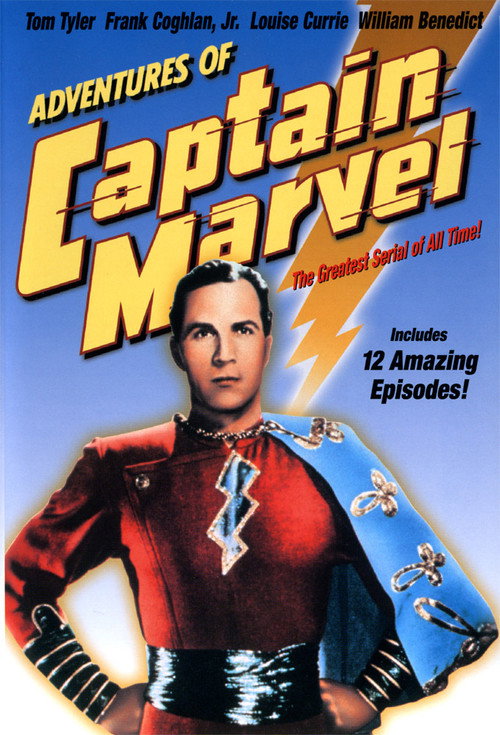
A mortal, Billy Batson, is given the power to become Captain Marvel. The Captain fights the arch villain, the Scorpion, for 12 exciting chapters, to keep him from getting the lens. The plot concerns a group of scientists and an ancient artifact with lenses that can turn any matter to gold, thus the owner could rule the world. Captain Marvel is played by former cowboy star, Tom Tyler in fine fashion. David Sharpe does the leaps and landings in realistic style. Flying scenes still look great today, with excellent special effects by the Lydecker brothers. The Scorpion is voiced by another actor, and should keep the viewer guessing until the final reel. Music by Cy Feurer, William Lava and others add more excitement to a fine serial. Whitney and English directed.
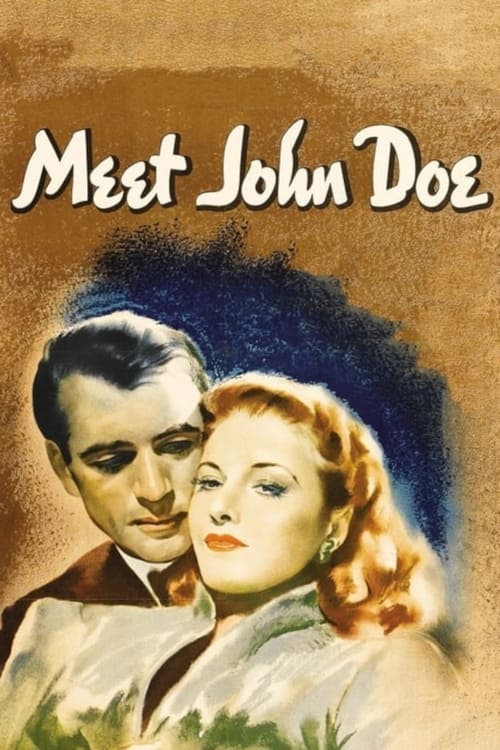
As a parting shot, fired reporter Ann Mitchell prints a fake letter from unemployed "John Doe," who threatens suicide in protest of social ills. The paper is forced to rehire Ann and hires John Willoughby to impersonate "Doe." Ann and her bosses cynically milk the story for all it's worth, until the made-up "John Doe" philosophy starts a whole political movement.
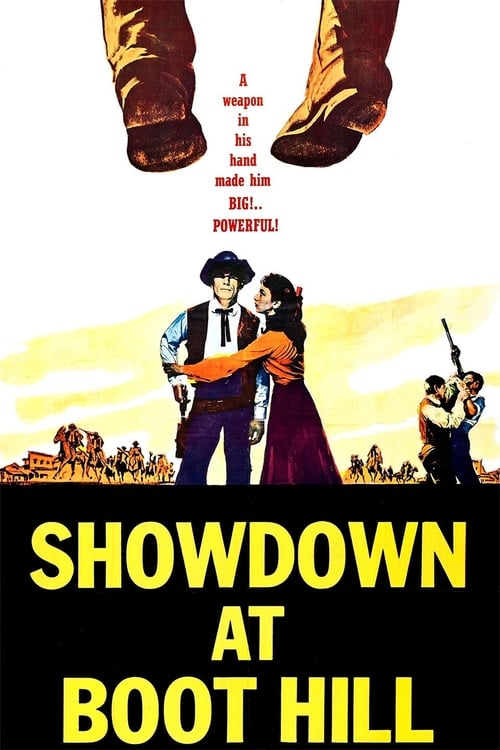
Bounty hunter Luke Welsh arrives looking for a wanted man. When that man draws on him he has to kill him. To collect his reward he needs a statement identifying him. But the man was well liked in town and no one will sign such a statement. When he outdraws another man who thought he was faster, some townsmen decide he should be killed and they organize a mob to go after him.
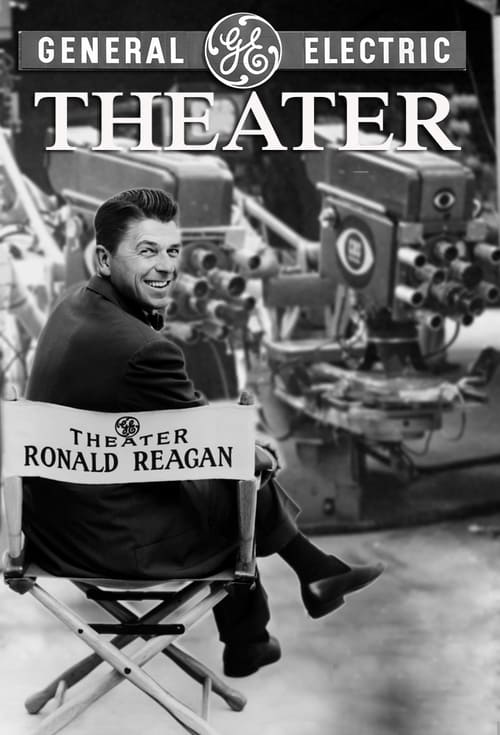
General Electric Theater is an American anthology series hosted by Ronald Reagan that was broadcast on CBS radio and television. The series was sponsored by General Electric's Department of Public Relations.
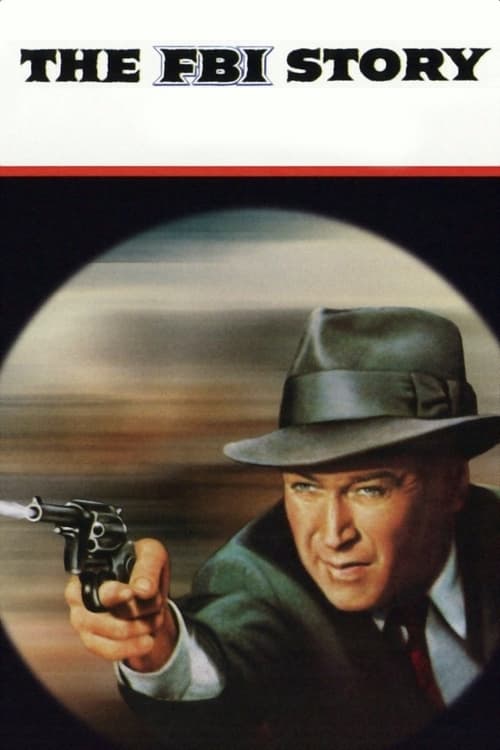
A dedicated FBI agent recalls the agency's battles against the Klan, organized crime and Communist spies.
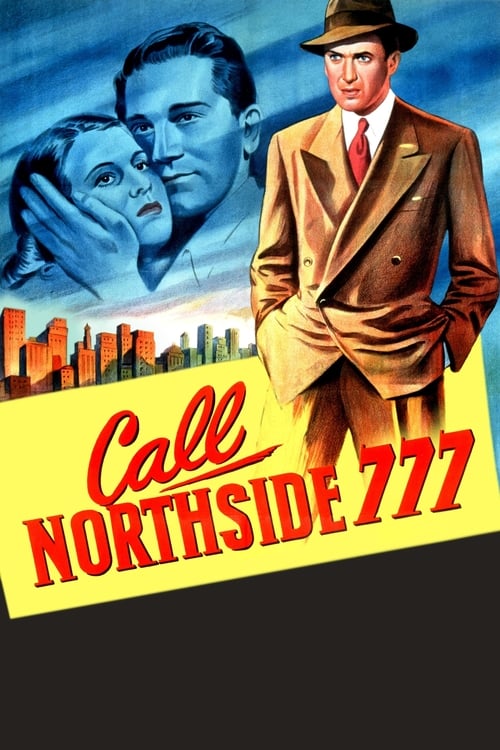
In 1932, a cop is killed and Frank Wiecek sentenced to life. Eleven years later, a newspaper ad by Frank's mother leads Chicago reporter P.J. McNeal to look into the case. For some time, McNeal continues to believe Frank guilty. But when he starts to change his mind, he meets increased resistance from authorities unwilling to be proved wrong.
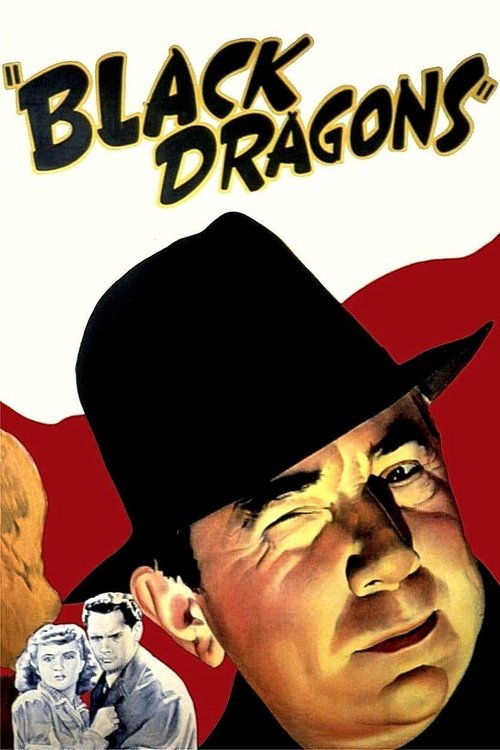
It is prior to the commencement of World War II, and Japan's fiendish Black Dragon Society is hatching an evil plot with the Nazis. They instruct a brilliant scientist, Dr. Melcher, to travel to Japan on a secret mission. There he operates on six Japanese conspirators, transforming them to resemble six American leaders. The actual leaders are murdered and replaced with their likeness.
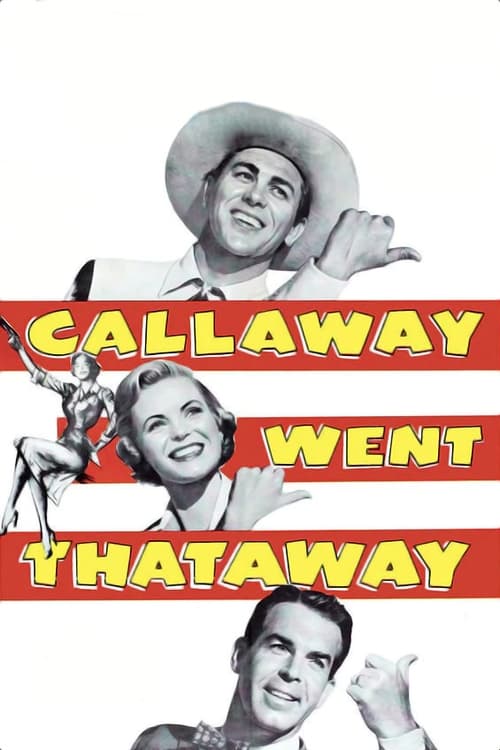
Two smart marketing people resurrect some old films starring cowboy Smoky Callaway and put them on television. The films are a big hit and the star is in demand. Unfortunately no one can find him. When a lookalike sends in a photo, the marketing team hires him to impersonate Callaway. Things get sticky when the real Callaway eventually shows up.