Acting
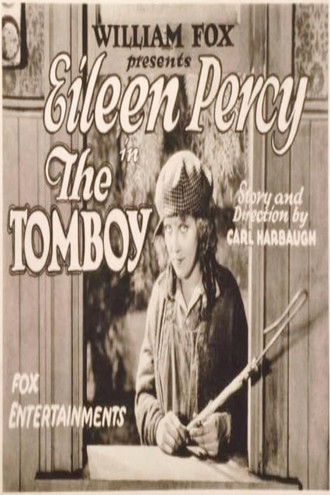
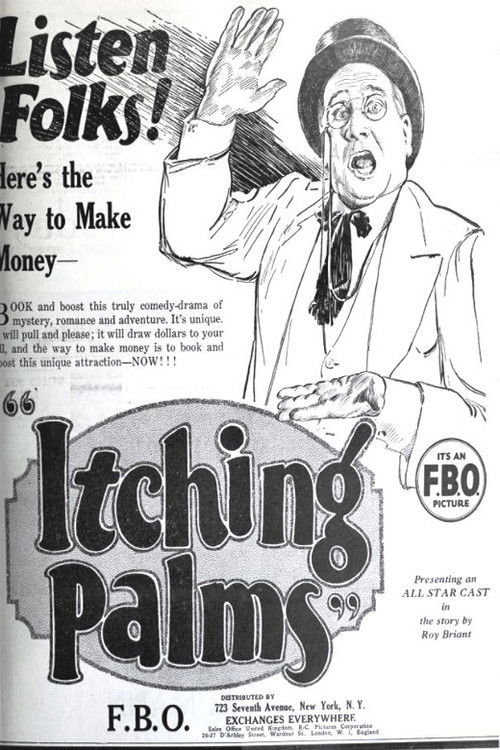
Minnie, the village tomboy, meets a handsome Stranger after playing ball one afternoon. She invites him to see a bridge model her father has designed; but finding her intoxicated father in the act of destroying the model, she swears vengeance on the local bootleggers and joins a newspaper as sportswriter so as to expose their activities. Pike, the station agent, leader of the bootleggers, spreads a scandal about Minnie when she rejects him, but through the help of the Stranger everything is cleared up.
Hotheaded Jeff De Croteau wins a horserace, shoots a poor loser who has insulted him and escapes across the state line.
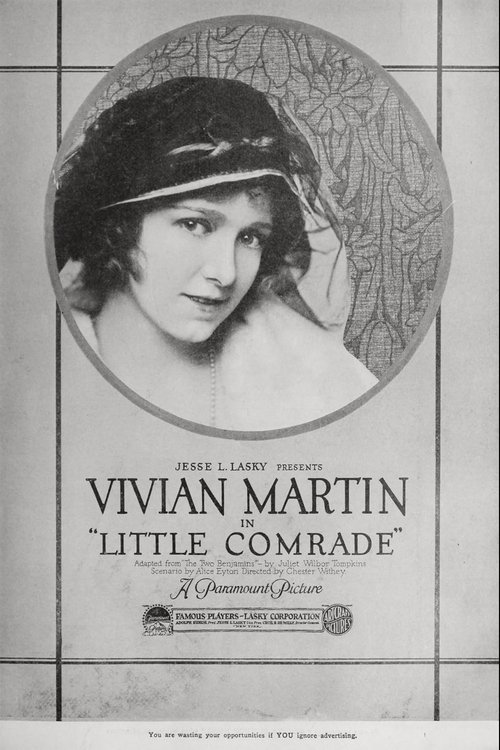
Genevieve arrives at the Hubbard farm in New York State in a chauffeur-driven limousine, bringing along her maid, her pet dog, and custom-made silk overalls modeled after Russian ballet attire. She eventually adapts to the labor and falls in love with Bob Hubbard, the farmer's youngest son. However, when Bob enters an army training camp, he finds military life distasteful and goes AWOL to return home. Genevieve successfully persuades Bob to return to his post and fulfill his duty. Though their initial secret meeting leads to Genevieve being sent away by the elder Hubbard, Bob eventually obtains a leave of absence to clear her name. He becomes a resolute soldier, and the two resolve to marry once the war is over.
Short film telling the story of diamond smuggling.
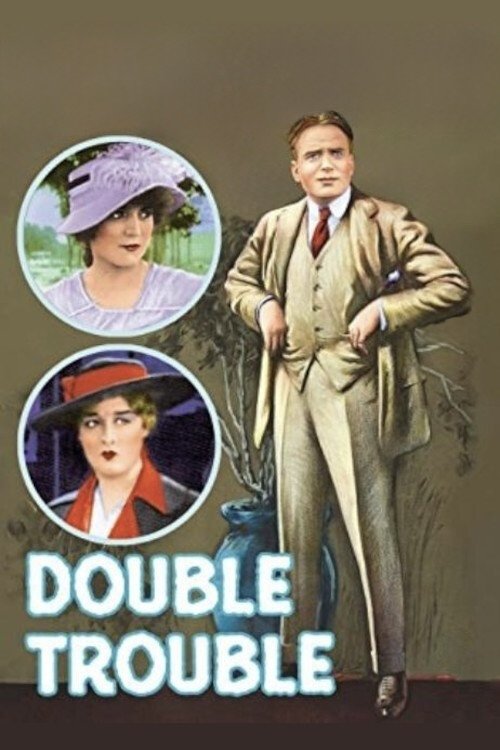
Double Trouble is a 1915 American silent romantic comedy film written and directed by Christy Cabanne and stars Douglas Fairbanks in his third motion picture. The film is based on the novel of the same name by Herbert Quick. A print of the film is held by the Cohen Media Group.
The search is on for a bank robber's hidden stash in a house they all say is haunted.
Day after day, O'Hara watched the roses wither on his daughter Cathleen's cheeks, and his longing to free her from the work and danger of her job intensified when, in the suddenness of fate, an accident on his machine nearly took her away entirely.
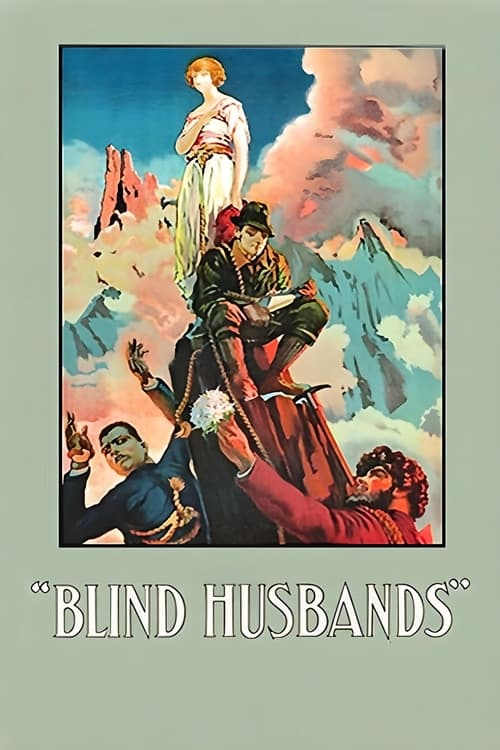
An Austrian military officer and rogue attempts to seduce the wife of a surgeon. The two men confront each other in a test of abilities that ends surprisingly.
Dorothy, the girl who presides over the notion counter of the Emporium, the general store in a country town, is the sole support of her aged grandparents, with whom she lives. Her sweetheart, Bob, is the boy-of-all-work in the same store. To the Emporium comes a flashy drummer from the city to sell the merchant a bill of goods.
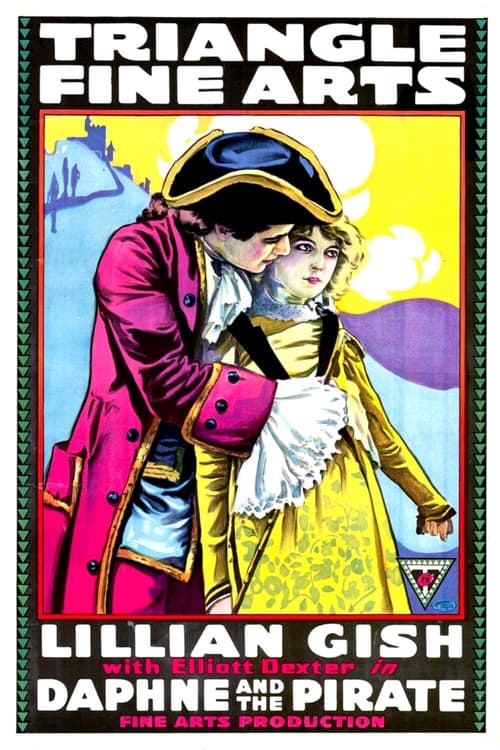
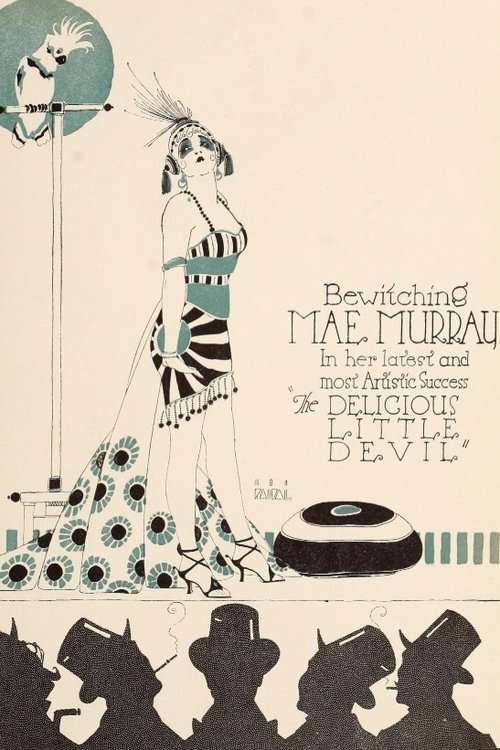
Philip de Mornay, a courtier in the French royal court of the 18th century, falls in love with Daphne La Tour, the daughter of a nobleman. Knowing that her family would never approve of their marriage, he takes her and hides her in a brothel, but is soon captured by pirates. Soldiers looking for women to bring with them to a settlement across the ocean in Louisiana raid the brothel and take the girls, including Daphne. Later on the trip to the new world their ship is attacked by pirates--and she discovers that her lover Philip is on board the pirate ship.
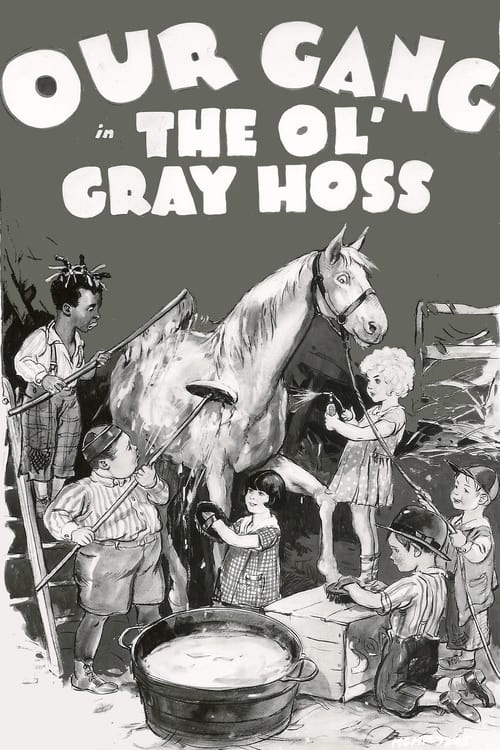
This story revolves around an old man who feels alone in the world aside from the gang who keeps him company and his old horse. He runs a horse and buggy business, but he has new competition: an auto taxi. The gang helps him to maintain his job by sabotaging the other man's.
A sweet-natured young Irish woman is courted by a romantic poet and a local country gentleman. Which man will she choose?
After immigrating to America, a handful of European nobles find themselves living and working as common laborers. They join together one night a week to maintain the Continental style they once were accustomed to.
Mary Lawton bids farewell to her father, Mark Lawton, and his business partner, John Adams, to whom she is engaged, leaving Arizona to study art in New York. After a time, John visits Mary unexpectedly and discovers to his sorrow that she has forgotten him in the convivial whirl of her new life.
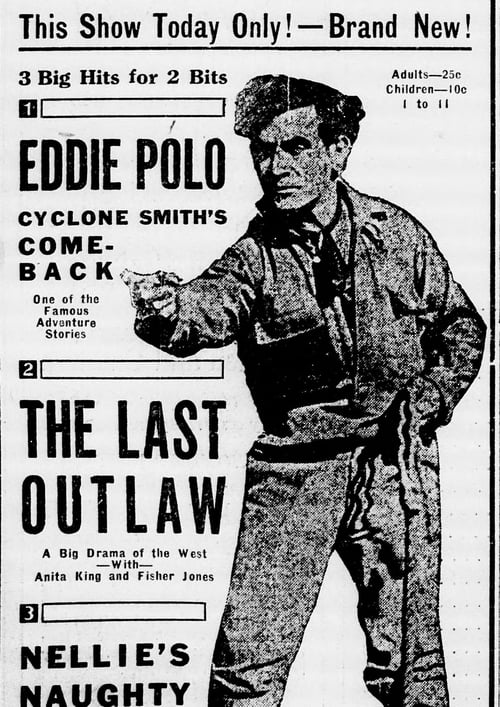
The Last Outlaw (1919) proved very tantalizing. An end-of-the-West Western, it shows its grizzled hero revisiting the town of his youthful exploits. But now, in an anticipation of Ride the High Country (1962), civilization has taken over. Cars chase Bud off the streets and the theatre features movies (Universal Bluebirds at that, a bit of product placement). Ford heightens the contrast by letting us into the hero’s memory, introduced by the title: “Memories of the past flashing back to him”—the earliest reference to the term “flashback” I recall seeing in the movies.
A poor hat-check girl loses her job and is forced to get a job as a dancer at a roadhouse. There she falls in love with the son of a rich businessman. The boy's father, believing her to be after the family's money, determines to embarrass her and show his son what she really is.
Jim McRae and his pal, Clancy, two crooks, perform many robberies and divide the loot equally. Clancy wants to marry McRae's daughter, Mary. She does not want to marry him, but is forced to do so by her father. After the marriage, Clancy and McRae have a quarrel over the division of some loot. Clancy refuses to give McRae his share.
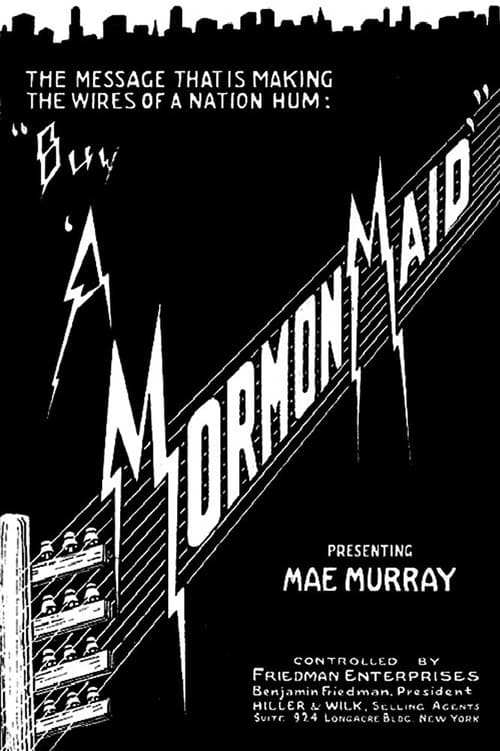
This silent melodrama is set against the 1840s westward migration of the Mormons. Dora, a young woman, and her family are saved from an Indian attack by a Mormon community traveling to Utah. They join the wagon train. Dora is pursued by two men, one a recent convert, the other a scheming elder with a stable of wives. The Mormon elder wants her in his harem. When the mother kills herself from revulsion toward polygamy, the daughter must consider her own future and the man she loves. One of Mae Murray's few surviving films, this was intended by Robert Leonard to be a thoughtful drama about the goods and evils of Mormonism, but today it is generally considered pure anti-Mormon propaganda.
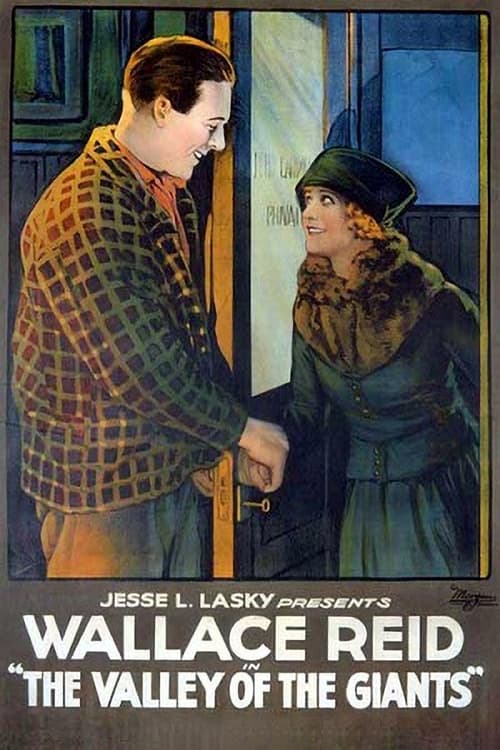
Rival logging companies battle for the Valley of the Giants (redwood trees) when a young engineer returns home to help his father by building a new rail line to transport the logs to the sawmill. A romance between the engineer and the rival's niece complicates the situations.
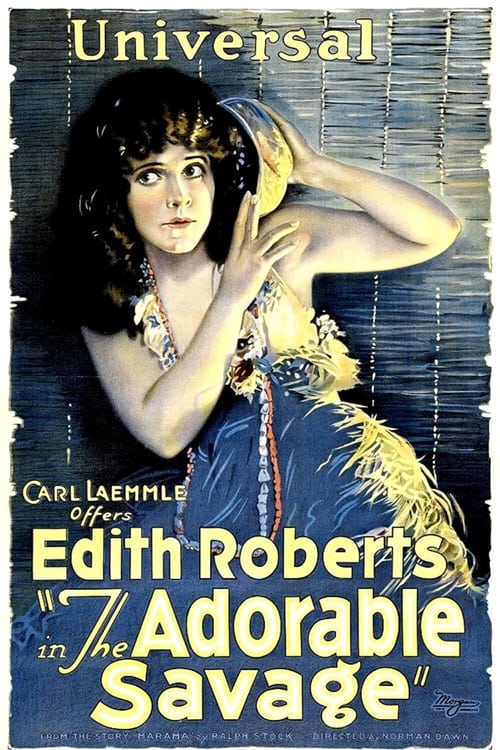
Marama Thurston leaves her fashionable boarding school in America when her ailing father Jim Thurston, a plantation owner on Fiji, begs her to protect the rubber crop from his thieving son-in-law. Upon arriving on the island, Marama learns that she is a half-caste. Traumatized, she assumes native customs and agrees to marry Ratu Madri, the island's ruler. Templeton, an American fugitive living on Fiji, falls in love with her, but Marama rejects him, having pledged herself already to the Fiji chief. As Marama dances the prenuptial rite, Templeton attempts to rescue her. The natives seize the American, and Marama threatens suicide if they harm him. The couple escape during a hurricane, and soon after a yacht arrives with the news that Templeton has been exonerated of murder charges. Their problems thus resolved, they return to America to wed. A lost film.