FEEL IT.STREAM
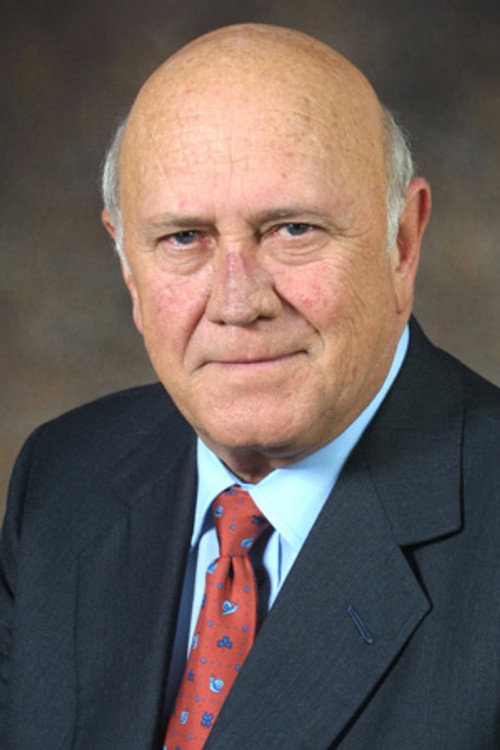
F.W. de Klerk

F.W. de Klerk

Acting

Biography

From Wikipedia, the free encyclopedia. Frederik Willem de Klerk (born 18 March 1936), often known as F. W. de Klerk, was the seventh and last State President of apartheid-era South Africa, serving from September 1989 to May 1994. de Klerk was also leader of the National Party (which later became the New National Party) from February 1989 to September 1997. de Klerk is best known for engineering the end of apartheid, South Africa's racial segregation policy, and supporting the transformation of South Africa into a multi-racial democracy by entering into the negotiations that resulted in all citizens, including the country's black majority, having equal voting and other rights. He won Félix Houphouët-Boigny Peace Prize in 1991, Prince of Asturias Awards in 1992 and the Nobel Peace Prize in 1993 along with Nelson Mandela for his role in the ending of apartheid. He was one of the Deputy Presidents of South Africa during the presidency of Nelson Mandela until 1996, the last white person to hold the position to date. In 1997, he retired from politics. Description above from the Wikipedia article F. W. de Klerk, licensed under CC-BY-SA, full list of contributors on Wikipedia.

Known For

Panorama
6.3

Current affairs programme, featuring interviews and investigative reports on a wide variety of subjects.

Panorama

1953
Amandla! A Revolution in Four-Part Harmony
6.5

The struggle to eradicate apartheid in South Africa has been chronicled over time, but no one has addressed the vital role music plays in this challenge. This documentary by Lee Hirsch recounts a fascinating and little-known part of South Africa's political history through archival footage, interviews and, of course, several mesmerizing musical performances.

Amandla! A Revolution in Four-Part Harmony

2002
No image
8.5

MIRACLE RISING: SOUTH AFRICA is the epic legacy of South Africa's political transformation that culminated in the first free and fair elections in April 1994. Recounted through the personal accounts of key figures, both local and international, the documentary examines how South Africa avoided a civil war and moved towards, as Archbishop Desmond Tutu coined the phrase, "a rainbow nation." From the evil legacy of apartheid to the triumphant first democratic elections, Miracle Rising: South Africa moves beyond mere chronology and delves into the hearts and minds of the leaders and people of South Africa, culminating in the thrilling behind-the-scenes events of the elections that resulted in the joyful inauguration of President Nelson Mandela. Told through simple, intimate portraits of key players, it weaves a grand story of a nation into an intimate history of men and women determined to change the country for the best of all who live there.

Miracle Rising: South Africa

2013
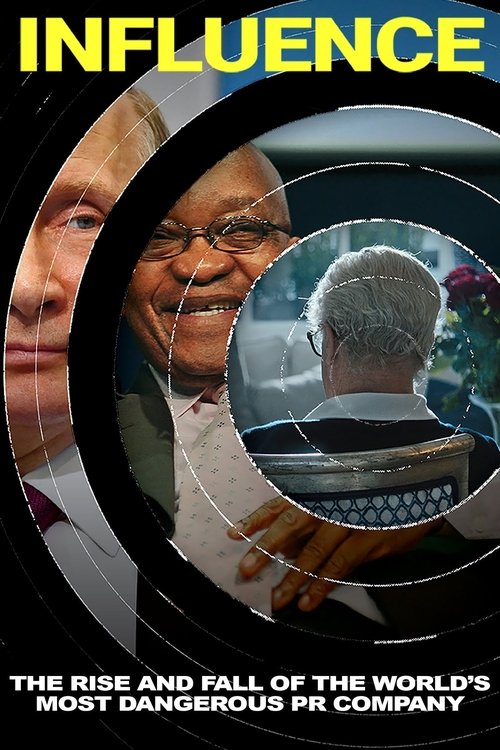
Influence
7.0

Charting the recent advancements in weaponized communication by investigating the rise and fall of the world’s most notorious public relations and reputation management firm: the British multinational Bell Pottinger.

Influence

2020
Mandela
6.3

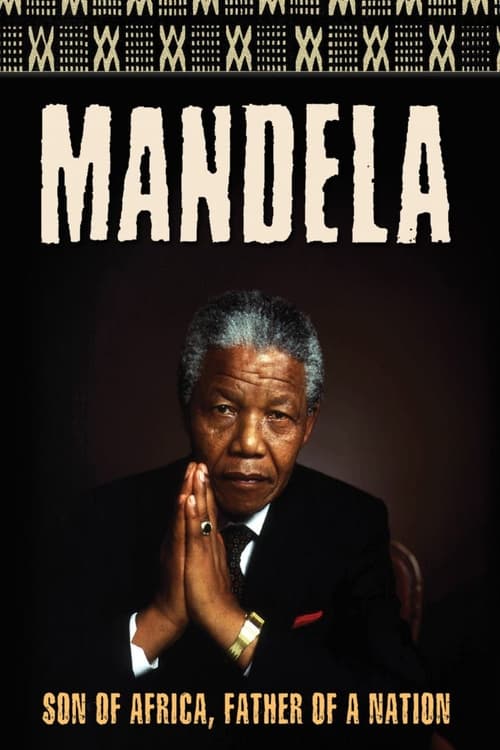
A documentary that chronicles the life of South African leader Nelson Mandela. Mandela is probably best known for his 27 years of imprisonment, and for bringing an end to apartheid. But this film also sheds light on the little-known early period of Mandela's life.

Mandela

1996
Countdown to Zero
6.4

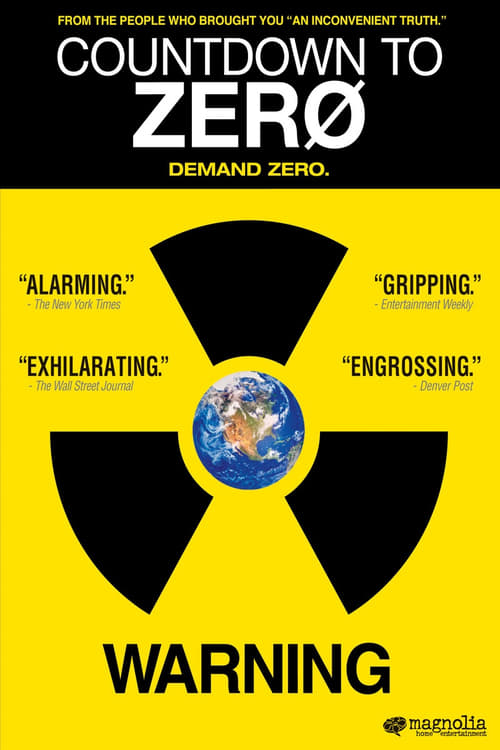
Although the Cold War is behind us, the threat of nuclear disaster remains very real. Director Lucy Walker discusses the invention of the atomic bomb and brings the story into the present day, examining the possibility of nuclear calamity under the categories of "Madness," "Accident" and "Miscalculation." With narration by Gary Oldman, the film includes a hypothetical sequence of a nuclear explosion in New York City's Times Square, timed to coincide with the New Year's Eve countdown.

Countdown to Zero

2010
Death of Apartheid
8.0

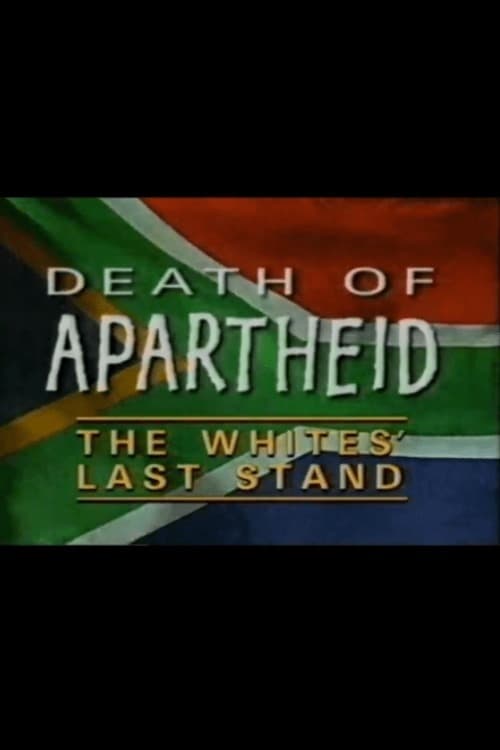
The secret history of the negotiations that led to Mandela's release from prison, the ANC becoming the government of South Africa, and the end of apartheid.

Death of Apartheid

1995
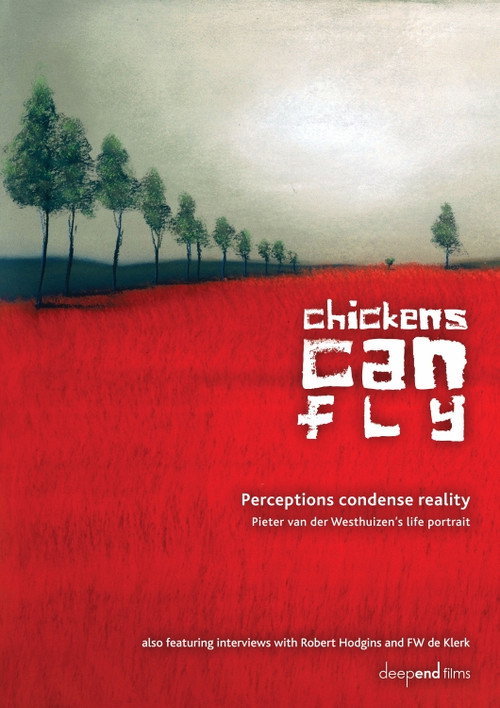
Chickens can Fly
N/A

Pieter discovered at a very young age that “the world he found himself in was not a comfortable one”. At around the age of four he decided that this life was not for him so he began creating another world for himself – in pictures. This documentary follows the life path of Pieter van der Westhuizen. It displays his great talent and his extraordinary adaption to a life that was not without challenges - his fascination with Israel, his failed marriages and the influence that his life tragedies had on creating the world that he chose to escape to through his art.

Chickens can Fly

2010