Bob Steele
Acting
Biography
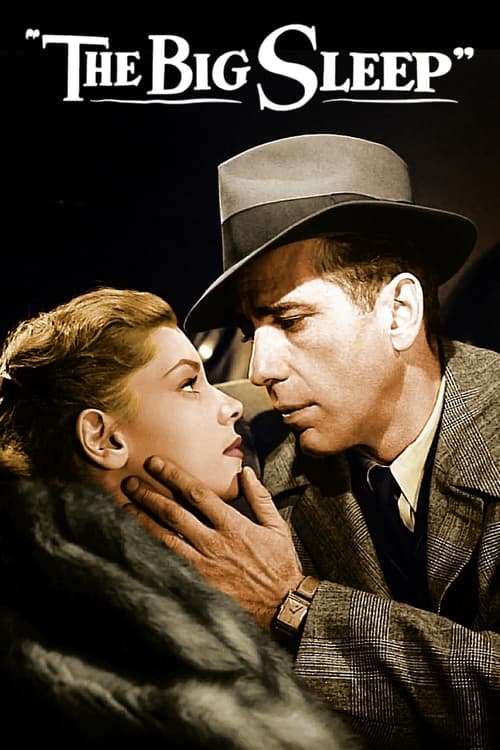
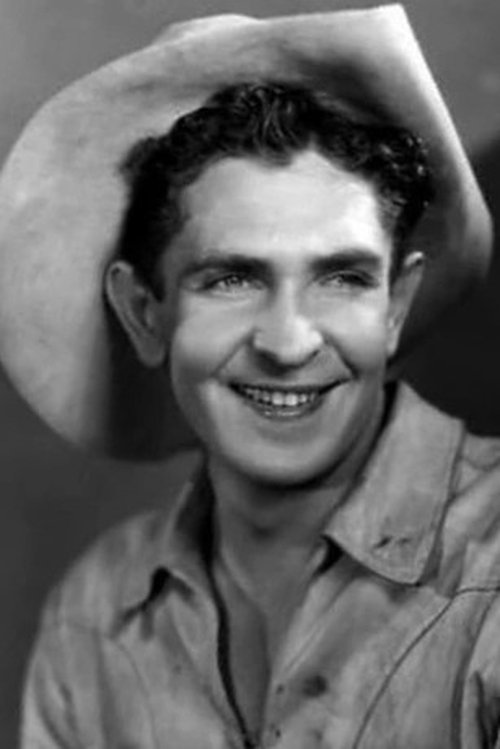
From Wikipedia, the free encyclopedia. Bob Steele (January 23, 1907 - December 21, 1988) was an American actor. He was born Robert Adrian Bradbury in Portland, Oregon, into a vaudeville family. After years of touring, the family settled down in Hollywood in the late 1910s, where his father, Robert N. Bradbury, soon found work in the movies, first as an actor, later as a director, and by 1920, he hired Bob and his twin brother Bill (1907–1971) as juvenile leads for a series of adventure movies entitled "The Adventures of Bob and Bill". Bob's career began to take off for good in 1927, when he was hired by production company Film Booking Offices of America (FBO) to star in a series of Westerns. Bob—who was rechristened Bob Steele at FBO—soon made a name for himself, and in the late 1920s, 1930s and 1940s starred in B-Westerns for almost every minor film studio, including Monogram, Supreme, Tiffany, Syndicate, Republic (including several films of the Three Mesquiteers series) and Producers Releasing Corporation (PRC) (including the initial films of their "Billy the Kid" series), plus he had the occasional role in an A-movie, as in the adaptation of John Steinbeck's novel, Of Mice and Men from 1939. In the 1940s, Bob's career as a cowboy hero was on the decline, but he kept himself working by accepting supporting roles in many big movies like Howard Hawks' The Big Sleep, or the John Wayne vehicles Island in the Sky, Rio Bravo and Rio Lobo. Besides these he also made occasional appearances in science fiction films like Atomic Submarine and Giant from the Unknown and did lots of television work, culminating in a regular supporting role in the army comedy F Troop (1965–1967), which allowed him to show his comic talent. Steele played the character of Trooper Duffy who claimed to have been "shoulder to shoulder with Davy Crockett at the Alamo"-in fact Steele played in With Davy Crockett at the Fall of the Alamo in 1926. Bob Steele died on December 21, 1988 from emphysema after a long sickness. Bob Steele is said to have been the inspiration for the character "Cowboy Bob" in the Dennis The Menace comic strip. Description above from the Wikipedia article Bob Steele (actor), licensed under CC-BY-SA, full list of contributors on Wikipedia.
Known For

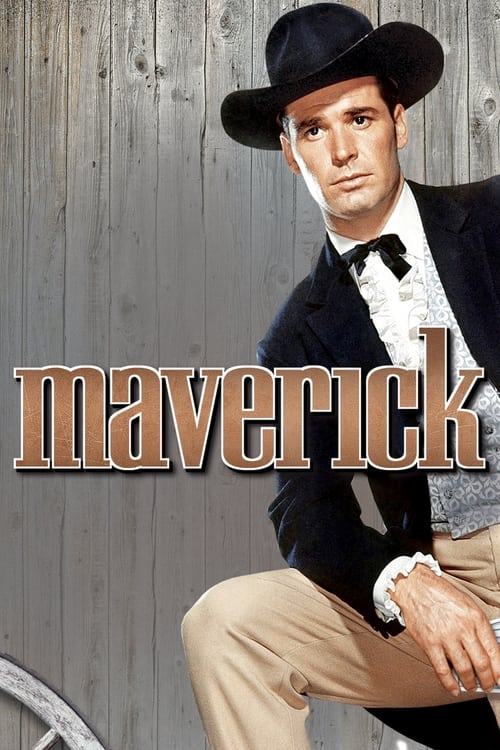
The Maverick boys - Bret, Bart, Beau and Brent - are a clan of well-dressed dandies, gamblers who'd much rather make their money playing cards than messing up their fine clothing with actual work. Sly and clever, none of the Mavericks are much for acts of derring do, but they can be courageous when the situation calls for it. Most often, however, they live by their wits and considerable charm.
Maverick

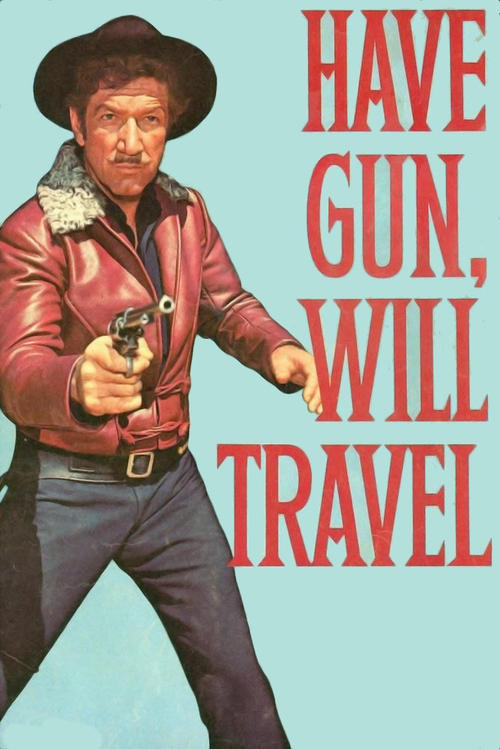
Have Gun – Will Travel is an American Western television series that aired on CBS from 1957 through 1963. It was rated number three or number four in the Nielsen ratings every year of its first four seasons. It was one of the few television shows to spawn a successful radio version. The radio series debuted November 23, 1958. The television show is presently shown on the Encore-Western channel. Have Gun – Will Travel was created by Sam Rolfe and Herb Meadow and produced by Frank Pierson, Don Ingalls, Robert Sparks, and Julian Claman. There were 225 episodes of the TV series, 24 written by Gene Roddenberry. Other contributors included Bruce Geller, Harry Julian Fink, Don Brinkley and Irving Wallace. Andrew McLaglen directed 101 episodes and 19 were directed by series star Richard Boone.
Have Gun, Will Travel

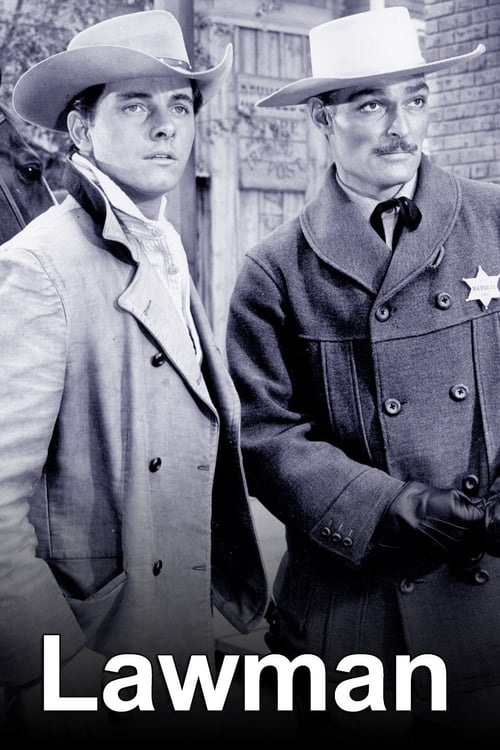
Lawman is an American western television series originally telecast on ABC from 1958 to 1962 starring John Russell as Marshal Dan Troop and featuring Peter Brown as Deputy Marshal Johnny McKay. The series was set in Laramie, Wyoming during 1879 and the 1880s. Warner Bros. already had several western series on the air at the time, having launched Cheyenne with Clint Walker as early as 1955. The studio continued the trend in 1957 with the additions of Maverick with James Garner and Jack Kelly, Colt .45 with Wayde Preston, and Sugarfoot with Will Hutchins. One year later, Warner Bros. added Lawman and Bronco with Ty Hardin. Prior to the beginning of production, Russell and Brown and producer Jules Schermer made a pact to maintain the quality of the series so that it would not be seen as "just another western." At the start of season two, Russell and Brown were joined by Peggie Castle as Lily Merrill, the owner of the Birdcage Saloon, and a love interest for Dan.
Lawman

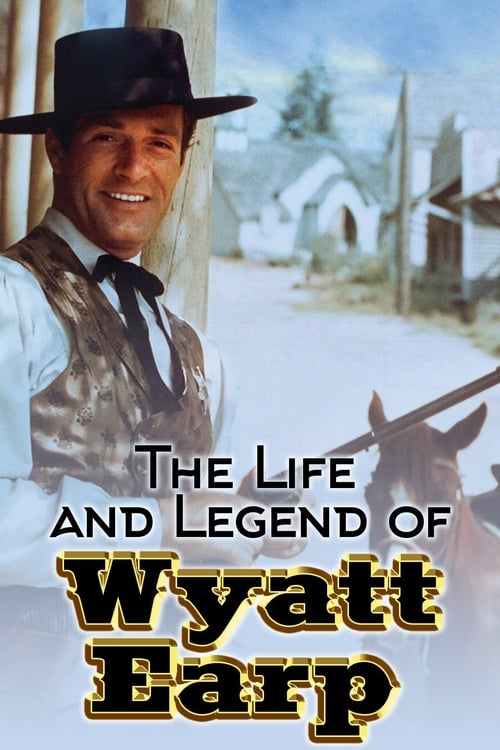
The Life and Legend of Wyatt Earp is a television western series loosely based on the life of frontier marshal Wyatt Earp. The half-hour black-and-white program aired for 229 episodes on ABC from 1955 to 1961 and featured Hugh O'Brian in the title role.
The Life and Legend of Wyatt Earp

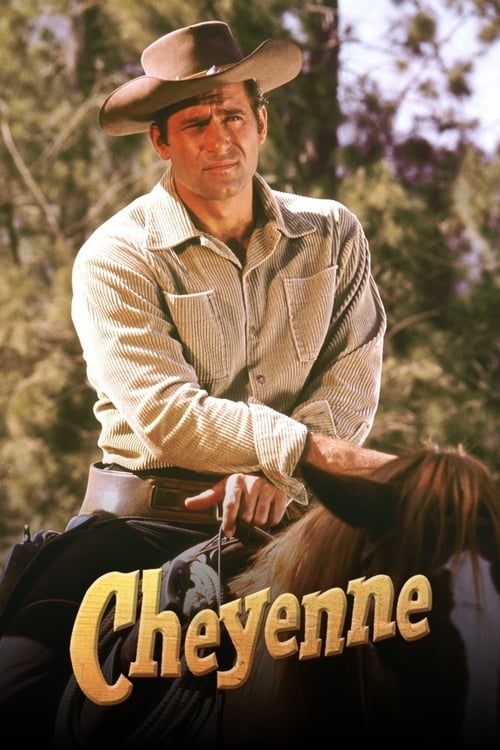
Cheyenne Bodie was a big man, a former army scout who went west after the American Civil War and drifted from job to job, here a cowboy, there a lawman, and always a larger-than-life hero. CHEYENNE is an American western television series of 108 black-and-white episodes broadcast on ABC from 1955 to 1963. The show was the first hour-long western, and in fact the first hour-long dramatic series of any kind, with continuing characters, to last more than one season. It was also the first series to be made by a major Hollywood film studio which did not derive from its established film properties, and the first of a long chain of Warner Brothers original series produced by William T. Orr.
Cheyenne

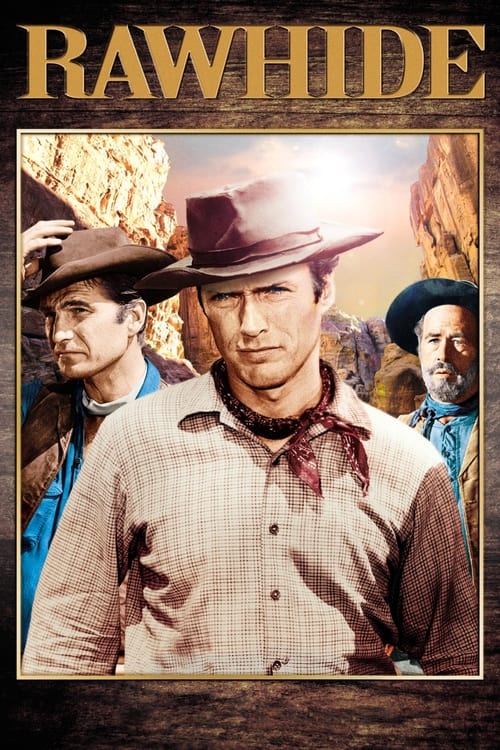
The tale of trail boss Gil Favor and his trusty foreman Rowdy Yates as they drives cattle across the old west. Along the way they meet up with adventure and drama.
Rawhide

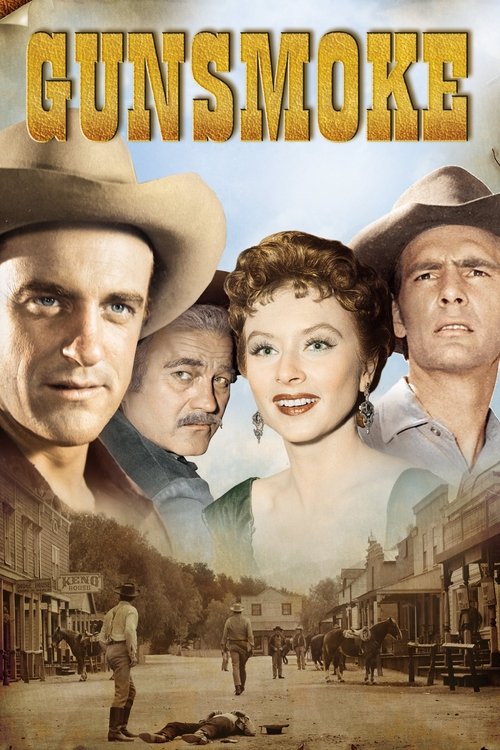
Gunsmoke is an American radio and television Western drama series created by director Norman MacDonnell and writer John Meston. The stories take place in and around Dodge City, Kansas, during the settlement of the American West. The central character is lawman Marshal Matt Dillon, played by William Conrad on radio and James Arness on television.
Gunsmoke

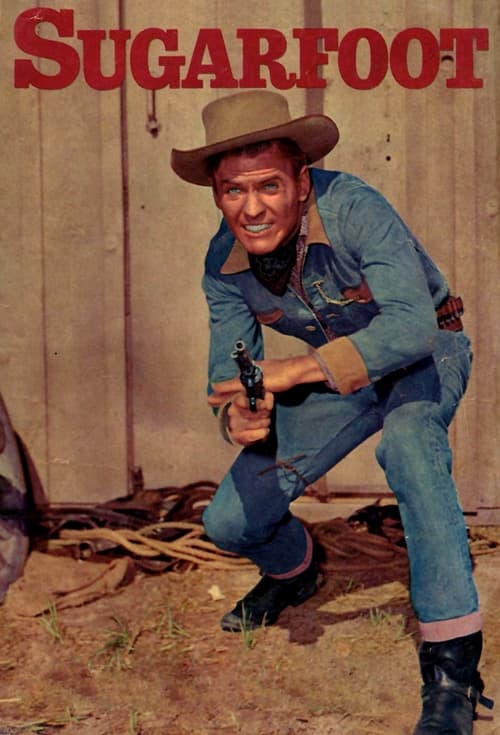
Sugarfoot is an American western television series that aired on ABC from 1957 to 1961. The series stars Will Hutchins as Tom Brewster, an Easterner who comes to the Oklahoma Territory to become a lawyer. Jack Elam is cast in occasional episodes as sidekick Toothy Thompson. Brewster was a correspondence-school student whose apparent lack of cowboy skills earned him the nickname "Sugarfoot", a designation even below that of a tenderfoot.
Sugarfoot

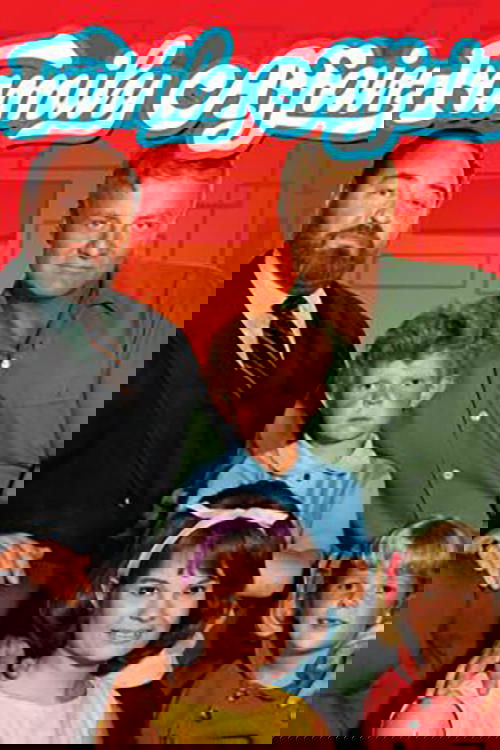
Family Affair is an American sitcom that aired on CBS from September 12, 1966 to September 9, 1971. The series explored the trials of well-to-do civil engineer and bachelor Bill Davis as he attempted to raise his brother's orphaned children in his luxury New York City apartment. Davis' traditional English gentleman's gentleman, Mr. Giles French, also had adjustments to make as he became saddled with the responsibility of caring for 15-year-old Cissy and the 6-year-old twins, Jody and Buffy. The show ran for 138 episodes. Family Affair was created and produced by Don Fedderson, also known for My Three Sons and The Millionaire.
Family Affair

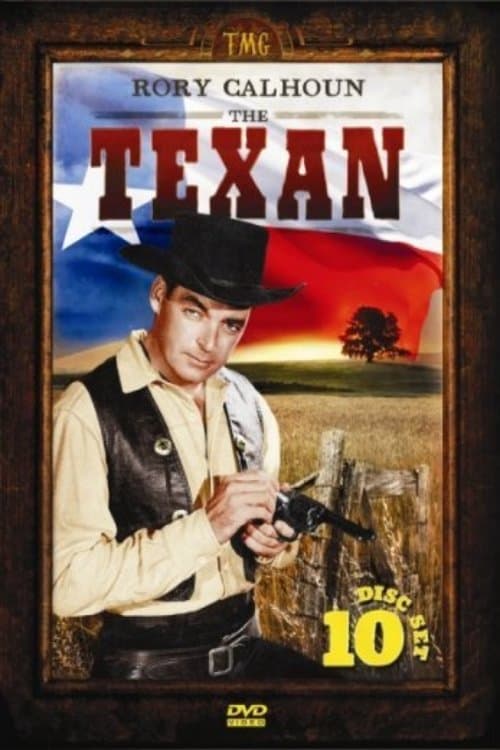
The Texan was a Western television series starring popular B movie actor Rory Calhoun, which aired on the CBS television network from 1958 to 1960.
The Texan

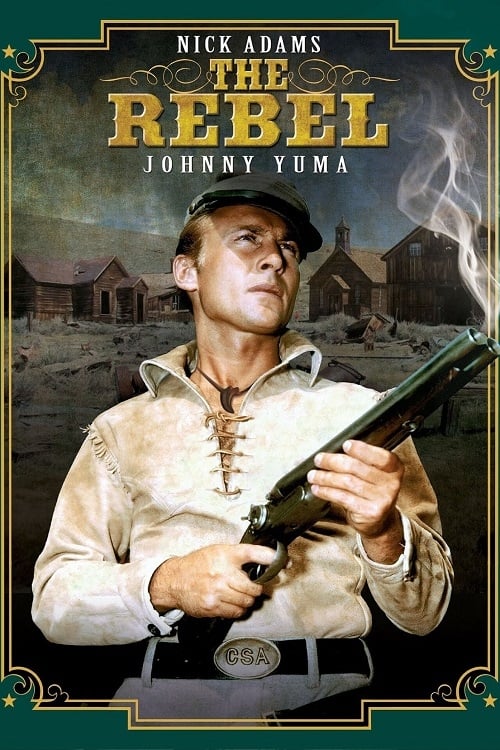
After the end of the Civil War, a former Confederate Army private roams the Wild West, and, as a rogue drifter, gets involved in helping out various settlers threatened by various bad guys... THE REBEL is a 76-episode American western television series starring Nick Adams that debuted on the ABC network from 1959 to 1961. The Rebel was one of the few Goodson-Todman Productions outside of their game show ventures. Beginning in December 2011, The Rebel reruns began to air Saturday mornings on Me-TV.
The Rebel

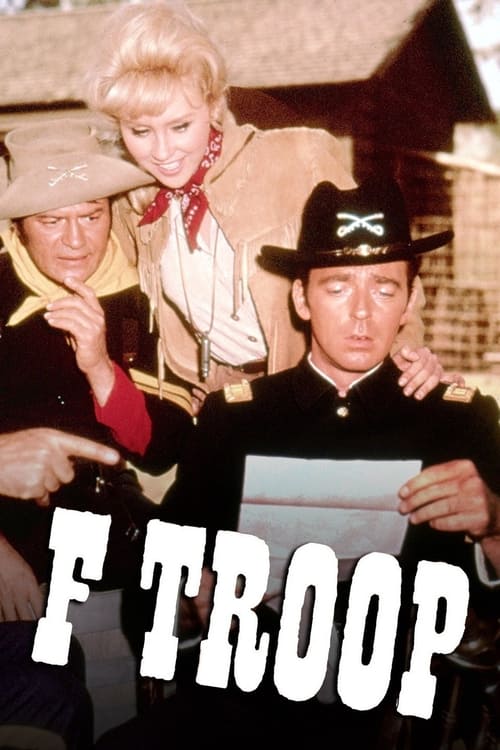
F Troop is a satirical American television sitcom that originally aired for two seasons on ABC-TV. It debuted in the United States on September 14, 1965 and concluded its run on April 6, 1967 with a total of 65 episodes. The first season of 34 episodes was filmed in black-and-white, but the show switched to color for its second season.
F Troop

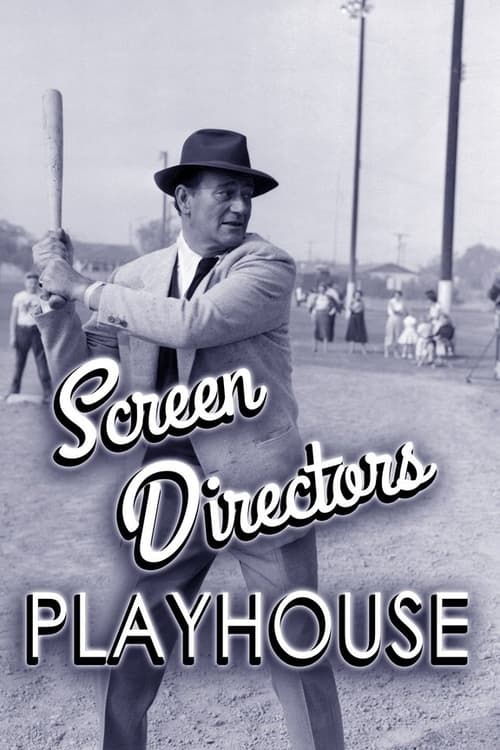
Presented by Eastman Kodak, this show was a series of original scripts directed by acclaimed directors and featuring well-known performers. The stories ranged from musicals to comedies and dramas.
Screen Director's Playhouse

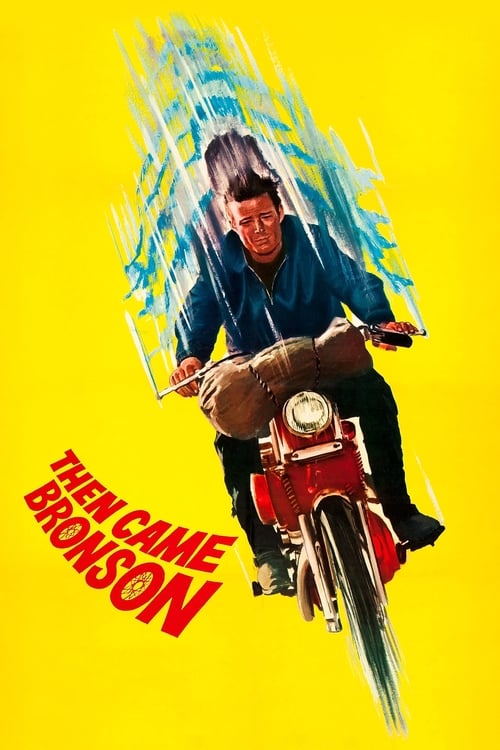
Then Came Bronson is an American adventure/drama television series produced by MGM Television and broadcast on NBC from 1969 to 1970. Created by Denne Bart Petitclerc, the series began with a feature-length pilot on March 24, 1969. It was greenlit for one year and began first run on September 17, 1969. Disillusioned reporter Jim Bronson quits his job and starts wandering the road on his Harley-Davidson motorcycle as a form of soul-searching. He meets various characters; some he helps, others he educates.
Then Came Bronson

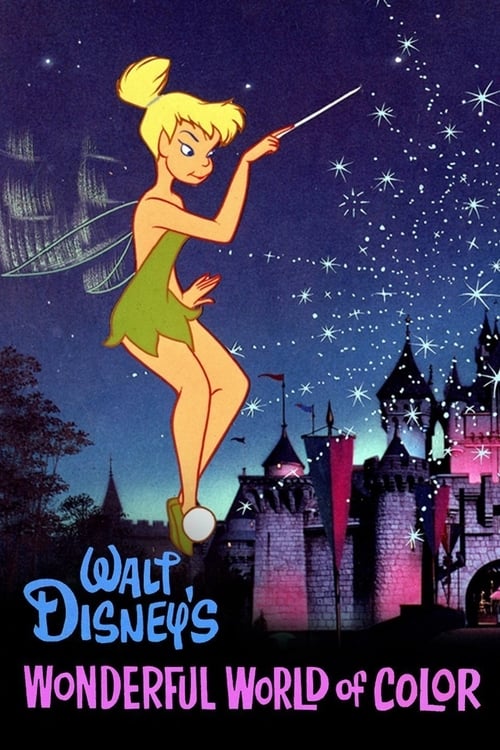
Walt Disney Productions has produced an anthology television series under several different titles since 1954. The original version of the series premiered on ABC, Wednesday night, October 27, 1954. The show, which was hosted by Walt Disney until his death and then from 1996 to 2002 by then-CEO Michael Eisner (with one-off hosts or no hosts during other periods) has since aired continually as either a weekly program or an irregular series of specials on several networks and streaming services, most recently on ABC and Disney+. The show is the second longest showing prime-time program on American television, behind its rival, Hallmark Hall of Fame. However, Hallmark Hall of Fame was a weekly program only during its first five seasons, while Disney remained a weekly program for more than forty years.
The Wonderful World of Disney

National Velvet is an American drama series
National Velvet

A small-town sheriff in the American West enlists the help of a disabled man, a drunk, and a young gunfighter in his efforts to hold in jail the brother of the local bad guy.
Rio Bravo

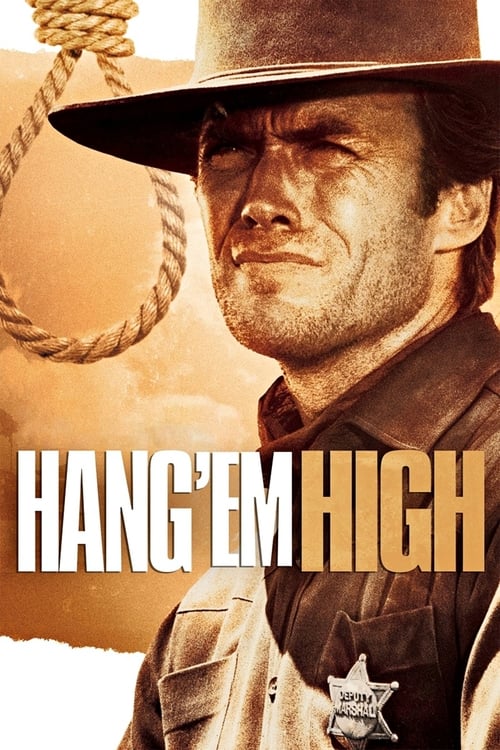
Marshall Jed Cooper survives a hanging, vowing revenge on the lynch mob that left him dangling. To carry out his oath for vengeance, he returns to his former job as a lawman. Before long, he's caught up with the nine men on his hit list and starts dispensing his own brand of Wild West justice.
Hang 'em High

Afflicted with a terminal illness John Bernard Books, the last of the legendary gunfighters, quietly returns to Carson City for medical attention from his old friend Dr. Hostetler. Aware that his days are numbered, the troubled man seeks solace and peace in a boarding house run by a widow and her son. However, it is not Books' fate to die in peace, as he becomes embroiled in one last valiant battle.
The Shootist

Aging rancher and self-made man, George Washington McLintock is forced to deal with numerous personal and professional problems. Seemingly everyone wants a piece of his enormous farmstead, including high-ranking government men and nearby Native Americans. As McLintock tries to juggle his various adversaries, his wife—who left him two years previously—suddenly returns. But she isn't interested in George; she wants custody of their daughter.