Vanessa Brown
Acting
Biography
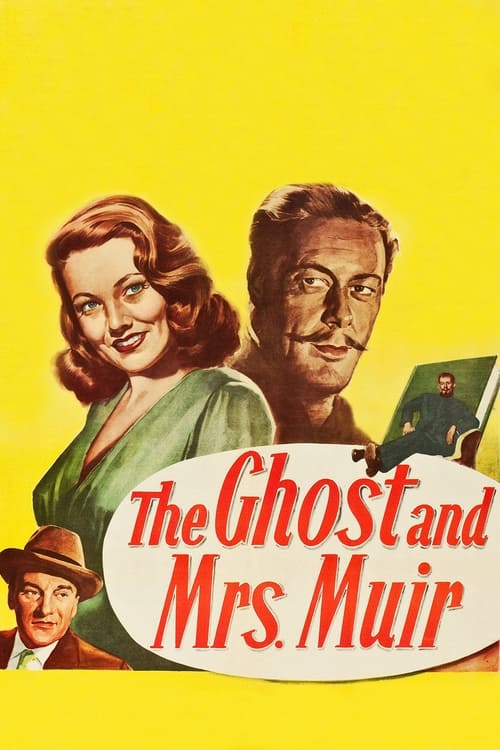
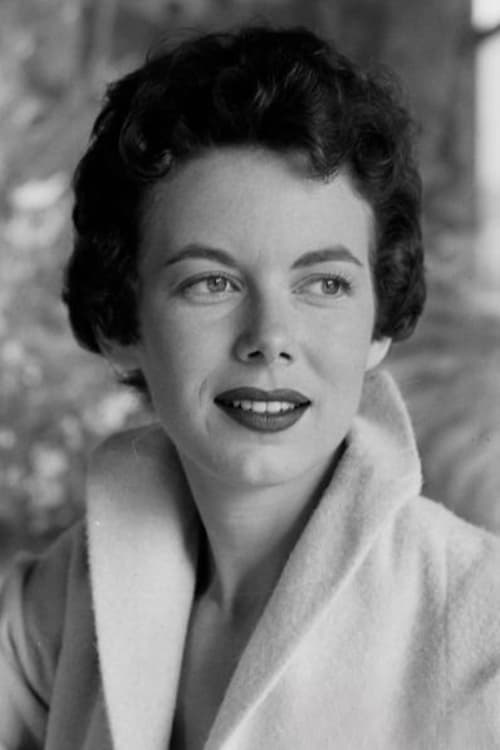
Known as the bright radio "Quiz Kid," Vanessa Brown became a popular leading lady in films and stage productions of the 1940s and 1950s and later a respected writer. During her heyday as an actress, Brown appeared in such varied productions as "The Seven Year Itch" opposite Tom Ewell on Broadway (a role later assumed by Marilyn Monroe in the film version) and the motion picture "Tarzan and the Slave Girl." Brown toured with Katharine Hepburn in a Theatre Guild production of Shakespeare's "As You Like It" and became something of a protege of the legendary actress. Among Brown's major films of the late 1940s and the early 1950s were "I've Always Loved You," "The Late George Apley," "The Ghost and Mrs. Muir," "The Foxes of Harrow," "The Heiress," "The Fighter" and "The Bad and the Beautiful."
Known For

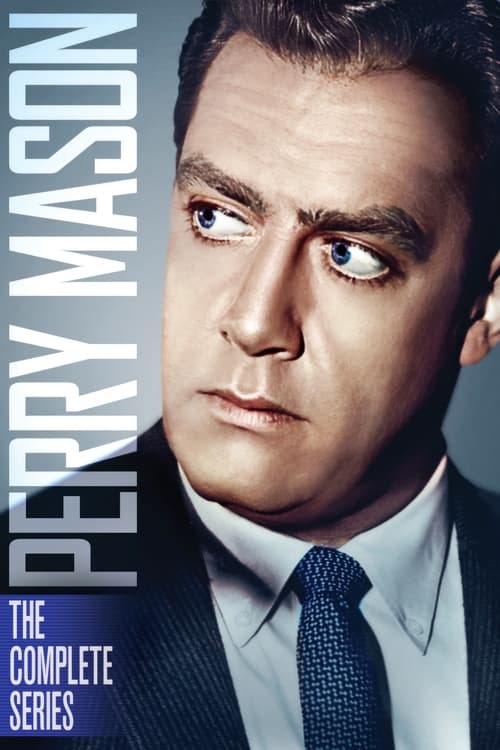
The cases of master criminal defense attorney Perry Mason and his staff who handled the most difficult of cases in the aid of the innocent.
Perry Mason

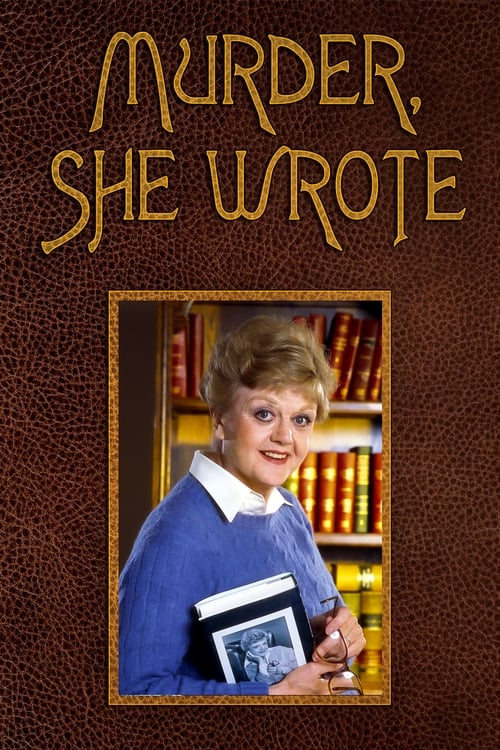
An unassuming mystery writer turned sleuth uses her professional insight to help solve real-life homicide cases.
Murder, She Wrote

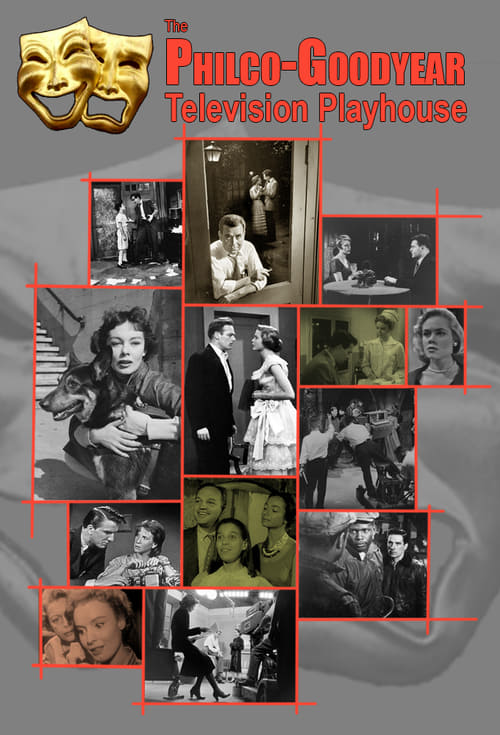
The Philco Television Playhouse is an American anthology series that was broadcast live on NBC from 1948 to 1955. Produced by Fred Coe, the series was sponsored by Philco. It was one of the most respected dramatic shows of the Golden Age of Television, winning a 1954 Peabody Award and receiving eight Emmy nominations between 1951 and 1956.
The Philco Television Playhouse

The story of Kevin Arnold facing the trials and tribulations of youth while growing up during the 1960s and 70s. Told through narration from an adult Kevin, Kevin faces the difficulties of maintaining relationships and friendships on his enthralling journey into adulthood.
The Wonder Years

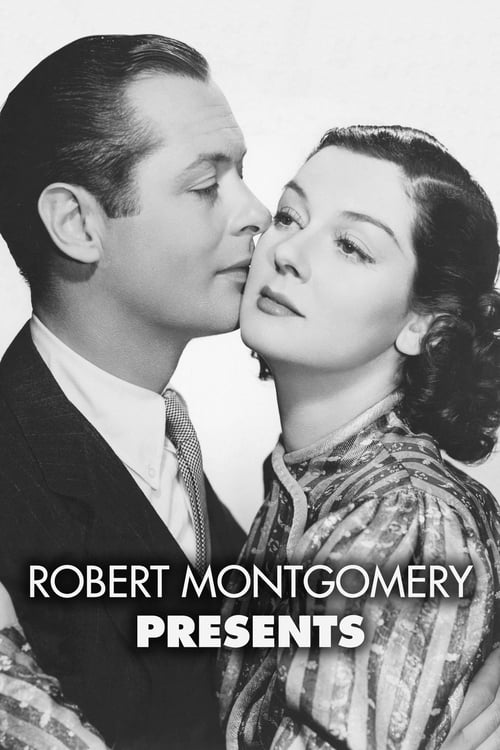
Robert Montgomery Presents is an American dramatic television series which was produced by NBC from January 30, 1950 until June 24, 1957. The live show had several sponsors during its seven-year run, and the title was altered to feature the sponsor, usually Lucky Strike cigarettes, for example, Robert Montgomery Presents Your Lucky Strike Theater, ....The Johnson's Wax Program, and so on.
Robert Montgomery Presents

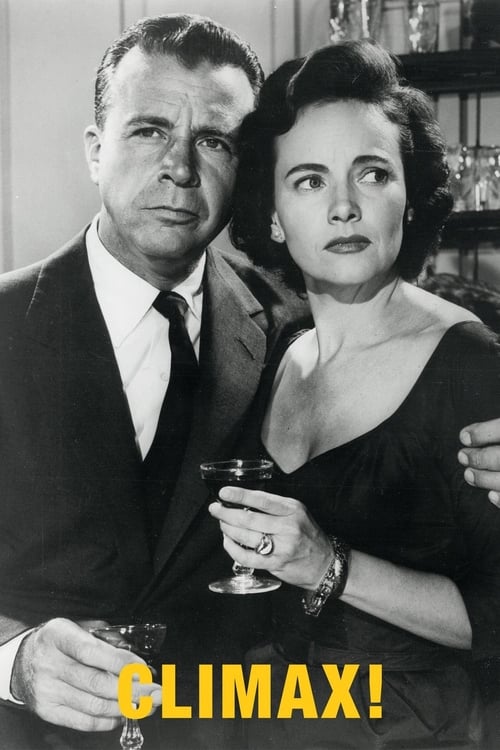
Climax! is an American anthology series that aired on CBS from 1954 to 1958. The series was hosted by William Lundigan and later co-hosted by Mary Costa. It was one of the few CBS programs of that era to be broadcast in color. Many of the episodes were performed and broadcast live.
Climax!

This 1980s revival of the classic sci-fi series features a similar style to the original anthology series. Each episode tells a tale (sometimes two or three) rooted in horror or suspense, often with a surprising twist at the end. Episodes usually feature elements of drama and comedy.
The Twilight Zone

Matinee Theater is an American anthology series that aired on NBC during the Golden Age of Television, from 1955 to 1958. The series, which ran daily in the afternoon, was frequently live. It was produced by Albert McCleery, Darrell Ross, George Cahan and Frank Price with executive producer George Lowther. McCleery had previously produced the live series Cameo Theatre which introduced to television the concept of theater-in-the-round, TV plays staged with minimal sets. Jim Buckley of the Pewter Plough Playhouse recalled: When Al McCleery got back to the States, he originated a most ambitious theatrical TV series for NBC called Matinee Theater: to televise five different stage plays per week live, airing around noon in order to promote color TV to the American housewife as she labored over her ironing. Al was the producer. He hired five directors and five art directors. Richard Bennett, one of our first early presidents of the Pewter Plough Corporation, was one of the directors and I was one of the art directors and, as soon as we were through televising one play, we had lunch and then met to plan next week’s show. That was over 50 years ago, and I’m trying to think; I believe the TV art director is his own set decorator —yes, of course! It had to be, since one of McCleery’s chief claims to favor with the producers was his elimination of the setting per se and simply decorating the scene with a minimum of props. It took a bit of ingenuity.
Matinee Theater

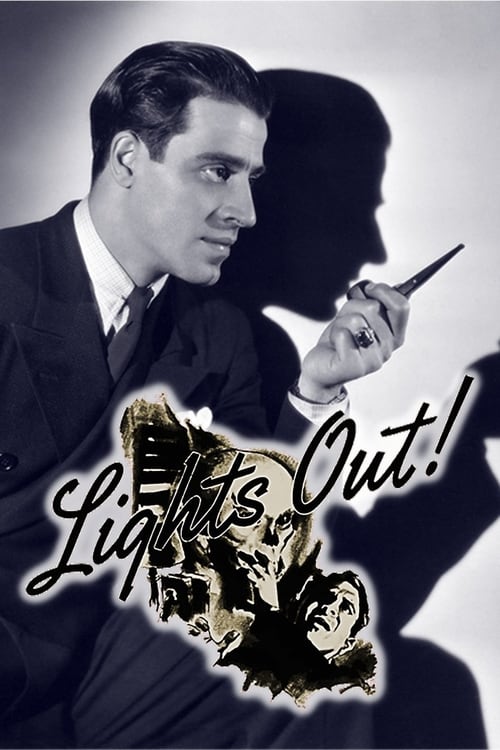
Lights Out was an extremely popular American old-time radio program, an early example of a network series devoted mostly to horror and the supernatural, predating Suspense and Inner Sanctum. Versions of Lights Out aired on different networks, at various times, from January 1934 to the summer of 1947 and the series eventually made the transition to television. In 1946, NBC Television brought Lights Out to TV in a series of four specials, broadcast live and produced by Fred Coe, who also contributed three of the scripts. NBC asked Cooper to write the script for the premiere, "First Person Singular", which is told entirely from the point of view of an unseen murderer who kills his obnoxious wife and winds up being executed. Variety gave this first episode a rave review ("undoubtedly one of the best dramatic shows yet seen on a television screen"), but Lights Out did not become a regular NBC-TV series until 1949.
Lights Out

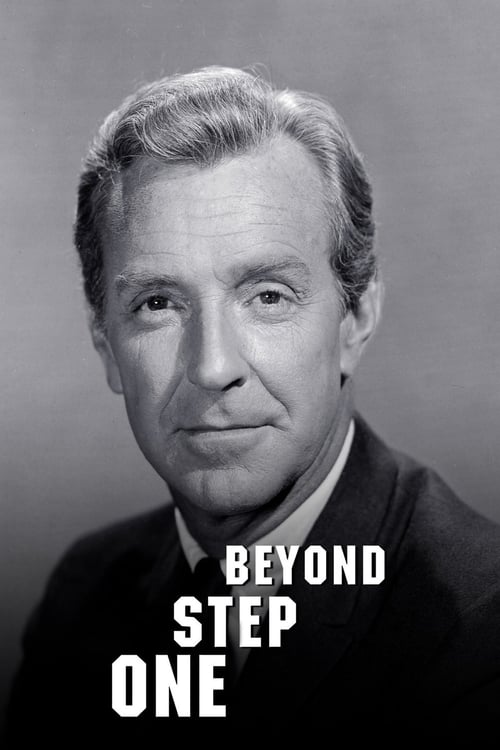
Alcoa Presents: One Step Beyond is an American anthology series created by Merwin Gerard. The original series ran for three seasons on ABC from January 1959 to July 1961.
One Step Beyond

An anthology series that explored the ways sudden and unexpected wealth changed life for better or for worse. It told the stories of people who were given one million dollars from a benefactor who insisted they never know him, with one exception.
The Millionaire

Detective Cheng is commissioned by Interpol to destroy the Empire of Chaiba, a worldwide criminal organization based in Southeast Asia. He initiates an undercover operation to infiltrate the organization.
Police Story
Lux Video Theatre is an American anthology series that was produced from 1950 until 1959. The series presented both comedy and drama in original teleplays, as well as abridged adaptations of films and plays.
Lux Video Theatre

Letter to Loretta is an American anthology drama series telecast on NBC from September 1953 to June 1961 for a total of 165 episodes. The filmed show was hosted by Loretta Young who also played the lead in various episodes. Letter to Loretta was sponsored by Procter & Gamble from 1953 through 1960. The final season's sponsor was Warner-Lambert's Listerine.
Letter to Loretta
All That Glitters is an American situation comedy television series by producer Norman Lear. It consisted of 65 episodes and aired between April 18 and July 15, 1977 in broadcast syndication. The show, a spoof of the soap opera format, depicted the trials and tribulations of a group of executives at the Globatron corporation. The twist of the series was that it was set within a world of complete role-reversal: Women were the "stronger sex," the executives and breadwinners, while the "weaker sex" – the men – were the secretaries or stay-at-home househusbands. Men were often treated as sex objects. The series features Eileen Brennan, Greg Evigan, Lois Nettleton, Gary Sandy, Tim Thomerson and Jessica Walter. Comic actor and cartoon voice artist Chuck McCann was also a regular. Linda Gray played transgender fashion model Linda Murkland, the first transgender series regular on American television. Before and after its premiere, All That Glitters was negatively received and the series lasted just 13 weeks.
All That Glitters
The Chevy Mystery Show is an American television anthology series featuring a different mystery each week that aired on NBC in 1960 as a summer replacement.
The Chevy Mystery Show

Call to Glory is an American drama series created by Ronald M. Cohen, and starring Craig T. Nelson as USAF Colonel Raynor Sarnac and his family as they navigated the political tensions and military duties of the early 1960s. Heavily promoted during ABC's broadcast of the 1984 Summer Olympics, the two-part pilot aired August 13, 1984. The first episode is related to the U-2 flights over Cuba during the 1962 Cuban Missile Crisis. During production, the plot came to focus more on the loneliness experienced by wife Vanessa while stationed on base and what she and the family would do to spend time in productive pursuits while enduring the Antelope Valley's isolation from civilization. The series, set near Edwards Air Force Base, blended historical events with the challenges of military family life, featuring themes of duty, family relationships, and the looming Vietnam War.
Call to Glory

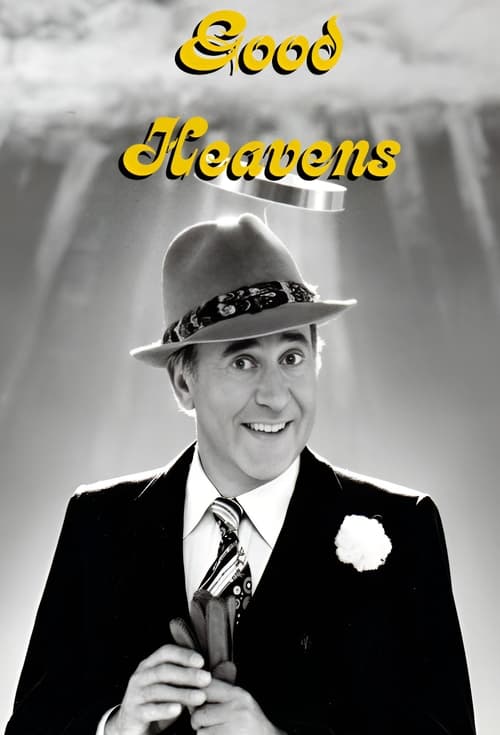
Good Heavens was an ABC comedy anthology series produced by Columbia Pictures Television that aired between February 29 to June 26, 1976. It ranked #17 in the Nielsen ratings during the 1975-76 television season. The main character was Mr. Angel, who was an Emissary of Heaven that came down to Earth to grant wishes to those who had performed a good deed. Episodes featured actors such as Don Ameche, Susan Dey, Sandy Duncan, Pat Harrington Jr., Florence Henderson, Alex Karras, Penny Marshall, Hugh O'Brian, Loretta Swit, Brenda Vaccaro, and Fred Willard.
Good Heavens

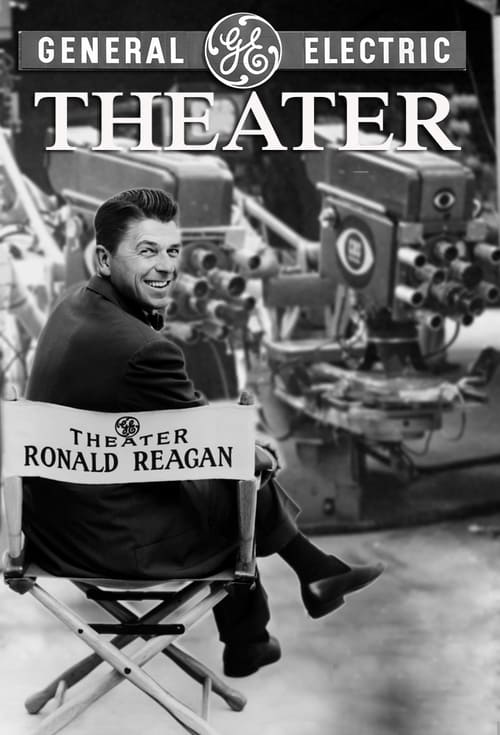
General Electric Theater is an American anthology series hosted by Ronald Reagan that was broadcast on CBS radio and television. The series was sponsored by General Electric's Department of Public Relations.
General Electric Theater

Schlitz Playhouse of Stars is an anthology series that was telecast from 1951 until 1959 on CBS. Offering both comedies and drama, the series was sponsored by the Joseph Schlitz Brewing Company. The title was shortened to Schlitz Playhouse, beginning with the fall 1957 season.