Acting
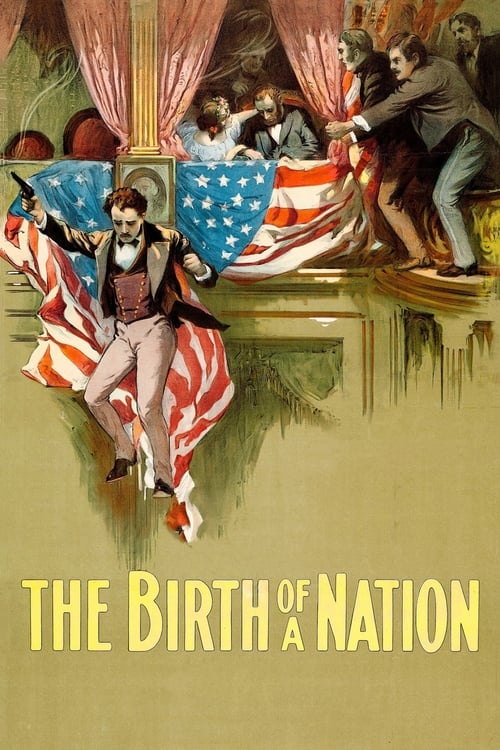
Two families, abolitionist Northerners the Stonemans and Southern landowners the Camerons, intertwine. When Confederate colonel Ben Cameron is captured in battle, nurse Elsie Stoneman petitions for his pardon. In Reconstruction-era South Carolina, Cameron founds the Ku Klux Klan, battling Elsie's congressman father and his African-American protégé, Silas Lynch.
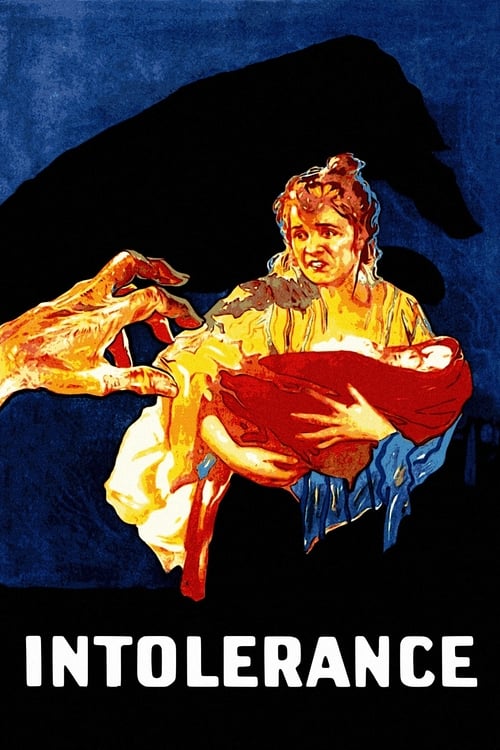
The story of a poor young woman, separated by prejudice from her husband and baby, is interwoven with tales of intolerance from throughout history.
During the American Revolution, a young soldier carrying a crucial message to General Washington is spotted and pursued by a group of enemy soldiers. He takes refuge with a civilian family, but is soon detected. The family and their neighbors must then make plans to see that the important message gets through after all.
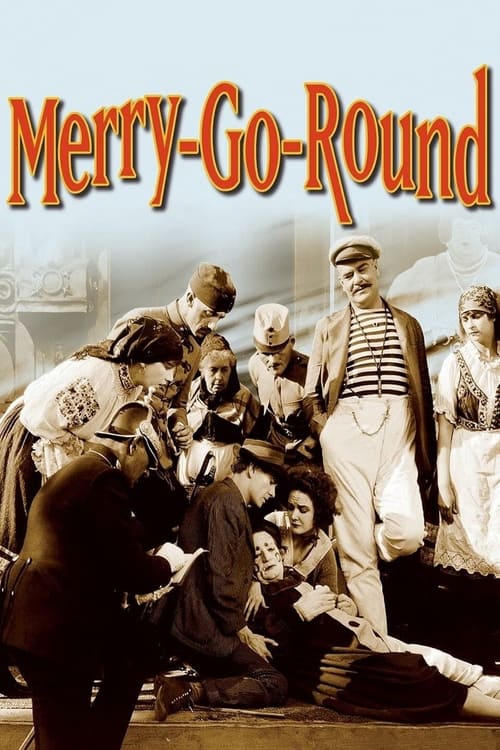
A nobleman posing as a necktie salesman falls in love with the daughter of a circus puppeteer, although he's already wed to the daughter of his country's war minister.
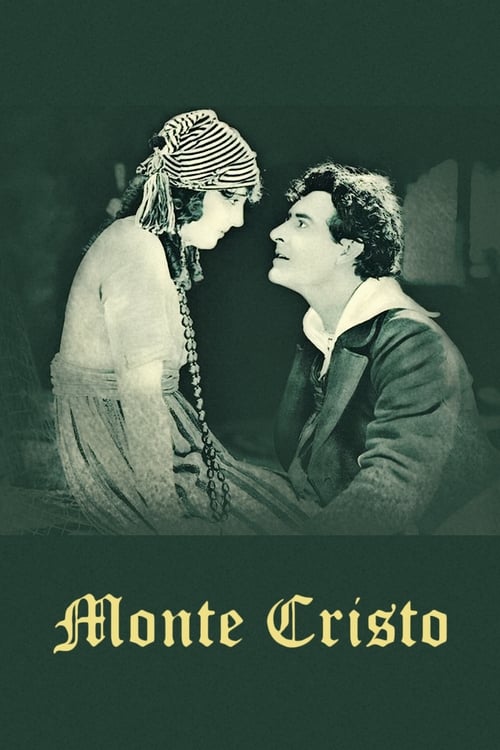
Young sailor Edmond Dantès is wrongfully imprisoned, escapes, finds treasure, and reinvents himself as the wealthy Count of Monte Cristo to exact revenge on those who betrayed him.
Clergyman Peter leaves the pulpit to enter World War I to be near Julie, the woman he loves. They are separated, but after the war she nurses him through a long illness. He will not marry her because it would hinder the humanitarian work that he plans. She keeps her faith in him, which prompts him to return to her and marry her. A lost film.
Noted criminologist Miles Manning captures a gang of crooks by posing as a super-criminal--a mysterious man called "The Eel"--when the mayor's daughter, Cordelia, believing that he really is a crook, enlists his assistance in ridding the city of its criminals.
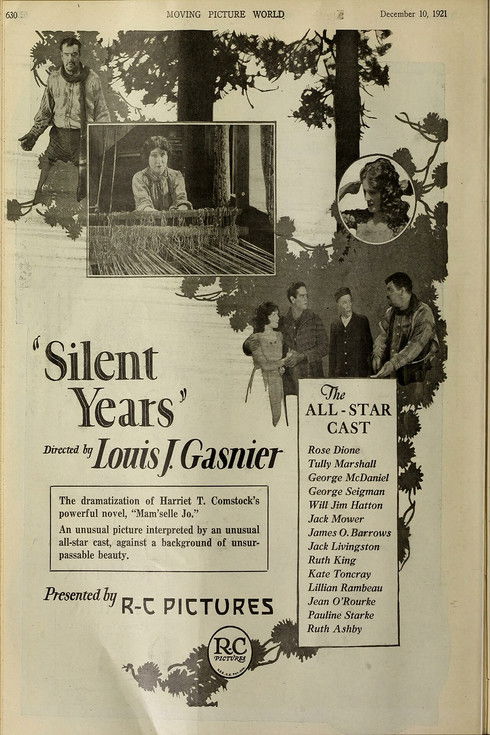
Jo Morey, who lives in the St. Lawrence River Valley, inherits her father's barren farm and devotes her entire energies to cultivating it and caring for her invalid sister. Henry Langley meets Jo and proposes marriage to her. She asks him to wait until she is free, but Langley refuses and marries Mary Malden. Eight years later Jo has paid off the mortgage to Captain Longville, and one night she finds a baby in her house; it is Langley's, and a note requests that its parentage be kept secret.
The King of Kings is the Greatest Story Ever Told as only Cecil B. DeMille could tell it. In 1927, working with one of the biggest budgets in Hollywood history, DeMille spun the life and Passion of Christ into a silent-era blockbuster. Featuring text drawn directly from the Bible, a cast of thousands, and the great showman’s singular cinematic bag of tricks, The King of Kings is at once spectacular and deeply reverent—part Gospel, part Technicolor epic.
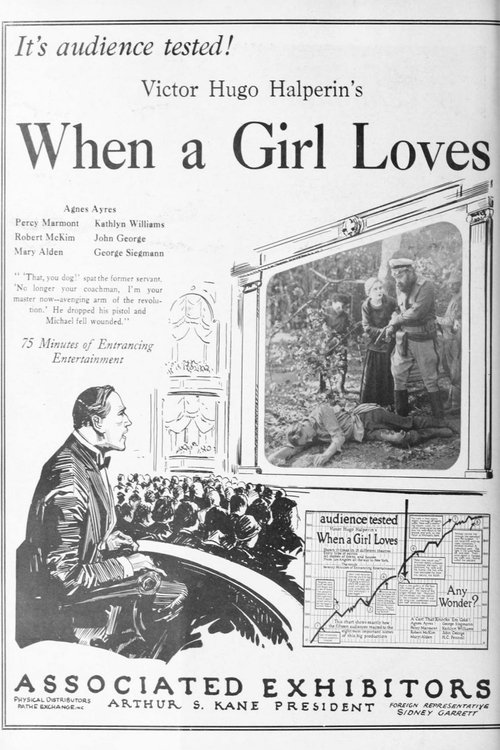
The revolution causes Sasha Boroff's wealthy family to lose its fortune; and her lover, Count Michael, is sentenced to death by Rogojin, the Boroffs' former coachman. Rogojin's sudden death saves Sasha from marriage to the despot, and the Boroffs escape to the United States, where Sasha marries Dr. Godfrey Luke to please her family. Later Sasha discovers that Michael survived, fled to the United States, and married Helen, an American. When Helen has a love affair with Dr. Luke, Michael challenges him to a duel. Sasha is wounded in the exchange of gunfire, the shock prostrates Michael, and Grishka cures him with a radio-vibration device. At the end, Sasha and Michael are still happily married to their respective American spouses.
A parody of D. W. Griffith's "The Birth of a Nation", "I Am Not a Racist" rearranges the scenes of the classic movie and recreates its dialogues to criticize the racism in it and also in the world today. Freemenville is a little city somewhere in the USA. A city ashamed because of its past of slavery, but proud of being the first in the country to end it. There is an annual ball to celebrate this fact. And this year's ball may be the biggest ever, because of the possible presence of a big celebrity, who is coming to town to see the premiere of a play. However, the play happens to be D. W. Griffith's "The Birth of a Nation", a racist work that starts a series of events exposing the racism that still exists in the city, culminating in the recreation of the KKK.
John Howard Payne leaves home and begins a career in the theater. Despite encouragement from his mother and his sweetheart, Payne begins leading a life of dissolute habits, which soon leads to ruin and misery. In deep despair, he recalls better days, and writes a song that later provides inspiration to several others in their own times of need.
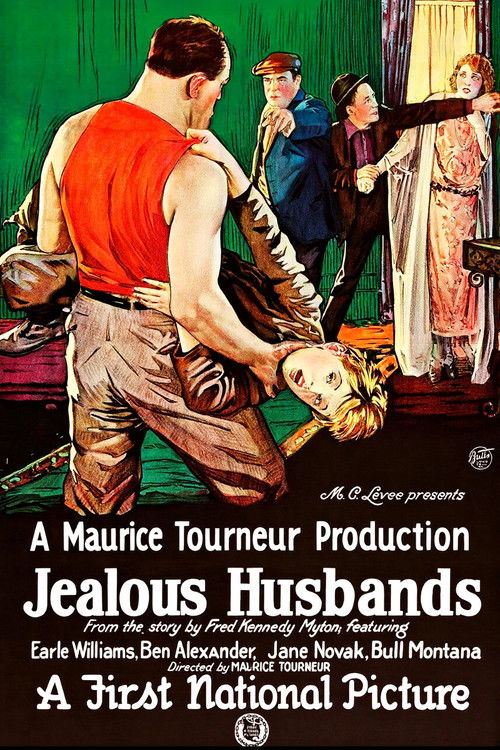
When a man's wife is accused of adultery, her insanely jealous husband gives her young son away to a traveling band of gypsies. Years later, when the son grows up, he sets out to prove that his mother wasn't guilty of adultery but was actually trying to help her sister-in-law escape the clutches of a blackmailer.
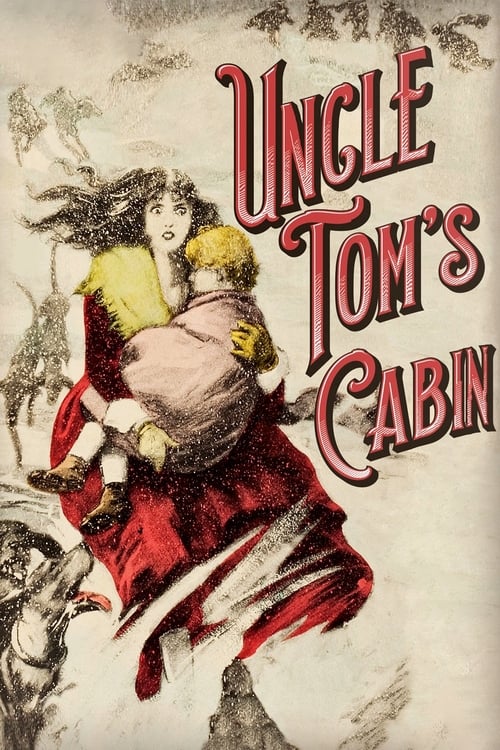
In 1856, slave Eliza plans to marry George with the consent of the Shelbys, her masters, but George's owner prevents the wedding. A few years later, Eliza flees with her son, Harry, after learning the Shelbys plan to hand them over to a crooked creditor to prevent foreclosure. George also escapes and goes on the run while Eliza and Harry are captured and brought back home. Mother and son are separated as George tries to find them both.
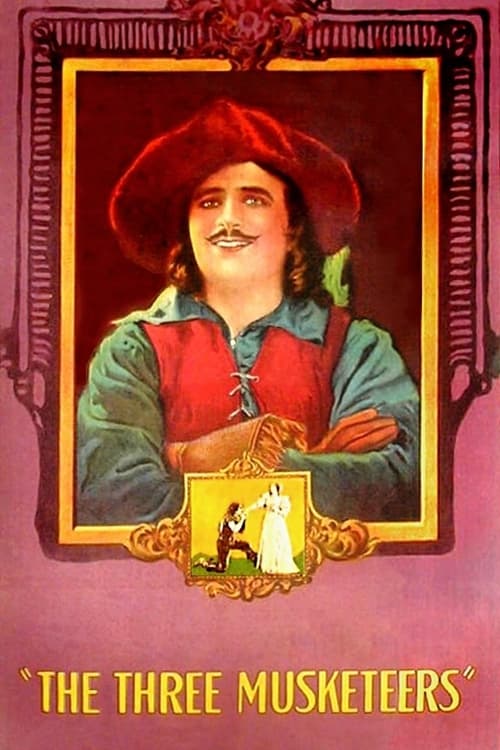
In 17th century France, young D'Artagnan wants to join the King's Musketeers, but instead befriends three legendary musketeers—Athos, Porthos, and Aramis—and together, they become embroiled in the political intrigue surrounding King Louis XIII and his adversaries, particularly the powerful Cardinal Richelieu.
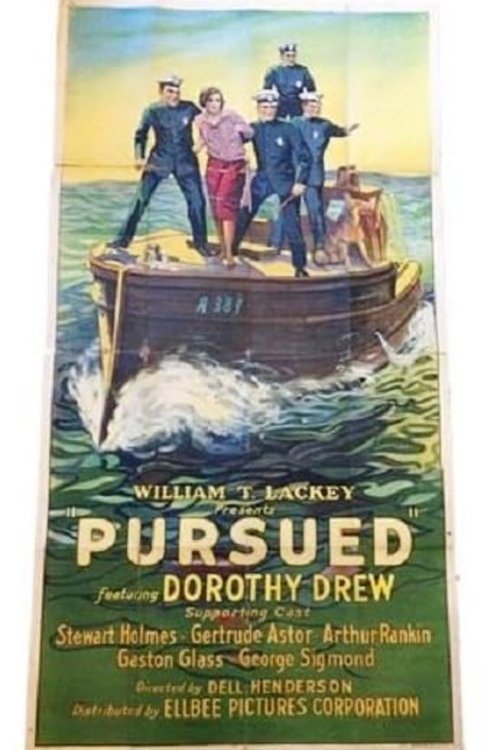
Dick Manning, an assistant district attorney, who is on the track of a gang of murderers, is abducted while visiting his sweetheart, Helen Grant. Helen's police dog tracks down the abductors, and Helen goes to their den, passing herself off as Chicago Ann, a notorious female gangster who dresses in men's clothing. The leader of the gang is attracted to Helen, but his jealous sweetheart exposes her as a fraud. Helen is made prisoner, but she manages to escape with the help of a friendly gangster. Helen alerts the police, and the den is raided in time to save Dick's life.
The young brother of two police officers borrows one of their uniforms. While masquerading as a cop, he accidentally assists a group of criminals committing a burglary.
Relatives gather at a haunted mansion for a will reading where the sole heir is threatened by a clause that could disinherit her if she goes mad, all while a homicidal maniac escapes nearby.
Helen Alving leads an outwardly contented life. On the eve of the 10th anniversary of her husband's death, she is about to open an orphanage as a memorial to him. To mark this occasion, her bohemian painter son Oswald has returned from Paris. Helen plans to take the opportunity to tell Oswald the truth about his father. But ghosts of the past erupt during an eventful evening, bringing the facade of civilised family life crashing down.
An orphan endures a harsh life in a workhouse before fleeing to London, where he falls in with a gang of juvenile pickpockets led by the criminal Fagin, and eventually finds a better life, exposing the cruelties of poverty and child labor in Victorian England.