Henry B. Walthall
Acting
Biography
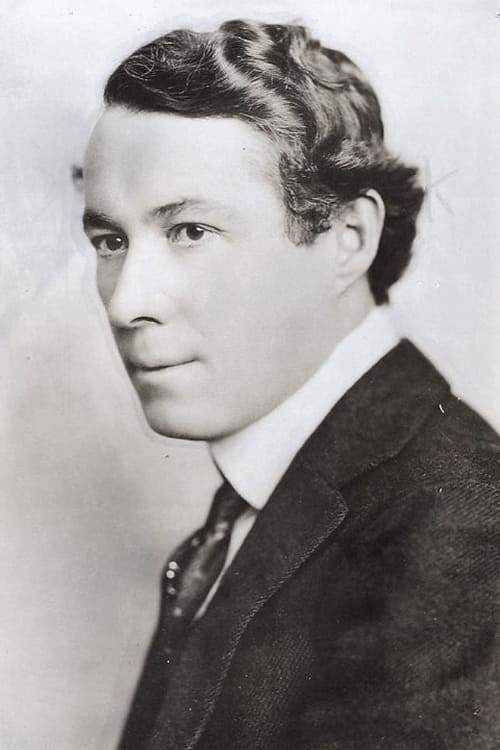
From Wikipedia, the free encyclopedia Henry Brazeale Walthall (March 16, 1878 – June 17, 1936) was an American stage and film actor. He appeared as the Little Colonel in D. W. Griffith's The Birth of a Nation (1915). In New York in 1901, Walthall won a role in Under Southern Skies by Charlotte Blair Parker. He performed in the play for three years, in New York and on tour. With the company of Henry Miller he gained recognition on Broadway in plays including Pippa Passes, The Only Way and William Vaughn Moody's The Great Divide (1906–08). His fellow cast member James Kirkwood introduced Walthall to D. W. Griffith, and at the conclusion of that engagement, Walthall joined the Biograph Company. His career in movies began in 1909 at Biograph Studios in New York with a leading role in the film A Convict's Sacrifice. This film also featured James Kirkwood, and was directed by D. W. Griffith, a director that played a huge part in Walthall's rise to stardom. As the industry grew in size and popularity, Griffith emerged as a director and Walthall found himself a mainstay of the Griffith company, frequently working alongside such Griffith regulars as Owen Moore, Kate Bruce, Lillian and Dorothy Gish, Mae Marsh, Bobby Harron and Jack and Mary Pickford. He followed Griffith's departure from New York's Biograph to California's Reliance-Majestic Studios in 1913. After a few months with Reliance, he joined Pathé for a short period. He decided to go into the producing business and formed The Union Feature Film Company, the first to be devoted entirely to full-length films. The venture was not successful, however, and he again became associated with Griffith's company. Given the relatively short length of films in the early years, Walthall frequently found himself cast in dozens of films each year. He gained national attention in 1915 for his role as Colonel Ben Cameron in Griffith's highly influential and controversial epic, The Birth of a Nation. Walthall's portrayal of a Confederate veteran rounding up the Ku Klux Klan won him large-scale fame, and Walthall was soon able to emerge as a leading actor in the years leading up to the 1920s, parting ways with Griffith. Walthall continued working in films through the 1920s, appearing in The Plastic Age with Gilbert Roland and Clara Bow. He portrayed Roger Chillingworth in Victor Seastrom's 1926 adaptation of The Scarlet Letter opposite Lillian Gish. Walthall continued his career into the 1930s. After his performance in director John Ford's 1934 film Judge Priest starring Will Rogers he enjoyed a golden period of his career. He portrayed Dr. Manette in A Tale of Two Cities (1935), starring Ronald Colman. In 1936 he appeared as Marcel in The Devil-Doll. He was gravely ill during his final film, China Clipper. Frank Capra wanted Walthall to portray the High Lama in his 1937 film, Lost Horizon. "Frail and failing, he died before we could test him," Capra wrote. Walthall has a star on the Hollywood Walk of Fame located at 6201 Hollywood Boulevard.
Known For

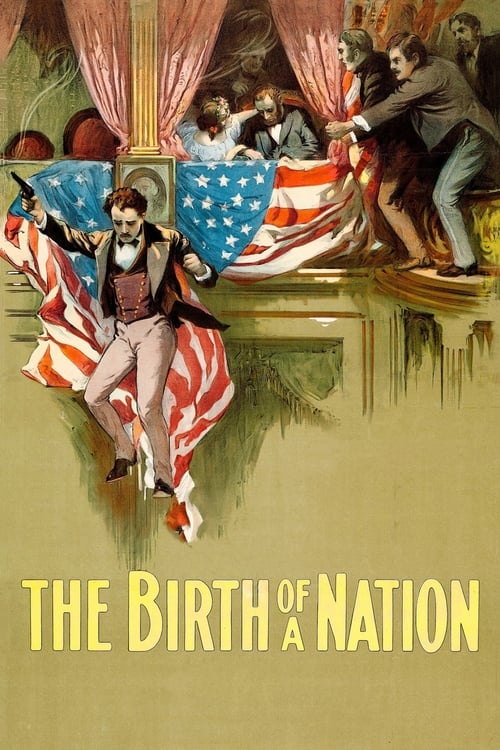
Two families, abolitionist Northerners the Stonemans and Southern landowners the Camerons, intertwine. When Confederate colonel Ben Cameron is captured in battle, nurse Elsie Stoneman petitions for his pardon. In Reconstruction-era South Carolina, Cameron founds the Ku Klux Klan, battling Elsie's congressman father and his African-American protégé, Silas Lynch.
The Birth of a Nation

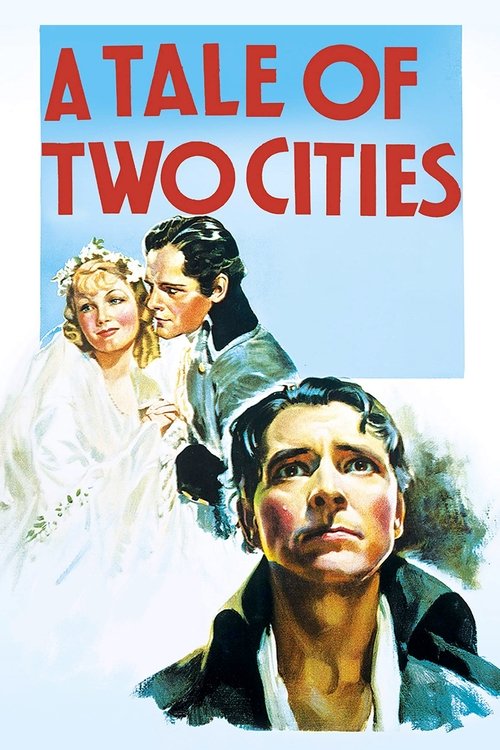
Set against the conditions leading up to the French Revolution and the Reign of Terror, French doctor Alexandre Manette serves an 18-year imprisonment in the Bastille in Paris, followed by his release to live in London with the daughter he has never met.
A Tale of Two Cities

A producer puts on what may be his last Broadway show, and at the last moment a chorus girl has to replace the star.
42nd Street

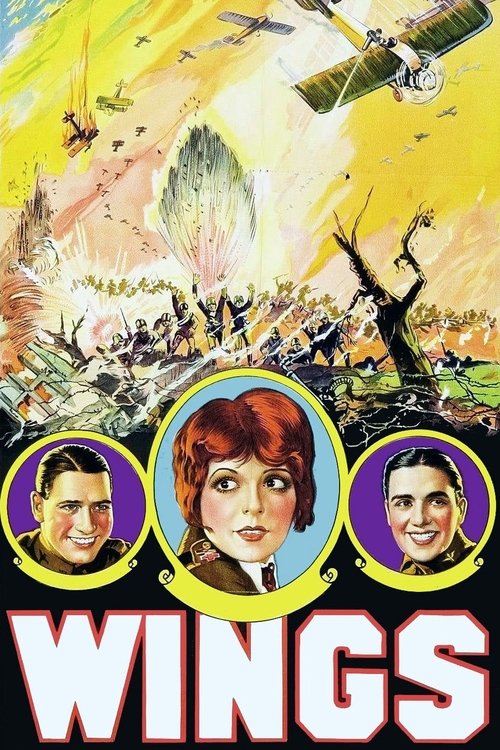
Two young men, one rich, one middle class, both in love with the same woman, become US Air Corps fighter pilots and, eventually, heroic flying aces during World War I. Devoted best friends, their mutual love of the girl eventually threatens their bond. Meanwhile, a hometown girl who's the lovestruck lifelong next door neighbor of one of them pines away.
Wings

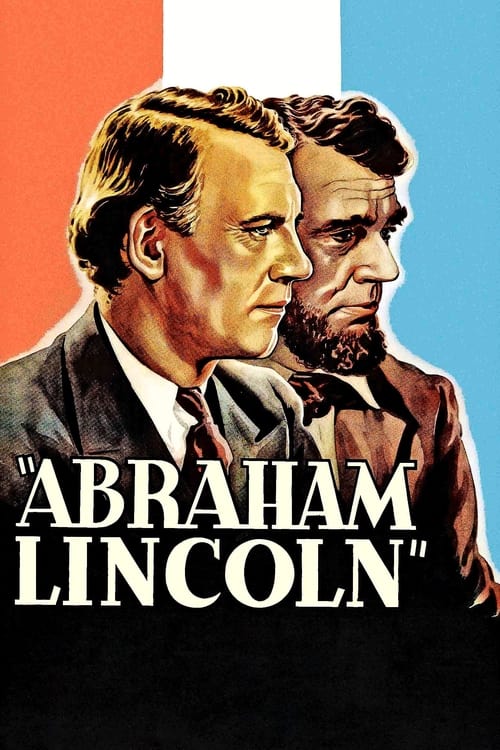
A biopic dramatizing Abraham Lincoln's life through a series of vignettes depicting its defining chapters: his romance with Ann Rutledge; his early years as a country lawyer; his marriage to Mary Todd; his debates with Stephen A. Douglas; the election of 1860; his presidency during the Civil War; and his assassination in Ford’s Theater in 1865.
Abraham Lincoln

When wealthy Wall Street stockbroker Stephen Duane neglects his wife Julia for business, she consorts with philanderer Bert Brockwell. Finding them in an embrace forced by Brockwell, Stephen denounces Julia and leaves. After losing his fortune in the market, Stephen refuses Julia's offer to sell her jewels, and stays away for one year
Modern Husbands

Helen Alving leads an outwardly contented life. On the eve of the 10th anniversary of her husband's death, she is about to open an orphanage as a memorial to him. To mark this occasion, her bohemian painter son Oswald has returned from Paris. Helen plans to take the opportunity to tell Oswald the truth about his father. But ghosts of the past erupt during an eventful evening, bringing the facade of civilised family life crashing down.
Ghosts

A young man and a young woman, each unlucky in love, determine never to marry. But Cupid (and two separate bands of misinformed revelers) has other ideas.
The Newlyweds

A stenographer who works for a lawyer falls in love with and marries a wealthy young man. His family has the marraige annulled, after which she gives birth to a child. Her former boss helps her out to ensure the child's welfare, which starts gossip that she is a "kept woman."
The Trespasser
Bert Stafford, who is in love with Sylvia Randolph, his mother's ward, despises Duncan Irving, a poor boy who is the object of Sylvia's affections.
Classmates
Stern parents have ever been relentless obstacles in love's young dream, but it is perhaps quite doubtful if ever love could equal the accentuated bliss and anguish of these two. She refused to eat for her hero and for her he bore the marks of battle, an eye made black by a cruel parent's fist. Tired of such an unsympathetic world, they sought the wilderness, where, had it not been for Indian Charlie, these two "babes in the wood" would have ended their dream in a manner quite too disagreeable to think of.
My Hero

A once great stage and screen actor has fallen from fame because of his alcoholism; his young son is determined to see his father "make good" again.
Police Court

When the double wedding takes two daughters away from the old man at once, the youngest, now the only one left, in outraged spirit promises never to leave her father, but soon she too is departing for a new home. Then comes a cold hard fact of life. The son-in-law claims his right to make a home alone for his wife. In his bitterness and anger, the father denies them both the house. Several years later the lonely old man meets at the gate a babe in arms. When he learns whose baby it is, heart hunger craves another sight, and sought, brings with it the only natural result.
My Baby

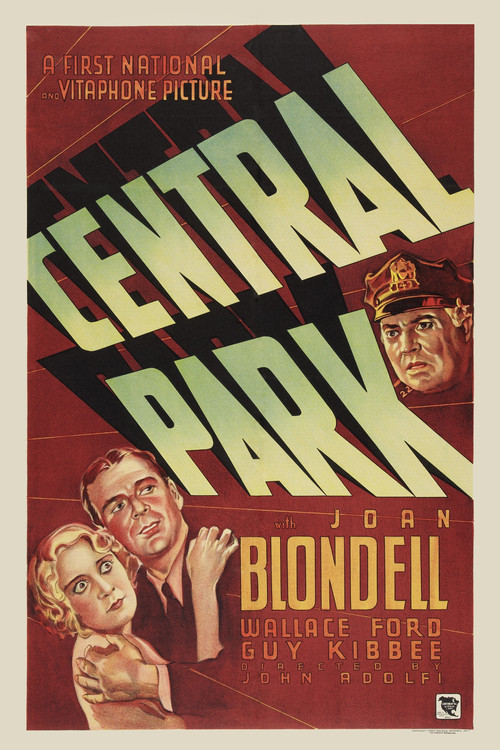
The old men meet a young girl, broke, hungry and discouraged, in the park. Colonel Henry Randolph Ransome (Henry B. Walthall) bluffs his way into obtaining enough money to support the welfare of the girl,Rose Wentworth (Sally Blane), and his two cronies. He sends for the girl's former sweetheart, who turns out to be a crook.
City Park

This rare John Ford silent is a charming, sweetly sentimental tale of the relationship between humans and animals told largely from the point of view of a racehorse who observes as her breeder (Henry B. Walthall) is forced to sell her when he loses everything in a poker game. Several of the era’s most famous racehorses make appearances, including the legendary champion thoroughbred Man o’ War.
Kentucky Pride

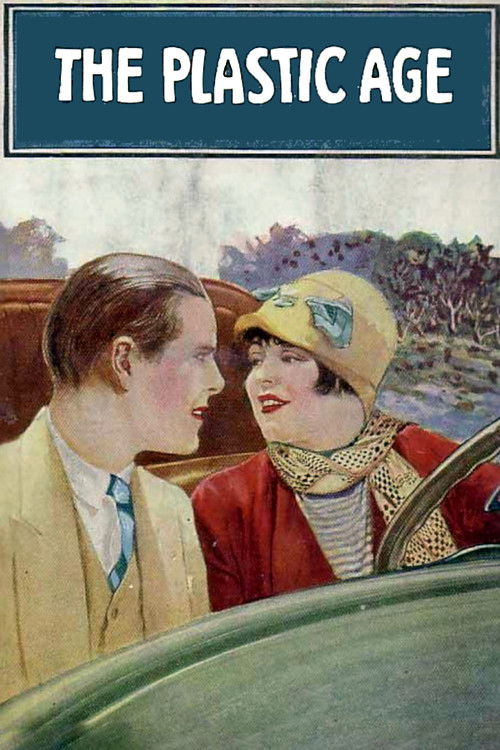
Hugh Carver is an athletic star and a freshman at Prescott College. He falls in love with Cynthia Day, a popular girl who loves to party, and finds that it's impossible to please her and still keep up with his studies and athletic training. Soon the two face some difficult decisions.
The Plastic Age
A printer, drinking excessively and neglectful of his family obligations, is fired from his job when he offends his wealthy employer and his employer’s guests as they tour the printworks. Seeking revenge, the dismissed employee enters his former employer’s house with the intention of shooting him. There he sees the employer and his severely disabled daughter, and recognizes the strong emotional bond between father and daughter. This convincing demonstration of affection brings the printer to his senses. He asks pardon, is reinstated in his old job, and becomes a model worker, husband, and father.
The Iconoclast

In Puritan Boston, seamstress Hester Prynne and kindly Reverend Arthur Dimmesdale fall in love. After Dimmesdale must go away for a time to England, he returns to discover that Hester has given birth to their child and is the focus of local censure.
The Scarlet Letter

This first cinematic version of the classic book is a part-talkie, although the only surviving print is silent (housed in the George Eastman House, Rochester, NY). It is a straight-forward telling of the intermingled lives of a group of strangers doomed to die in a collapsing bridge accident. The Art Direction, paltry and unremarkable, surprisingly won an Oscar over the far more remarkable work nominated in THE IRON MASK. The special effect scene of the lovers plummeting with the bridge into the chasm is unforgettable and remarkably done.
The Bridge of San Luis Rey

Sharecropper's son Marvin tries to help his community overcome poverty and ignorance.