Frank E. Woods
Writing
Biography
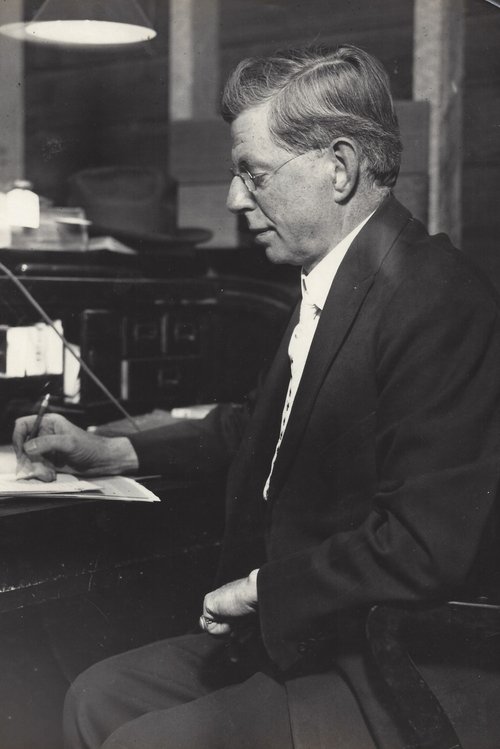
Frank E. Woods (1860 – May 1, 1939) was an American screenwriter of the silent era. He wrote for 90 films between 1908 till 1925. He first became a writer with the Biograph Company. Woods was also a pioneering film reviewer. As a writer, his contributions to film criticism are discussed in the 2009 documentary, For the Love of Movies: The Story of American Film Criticism. Woods worked for the Kinemacolor Company of America, directing at their Hollywood studios and writing the script for the unreleased The Clansman (1911). He was also known for his screenplay collaborations with D. W. Griffith, including the co-scripting of The Birth of a Nation. He later publicly expressed regret for his involvement with the film. He is interred in the Hollywood Forever Cemetery in Hollywood, CA. Woods was one of the 36 founders of the Academy of Motion Picture Arts and Sciences. From Wikipedia.
Known For

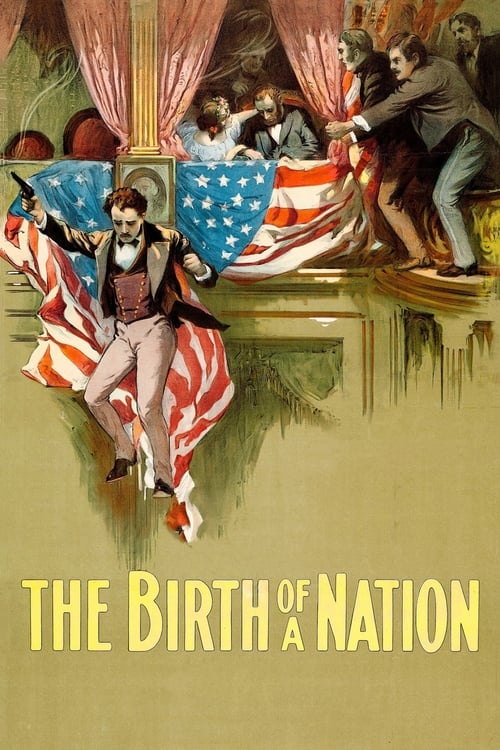
Two families, abolitionist Northerners the Stonemans and Southern landowners the Camerons, intertwine. When Confederate colonel Ben Cameron is captured in battle, nurse Elsie Stoneman petitions for his pardon. In Reconstruction-era South Carolina, Cameron founds the Ku Klux Klan, battling Elsie's congressman father and his African-American protégé, Silas Lynch.
The Birth of a Nation

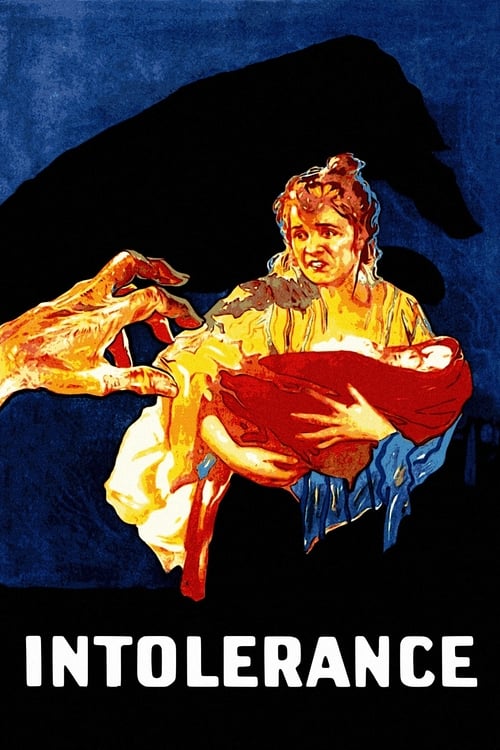
The story of a poor young woman, separated by prejudice from her husband and baby, is interwoven with tales of intolerance from throughout history.
Intolerance: Love's Struggle Throughout the Ages

Young Herbert Thompson, wanting to attain wealth and social status, marries Ann Morton, who comes from a rich and prominent family, throwing over pretty young Angelina Kilboure, who really loves him. Years later Herbert has become the local District Attorney and has two children, Bert and Virginia. One night Bert, a patron at a seedy roadhouse, defends his sister's honor from a ruffian and winds up killing the man. Angelina persuades Herbert to leave his post as D.A. to defend his son in his murder trial. Herbert wins the case, but it turns out to have unexpected consequences.
Chalk Marks

Adonese is returning home from seeing the woman he is courting, and he is driving around a corner when his car accidentally brushes against the tramp 'Faithful' and knocks him over. Feeling sorry for him, Adonese helps him up and buys him a new suit of clothes. The naively innocent Faithful reads too much into this gesture, and he begins to follow his benefactor everywhere, expecting to receive future gifts.
Faithful

Behold in this film the Uplifter, a peculiarity of the human species, quite convinced that all that is, is wrong. Forth to the uplift he minds everybody's business but his own, until that business is as clean, pure and spotless as himself. Verily in these later days is there no school of art named, "Minding One's Business."
The Reformers

Mrs. Kendrick borrows a jeweled necklace from a friend for an important social event. The necklace is stolen, and Mr. Kendrick goes into debt to replace it. The thief discovers it's costume jewelry, but the Kendricks never learns the truth; Husband and wife struggle for years to pay off the huge debt.
The Necklace

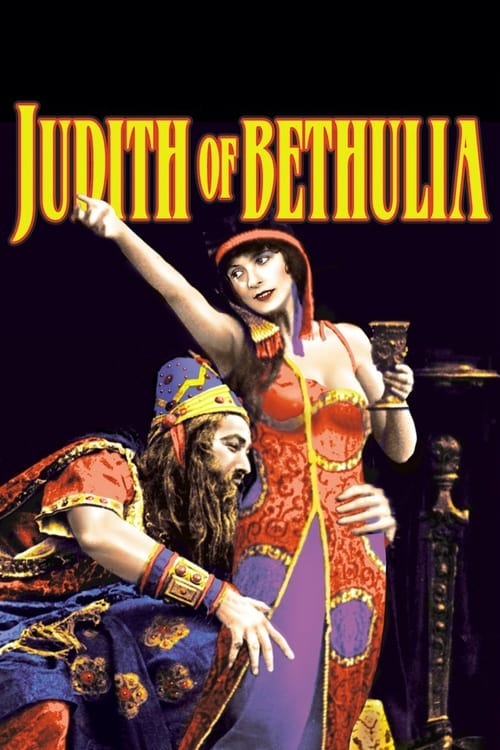
Griffith adapts the story of the Apocryphal Book of Judith to the screen. During the siege of the Jewish city of Bethulia by the Assyrian tyrant Holofernes, a widow named Judith forms a plan to stop the war as her people suffer in starvation, nearly ready to surrender.
Judith of Bethulia
The girl's lessons from the young station agent on the manipulation of the telegraph code served her in good stead. By it, hemmed in on all sides at the lonely farmhouse, she was able to save both herself and her father's money from desperate tramps, an experience which is grippingly illustrated in this Biograph melodrama.
The Mirror

On a whim, a greedy tycoon decides to corner the world market in wheat. This doubles the price of bread, forcing grain producers into charity lines and others further into poverty. The film contrasts the differences between the lives of those who work to grow the wheat and the life of the man who dabbles in its sale for profit.
A Corner in Wheat

A wealthy, callous moneylender finds a terrifying way to learn about money's limitations.
The Usurer

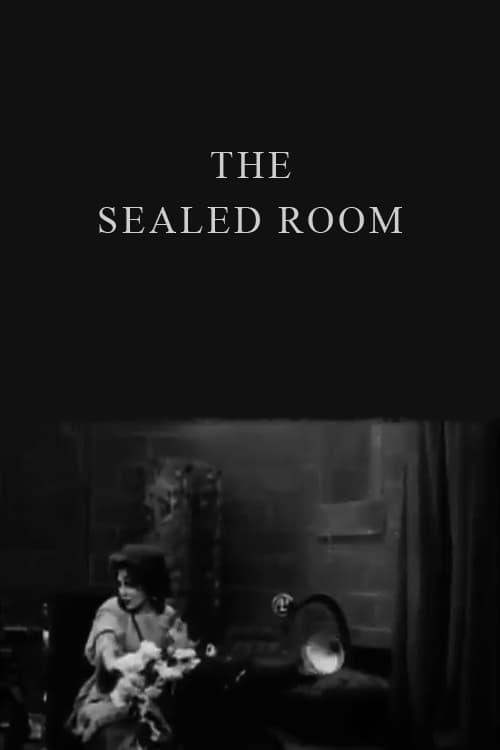
The Count sets out to make a private room for him and his Countess, built in such a way no one can see, hear, and most importantly, disturb them. But unbeknownst to the Count, his wife has set her eyes on the court minstrel. Based on Edgar Allan Poe's “The Cask of Amontillado” and Honoré de Balzac's “La Grande Breteche”.
The Sealed Room
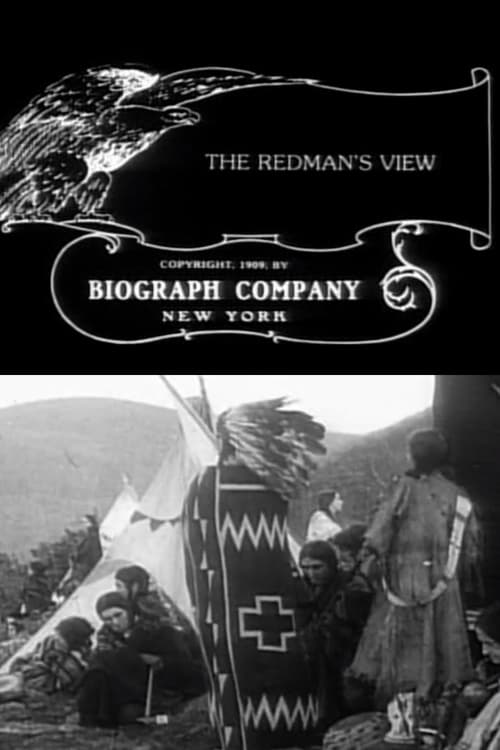
Epic remake of a Native American film originally done 100 years ago about a Shoshone band who lived in a secluded valley in the 1860's, during the time of the last 'free' roaming Native Americans in the midst of the US Civil War. They are discovered by a group of Union soldiers and squatters and forced to move from their home. They are moved from valley to valley as the Union takes more and more of their land in a plan to eradicate the country of 'savages' exterminating all Native Americans. But there is hope when the band find a new beginning.
The Red Man's View

Silent drama film based upon the play of the same name by Denman Thompson.
The Old Homestead

Nekhludoff, a Russian nobleman serving on a jury, discovers that the young girl on trial, Katusha, is someone he once seduced and abandoned and that he himself bears responsibility for reducing her to crime. He sets out to redeem her and himself in the process.
Resurrection

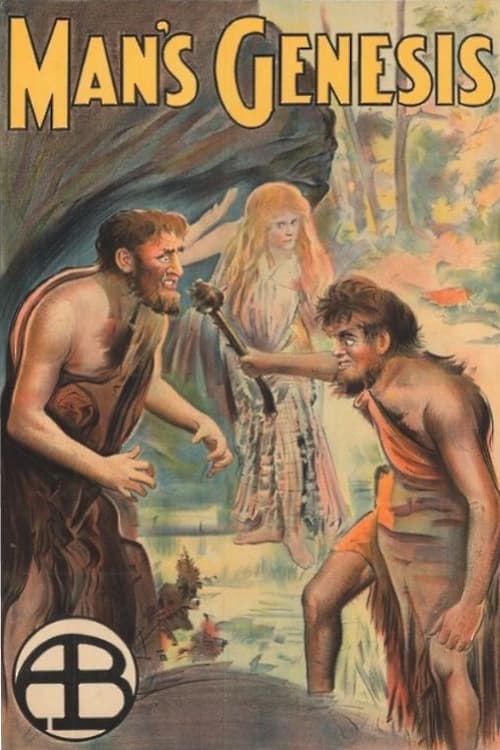
An old man tells his grandchildren about prehistoric man: Caveman Weakhands is unable to court a woman because of his physical weakness. Humiliated by Bruteforce, he bumps into Lillywhite, who has also been cowering in her cave in mourning. The two new lovers form a connection, but Bruteforce separates the couple and sends Weakhands scrambling. In his cave, Weakhands thinks up the design of a stone club. With this equalizer, he soon vanquishes Bruteforce and wins Lillywhite back again-- An early step in human progress.
Man's Genesis

Robert Stevens robs the bank where he is employed, and through the efforts of Calvin Stedman, the prosecuting attorney, he is sentenced to six years' imprisonment. While in jail his wife dies and his little daughter, Agnes, is placed in a convent.
Men and Women

A contest is being held in Cremona for the best violin, with Giannina's hand in marriage as the prize. Filippo is secretly in love with her, but is also ashamed of being a cripple, so he switches his superior violin with that of another apprentice, Sandro, whom Giannina loves.
The Violin Maker of Cremona
Set in London (but filmed in New Jersey), the story endeavors to prove that man's greatest enemy is liquor. When elderly tosspot John Warriner is shot for trespassing, Warriner's son holds property owner Sir Arthur Stanton. Thus begins a bitter and deadly feud between the Warriner and Stanton clans, fueled by rotgut booze.
Man's Enemy

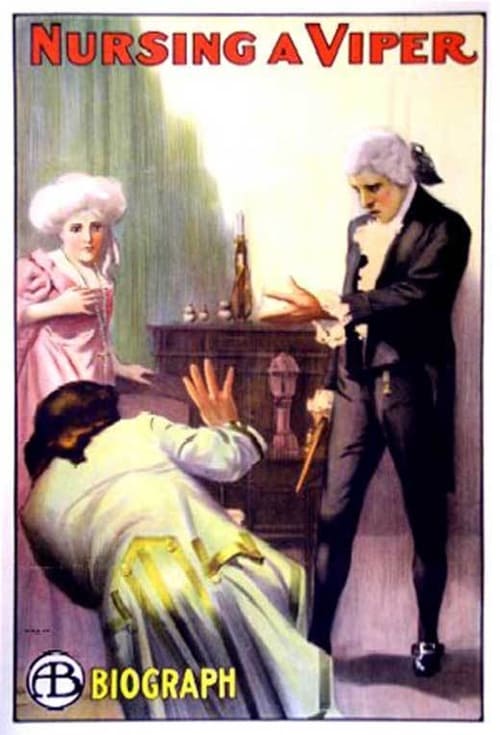
During the French Revolution, a wealthy couple lives safely by professing republican beliefs. When a mob attacks a nearby chateau an aristocrat bursts into the couple's home. They save his life by disguising him as a servant, but he soon forces his attentions on the wife. Hearing their struggle, the husband intervenes and, stripping the aristocrat of his disguise, thrusts him outdoors to be killed by the mob.
Nursing a Viper

STRONGHEART (1914) is a Native American Indian drama. Based on a famous play of the time, the film features an all-star cast. Originally five reels, the film was reissued at three reels in 1916.