Im Kwon-taek
Directing
Biography
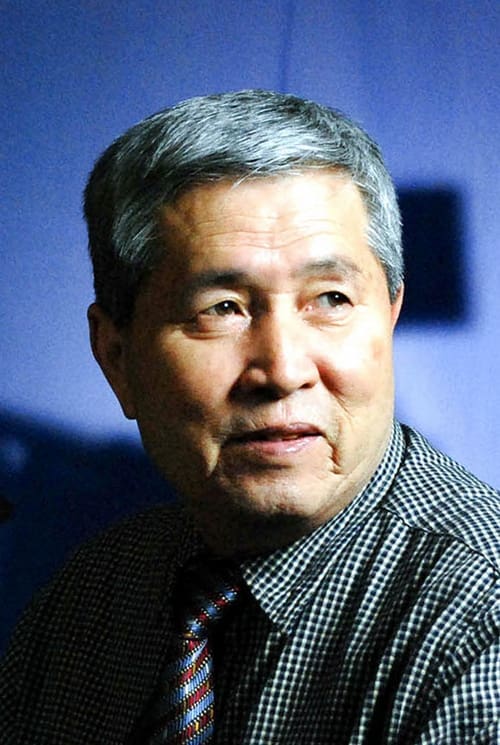
Im Kwon-taek (born May 2, 1936) is one of South Korea's most renowned film directors. In an active and prolific career, his films have won many domestic and international film festival awards as well as considerable box-office success, and helped bring international attention to the Korean film industry. As of spring 2015, he has directed 102 films.

Known For

Movie meets humanities! This talk show/variety show for movie enthusiasts features interesting discussions by a writer and two movie directors where film and humanities intertwine.
Movie Room

A drama centered on brother-and-sister musicians trained to perform the epic Korean poems known as pansori.
Beyond the Years

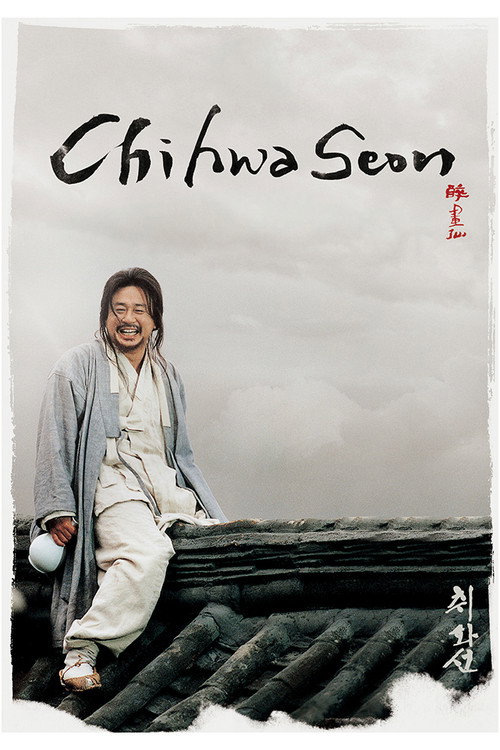
Jang Seung-eop, also known as "Chihwaseon," drinks and paints all day. Through Mae-hyang, he learns the meaning of fate, sees art beyond even the smallest things, and sets out for the path he seeks.
Chihwaseon
South Korean cinema is in the throes of a creative explosion where mavericks are encouraged and masters are venerated. But from where has this phenomenon emerged? What is the culture that has yielded this range of filmmakers? With The Nine Lives of Korean Cinema, French critic, writer and documentarian Hubert Niogret provides a broad overview but, nevertheless, an excellent entry point into this unique type of national cinema that still remains a mystery for many people. The product of a troubled social and political history, Korean cinema sports an identity that is unique in much modern film. Niogret's documentary tells of the country's cinematic history - the ups along with the downs - and gives further voice to the artists striving to express their concerns, fears and aspirations.
The Nine Lives of Korean Cinema

A middle-aged man who has recently lost his wife to cancer indulges in fantasies about a young woman at his work, in the new film from Korean master Im Kwon-taek.
Revivre

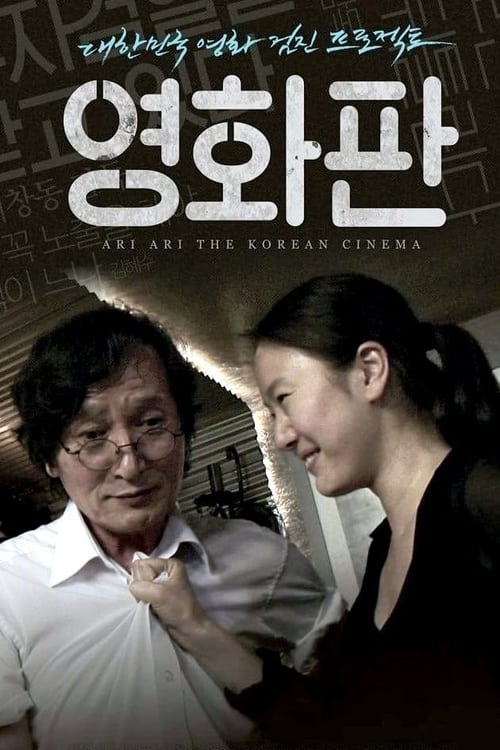
Director Chung Ji-Young criticizes the thought that older directors have difficulties in making certain movies. Actress Yoon Jin-Seo agonizes over her identity as an actress. In 2009, before the movie "Unbowed" was made, they met and planned a documentary about Korean movies, including the processes a Korean movie goes through and difficulites. "Ari Ari the Korean Cinema" is a documentary with interviews of Korean directors, actors and actresses.
Ari Ari the Korean Cinema

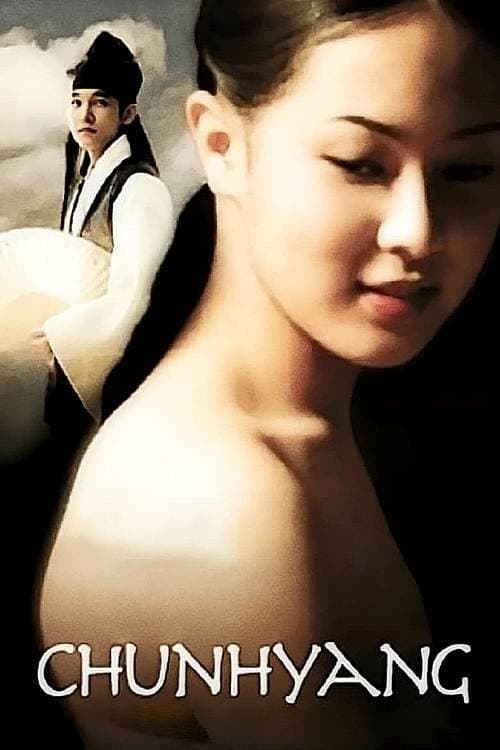
Once at a pagoda Mongryong Lee, a scion of a well-to-do family, meets Chunhyang, the young daughter of a courtesan and an aristocrat. Despite her low social standing she is smart and well-educated. The young people fall in love and think about marriage so that they could always be together. Mongryong is soon to go to the capital to take the state civil service exam. They part and in Chunhyang's life there appears the greedy and lustful Byun Hak-do, who tries to seduce her.
Chunhyang

Upon being released from prison, Kim Du-han begins rebuilding his street gang in the face of Hayashi's Yakuzas and increasing Japanese influence.
General's Son 2

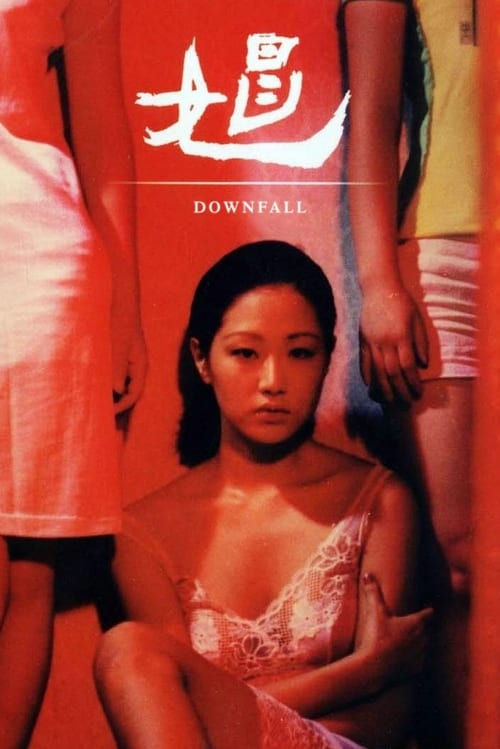
A young woman is tricked into prostitution, thinking she is going to sell beverages at a village store. She soon learns about the dark world of Korea's red-light districts, where their pimps and society exploit her.
Downfall

Based on the great river story, The Taebaek Mountains chronicles the lasting generational conflict between proprietors and peasants in South Korea.
The Taebaek Mountains

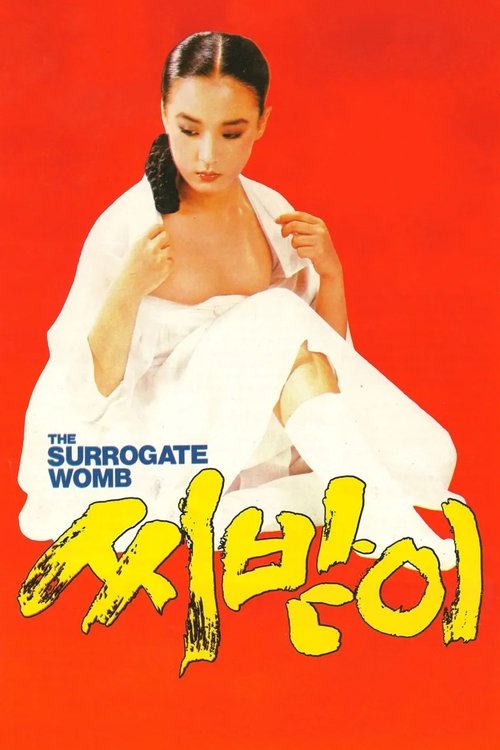
A barren noblewoman encourages her husband to take a young peasant as a surrogate to secure the male line.
The Surrogate Womb

Following the final events of General's Son 2, Kim Du-han is forced to go on the lam but eventually returns to Jongro where he attempts to rebuild his gang with the brothers that are still alive and loyal and defeat Hayashi's Yakuzas once and for all.
General's Son 3

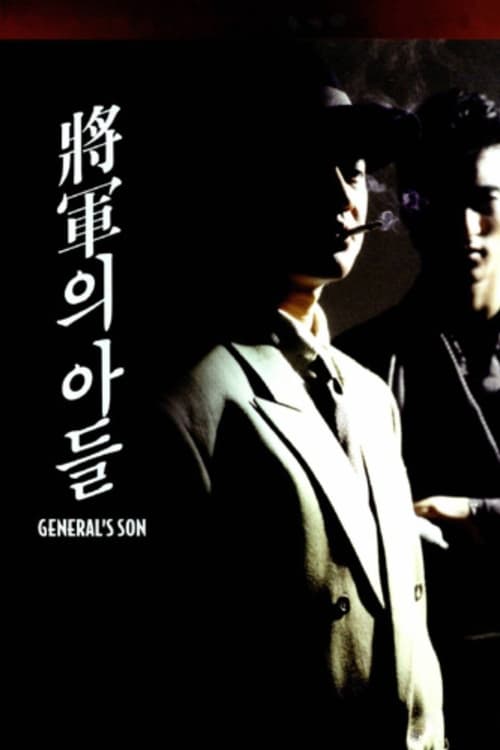
In Japanese-occupied South Korea, a young man, newly-released from prison, is accepted into a gang for his fighting skills and quickly rises to the top. Based on the life of South Korean mobster and politician Kim Du-han.
General's Son

Young is a nameless actor who dreams of becoming a big movie star. Then one day, he makes his breakthrough with a film and becomes a star overnight.
Rough Play

No description available.
Nostalgia

The 1930s. Wishing to pass down his knowledge, the father teaches his children to sing Pansori. The elder daughter and the younger son become professional singers but time has changed and people are no longer interested in folk singing. The younger boy gives up on his studies and runs away from home. Fearful that the daughter might do the same, the father blinds her. The blind girl continues to practice with great diligence and achieves perfection in this art. Years pass, the brother is roaming the world in search of his sister and eventually finds her. All night long they sing together sharing their memories.
Sopyonje

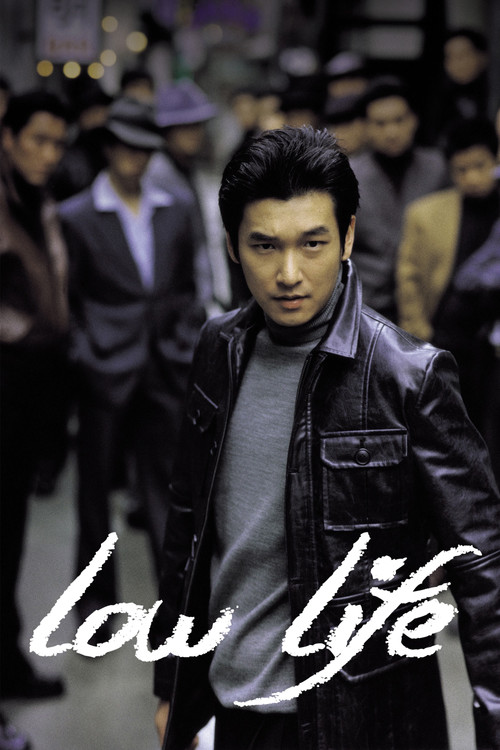
A sprawling story of one man's tumultuous life within the context of the South Korean political situation during the second half of the 20th century.
Low Life

In mid-19th Century Korea, the people of Joseon Dynasty embrace the new religion Donghak. After the founder is executed, Choi Si-hyeong becomes Donghak’s second-generation leader and successfully propagates the religion, but in doing so becomes the object of oppression by the royal court.
Fly High, Run Far

After the film screening, five people hold a meeting. Director Jeong asserts that a film should move the heart. Actress Soo-yeon emphasizes on the message of the film, Film critic Tony just discusses about the current trend of Korean cinema. Tomiyama cannot fully express her thoughts because of the language barrier. And, the head of jury, Sung-ki can’t control the situation. Will this jury reach an agreement against all odds? A satire for those who make, watch, and criticize films is about to begin.
Jury

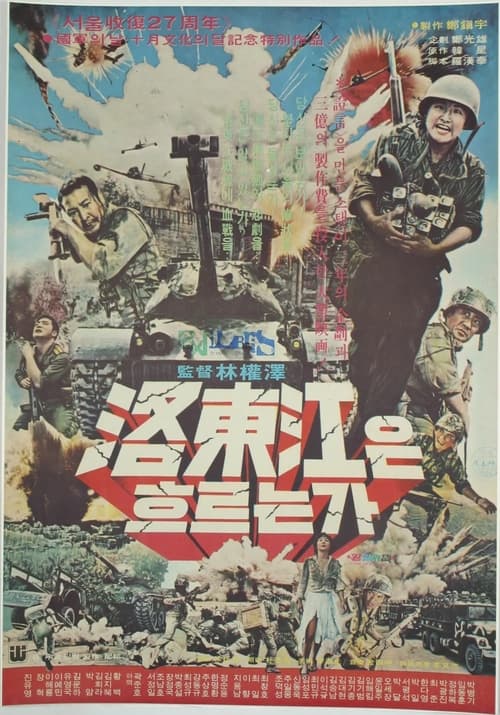
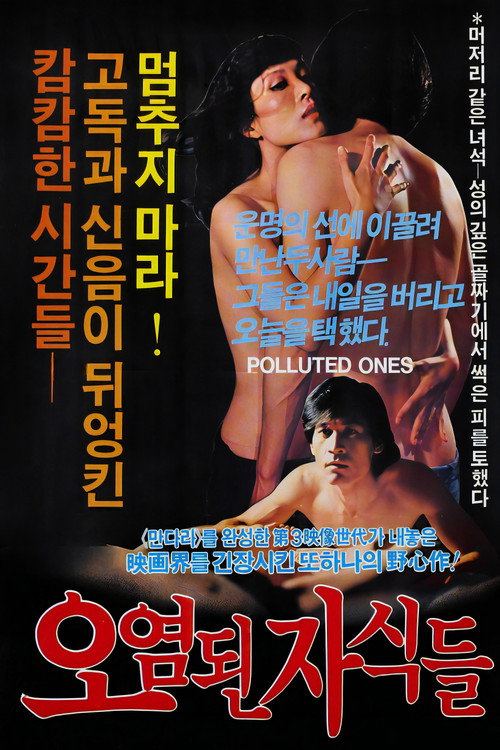
June 25, 1950. When second lieutenant Jang has a date with his girl friend during weekend, numerous North Korean jet fighters make sudden air raids to the skies of Seoul. It is the beginning of Korean War. In spite of Korean Army's brave defense, North Korean army reddens South Korea with their state-of-the-art weapons. This movie describes the progress of war from the invasion in June 25, 1950 to the reclamation of territory on the basis of Sun-A's personal experience. Also this film reminds hard lessons from tragic history.