FEEL IT.STREAM
Norman Foster

Norman Foster

Directing

Biography

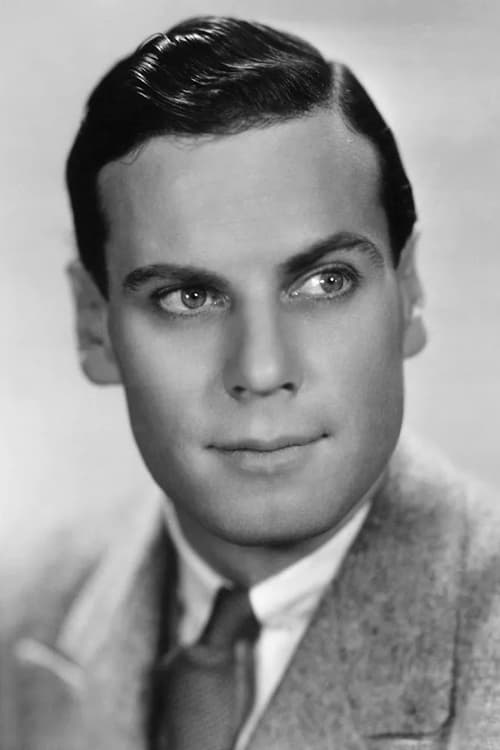
From Wikipedia, the free encyclopedia. Norman Foster (December 13, 1903 - July 7, 1976) was an American film director and actor. Born John Hoeffer in Richmond, Indiana, Foster originally became a cub reporter on a local newspaper in Indiana before going to New York in the hopes of getting a better newspaper job but there were no vacancies. He tried a number of theatrical agencies before getting stage work and later appeared on Broadway in the George S. Kaufman / Ring Lardner play June Moon in 1929. He has also acted in London, England. He started working in crowd scenes in films before moving to bigger parts. His film acting credits include Prosperity (1932), Pilgrimage (1933), Rafter Romance (1933) with Ginger Rogers and State Fair (1933). He has written several plays. He gave up acting in the late 1930s to pursue directing, although he occasionally appeared in movies and television programs. Some of Foster's directorial efforts include The Sign of Zorro (1958), and the stylish films noir Kiss the Blood Off My Hands (1948), Woman on the Run (1950) and Journey into Fear (1943). Foster directed Rachel and the Stranger and the Davy Crockett segments of Disneyland that were edited into feature films Davy Crockett, King of the Wild Frontier and Davy Crockett and the River Pirates where he did not accept any interference from Walt Disney. In 1967, he directed Brighty of the Grand Canyon, based on a children's novel by Marguerite Henry about a burro in the Grand Canyon National Park in Arizona. The film starred Joseph Cotten, Karl Swenson, Dick Foran, and Pat Conway. It was rumored that Orson Welles took over direction of Journey Into Fear, which Welles later denied. Foster was the director of the "My Friend Bonito" segment of Orson Welles' Pan-American anthology film It's All True until RKO aborted the project. Foster directed a number of Charlie Chan and Mr. Moto mysteries, including Charlie Chan in Panama (1940), Charlie Chan at Treasure Island (1939), Mr. Moto Takes a Vacation (1939), Charlie Chan in Reno (1939), Mr. Moto's Last Warning (1939), Mysterious Mr. Moto (1938), Mr. Moto Takes a Chance (1938), Thank You, Mr. Moto (1937), and Think Fast, Mr. Moto (1937). Foster was married to Claudette Colbert from 1928 until their divorce in 1935. In 1937, he wed actress Sally Blane, an older sister of Loretta Young. The couple remained married until his death in 1976 from cancer in Santa Monica at the age of 75. They had two children, Robert and Gretchen. He is buried in Culver City's Holy Cross Cemetery. Description above from the Wikipedia article Norman Foster, licensed under CC-BY-SA,full list of contributors on Wikipedia.
Known For

Batman
7.3

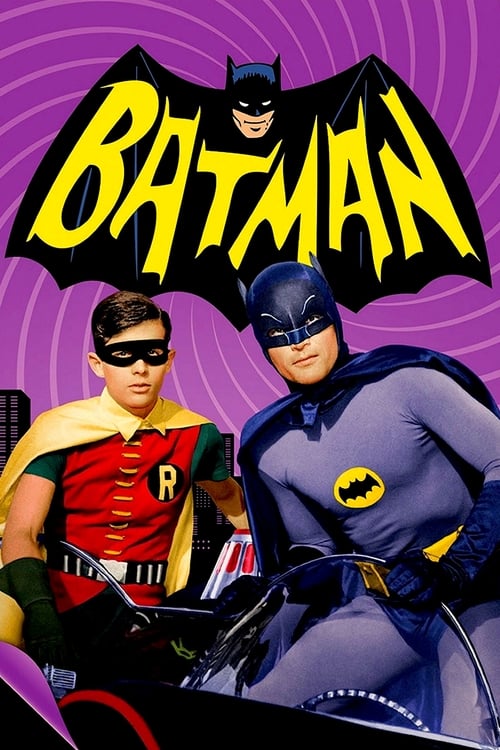
Wealthy entrepreneur Bruce Wayne and his ward Dick Grayson lead a double life: they are actually crime fighting duo Batman and Robin. A secret Batpole in the Wayne mansion leads to the Batcave, where Police Commissioner Gordon often calls with the latest emergency threatening Gotham City. Racing to the scene of the crime in the Batmobile, Batman and Robin must (with the help of their trusty Bat-utility-belt) thwart the efforts of a variety of master criminals, including The Riddler, The Joker, Catwoman, and The Penguin.

Batman

1966
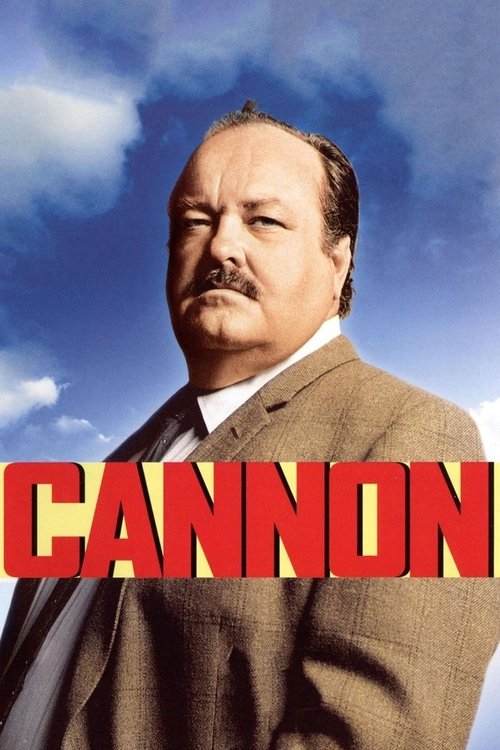
Cannon
6.7

Cannon is a CBS detective television series produced by Quinn Martin which aired from March 26, 1971 to March 3, 1976. The primary protagonist is the title character, private detective Frank Cannon, played by William Conrad. He also appeared on two episodes of Barnaby Jones. Cannon is the first Quinn Martin-produced series to be aired on a network other than ABC. A "revival" television film, The Return of Frank Cannon, was aired on November 1, 1980. In total, there were 124 episodes.

Cannon

1971
Zorro
7.5

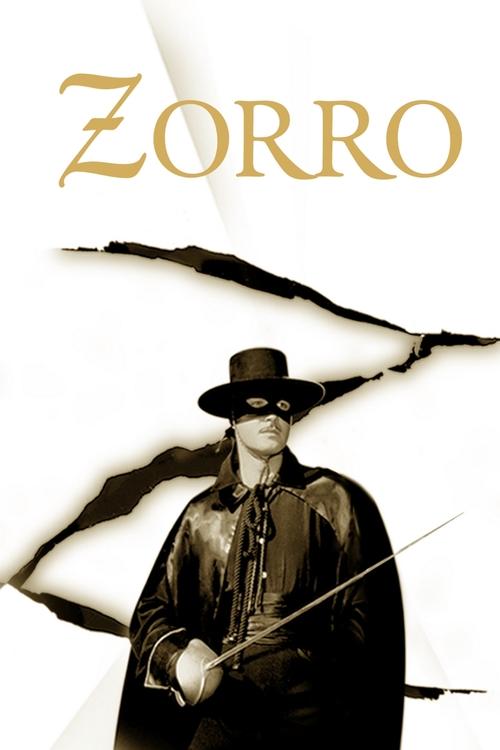
Diego de la Vega, the son of a wealthy landowner, returns from his studies in Spain and discovers that Los Angeles is under the command of Capitan Monastario, a cruel man who relishes in the misuse of his power for personal gain. Knowing that he cannot hope to single-handedly defeat Monastario and his troops, Diego resorts to subterfuge. He adopts the secret identity of Zorro, a sinister figure dressed in black, and rides to fight Monastario's injustice.

Zorro

1957
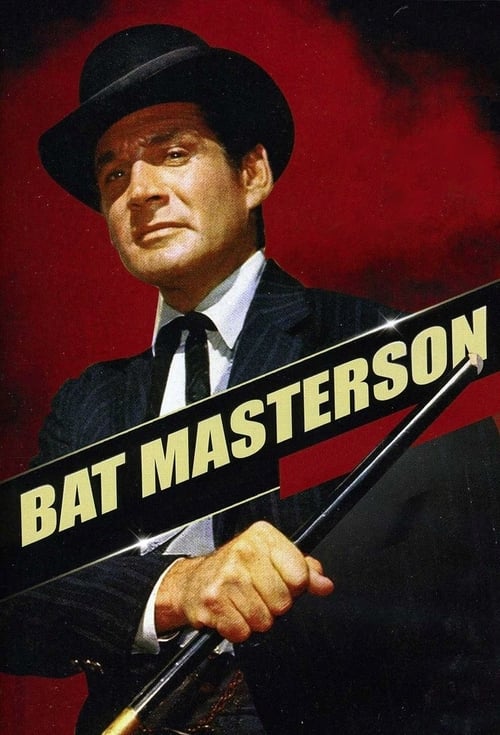
Bat Masterson
6.1

Bat Masterson is an American Western television series which showed a fictionalized account of the life of real-life marshal/gambler/dandy Bat Masterson. The title character was played by Gene Barry and the half-hour black-and-white shows ran on NBC from 1958 to 1961. The series was produced by Ziv Television Productions, the company responsible for such hit series as Sea Hunt and Highway Patrol.

Bat Masterson

1958
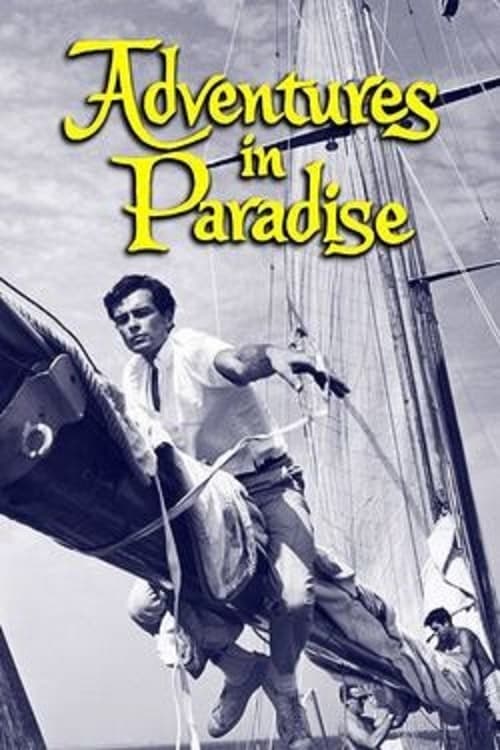
Adventures in Paradise
6.1

Adventures in Paradise is an American television series created by James Michener which ran on ABC from 1959 until 1962, starring Gardner McKay as Adam Troy, the captain of the schooner Tiki III, which sailed the South Pacific looking for passengers and adventure. USA Network aired reruns of this series between 1984 and 1988. The plots deal with the romantic and detective stories of Korean War veteran Troy. The supporting cast, varying from season to season, features George Tobias, Guy Stockwell, and Linda Lawson.

Adventures in Paradise

1959
Cavalcade of America
4.6

Cavalcade of America is an anthology drama series that was sponsored by the DuPont Company, although it occasionally presented a musical, such as an adaptation of Show Boat, and condensed biographies of popular composers. It was initially broadcast on radio from 1935 to 1953, and later on television from 1952 to 1957. Originally on CBS, the series pioneered the use of anthology drama for company audio advertising. Cavalcade of America documented historical events using stories of individual courage, initiative and achievement, often with feel-good dramatizations of the human spirit's triumph against all odds. This was consistent with DuPont's overall conservative philosophy and legacy as an American company dating back to 1802. The company's motto, "Maker of better things for better living through chemistry," was read at the beginning of each program, and the dramas emphasized humanitarian progress, particularly improvements in the lives of women, often through technological innovation.

Cavalcade of America

1952
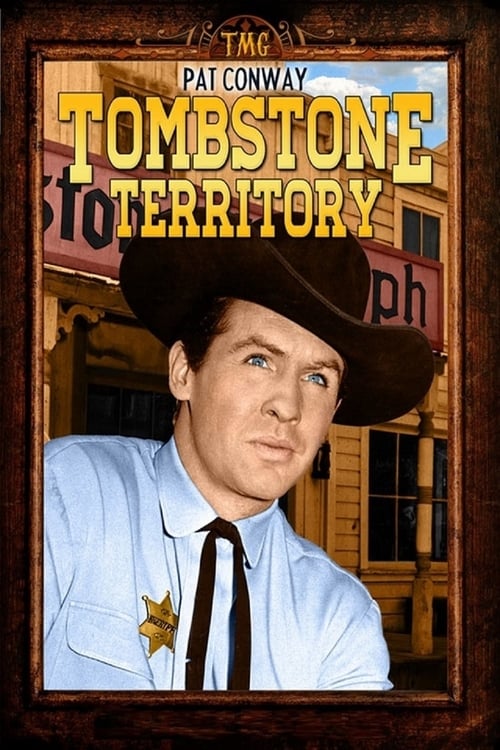
Tombstone Territory
6.8

Tombstone Territory is an American Western series starring Pat Conway and Richard Eastham. The series' first two seasons aired on ABC from 1957 to 1959. The third and final season aired in syndication from 1959 until 1960.

Tombstone Territory

1957
The Green Hornet
7.3

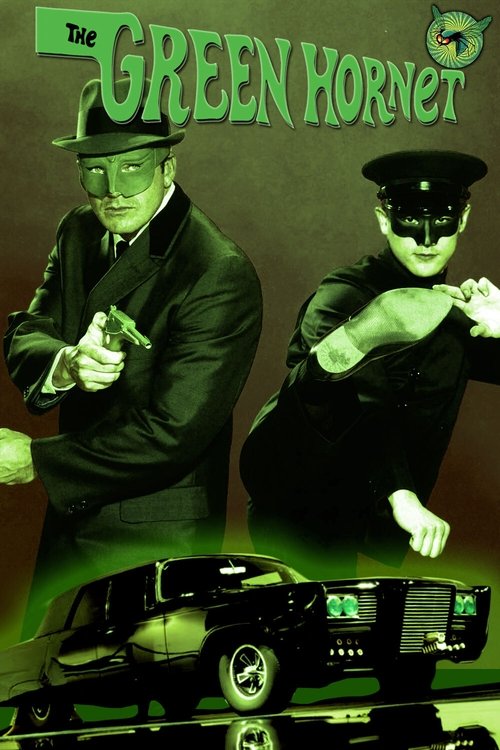
The Green Hornet is a television series on the ABC US television network that aired for the 1966–1967 TV season starring Van Williams as the Green Hornet/Britt Reid and Bruce Lee as Kato.

The Green Hornet

1966
The Wonderful World of Disney
7.9

Walt Disney Productions has produced an anthology television series under several different titles since 1954. The original version of the series premiered on ABC, Wednesday night, October 27, 1954. The show, which was hosted by Walt Disney until his death and then from 1996 to 2002 by then-CEO Michael Eisner (with one-off hosts or no hosts during other periods) has since aired continually as either a weekly program or an irregular series of specials on several networks and streaming services, most recently on ABC and Disney+. The show is the second longest showing prime-time program on American television, behind its rival, Hallmark Hall of Fame. However, Hallmark Hall of Fame was a weekly program only during its first five seasons, while Disney remained a weekly program for more than forty years.

The Wonderful World of Disney

1954
The Loner
6.3

The Loner is an American western series that ran for less than one season on CBS from 1965 to 1966, under the alternate sponsorship of Philip Morris and Procter & Gamble.

The Loner

1965
The Monroes
6.8

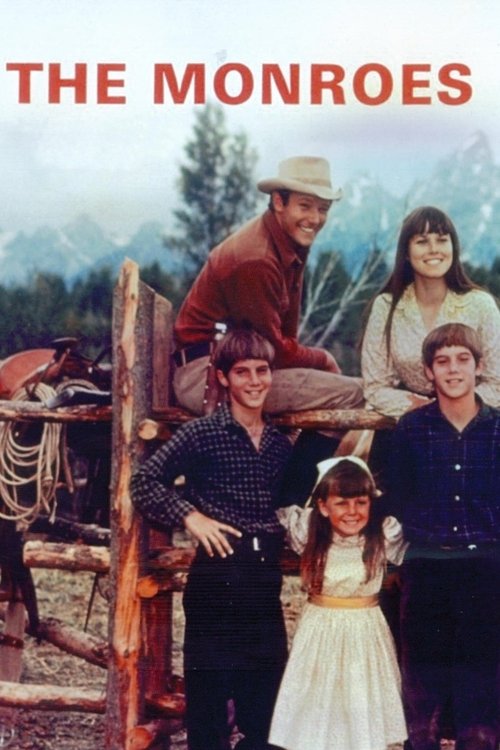
The Monroes is a 26-segment Western television series which originally aired on ABC during the 1966-1967 season. The series centers around the story of five orphans trying to survive as a family on the frontier in the area around, what is now, Grand Teton National Park near Jackson, Wyoming.

The Monroes

1966
Letter to Loretta
6.6

Letter to Loretta is an American anthology drama series telecast on NBC from September 1953 to June 1961 for a total of 165 episodes. The filmed show was hosted by Loretta Young who also played the lead in various episodes. Letter to Loretta was sponsored by Procter & Gamble from 1953 through 1960. The final season's sponsor was Warner-Lambert's Listerine.

Letter to Loretta

1953
Custer
6.4

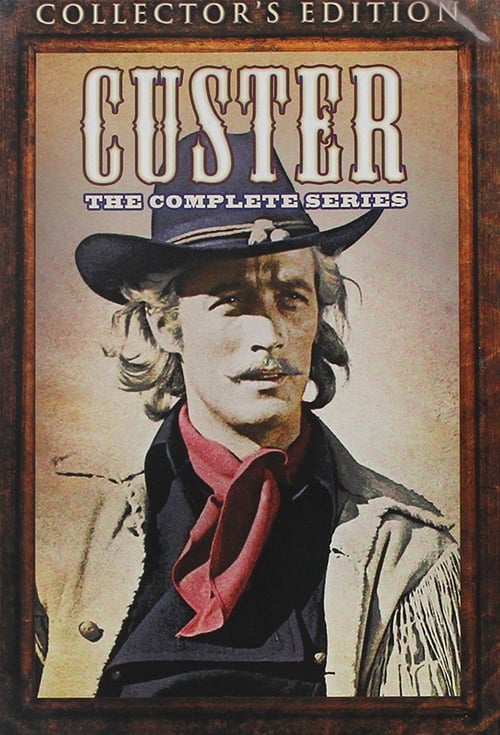
Custer, also known as The Legend of Custer, is a 17-episode military-western television series which ran on ABC from September 6 to December 27, 1967, with Wayne Maunder in the starring role of then Lieutenant Colonel George Armstrong Custer. During the American Civil War, Custer had risen to the rank of major general, the youngest in the Union Army. He was demoted after the war during force reductions to the rank of Captain, but was reinstated in 1866 as a Lieutenant Colonel in command of the Seventh Cavalry, stationed at Fort Riley, Kansas. Many of the soldiers in the regiment were derelicts, former Confederates, or even criminals. The series was cancelled before the script timeline would have reached the Little Big Horn River of southeastern Montana, where all perished on June 25, 1876, in a Sioux Indian ambush, Robert F. Simon played Custer's commanding officer, U.S. General Alfred H. Terry, who disapproved of Custer's long hair and much of his methodology of fighting Indians. Slim Pickens starred as a scout named California Joe Milner. Michael Dante appeared as Sioux Chief Crazy Horse. Peter Palmer played Sergeant James Bustard, a former Confederate soldier. Grant Woods appeared as Captain Myles Keogh. Read Morgan, formerly a cavalry officer on NBC's The Deputy, appeared in the episode "Spirit Woman" in the role of a medicine man.

Custer

1967
The Wonderful World of Disney
8.0

No description available.

The Wonderful World of Disney

1961
The New Loretta Young Show
7.5

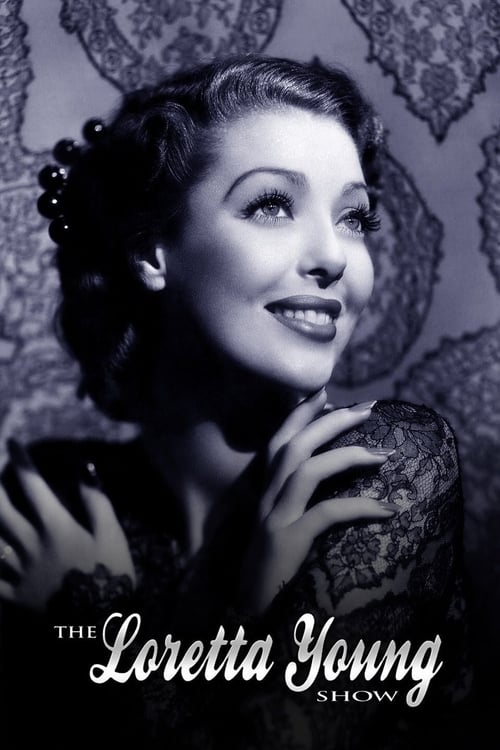
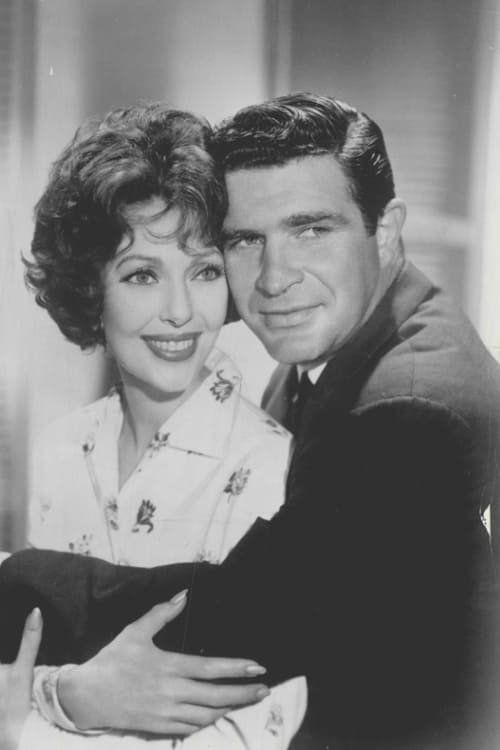
The New Loretta Young Show, is an American television series, which aired for twenty-six weekly episodes on CBS television from September 24, 1962 to March 18, 1963, features Loretta Young in a combination drama and situation comedy about a free-lance writer in suburban Connecticut named Christine Massey, the widowed mother of seven children. The program is the only one in which Young starred as a recurring character. Her previous anthology series on NBC placed her in the role of hostess and occasional star. Young is the first star to garner both Academy and Emmy awards, one of a relatively few to make the transition from motion picture to television. Though it followed the popular The Andy Griffith Show on CBS, The New Loretta Young Show, sponsored by Lever Brothers, proved unable to sustain the needed audience in competition at 10 p.m. Eastern time on Mondays with the ABC medical drama Ben Casey starring Vince Edwards and Sam Jaffe, which entered its second season. NBC fielded David Brinkley's Journal at the same time, reflections of the news correspondent David Brinkley. The New Loretta Young Show was hence quietly dropped at the end of winter in 1963. Young had formed LYL Production Company for the series, an indication that she did not expect a premature end to the program. Norman Foster directed most of the episodes; John London and Ruth Roberts were the producers.

The New Loretta Young Show

1962
Davy Crockett
6.1

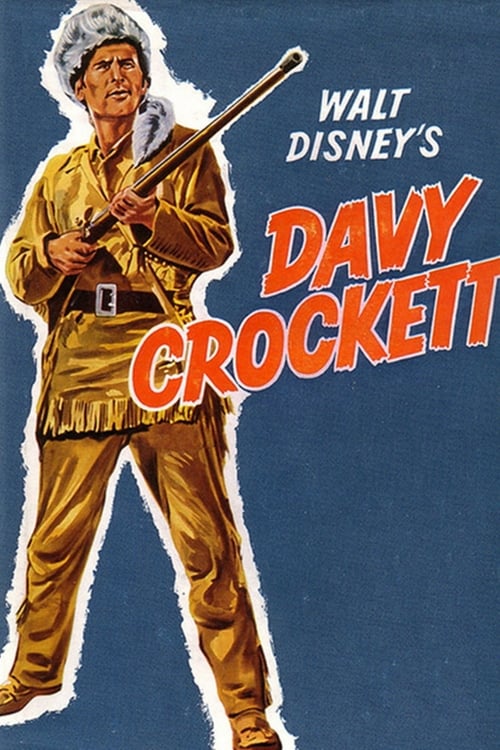
Davy Crockett is a five-part serial which aired on ABC in one-hour episodes on the Disneyland series. The series stars Fess Parker as real-life frontiersman Davy Crockett and Buddy Ebsen as his friend, George Russel. The first three episodes of the serial were edited together as the 1955 theatrical film Davy Crockett, King of the Wild Frontier, and rebroadcast in color in the 1960s when the Disney program went to NBC. This series and film are known for the catchy theme song, "The Ballad of Davy Crockett". It was filmed in color at the Great Smoky Mountains National Park at the Mountain Farm Museum adjacent to the visitor center at Oconaluftee near Qualla Reservation's entrance and Janss Conejo Ranch, California. The final two episodes were edited together as the 1956 theatrical film Davy Crockett and the River Pirates. It was filmed in Cave-In-Rock, Illinois.

Davy Crockett

1954
The Other Side of the Wind
6.7

At a media-swamped party to celebrate his seventieth birthday and screen his avant-garde film-in-progress, a legendary but jaded Hollywood director is faced both with voracious fans and unsettling questions about what became of his lead actor.

The Other Side of the Wind

2018
The Green Hornet
6.7

After the superstardom and early death of Bruce Lee, 20th Century Fox decided to cobble together a couple of theatrical feature films from this property, of which this 1974 effort is the first. The bulk of the film consists of four episodes crudely spliced together. Scattered throughout are bizarrely irrelevant fight scenes from other episodes, which make the already disjointed plotting quite surreal. The television image was cropped to make a widescreen film, which means the tops of heads and hats are lopped off the frame with alarming regularity.

The Green Hornet

1974
Santa
6.2

Santa is a beautiful and very humble young girl living in Chimalistac, a small and quiet spot south of the 1930's Mexico City. After Santa is cheated by arrogant soldier Marcelino, she's rejected by her family and friends and expelled of Chimalistac. Santa finds shelter in a whorehouse and becomes a cinic and bitter woman, mistreated by bullfighter "Jarameno" and silently loved by blind pianist Hipolito.

Santa

1943
Charlie Chan at Treasure Island
6.7

Charlie Chan's investigation of a blackmail-induced suicide as a case of murder leads him into a world of magick and mysticism peopled with a stage magician, a phoney spiritualist, and a for-real mind reader.

Charlie Chan at Treasure Island

1939