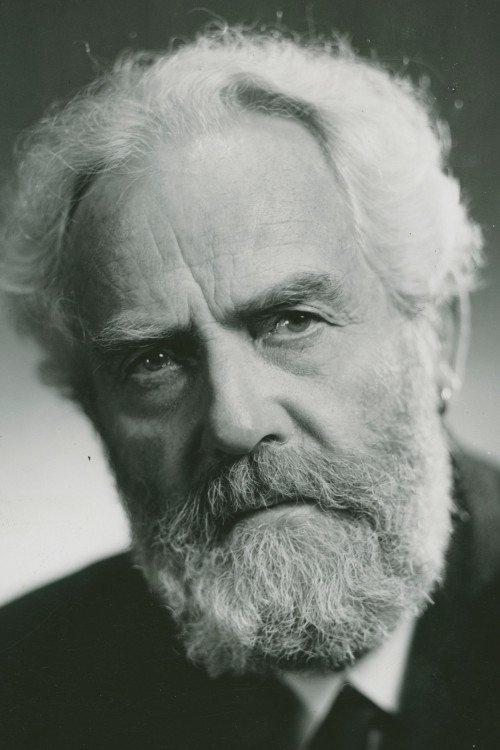
Victor Sjöström
Directing
Biography
Victor David Sjöström (September 20, 1879 – January 3, 1960), sometimes known in the United States as Victor Seastrom, was a pioneering Swedish film director, screenwriter, and actor. He began his career in Sweden, before moving to Hollywood in 1924. Sjöström worked primarily in the silent era; his best known films include The Phantom Carriage (1921), He Who Gets Slapped (1924), and The Wind (1928). Sjöström was Sweden's most prominent director in the "Golden Age of Silent Film" in Europe. Later in life, he played the leading role in Ingmar Bergman's Wild Strawberries (1957).
Known For

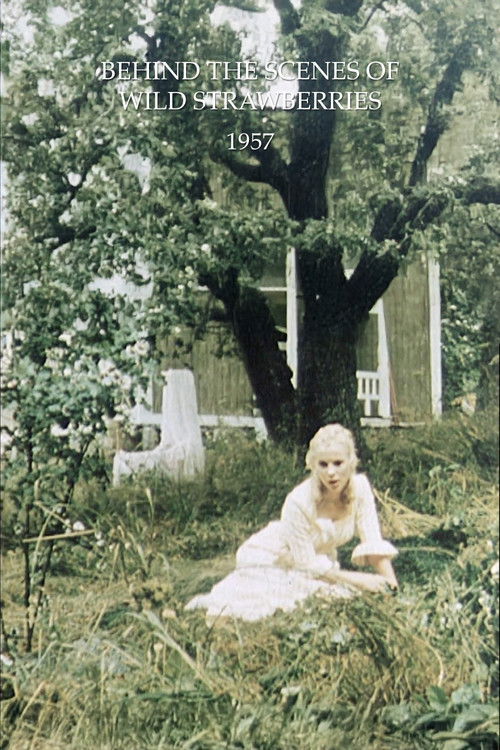
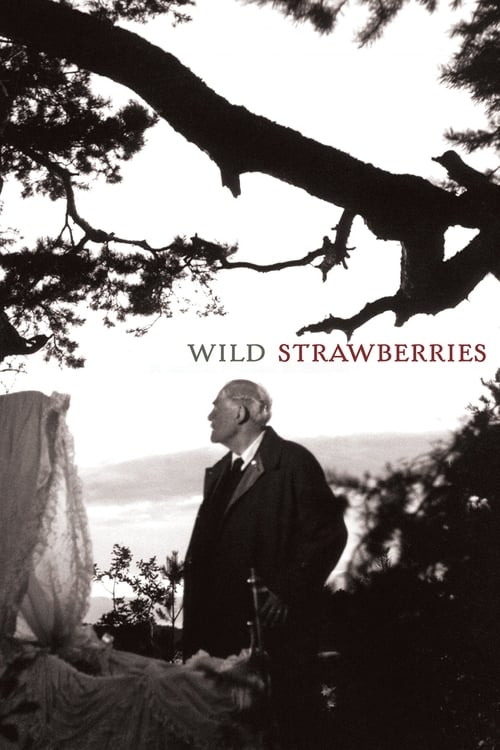
Crotchety retired doctor Isak Borg travels from Stockholm to Lund, Sweden, with his pregnant and unhappy daughter-in-law, Marianne, in order to receive an honorary degree from his alma mater. Along the way, they encounter a series of hitchhikers, each of whom causes the elderly doctor to muse upon the pleasures and failures of his own life. These include the vivacious young Sara, a dead ringer for the doctor's own first love.
Wild Strawberries

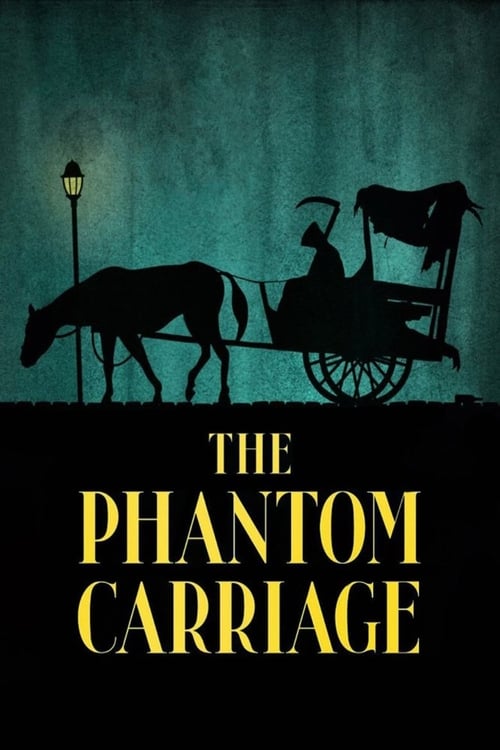
An alcoholic, abusive ne'er-do-well is shown the error of his ways through a legend that dooms the last person to die on New Year's Eve before the clock strikes twelve to take the reins of Death's chariot and work tirelessly collecting fresh souls for the next year.
The Phantom Carriage

After a baron steals his scientific discoveries, runs away with his wife, and slaps him in public, a man joins a Parisian circus sideshow as a clown whose act consists of being slapped repeatedly and becomes infatuated with a showgirl colleague whose father intends to marry her off to the baron.
He Who Gets Slapped

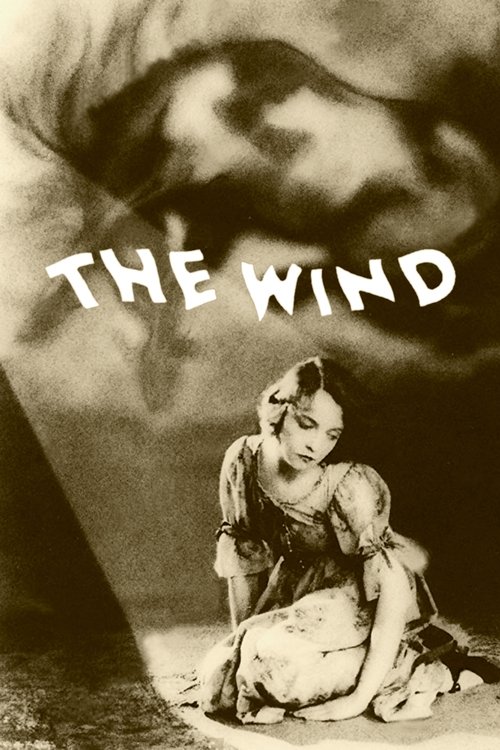
When Letty Mason relocates to West Texas, she finds herself unsettled by the ever-present wind and sand. Arriving at her new home at the ranch of her cousin, Beverly, she receives a surprisingly cold welcome from his wife, Cora. Soon tensions in the family and unwanted attention from a trio of suitors leave Letty increasingly disturbed.
The Wind

Jan-Erik Widgren meets the lonely Bertha Olsson, a woman struggling with alcoholism. Though Bertha is already linked to Caligula, Jan-Erik's heartless teacher, she begins a relationship with the boy anyway. When Caligula learns that Jan-Erik is having an affair with Bertha, he begins to torture his student psychologically. He reserves his cruelest behavior for Bertha, however, which results in a tragic turn of events.
Torment

Terje Vigen, a sailor, suffers the loss of his family through the inflexibility of another man. Years later, when his enemy's family finds itself dependent on his benevolence, Terje must decide whether to avenge himself.
A Man There Was

In Puritan Boston, seamstress Hester Prynne and kindly Reverend Arthur Dimmesdale fall in love. After Dimmesdale must go away for a time to England, he returns to discover that Hester has given birth to their child and is the focus of local censure.
The Scarlet Letter

A tribute to Swedish film, which was made to celebrate the 100th anniversary of film in 1995 and consists of about a hundred clips from Swedish film history with many of its stars.
Stjärnbilder

In 1620s France, dreaded swordsman Gil de Berault returns from carrying out a mission for Cardinal Richelieu, and finds the Cardinal worried about growing opposition from the Huguenots in the south. The Cardinal also warns de Berault that dueling has been outlawed, and will henceforth be punishable by death. Gil, however, promptly disobeys the law and is indeed sentenced to death. The Cardinal offers to cancel the sentence if de Berault is able to capture the duke who is organizing plans for an uprising. Gil travels to the duke's castle and is allowed to stay as a guest, but the duke's wife and sister immediately suspect that he is a spy. He and his servant still make good progress, until he falls in love with the duke's sister, which complicates everything.
Under the Red Robe

A quick overview of Swedish film history, featuring a breathtaking cavalry of scenes from about 170 films.
Minns ni?

A young orchestra violinist’s fear of mediocrity and drive for artistic success strain his marriage to a fellow musician. Told largely in flashback and shaped by Beethoven’s Ninth Symphony, the film examines ambition, love, and loss in early Ingmar Bergman.
To Joy
A naval adventure that focuses on the rivalry among the crew, particularly the indignation wrought by the behavior of inplacable Captain Steen. Dick, one of the sailors, is one of the most rebellious and draws up plans to exact vengeance. The opportunity arises, but an incident that may sink the ship changes the focus of attention. The lighting for the film and the composition of the scenes are regarded as the highlights of the movie.
The Hell Ship

Lena Bergström works in an office and is unhappily in love with her boss, Johan Borg. She decides to quit. Borg's wife won't have any children, and when she becomes pregnant she has an illegal abortion. For some reason, Lena's father believes that it is Lena who has had an abortion.
Walpurgis Night

A tour of the Metro-Goldwyn-Mayer Studio in 1925 shows the people who make the movies there, and gives viewers a glimpse at how movies are made.
1925 Studio Tour

Two part biography of Greta Garbo - 1. The Temptress 2. The Clown. Reminiscences of her early life in Stockholm, with excerpts from her films. Narrated by Bibi Andersson.
Greta Garbo: The Temptress and the Clown

A small-town piano teacher is shocked by the arrival of her foster daughter's biological mother, whose young lover soon follows and causes further disruption.
Crisis

A stranger comes to work at widow Halla's farm. Halla and the stranger fall in love, but when he is revealed as Eyvind, an escaped thief forced into crime by his family's starvation, they flee and become two of the many outlaws of Iceland's mountains.
The Outlaw and His Wife

The King of Illyris marries a neighboring princess, who finds out he has a mistress, Sephora. Revolted, she turns to Prince Alexei for friendship. Turmoil increases as a revolution demands the abdication of the King and the Queen opposes this decision.
Confessions of a Queen

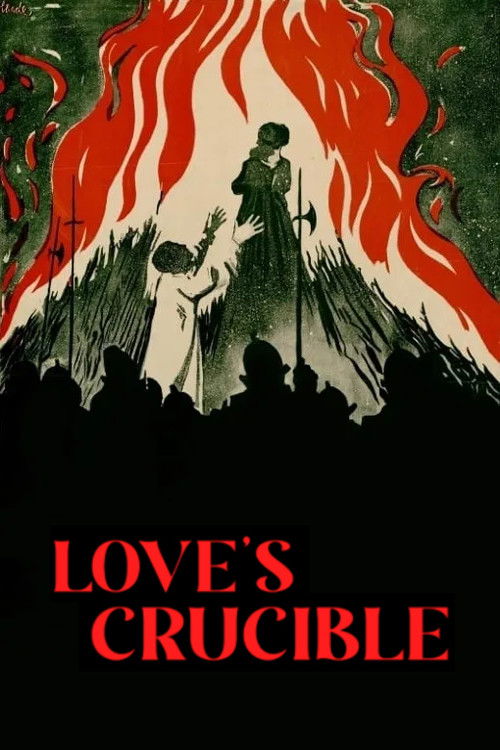
At the end of the middle ages, Ursula is accused of having poisoned her own husband. She claims she is innocent, but to prove it, she must submit to a ritual: trial by fire, walking on fire along a path leading directly to a crucifix. A film that has been much commended for the visual creativity shown by the director in successive blending in of images involving Ursula, her husband, the Virgin Mary, and Jesus Christ. Much applauded, also: the performance of Jenny Hasselqvist, thus described by French director René Clair: “We shall never forget her flaming eyes, the severity of her spirit, her abrupt and alarmed expressions, like an animal under threat.”
Love's Crucible

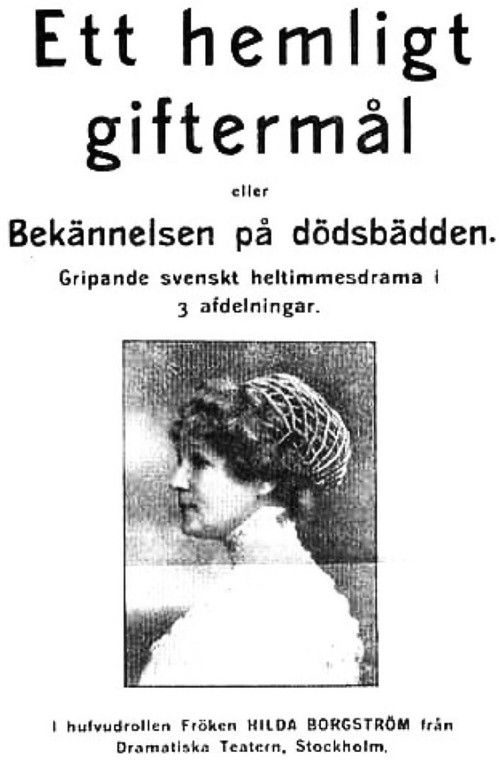
A film about family secrets... and deathbed confessions.