Acting
Revolves around typical family problems, such as firing a clumsy housekeeper, throwing a retirement bash for a colleague, and finding quality time away from the children.
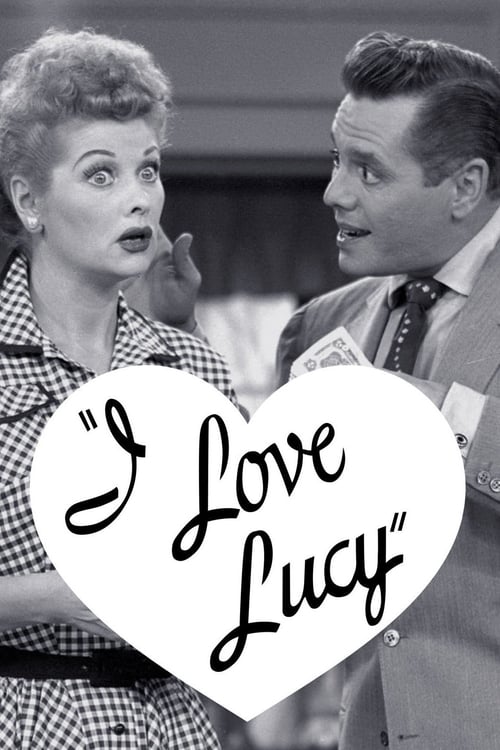
Cuban Bandleader Ricky Ricardo would be happy if his wife Lucy would just be a housewife. Instead she tries constantly to perform at the Tropicana where he works, and make life comically frantic in the apartment building they share with landlords Fred and Ethel Mertz, who also happen to be their best friends.
This show started in New York City, with Broadway actors and actresses. It then moved to Hollywood, California, where Hollywood actors and actresses headed the cast.
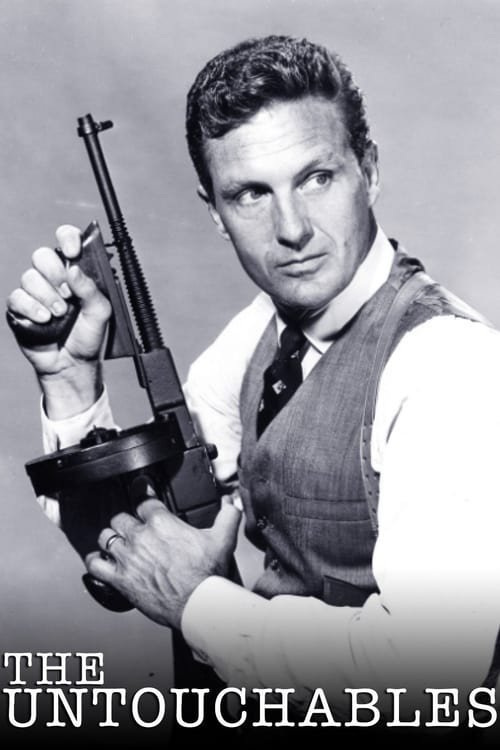
Special Agent Eliot Ness and his elite team of incorruptible agents battle organized crime in 1930s Chicago.
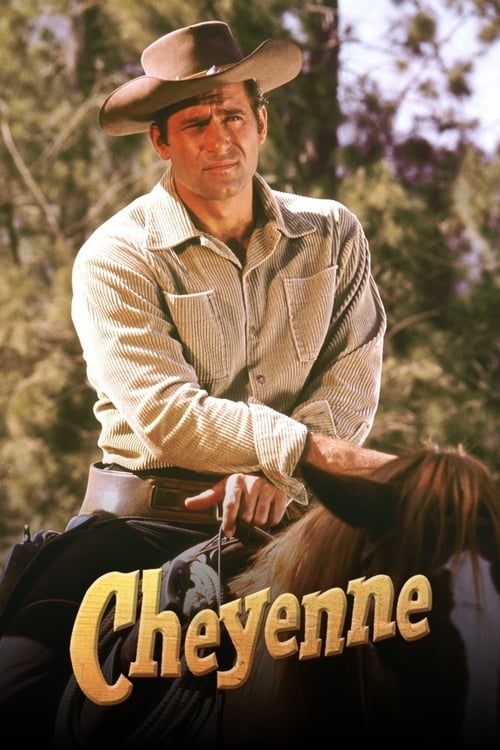
Cheyenne Bodie was a big man, a former army scout who went west after the American Civil War and drifted from job to job, here a cowboy, there a lawman, and always a larger-than-life hero. CHEYENNE is an American western television series of 108 black-and-white episodes broadcast on ABC from 1955 to 1963. The show was the first hour-long western, and in fact the first hour-long dramatic series of any kind, with continuing characters, to last more than one season. It was also the first series to be made by a major Hollywood film studio which did not derive from its established film properties, and the first of a long chain of Warner Brothers original series produced by William T. Orr.
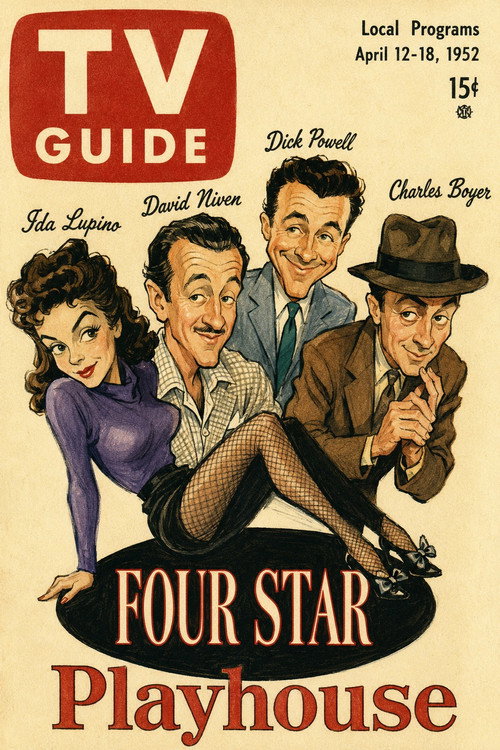
Four Star Playhouse is an American television anthology series that ran from 1952 to 1956, sponsored in its first bi-weekly season by The Singer Company; Bristol-Myers became an alternate sponsor when it became a weekly series in the fall of 1953. The original premise was that Charles Boyer, Ida Lupino, David Niven, and Dick Powell would take turns starring in episodes. However, several other performers took the lead from time to time, including Ronald Colman and Joan Fontaine. Blake Edwards was among the writers and directors who contributed to the series. Edwards created the recurring character of illegal gambling house operator Willie Dante for Dick Powell to play on this series. The character was later revamped and spun off in his own series starring Howard Duff, then-husband of Lupino. The pilot for Meet McGraw, starring Frank Lovejoy, aired here, as did another episode in which Lovejoy recreated his role of Chicago newspaper reporter Randy Stone, from the radio drama Nightbeat.
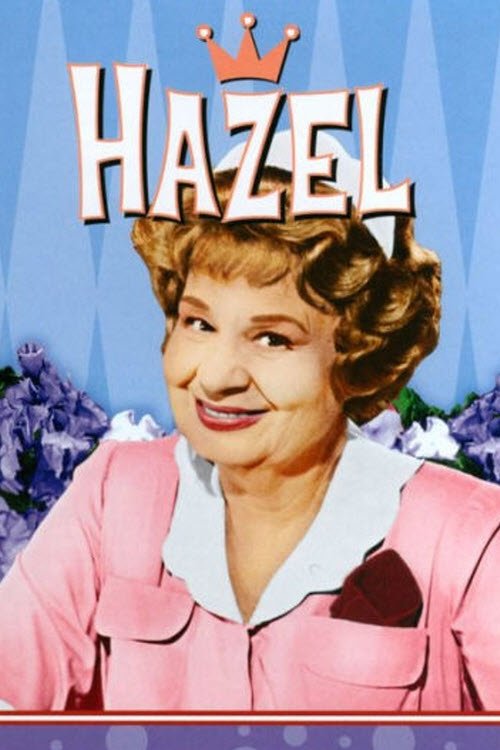
Hazel is an American sitcom about a fictional live-in maid named Hazel Burke and her employers, the Baxters. The five-season, 154-episode series aired in primetime from September 28, 1961 until April 11, 1966 and was produced by Screen Gems. The show aired on NBC for its first four seasons, and then on CBS for its final season. The first season, except for one color episode was in black and white, the remainder in color. The show was based on the popular single-panel comic strip by cartoonist Ted Key, which appeared in the Saturday Evening Post.
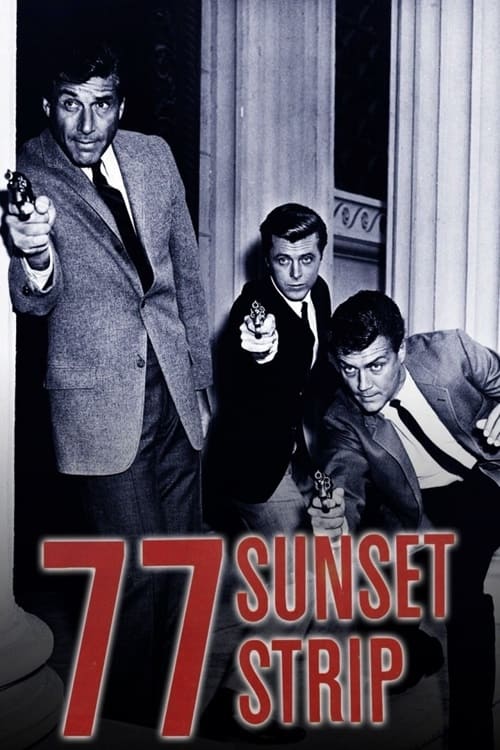
Stu Bailey and Jeff Spencer are the wisecracking, womanizing private-detective heroes of this Warner Brothers drama. They work out of an office located at 77 Sunset Strip in Los Angeles, California, right next door to a snazzy restaurant where Kookie works as a valet. The finger-snapping, slang-talking Kookie occasionally helps Stu and Jeff with their cases, and eventually becomes a full-fledged member of the detective agency. Rex Randolph and J.R. Hale also join the firm, and Suzanne is their leggy secretary.
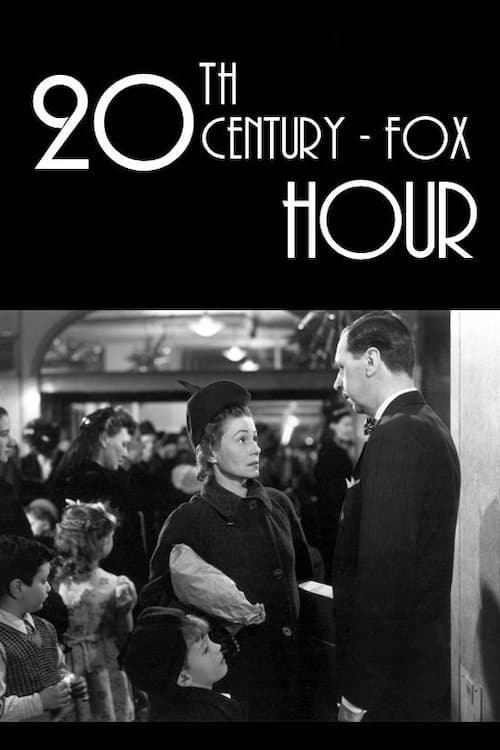
The 20th Century Fox Hour is an American drama anthology series televised in the United States on CBS from 1955 to 1957. Some of the shows in this series were restored, remastered and shown on the Fox Movie Channel in 2002 under the title Hour of Stars. The season one episode Overnight Haul, starring Richard Conte and Lizabeth Scott, was released in Australia as a feature film.
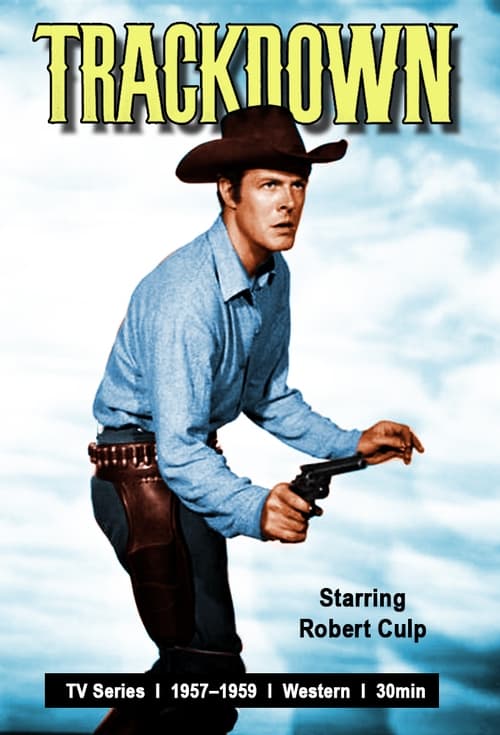
Trackdown is an American Western television series starring Robert Culp that aired on CBS between 1957 and 1959. More than seventy episodes of this series were produced by Dick Powell's Four Star Television and filmed at the Desilu-Culver Studio. The series was itself a spin-off of Powell's anthology series, Dick Powell's Zane Grey Theater.
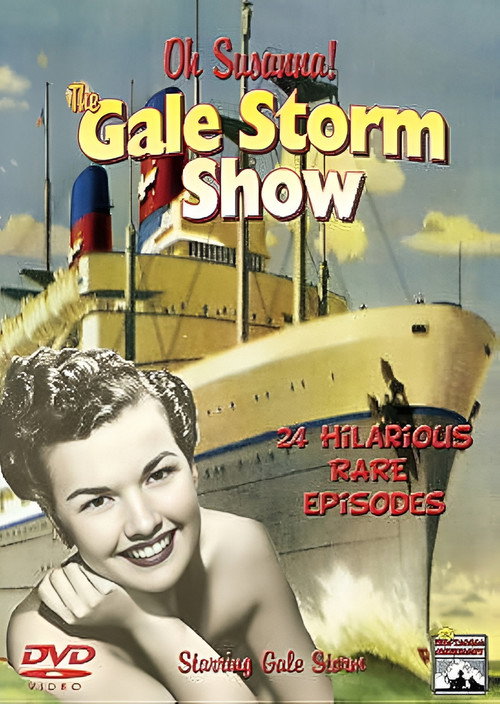
The Gale Storm Show is an American sitcom starring Gale Storm. The series premiered on September 29, 1956, and ran until 1960 for 143 half-hour black-and-white episodes, initially on CBS and in its last year on ABC. The Gale Storm Show was co-produced by Independent Television Corporation and Hal Roach Studios. The series was aired under the title Oh, Susanna in syndication.
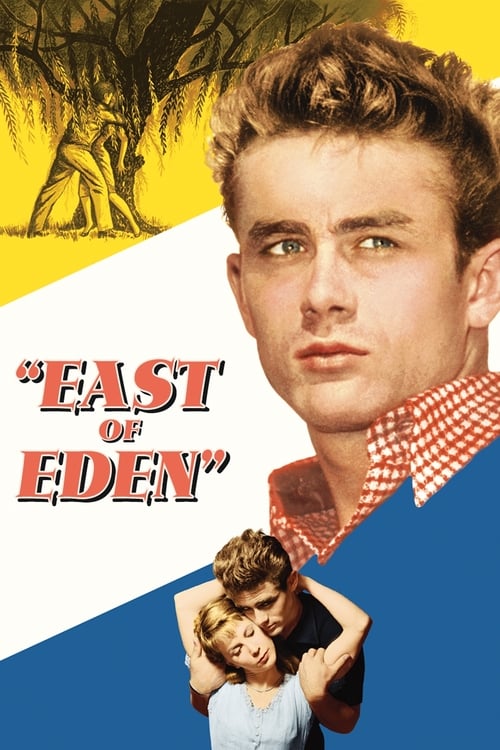
In the Salinas Valley in and around World War I, Cal Trask feels he must compete against overwhelming odds with his brother for the love of their father. Cal is frustrated at every turn, from his reaction to the war, how to get ahead in business and in life, and how to relate to his estranged mother.
No description available.
Cameo Theatre was an American anthology series that aired on NBC during the Golden Age of Television, from 1950 to 1955.
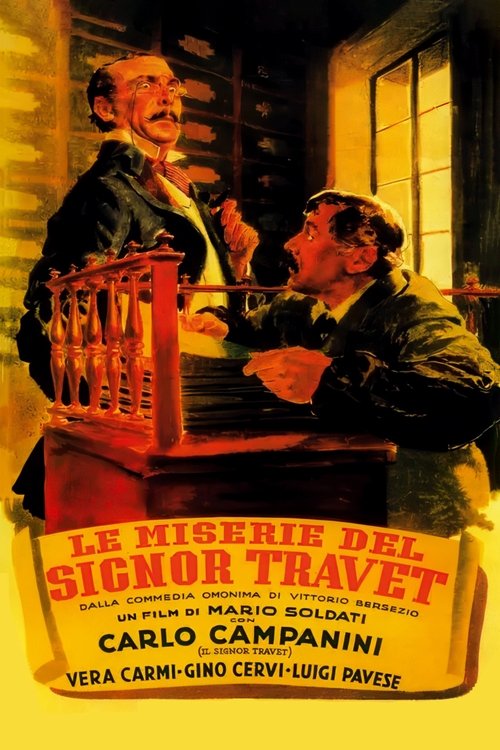
The ordinary life of the prudent employee Mr. Travet accelerates as he and her wife meet his new chief.
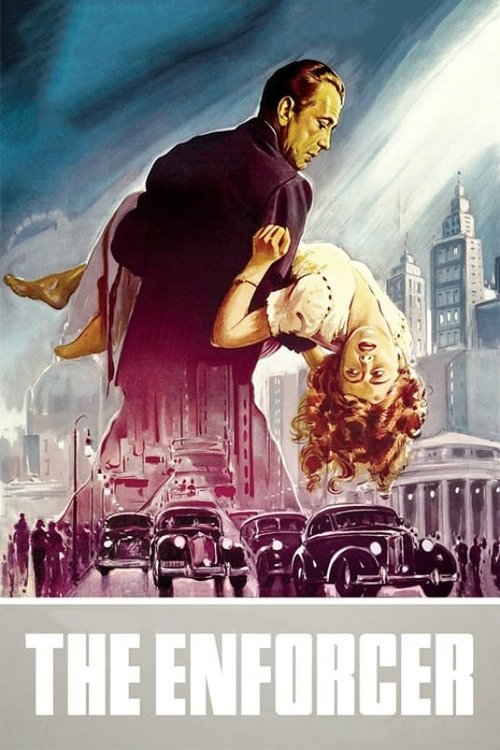
After years of investigation, Assistant District Attorney Martin Ferguson has managed to build a solid case against an elusive gangster whose top lieutenant is about to testify.
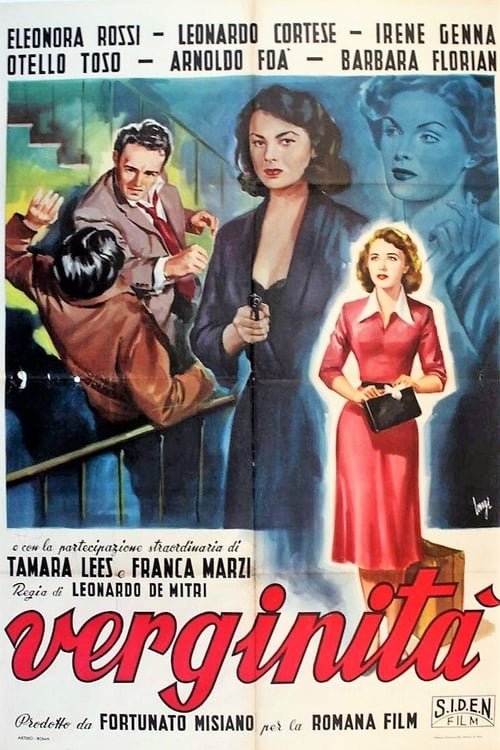
Gina is the daughter of a provincial newsstand dealer and spends her time reading pulp magazines and dreaming of a glamorous vocation on the big city. She enters a beauty contest in a nearby city, without her father's permission, and, en route, meets Franco, a salesman.
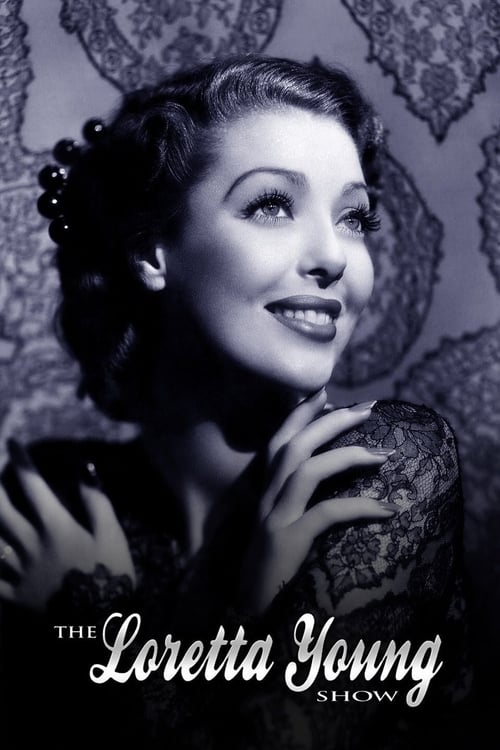
Letter to Loretta is an American anthology drama series telecast on NBC from September 1953 to June 1961 for a total of 165 episodes. The filmed show was hosted by Loretta Young who also played the lead in various episodes. Letter to Loretta was sponsored by Procter & Gamble from 1953 through 1960. The final season's sponsor was Warner-Lambert's Listerine.
A deported gangster trains an Italian convict to take over his operations in the U.S.