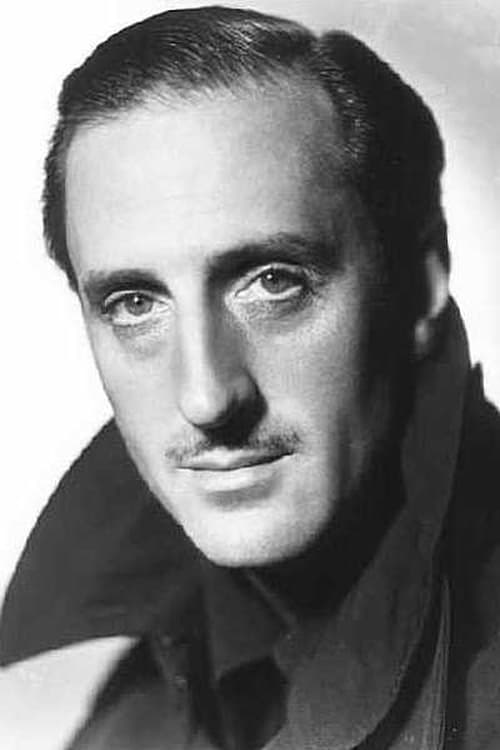
Basil Rathbone
Acting
Biography
Sir Basil Rathbone, KBE, MC, Kt (13 June 1892 – 21 July 1967), was an English actor. He rose to prominence in England as a Shakespearean stage actor and went on to appear in over 70 films, primarily costume dramas, swashbucklers, and, occasionally, horror films. He frequently portrayed suave villains or morally ambiguous characters, such as Murdstone in David Copperfield (1935) and Sir Guy of Gisbourne in The Adventures of Robin Hood (1938). His most famous role, however, was heroic—that of Sherlock Holmes in fourteen Hollywood films made between 1939 and 1946 and in a radio series. His later career included Broadway and television work; he received a Tony Award in 1948 as Best Actor in a Play.
Known For
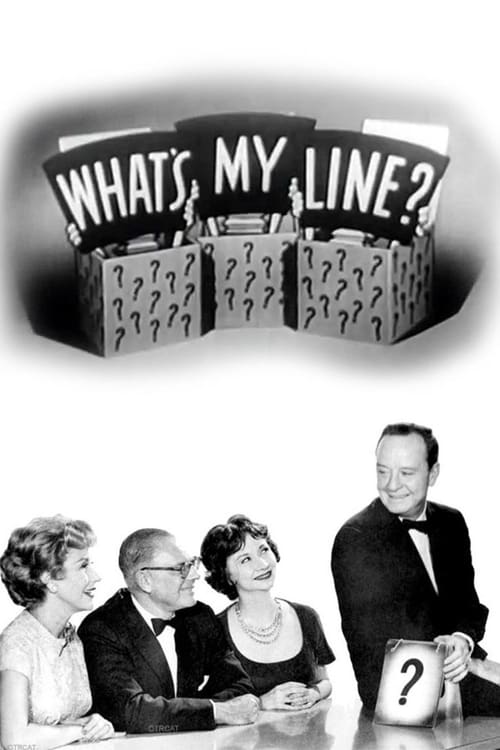
Four panelists must determine guests' occupations - and, in the case of famous guests, while blindfolded, their identity - by asking only "yes" or "no" questions.
What's My Line?
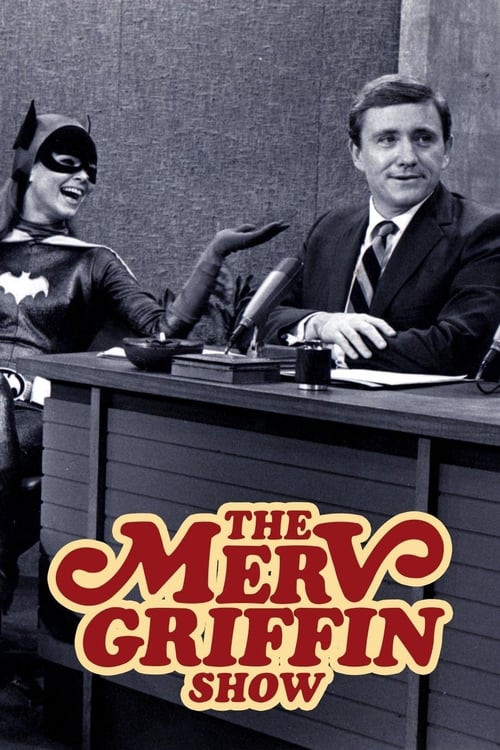
No description available.
The Merv Griffin Show
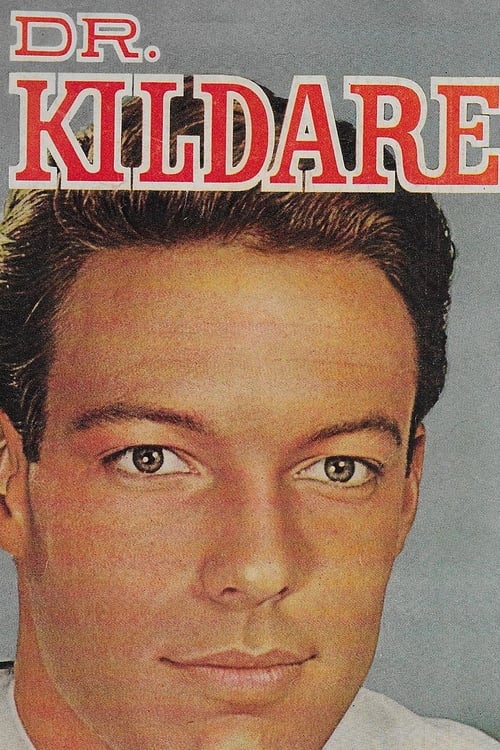
The story of a young intern in a large metropolitan hospital trying to learn his profession, deal with the problems of his patients, and win the respect of the senior doctor in his specialty, internal medicine.
Dr. Kildare
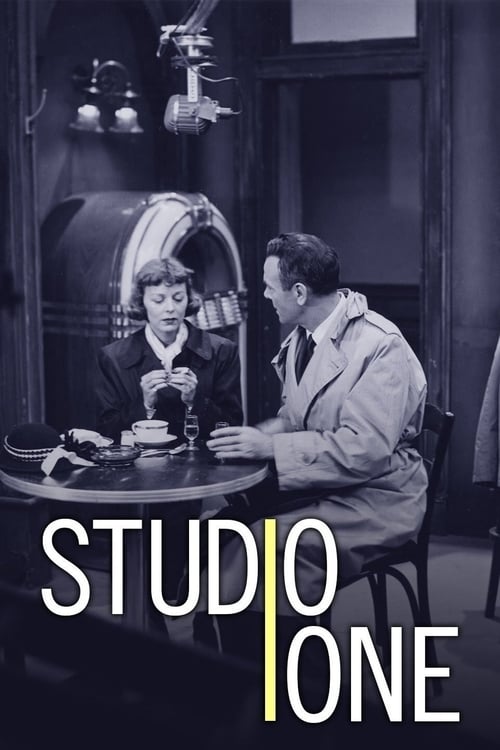
An American radio–television anthology series, created in 1947 by Canadian director Fletcher Markle, who came to CBS from the CBC. Studio One, presented by Westinghouse, was one of the first of the anthology TV programs. The episodes were often abridged remakes of movies from years gone by and many future well-known television and movie actors appeared in the productions.
Studio One
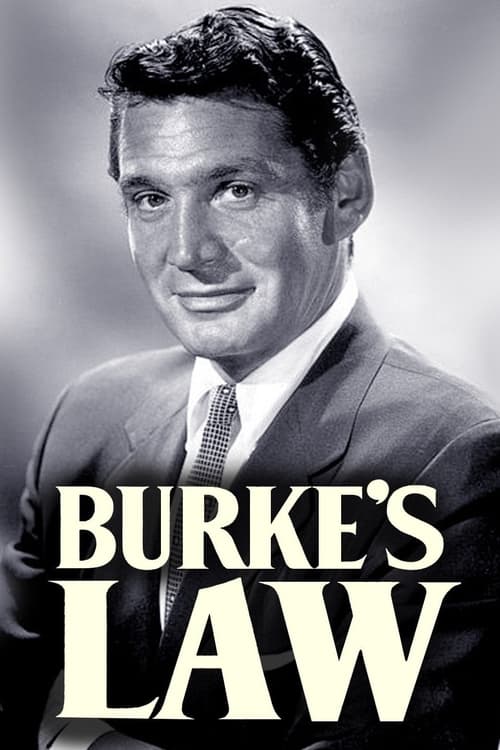
Burke's Law is an American detective series that ran on ABC from 1963 to 1965 and was revived on CBS in the 1990s. The show starred Gene Barry as Amos Burke, millionaire captain of Los Angeles police homicide division, who was chauffeured around to solve crimes in his Rolls-Royce Silver Cloud II.
Burke's Law
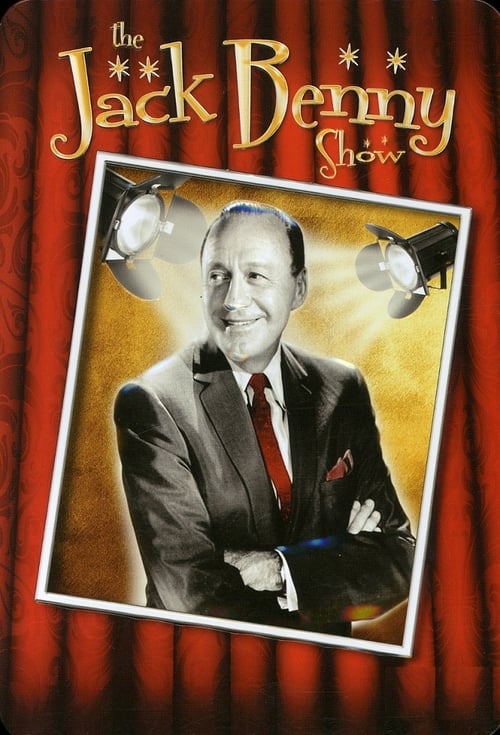
Laugh along with funnyman Jack Benny as he brings his underplayed humor to TV along with regular performers from his radio show days.
The Jack Benny Program
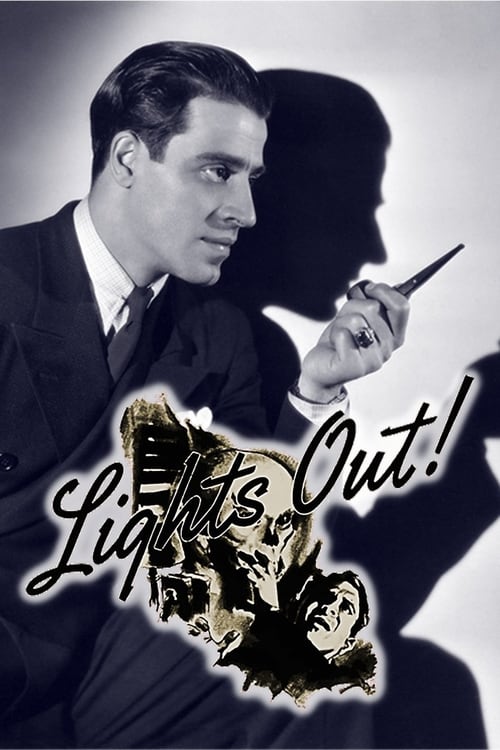
Lights Out was an extremely popular American old-time radio program, an early example of a network series devoted mostly to horror and the supernatural, predating Suspense and Inner Sanctum. Versions of Lights Out aired on different networks, at various times, from January 1934 to the summer of 1947 and the series eventually made the transition to television. In 1946, NBC Television brought Lights Out to TV in a series of four specials, broadcast live and produced by Fred Coe, who also contributed three of the scripts. NBC asked Cooper to write the script for the premiere, "First Person Singular", which is told entirely from the point of view of an unseen murderer who kills his obnoxious wife and winds up being executed. Variety gave this first episode a rave review ("undoubtedly one of the best dramatic shows yet seen on a television screen"), but Lights Out did not become a regular NBC-TV series until 1949.
Lights Out

An anthology series adapted from the radio program of the same name. Like the radio program, many scripts were adaptations of literary classics by well-known authors. Classic authors such as Edgar Allan Poe, Agatha Christie, and Charles Dickens all had stories adapted for the series, while contemporary authors such as Roald Dahl and Gore Vidal also contributed.
Suspense
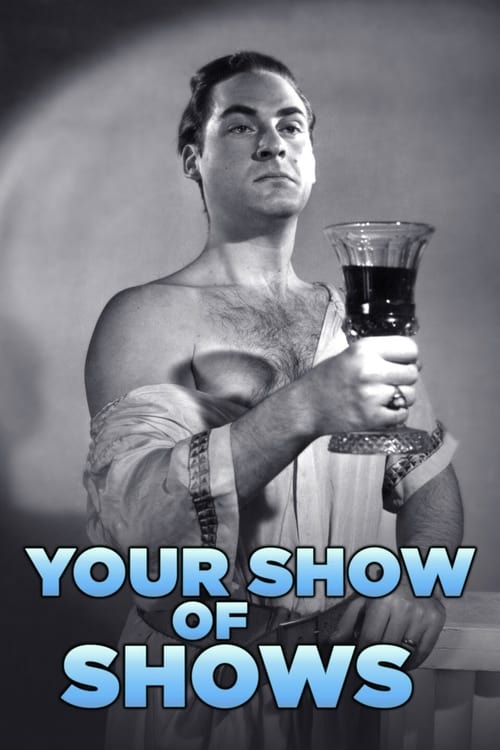
Your Show of Shows was a live 90-minute variety show that was broadcast weekly in the United States on NBC, from February 25, 1950, until June 5, 1954, featuring Sid Caesar and Imogene Coca. Other featured performers were Carl Reiner, Howard Morris, Bill Hayes, Judy Johnson, The Hamilton Trio and the soprano Marguerite Piazza. José Ferrer made several guest appearances on the series. The series was telecast from the now-demolished International Theatre at 5 Columbus Circle and the Century Theater, now demolished, in New York. During 2002, Your Show of Shows was ranked #30 on TV Guide's 50 Greatest TV Shows of All Time.
Your Show of Shows
Lux Video Theatre is an American anthology series that was produced from 1950 until 1959. The series presented both comedy and drama in original teleplays, as well as abridged adaptations of films and plays.
Lux Video Theatre
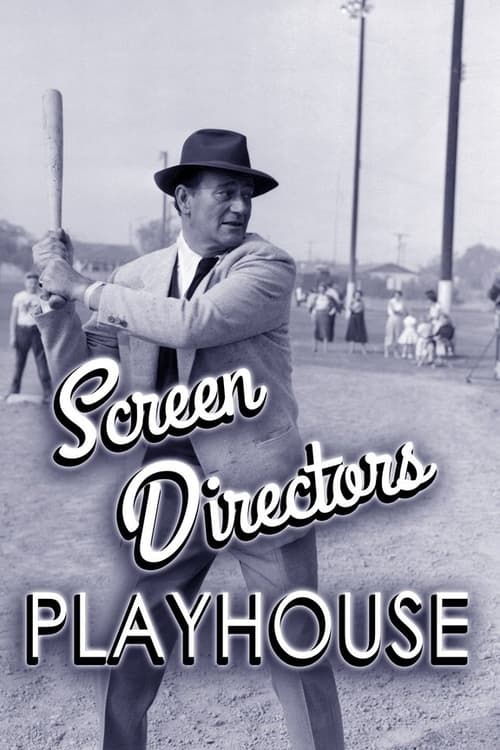
Presented by Eastman Kodak, this show was a series of original scripts directed by acclaimed directors and featuring well-known performers. The stories ranged from musicals to comedies and dramas.
Screen Director's Playhouse
DuPont Show of the Month is an acclaimed 90-minute television anthology series that aired monthly on CBS from 1957 to 1961. The DuPont Company also sponsored a weekly half-hour anthology drama series hosted by June Allyson, The DuPont Show with June Allyson. During the Golden Age of Television, DuPont Show of the Month was one of numerous anthology series telecast between 1949 and 1962. Superficially, it resembled Playhouse 90 and other anthologies, but DuPont Show of the Month focused less on contemporary dramas and more on adaptations of literary classics, including Oliver Twist, The Prince and the Pauper, Billy Budd, The Prisoner of Zenda, A Tale of Two Cities and The Count of Monte Cristo.
DuPont Show of the Month
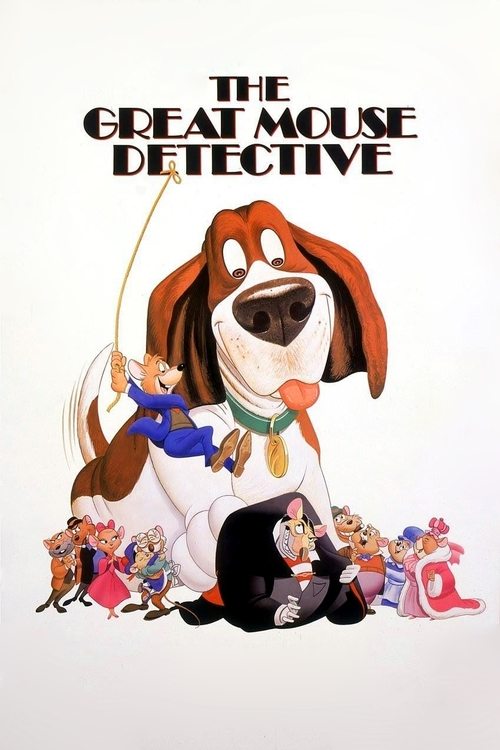
When the diabolical Professor Ratigan kidnaps London's master toymaker, the brilliant master of disguise Basil of Baker Street and his trusted sidekick Dawson try to elude the ultimate trap and foil the perfect crime.
The Great Mouse Detective
Long-running anthology program sponsored by Hallmark Cards. Beginning in 1951 and continuing into 2019, the series received 80 Emmy Awards, 24 Christopher Awards, 11 Peabody Awards, 9 Golden Globes, and 4 Humanitas Prizes. Early seasons were a weekly live drama, eventually transitioning to videotaped and then filmed productions broadcast as occasional specials.
Hallmark Hall of Fame

Robin Hood fights nobly for justice against the evil Sir Guy of Gisbourne while striving to win the hand of the beautiful Maid Marian.
The Adventures of Robin Hood
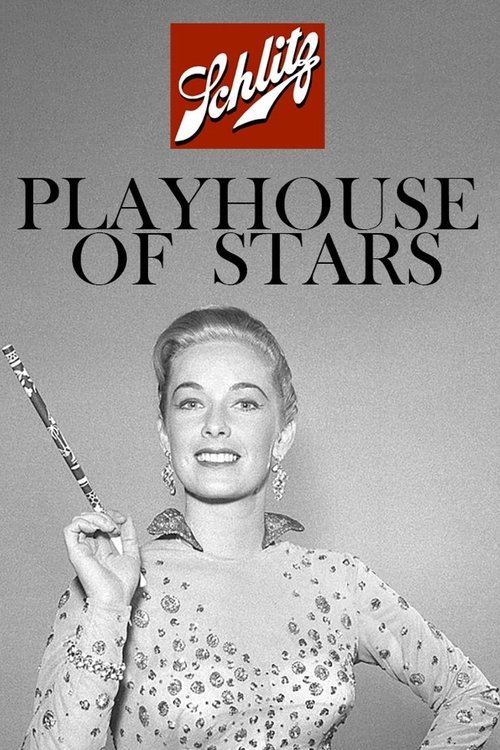
Schlitz Playhouse of Stars is an anthology series that was telecast from 1951 until 1959 on CBS. Offering both comedies and drama, the series was sponsored by the Joseph Schlitz Brewing Company. The title was shortened to Schlitz Playhouse, beginning with the fall 1957 season.
Schlitz Playhouse of Stars
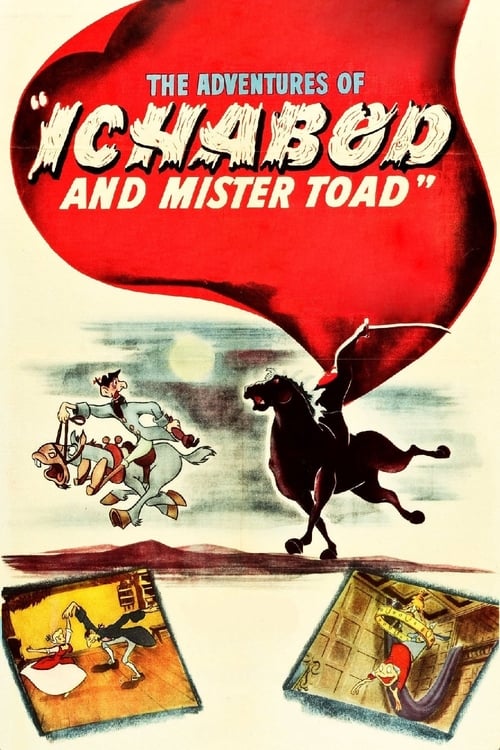
The Wind in the Willows: Concise version of Kenneth Grahame's story of the same name. J. Thaddeus Toad, owner of Toad Hall, is prone to fads, such as the newfangled motor car. This desire for the very latest lands him in much trouble with the wrong crowd, and it is up to his friends, Mole, Rat and Badger to save him from himself. - The Legend of Sleepy Hollow: Retelling of Washington Irving's story set in a tiny New England town. Ichabod Crane, the new schoolmaster, falls for the town beauty, Katrina Van Tassel, and the town Bully Brom Bones decides that he is a little too successful and needs "convincing" that Katrina is not for him.
The Adventures of Ichabod and Mr. Toad
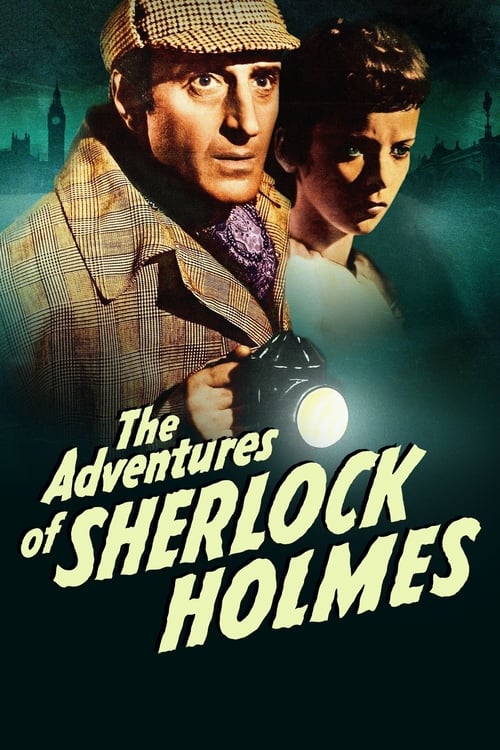
Having once again avoided criminal conviction, Professor Moriarity develops a murderous plan to “finish off” his last major nemesis, Sherlock Holmes, by making him fail to prevent the perfect crime. Does it involve a family curse, the crown jewels of England, or something else…
The Adventures of Sherlock Holmes
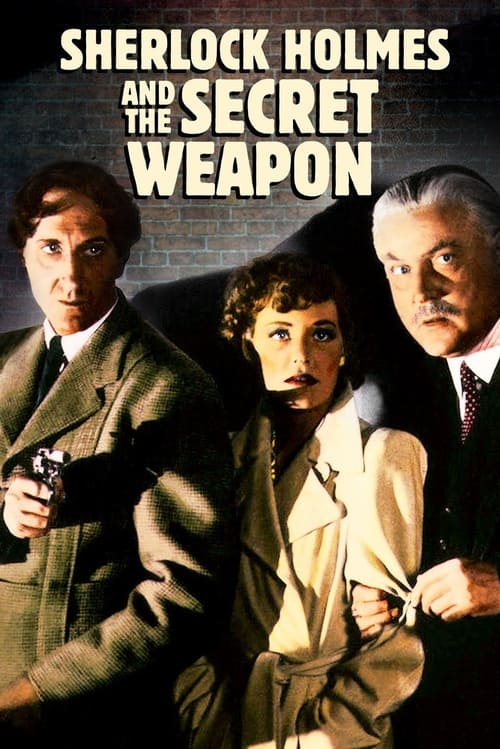
In the midst of World War II, Sherlock Holmes rescues the Swiss inventor of a new bomb-sight from the Gestapo and brings him to England, where he quickly falls into the clutches of the evil Professor Moriarty.
Sherlock Holmes and the Secret Weapon
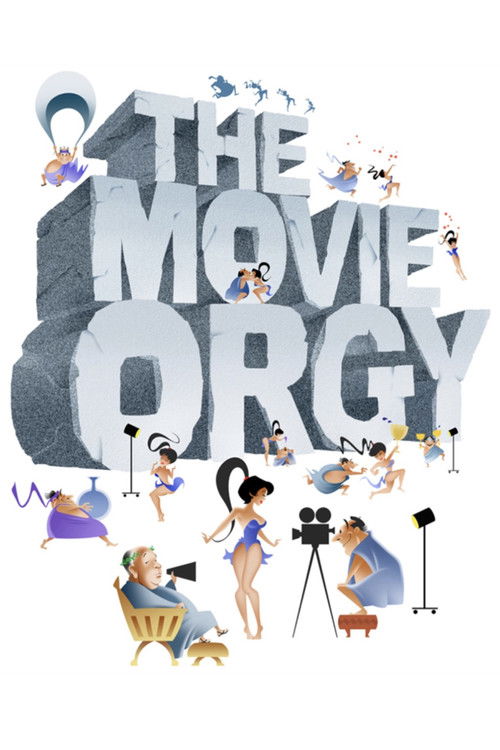
Clips from assorted television programs, B-movies, commercials, music performances, newsreels, bloopers, satirical short films and promotional and government films of the 1950s and 1960s are intercut together to tell a single story of various creatures and societal ills attacking American cities.