Patric Knowles
Acting
Biography
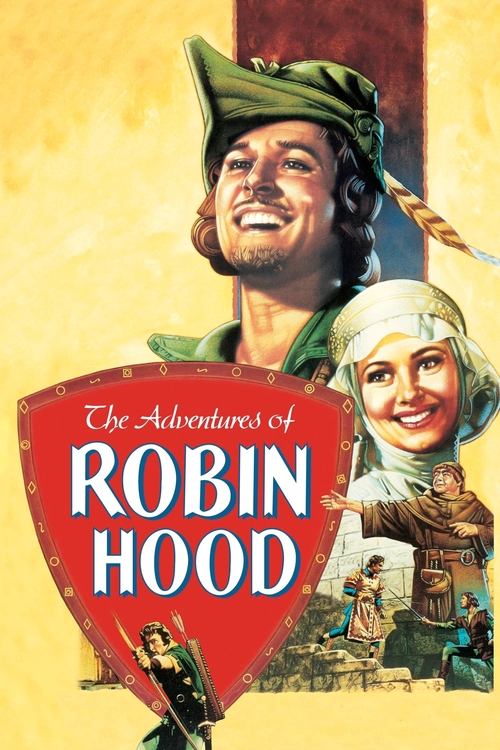
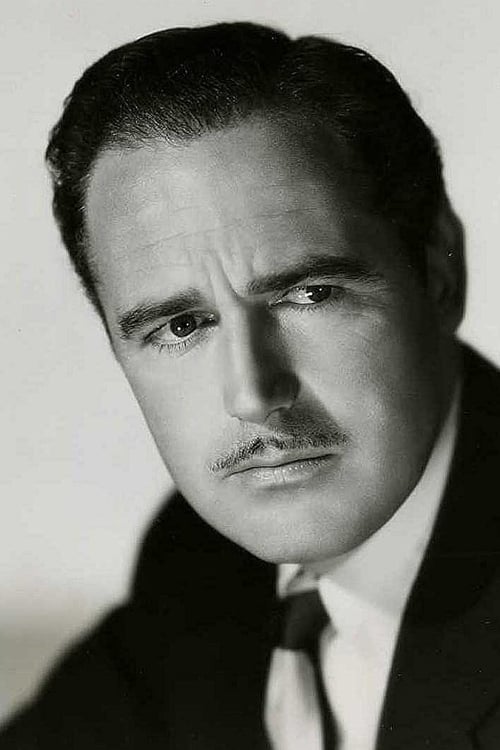
Reginald Lawrence Knowles (11 November 1911 – 23 December 1995) was an English film actor who renamed himself Patric Knowles, a name which reflects his Irish descent. He appeared in films of the 1930s through the 1970s. He made his film debut in 1933, and played either first or second film leads throughout his career. In his first American film, Give Me Your Heart (1936), released in Great Britain as Sweet Aloes, Knowles was cast as a titled Englishman of means. While making The Charge of the Light Brigade (1936) at Lone Pine, California, he befriended Errol Flynn, whose acquaintance he had made when both were under contract to Warner Bros. in England. Since that film, in which Knowles played the part of Capt. Perry Vickers, the brother of Flynn's Maj. Geoffrey Vickers, he was cast more frequently as straitlaced characters alongside Flynn's flamboyant ones, notably as Will Scarlet in The Adventures of Robin Hood (1938). Both actors starred as well in Four's A Crowd, also in 1938. More than two decades after Flynn's death, biographer Charles Higham sullied Flynn's memory by accusing him of having been a fascist sympathizer and Nazi spy. Knowles, who had served in World War II as a flying instructor in the RCAF, came to Flynn's defense, writing Rebuttal for a Friend as an epilogue to Tony Thomas' Errol Flynn: The Spy Who Never Was (Citadel Press, 1990) ISBN 080651180X. Knowles was a freelance film actor from 1939 until his last film appearance in 1973. In the 1940s, he was known for playing protagonists in a number of horror films, including The Wolf Man (1941) and Frankenstein Meets the Wolfman (1943). Knowles was also cast as comic foils in a number of comedies such as Abbott and Costello's Who Done It? (1942) and Hit The Ice (1943). He also appeared opposite Jack Kelly in a 1957 episode of the television series Maverick called "The Wrecker", which was based on a Robert Louis Stevenson adventure and co-starred James Garner. Knowles was inducted into the Hollywood Walk of Fame and wrote a novel called Even Steven (Vantage Press, 1960) ASIN B0006RMC2G. He was cremated. His ashes were either given to a friend or family. Description above from the Wikipedia article Patric Knowles, licensed under CC-BY-SA,full list of contributors on Wikipedia.
Known For

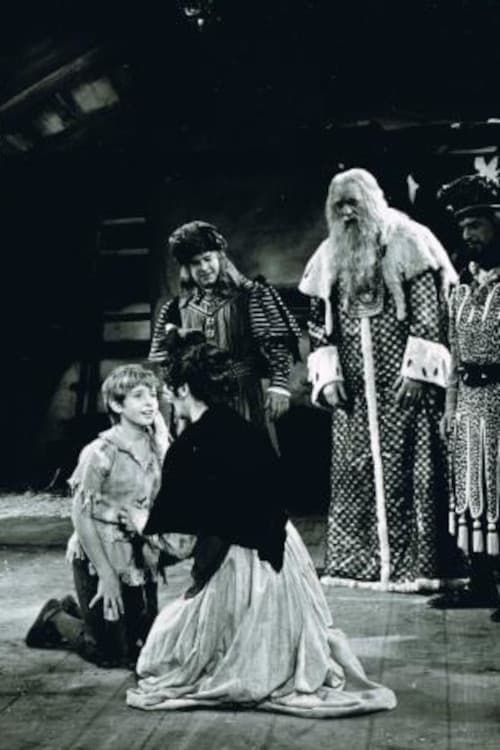
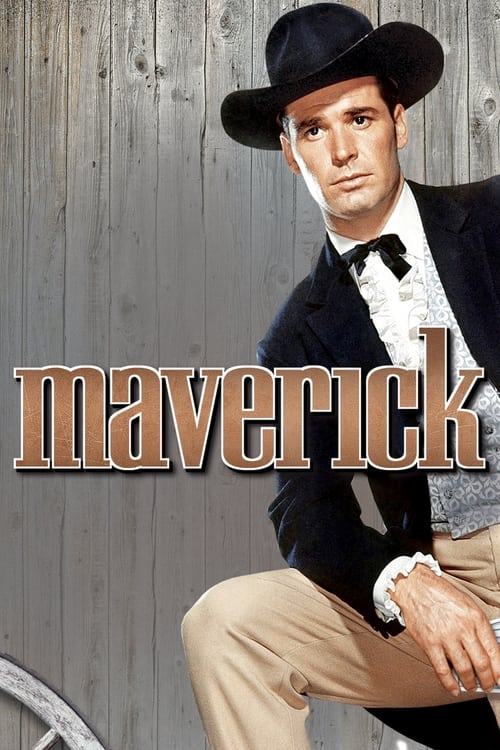
The Maverick boys - Bret, Bart, Beau and Brent - are a clan of well-dressed dandies, gamblers who'd much rather make their money playing cards than messing up their fine clothing with actual work. Sly and clever, none of the Mavericks are much for acts of derring do, but they can be courageous when the situation calls for it. Most often, however, they live by their wits and considerable charm.
Maverick

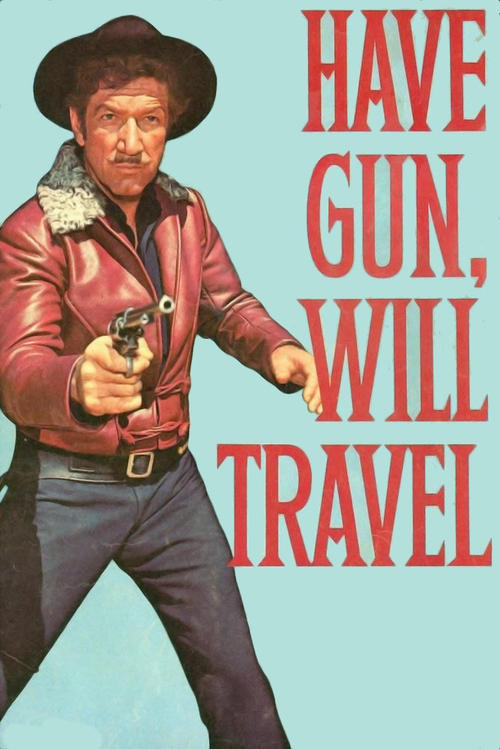
Have Gun – Will Travel is an American Western television series that aired on CBS from 1957 through 1963. It was rated number three or number four in the Nielsen ratings every year of its first four seasons. It was one of the few television shows to spawn a successful radio version. The radio series debuted November 23, 1958. The television show is presently shown on the Encore-Western channel. Have Gun – Will Travel was created by Sam Rolfe and Herb Meadow and produced by Frank Pierson, Don Ingalls, Robert Sparks, and Julian Claman. There were 225 episodes of the TV series, 24 written by Gene Roddenberry. Other contributors included Bruce Geller, Harry Julian Fink, Don Brinkley and Irving Wallace. Andrew McLaglen directed 101 episodes and 19 were directed by series star Richard Boone.
Have Gun, Will Travel

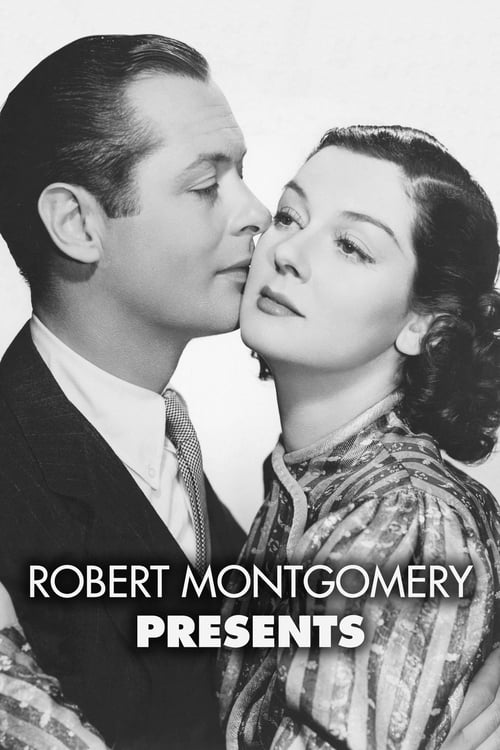
Robert Montgomery Presents is an American dramatic television series which was produced by NBC from January 30, 1950 until June 24, 1957. The live show had several sponsors during its seven-year run, and the title was altered to feature the sponsor, usually Lucky Strike cigarettes, for example, Robert Montgomery Presents Your Lucky Strike Theater, ....The Johnson's Wax Program, and so on.
Robert Montgomery Presents

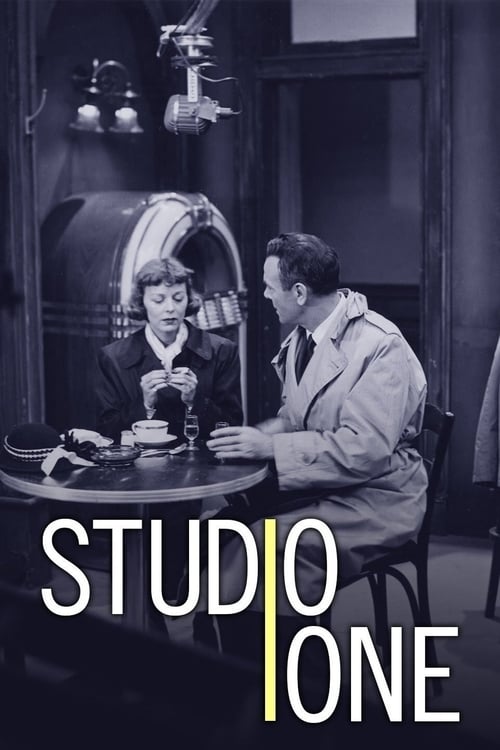
An American radio–television anthology series, created in 1947 by Canadian director Fletcher Markle, who came to CBS from the CBC. Studio One, presented by Westinghouse, was one of the first of the anthology TV programs. The episodes were often abridged remakes of movies from years gone by and many future well-known television and movie actors appeared in the productions.
Studio One

Matinee Theater is an American anthology series that aired on NBC during the Golden Age of Television, from 1955 to 1958. The series, which ran daily in the afternoon, was frequently live. It was produced by Albert McCleery, Darrell Ross, George Cahan and Frank Price with executive producer George Lowther. McCleery had previously produced the live series Cameo Theatre which introduced to television the concept of theater-in-the-round, TV plays staged with minimal sets. Jim Buckley of the Pewter Plough Playhouse recalled: When Al McCleery got back to the States, he originated a most ambitious theatrical TV series for NBC called Matinee Theater: to televise five different stage plays per week live, airing around noon in order to promote color TV to the American housewife as she labored over her ironing. Al was the producer. He hired five directors and five art directors. Richard Bennett, one of our first early presidents of the Pewter Plough Corporation, was one of the directors and I was one of the art directors and, as soon as we were through televising one play, we had lunch and then met to plan next week’s show. That was over 50 years ago, and I’m trying to think; I believe the TV art director is his own set decorator —yes, of course! It had to be, since one of McCleery’s chief claims to favor with the producers was his elimination of the setting per se and simply decorating the scene with a minimum of props. It took a bit of ingenuity.
Matinee Theater

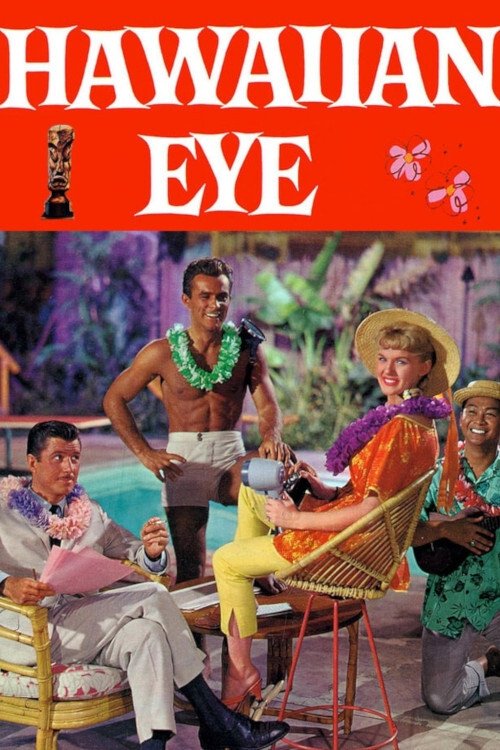
Private Eyes Tom Lopaka and Tracy Steele are based out of Hawaiian Village Resort where they work both hotel security and are hired by others to look into various matters. They're helped by their trusty right-hand man Kazuo Kim who runs a taxi company and is always eager to help them.
Hawaiian Eye

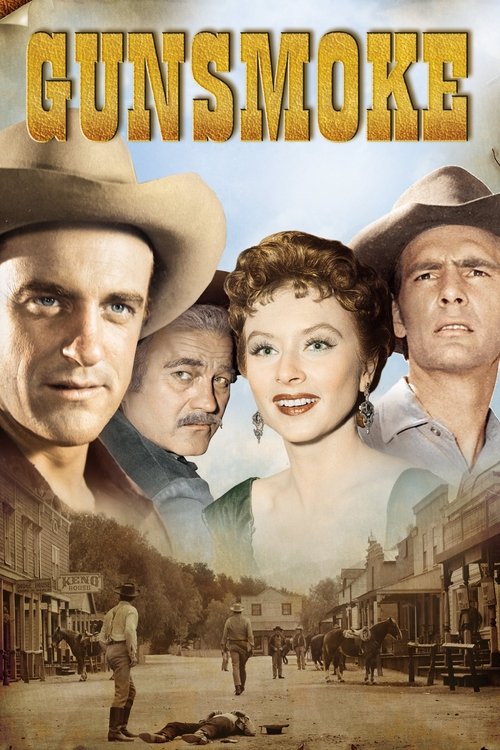
Gunsmoke is an American radio and television Western drama series created by director Norman MacDonnell and writer John Meston. The stories take place in and around Dodge City, Kansas, during the settlement of the American West. The central character is lawman Marshal Matt Dillon, played by William Conrad on radio and James Arness on television.
Gunsmoke

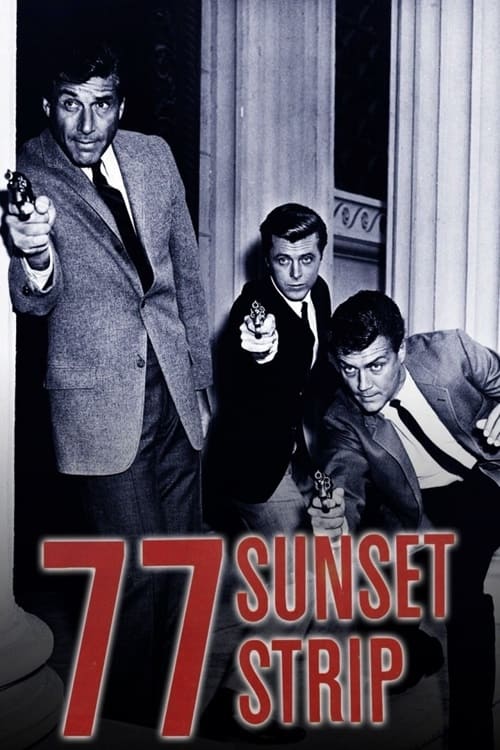
Stu Bailey and Jeff Spencer are the wisecracking, womanizing private-detective heroes of this Warner Brothers drama. They work out of an office located at 77 Sunset Strip in Los Angeles, California, right next door to a snazzy restaurant where Kookie works as a valet. The finger-snapping, slang-talking Kookie occasionally helps Stu and Jeff with their cases, and eventually becomes a full-fledged member of the detective agency. Rex Randolph and J.R. Hale also join the firm, and Suzanne is their leggy secretary.
77 Sunset Strip

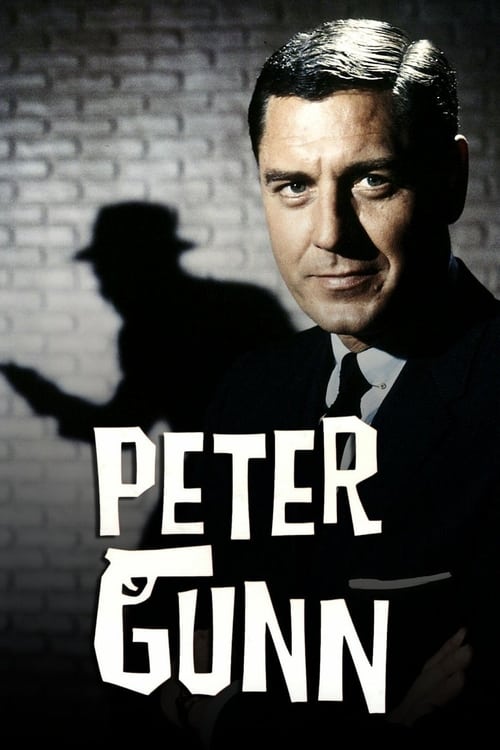
Peter Gunn is an American private eye television series. Filmed in a film noir atmosphere and featuring Henry Mancini music that could tell you the action with your eyes closed, Peter Gunn worked in style. Known as Pete to his friends and simply as Gunn to his enemies, he did his job in a calm cool way.
Peter Gunn

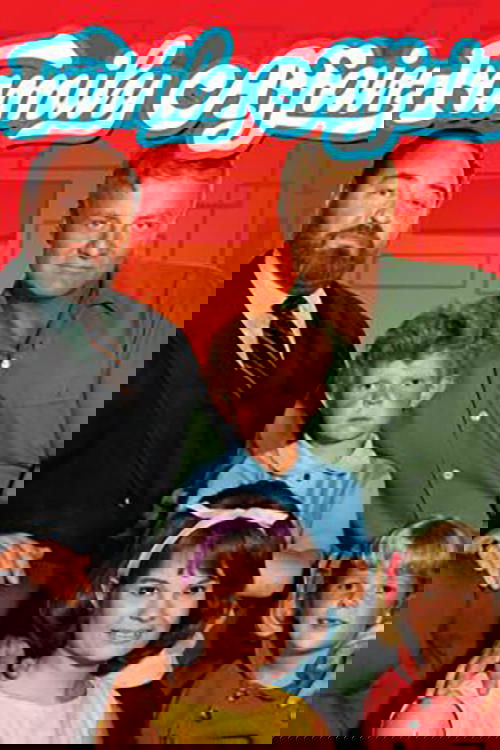
Family Affair is an American sitcom that aired on CBS from September 12, 1966 to September 9, 1971. The series explored the trials of well-to-do civil engineer and bachelor Bill Davis as he attempted to raise his brother's orphaned children in his luxury New York City apartment. Davis' traditional English gentleman's gentleman, Mr. Giles French, also had adjustments to make as he became saddled with the responsibility of caring for 15-year-old Cissy and the 6-year-old twins, Jody and Buffy. The show ran for 138 episodes. Family Affair was created and produced by Don Fedderson, also known for My Three Sons and The Millionaire.
Family Affair

An anthology series that explored the ways sudden and unexpected wealth changed life for better or for worse. It told the stories of people who were given one million dollars from a benefactor who insisted they never know him, with one exception.
The Millionaire

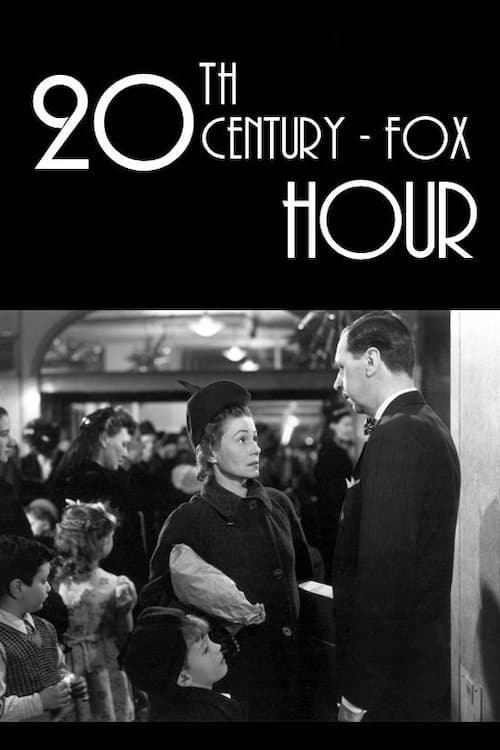
The 20th Century Fox Hour is an American drama anthology series televised in the United States on CBS from 1955 to 1957. Some of the shows in this series were restored, remastered and shown on the Fox Movie Channel in 2002 under the title Hour of Stars. The season one episode Overnight Haul, starring Richard Conte and Lizabeth Scott, was released in Australia as a feature film.
The 20th Century Fox Hour

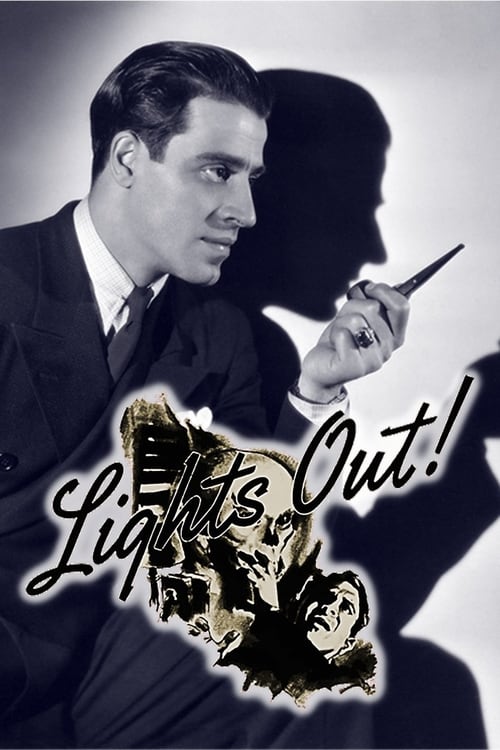
Lights Out was an extremely popular American old-time radio program, an early example of a network series devoted mostly to horror and the supernatural, predating Suspense and Inner Sanctum. Versions of Lights Out aired on different networks, at various times, from January 1934 to the summer of 1947 and the series eventually made the transition to television. In 1946, NBC Television brought Lights Out to TV in a series of four specials, broadcast live and produced by Fred Coe, who also contributed three of the scripts. NBC asked Cooper to write the script for the premiere, "First Person Singular", which is told entirely from the point of view of an unseen murderer who kills his obnoxious wife and winds up being executed. Variety gave this first episode a rave review ("undoubtedly one of the best dramatic shows yet seen on a television screen"), but Lights Out did not become a regular NBC-TV series until 1949.
Lights Out

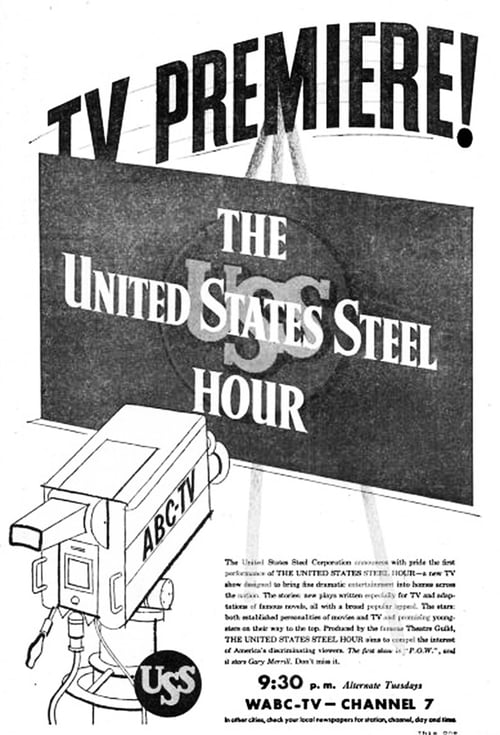
The United States Steel Hour is an anthology series which brought hour-long dramas to television from 1953 to 1963. The television series and the radio program that preceded it were both sponsored by the United States Steel Corporation.
The United States Steel Hour

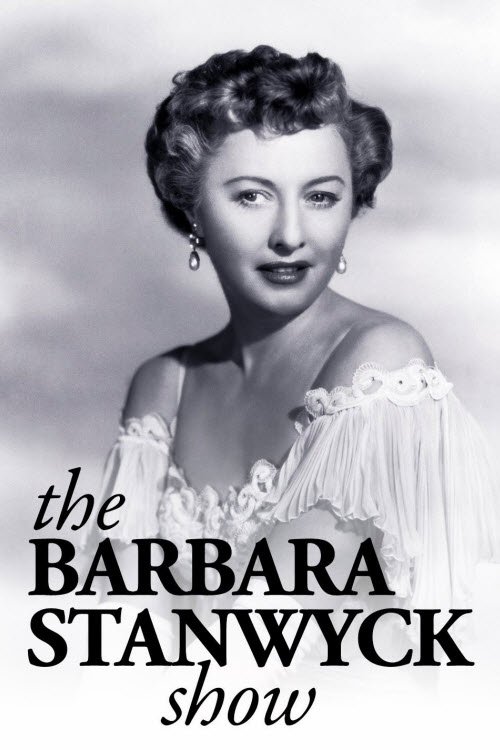
An American anthology drama television series hosted by Barbara Stanwyck served.
The Barbara Stanwyck Show
Lux Video Theatre is an American anthology series that was produced from 1950 until 1959. The series presented both comedy and drama in original teleplays, as well as abridged adaptations of films and plays.
Lux Video Theatre

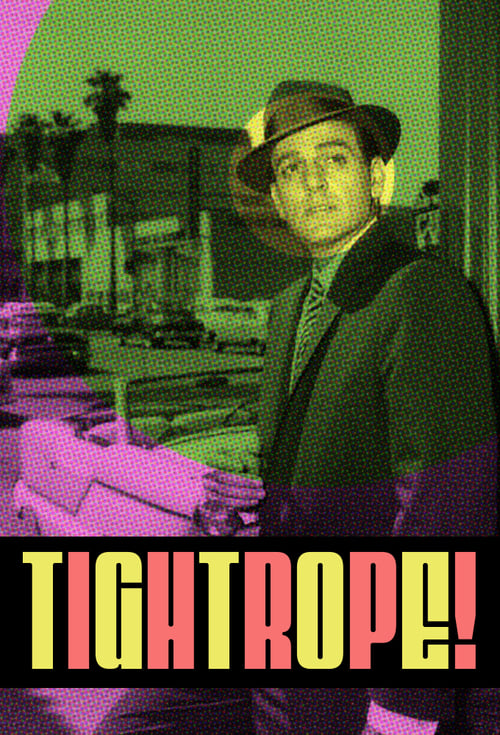
Tightrope is an American crime drama series that aired on CBS from September 1959 to September 1960, under the alternate sponsorship of the J.B. Williams Company, and American Tobacco. Produced by Russell Rouse and Clarence Greene in association with Screen Gems, the series stars Mike Connors as an undercover agent named "Nick" who was assigned to infiltrate criminal gangs. The show was to have originally been titled Undercover Man but it was changed before going to air.
Tightrope

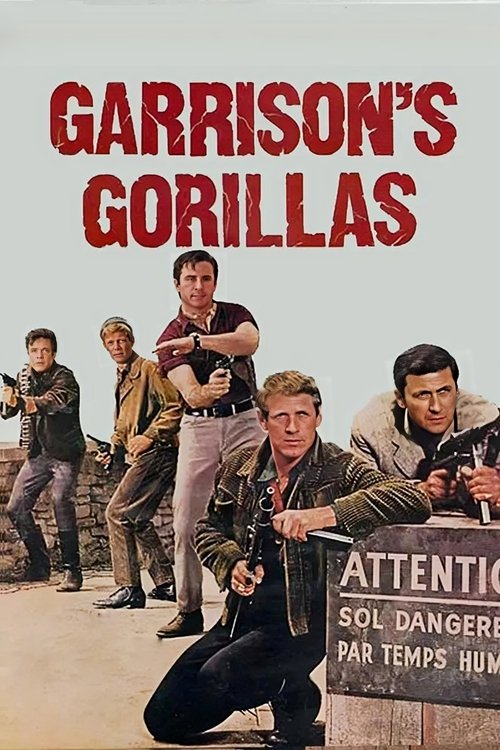
Garrison's Gorillas is an ABC TV series broadcast from 1967 to 1968; a total of 26 hour-long episodes were produced. It was inspired by the 1967 film The Dirty Dozen, which featured a similar scenario of training Allied prisoners for World War II military missions. Garrison's Gorillas was canceled at the close of its first season and replaced by The Mod Squad in 1968. It managed to gather a cult following in China in the 1980s.
Garrison's Gorillas
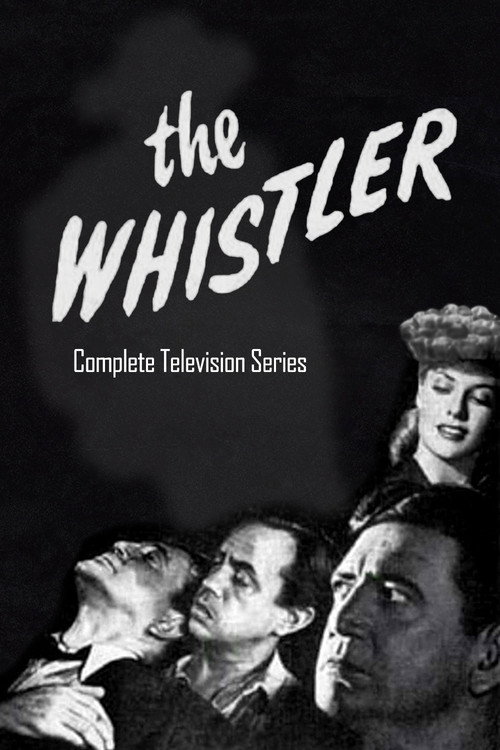
No description available.
The Whistler

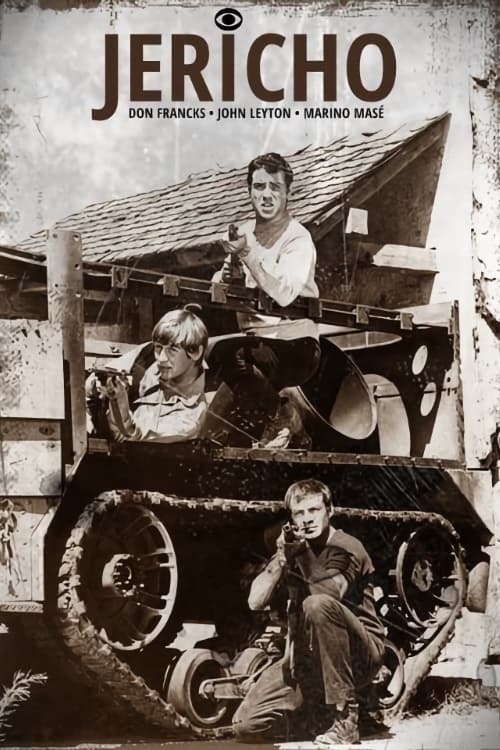
Jericho is an American espionage series set during World War II. The series stars John Leyton, Don Francks and Marino Masé as secret agents, and aired on CBS from September 1966, to January 1967.