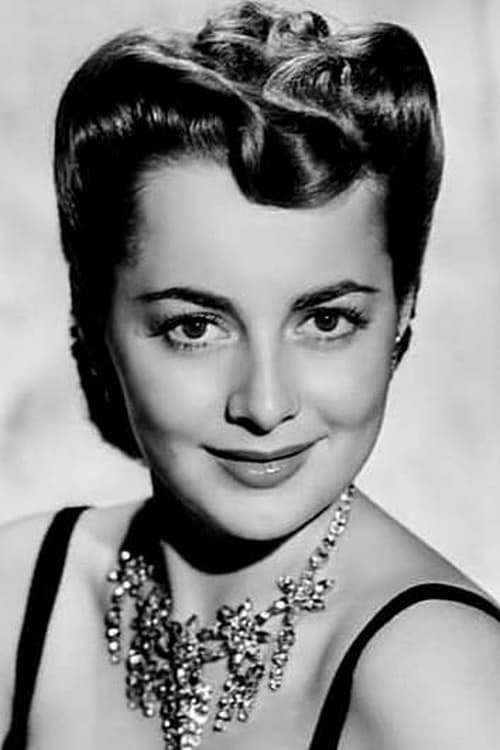
Olivia de Havilland
Acting
Biography
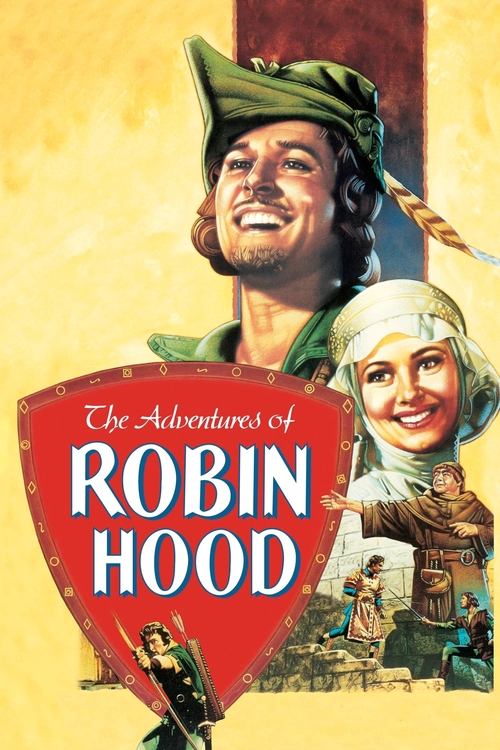
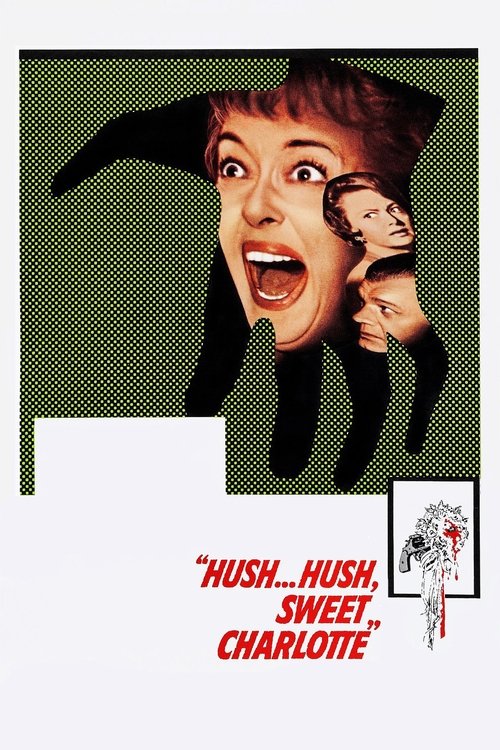
Dame Olivia Mary de Havilland DBE (July 1, 1916 - July 25, 2020) was a British-American actress, whose career spanned from 1935 to 1988. She appeared in 49 feature films, and was one of the leading movie stars during the golden age of Classical Hollywood. She is best known for her early screen performances in The Adventures of Robin Hood (1938) and Gone with the Wind (1939), and her later award-winning performances in To Each His Own (1946), The Snake Pit (1948), and The Heiress (1949). Born in Tokyo to British parents, de Havilland and her younger sister, actress Joan Fontaine, moved with their mother to California in 1919. They were brought up by their mother Lilian, a former stage actress who taught them drama, music, and elocution. Olivia de Havilland made her screen debut in Reinhardt's A Midsummer Night's Dream in 1935. During her career, she often played demure ingénues opposite popular leading men, including Errol Flynn, with whom she made nine films. They became one of Hollywood's most popular romantic on-screen pairings. She achieved her initial popularity in romantic comedy films, such as The Great Garrick (1937), and in Westerns, such as Dodge City (1939). Her natural beauty and refined acting style made her particularly effective in historical period dramas, such as Anthony Adverse (1936), and romantic dramas, such as Hold Back the Dawn (1941). In her later career, she was most successful in dramas, such as Light in the Piazza (1962), and unglamorous roles in psychological dramas including Hush… Hush, Sweet Charlotte (1964). In addition to her film career, de Havilland continued her work in the theatre, appearing three times on Broadway. She also worked in television, appearing in the successful miniseries, Roots: The Next Generations (1979), and television feature films, such as Anastasia: The Mystery of Anna, for which she received a Primetime Emmy Award nomination. During her film career, de Havilland won two Academy Awards, two Golden Globe Awards, two New York Film Critics Circle Awards, the National Board of Review Award for Best Actress, and the Venice Film Festival Volpi Cup. For her contributions to the motion picture industry, she received a star on the Hollywood Walk of Fame. For her lifetime contribution to the arts, she received the National Medal of Arts from President George W. Bush, and was appointed a Chevalier of the Légion d'honneur by French President Nicolas Sarkozy. De Havilland and Joan Fontaine are the only siblings to have won Academy Awards in a lead acting category. A lifelong rivalry between the two actresses resulted in an estrangement that lasted over three decades. De Havilland lived in Paris since 1956, and celebrated her 100th birthday on July 1, 2016. In June 2017, two weeks before her 101st birthday, de Havilland was appointed Dame Commander of the Order of the British Empire in the 2017 Birthday Honours for services to drama. She was the oldest woman ever to receive the honour. In a statement, she called it "the most gratifying of birthday presents".
Known For

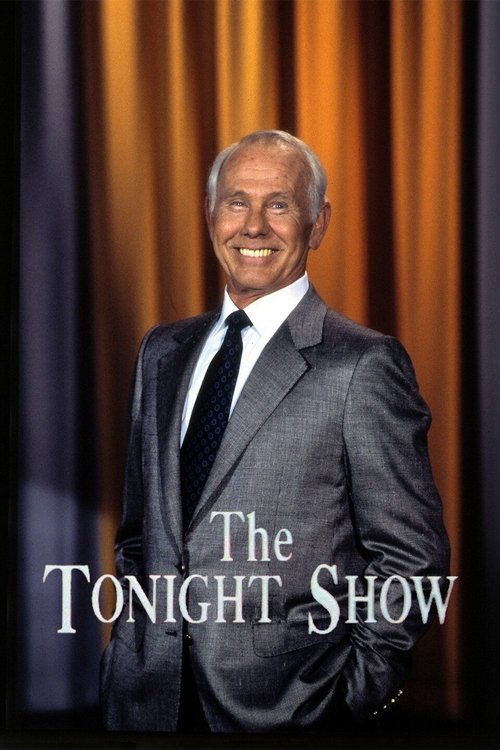
The Tonight Show Starring Johnny Carson is a talk show hosted by Johnny Carson under The Tonight Show franchise from 1962 to 1992. It originally aired during late-night. For its first ten years, Carson's Tonight Show was based in New York City with occasional trips to Burbank, California; in May 1972, the show moved permanently to Burbank, California. In 2002, The Tonight Show Starring Johnny Carson was ranked #12 on TV Guide's 50 Greatest TV Shows of All Time.
The Tonight Show Starring Johnny Carson

The Mike Douglas Show is an American daytime television talk show hosted by Mike Douglas that originally aired only in the Cleveland area during much of its first two years on the air. It then went into syndication in 1963 and remained on television until 1982. It was distributed by Westinghouse Broadcasting and for much of its run, originated from studios of two of the company's TV stations in Cleveland and Philadelphia.
The Mike Douglas Show

An annual awards ceremony recognizing excellence in film and television, both domestic and foreign, bestowed by the Hollywood Foreign Press Association.
Golden Globe Awards

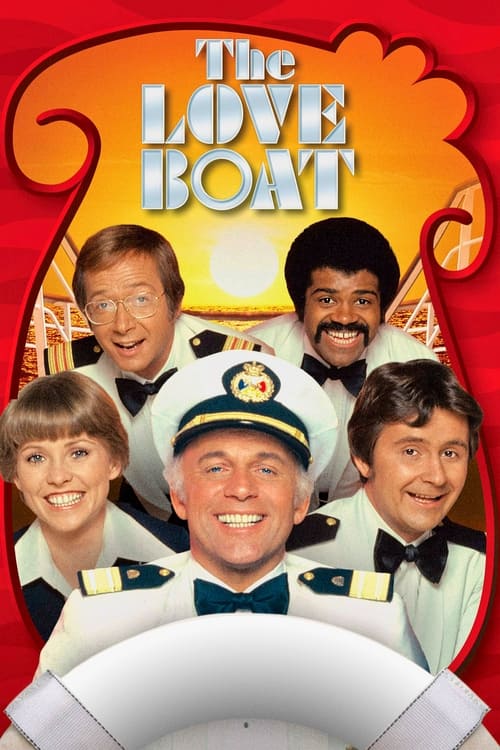
Passengers who search for romantic nights aboard a beautiful ship travelling to tropical or mysterious countries, decide to pass their vacation aboard the "Love Boat", where Gopher, Dr. Bricker, Isaac, Julie, and Captain Stubing try their best to please them, and sometimes help them fall in love. Things are not always so easy, but in the end, love wins.
The Love Boat

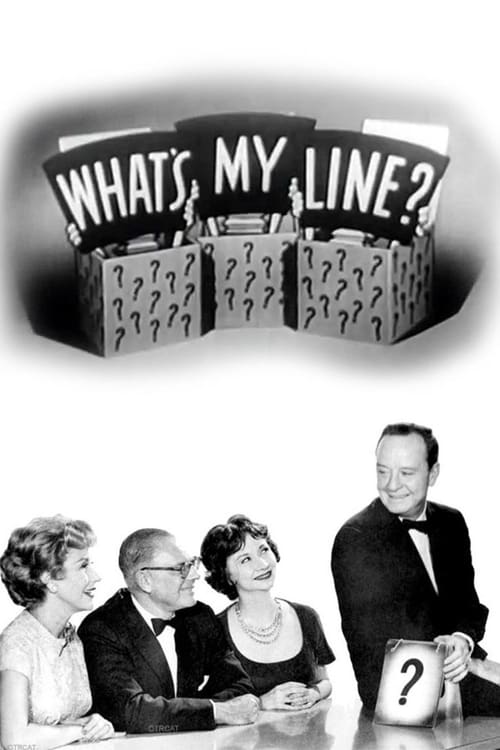
Four panelists must determine guests' occupations - and, in the case of famous guests, while blindfolded, their identity - by asking only "yes" or "no" questions.
What's My Line?

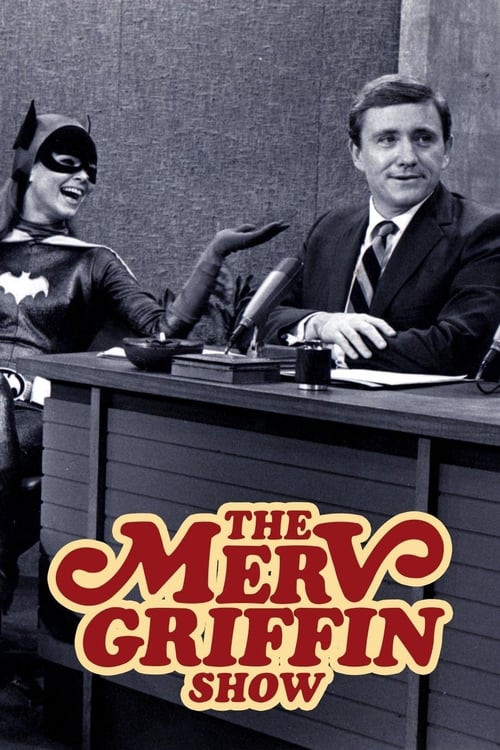
No description available.
The Merv Griffin Show

The Ed Sullivan Show is an American TV variety show that originally ran on CBS from Sunday June 20, 1948 to Sunday June 6, 1971, and was hosted by New York entertainment columnist Ed Sullivan. It was replaced in September 1971 by the CBS Sunday Night Movie, which ran only one season and was eventually replaced by other shows. In 2002, The Ed Sullivan Show was ranked #15 on TV Guide's 50 Greatest TV Shows of All Time.
The Ed Sullivan Show

An annual American awards ceremony honoring cinematic achievements in the film industry. The various category winners are awarded a copy of a statuette, officially the Academy Award of Merit, that is better known by its nickname Oscar.
The Oscars

The story of the enduring friendship between Orry Main of South Carolina and George Hazard of Pennsylvania, who become best friends while attending the United States Military Academy at West Point but later find themselves and their families on opposite sides of the American Civil War.
North and South

An American awards show recognizing people in entertainment, voted online by the general public and fans.
People's Choice Awards
The BBC's flagship cinema review TV program featuring reviews of new releases, news items and interviews. The title of the program changes each year to incorporate the year of broadcast.
Film '72

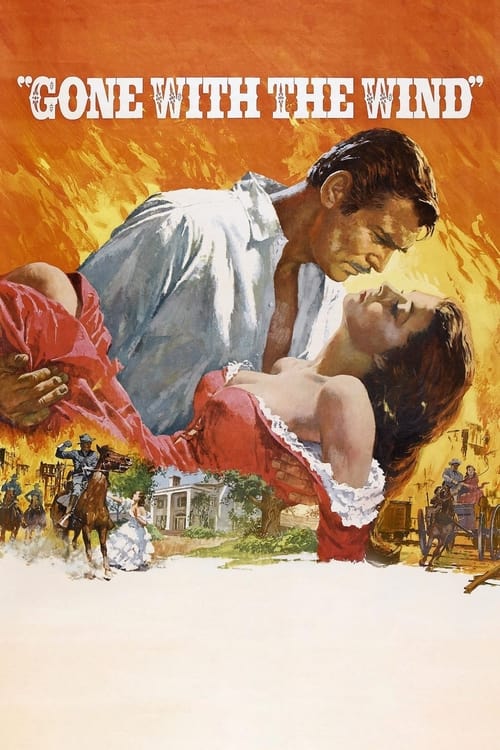
The spoiled daughter of a Georgia plantation owner conducts a tumultuous romance with a cynical profiteer during the American Civil War and Reconstruction Era.
Gone with the Wind

The Hollywood Palace is an hour-long American television variety show that was broadcast weekly on ABC from January 4, 1964 to February 7, 1970. Originally titled The Saturday Night Hollywood Palace, it began as a mid-season replacement for The Jerry Lewis Show, another variety show which had lasted only three months. It was staged in Hollywood at the former Hollywood Playhouse on Vine Street, which was renamed The Hollywood Palace during the show's duration and is today known as Avalon Hollywood. A little-known starlet named Raquel Welch was cast during the first season as the "Billboard Girl", who placed the names of the acts on a placard.
The Hollywood Palace

ABC Stage 67 is the umbrella title for a series of 26 weekly shows that included dramas, variety shows, documentaries, and original musicals. It premiered on American Broadcasting Company on September 14, 1966 with Murray Schisgal's The Love Song of Barney Kempinksi, directed by Stanley Prager and starring Alan Arkin as a man enjoying the sights and sounds of New York City in his last remaining hours of bachelorhood. Arkin was nominated for an Emmy Award for Outstanding Single Performance By An Actor in a Leading Role in a Drama and the program was nominated as Outstanding Dramatic Program. Future programs included appearances by Petula Clark, Bobby Darin, Sir Laurence Olivier, Albert Finney, Peter Sellers, David Frost, and Jack Paar. ABC's effort to bring culture to the masses was a noble but unsuccessful experiment. Scheduled first against I Spy on Wednesdays and then The Dean Martin Show on Thursdays, the show consistently received low ratings. Its last production, an adaptation of Jean Cocteau's one-woman play The Human Voice starring Ingrid Bergman, aired on May 4, 1967. "Stage 67" was not actually a part of the primary ABC facilities in Los Angeles. It was produced at the old Monogram Studios backlot that was later sold to KCET.
ABC Stage 67

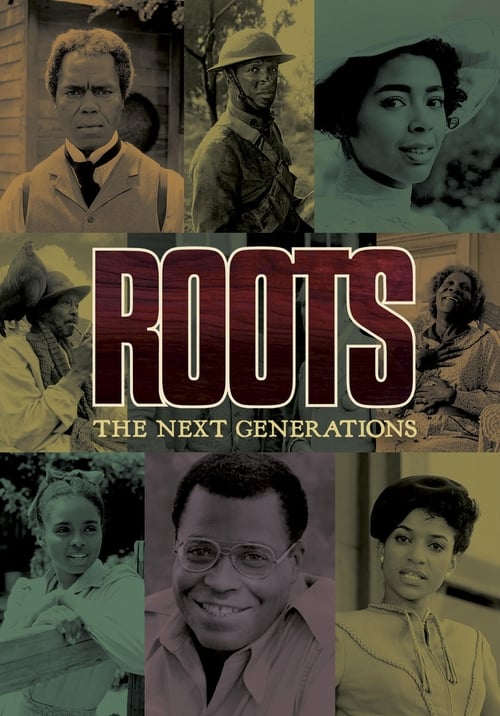
Roots: The Next Generations is a television miniseries, introduced in 1979, continuing, from 1882 to the 1960s, the fictionalized story of the family of Alex Haley and their life in Henning, Lauderdale County, Tennessee, USA. This sequel to the 1977 miniseries is based on the last seven chapters of Haley's novel entitled Roots: The Saga of an American Family plus additional material by Haley. Roots: The Next Generations was produced with a budget of $16.6 million, nearly three times as large as that of the original.
Roots: The Next Generations

In 1973 the American Film Institute initiated its Life Achievement Award, to be presented to a yearly recipient whose talent has fundamentally advanced the film art; whose accomplishments have been acknowledged by scholars, critics, professional peers and the general public; and whose work has stood the test of time.
The American Film Institute Salute to ...

No description available.
Reflets de Cannes

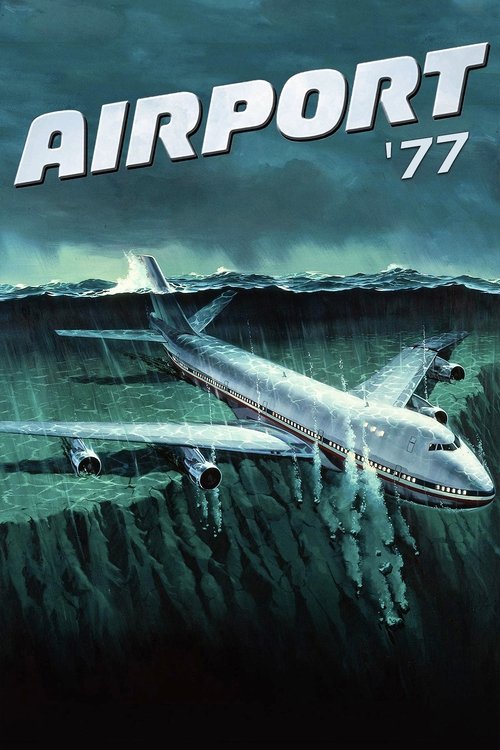
Flight 23 has crashed in the Bermuda Triangle after a hijacking gone wrong. Now the surviving passengers must brave panic, slow leaks, oxygen depletion, and more while attempting a daring plan, all while 200 feet underwater.
Airport '77

This special is the second "Night of 100 Stars" to benefit The Actors Fund of America. Edited from a seven-hour live entertainment marathon that was taped February 17, 1985, at New York's Radio City Music Hall, this sequel to the 1982 "Night of 100 Stars" special features 288 celebrities.
Night of 100 Stars II

Scientist Dr. Bradford Crane and army general Thalius Slater join forces to fight an almost invisible enemy threatening America; killer bees that have deadly venom and attack without reason. Disaster movie-master Irwin Allen's film contains spectacular special effects, including a train crash caused by the eponymous swarm.