Raymond Huntley
Acting
Biography
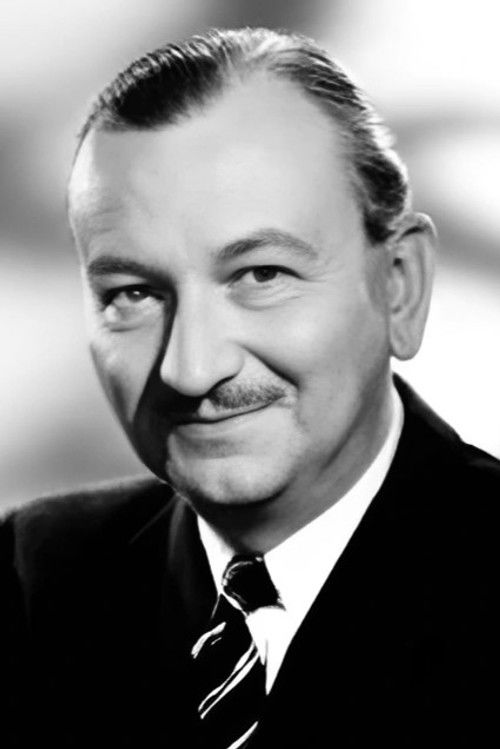
Horace Raymond Huntley (23 April 1904 – 15 June 1990) was an English actor who appeared in dozens of British films from the 1930s to the 1970s. He also appeared in the ITV period drama Upstairs, Downstairs as the pragmatic family solicitor Sir Geoffrey Dillon, and other television shows, such as the Wodehouse Playhouse, ('Romance at Droitwich Spa'), in 1975. Born in Kings Norton, Worcestershire (now a suburb of Birmingham) in 1904, Huntley made his stage debut at the Birmingham Repertory Theatre on 1 April 1922, in A Woman Killed with Kindness. His London debut followed at the Court Theatre on 22 February 1924, in As Far as Thought can Reach. He subsequently inherited the role of Count Dracula from Edmund Blake in Hamilton Deane's touring adaptation of Dracula, which arrived at London's Little Theatre on 14 February 1927, subsequently transferring to the larger Duke of York's Theatre. Later that year he was offered the chance to reprise the role on Broadway (in a script streamlined by John L. Balderston); when he declined, the part was taken by Bela Lugosi instead. Huntley did, however, appear in a US touring production of the Deane/Balderston play, covering the east coast and midwest, from 1928-30. "I have always considered the role of Count Dracula to have been an indiscretion of my youth" he recalled in 1989. After Dracula, he made his Broadway debut at the Vanderbilt Theatre on 23 February 1931, in The Venetian Glass Nephew. On returning to the UK, his many West End appearances included The Farmer's Wife (Queen's Theatre 1932), Cornelius (Duchess Theatre 1935), Bees on the Boat Deck (Lyric Theatre 1936) Time and the Conways (Duchess Theatre 1937), When We Are Married (St Martin's Theatre 1940), Rebecca (Queen's Theatre 1940; Strand Theatre 1942), They Came to a City (Globe Theatre 1943), The Late Edwina Black (Ambassadors Theatre 1948), And This Was Odd (Criterion Theatre 1951), Double Image (Savoy Theatre 1956), Any Other Business (Westminster Theatre 1958), Caught Napping (Piccadilly Theatre 1959), Difference of Opinion (Garrick Theatre 1963), An Ideal Husband (Garrick Theatre 1966), Getting Married (Strand Theatre 1967), Soldiers (New Theatre 1968) and Separate Tables (Apollo Theatre 1977). He also starred opposite Flora Robson in the Broadway production of Black Chiffon (48th Street Theatre 1950). Often cast as a supercilious bureaucrat or other authority figure, Huntley was also a staple figure in British films, his many appearances including The Way Ahead, I See a Dark Stranger, Passport to Pimlico and The Dam Busters. In his later years, he became well-known on television as Sir Geoffrey Dillon, the family solicitor to the Bellamys in LWT's popular 1970s drama series Upstairs, Downstairs. Huntley died in Westminster Hospital, London in 1990. In his obituary, the New York Times wrote, "During his long career the actor played judges, bank managers, churchmen, bureaucrats and other figures of authority. He could play them straight if necessary, but in comedy his natural dryness of delivery was exaggerated to the point where the character he was playing invited mockery as a pompous humbug." Source: Article "Raymond Huntley" from Wikipedia in English, licensed under CC-BY-SA 3.0.
Known For

Crown Court is an afternoon television courtroom drama produced by Granada Television for the ITV network that ran from 1972, when the Crown Court system replaced Assize courts and Quarter sessions in the legal system of England and Wales, to 1984.
Crown Court

Omnibus was an arts-based BBC television documentary series, broadcast mainly on BBC1 in the United Kingdom. The programme was the successor to the long-running arts-based series 'Monitor'. It ran from 1967 until 2003, usually being transmitted on Sunday evenings. During its 35-year history, the programme won 12 Bafta awards. Among the series' best remembered documentaries are Cracked Actor, a profile of David Bowie, and Rene Magritte, a graduate film by David Wheatley, 'Madonna: Behind the American dream', a film produced by Nadia Hagger, and a profile of the British film director Ridley Scott. For a season in 1982, the series was in a magazine format presented by Barry Norman. The series was replaced by 'Imagine' hosted by Alan Yentob.
Omnibus

An anthology series of television plays which aired on BBC1 from October 1964 to May 1970. The plays were usually written for television, although adaptations from other sources also featured.
The Wednesday Play

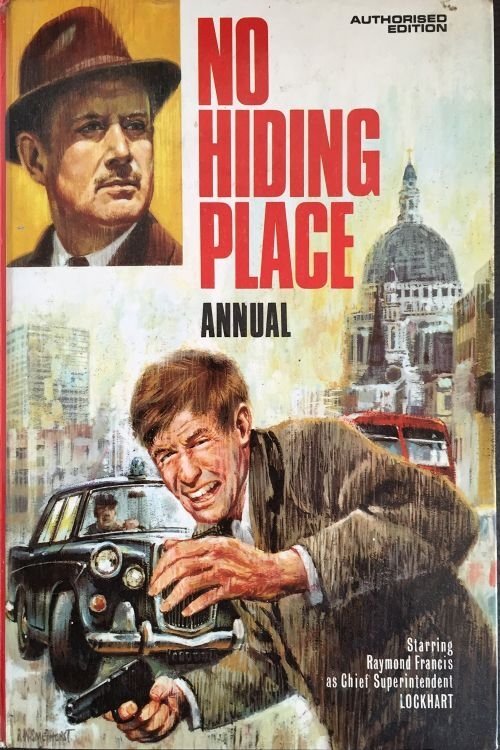
No Hiding Place is a British television series that was produced at Wembley Studios by Associated-Rediffusion for the ITV network between 16 September 1959 and 22 June 1967. It was the sequel to the series Murder Bag and Crime Sheet, all starring Raymond Francis as Detective Superintendent, later Detective Chief Superintendent Tom Lockhart.
No Hiding Place

Danger Man is a British television series which was broadcast between 1960 and 1962, and again between 1964 and 1968. The series featured Patrick McGoohan as secret agent John Drake. Ralph Smart created the programme and wrote many of the scripts. Danger Man was financed by Lew Grade's ITC Entertainment.
Danger Man

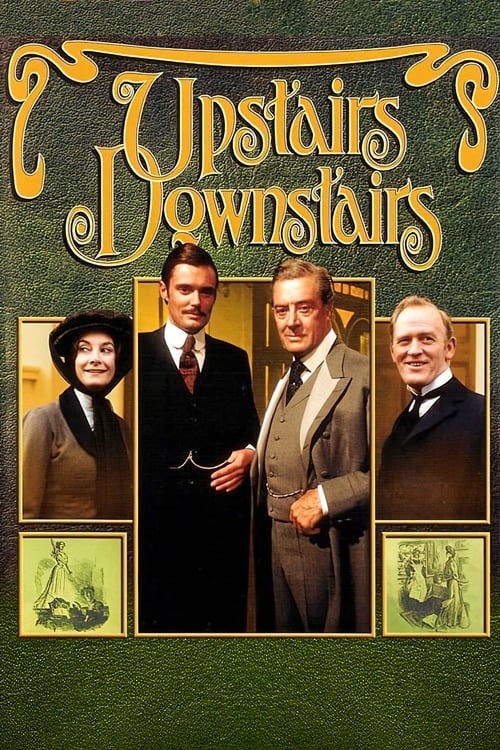
Upstairs: the wealthy, aristocratic Bellamys. Downstairs: their loyal and lively servants. For nearly 30 years, they share a fashionable townhouse at 165 Eaton Place in London’s posh Belgravia neighborhood, surviving social change, political upheaval, scandals, and the horrors of the First World War.
Upstairs, Downstairs

Sunday Night Theatre was a long-running series of televised live television plays screened by BBC Television from early 1950 until 1959. The productions for the first five years or so of the run were re-staged live the following Thursday, partly because of technical limitations in this era, and the theatrical basis of early television drama. Some of the earliest collaborations between Rudolph Cartier and Nigel Neale were produced for this series, including Arrow to the Heart and Nineteen Eighty-Four. The Sunday night drama slot was subsequently renamed The Sunday-Night Play which ran for four seasons between 1960 and 1963. ITV transmitted its own unrelated run of Sunday Night Theatre between 1971 and 1974.
Sunday Night Theatre

Anthology series of dramatic works.
ITV Saturday Night Theatre

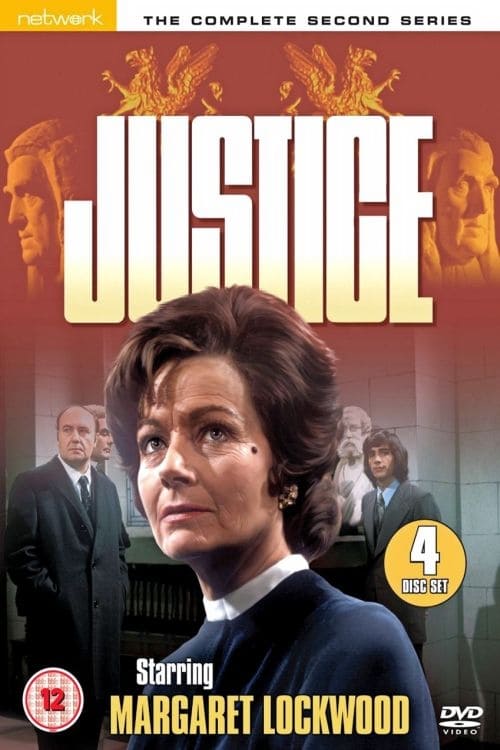
Justice is a British drama television series which originally aired on ITV in 39 hour-long episodes between 8 August 1971 and 16 October 1974. Margaret Lockwood stars as Harriet Peterson a female barrister in the North of England. It was made by Yorkshire Television and was based loosely on Justice Is a Woman, an episode of ITV Playhouse broadcast in 1969 in which Lockwood had previously also played a barrister. The theme music was Crown Imperial by William Walton.
Justice

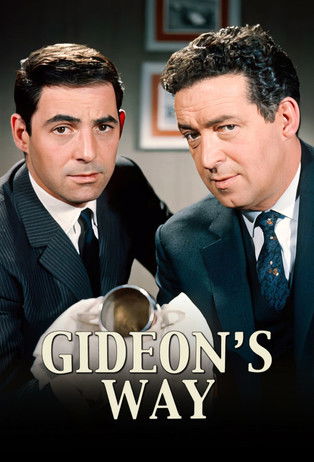
Gideon's Way is a British television crime series made by ITC Entertainment in 1964/65, based on the novels by John Creasey. The series was made at Elstree in twin production with The Saint TV series. It starred Liverpudlian John Gregson in the title role as Commander George Gideon of Scotland Yard, with Alexander Davion as his assistant, Detective Chief Inspector David Keen, Reginald Jessup as Det. Superintendent LeMaitre, Ian Rossiter as Detective Chief Superintendent Joe Bell and Basil Dignam as Commissioner Scott-Marle. The show did not acknowledge any help from Scotland Yard, any other police force or advisor. Daphne Anderson starred as his wife, Kate with Giles Watling as young son, Malcolm, Richard James as older son, Matthew who seemed to have a lot of new girlfriends and Andrea Allan as daughter, Pru. Unusually for police stories, Gideon was shown as a family man at home though urgent phone calls from his bosses tend to disrupt family plans too often. However, he did admit in "State Visit" that his wife had walked out on him for a while years ago when he put the job first and her second. They live in an expensive detached house in Chelsea.
Gideon's Way

The adventures of Interpol policemen Duval and Mornay as they fought against international drug-running, homicide, robbery and forgery.
Interpol Calling

Hancock's Half Hour is a BBC television comedy series of the 1950s and 60s written by Ray Galton and Alan Simpson. The series starred Tony Hancock with Sid James. The final series, renamed simply Hancock, starred Hancock alone. Comedian Tony Hancock starred in the show, playing an exaggerated and much poorer version of his own character and lifestyle, Anthony Aloysius St John Hancock, a down-at-heel comedian living at the dilapidated 23 Railway Cuttings in East Cheam. The series was influential in the development of the situation comedy, with its move away from radio variety towards a focus on character development.
Hancock's Half Hour

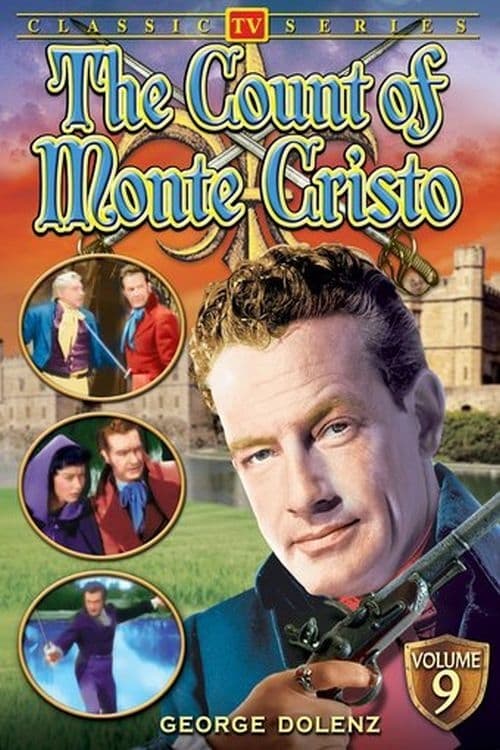
The Count of Monte Cristo was a 1956 ITC Entertainment/TPA television series adapted very loosely from the novel by Alexandre Dumas, adapted by Sidney Marshall. It premiered in the UK in early 1956 and ran for 39 thirty-minute episodes. The first twelve episodes were filmed in the United States, at the Hal Roach studios, with the rest being filmed at ITC's traditional home of Elstree. A 5-disc DVD set containing all thirty-nine episodes was released by Network Studio on 12 April 2010. ITC produced a film based on the same source-material, The Count of Monte-Cristo, in 1975.
The Count of Monte Cristo

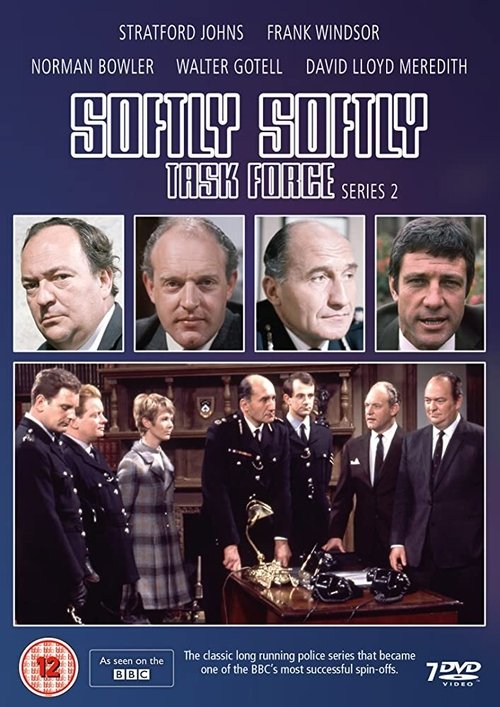
Softly, Softly: Task Force is a police based drama series which ran on BBC 1 from 1969 to 1976. It was a revamp of Softly, Softly, itself a spin-off from Z-Cars. The change was made partly to coincide with the coming of colour broadcasting to the BBC's main channel BBC1. The programme was due to be called simply Task Force, but reluctant to sacrifice a much-loved brand the BBC compromised this so it became Softly, Softly: Task Force.
Softly Softly: Task Force

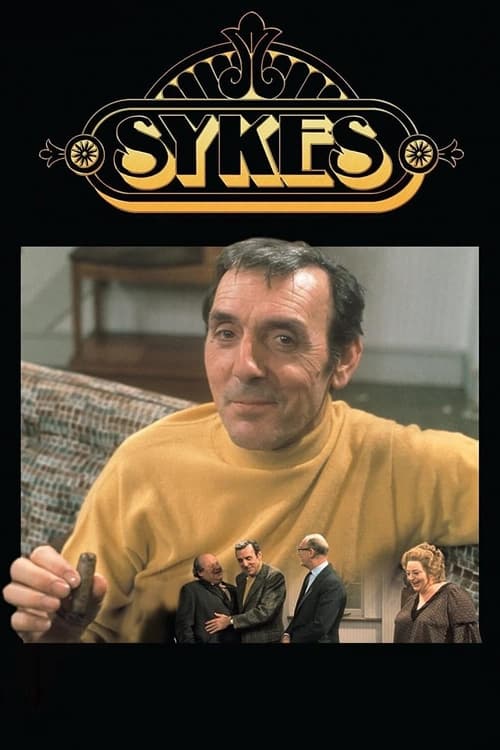
Classic sitcom starring Eric Sykes and Hattie Jacques as brother and sister twins who have to tackle the trials and tribulations of suburban life.
Sykes
BBC anthology drama series that ran over four seasons and replaced the previous BBC Sunday Night Theatre series.
Sunday-Night Play

Sir Francis Drake was a British adventure television series starring Terence Morgan as Sir Francis Drake, commander of the sailing ship the Golden Hind. As well as battles at sea, sword fights, the series also deals with intrigue at Elizabeth's court, often caused by Spaniard, Mendoza.
Sir Francis Drake

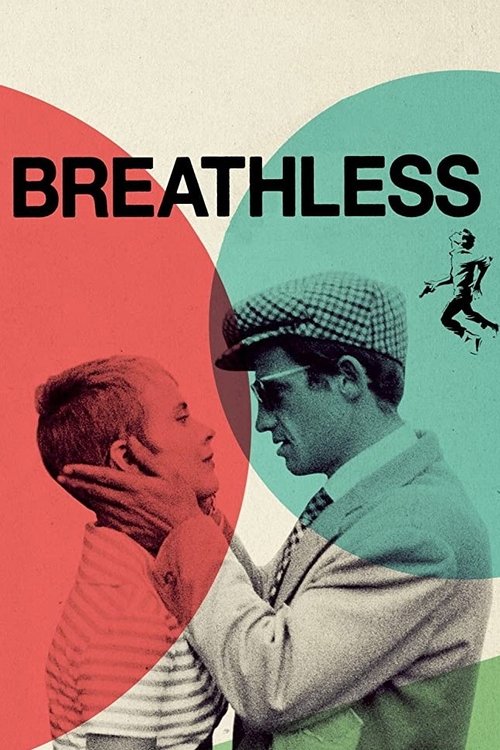
A small-time thief steals a car and impulsively murders a motorcycle policeman. Wanted by the authorities, he attempts to persuade a girl to run away to Italy with him.
Breathless

A BBC television series of forty-five-minute excerpts from stage plays running in London.
Theatre Night

Brass is a British comedy-drama series created by John Stevenson and Julian Roach, and produced by Granada Television for ITV and eventually Channel 4. Satirising the working-class period dramas of the 1970s and the American supersoaps such as Dallas and Dynasty, Brass was unusual for ITV comedies of the time, as there was no laugh track and the humour deliberately kept extremely dry, using convoluted wordplay and subtle commentary on popular culture. Set primarily in Utterley, a fictional Lancashire mining town in the 1930s, two feuding families—the wealthy Hardacres and the poor, working-class Fairchilds, who lived in a small terraced house rented from the Hardacre empire.