Acting
A Russian detective series, based on 8 works of Andrei Konstantinov ("lawyer", "Justice / Attorney-2", "The Thief / Journalist-2", "Writer", "Inventor / Writer-2", "The prisoner "," Cop "," Scavenger ") and four works by other writers.
The love story of young Countess Natasha Rostova and Count Pierre Bezukhov is interwoven with the Great Patriotic War of 1812 against Napoleon's invading army.
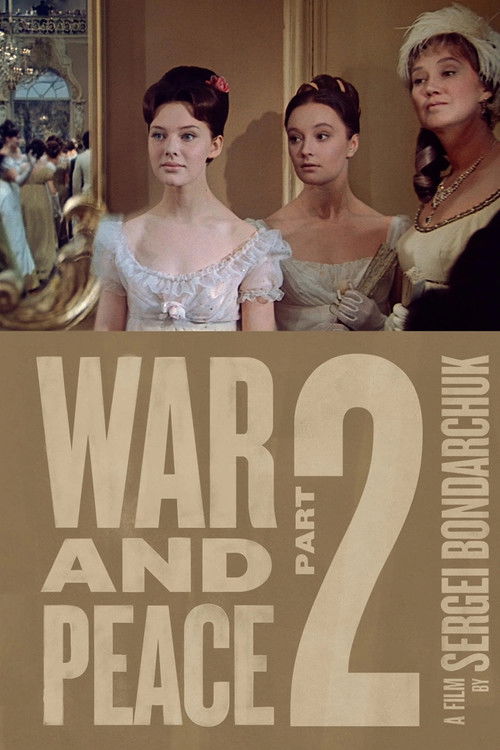
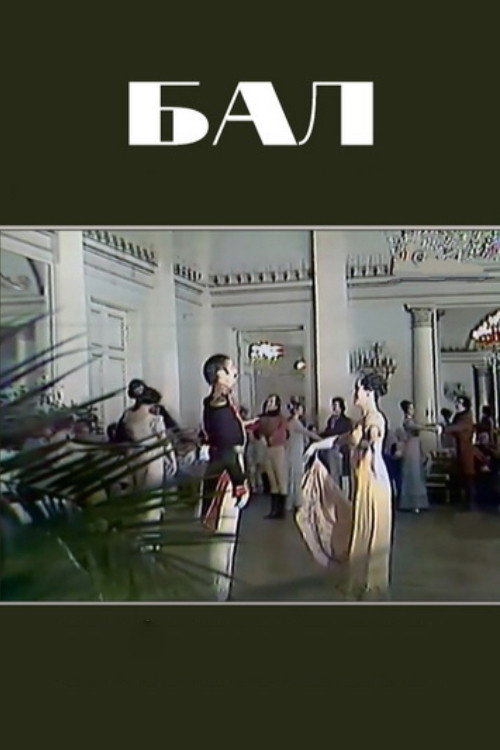
As 1809 nears its end, Natasha attends her first ball, where Andrei falls in love with her with the intent of marriage. However, as her father demands they wait, the prince travels abroad, leaving Natasha in desperate longing. But she meets Anatol Kuragin and forgets Andrei. Part two of the four-part adaptation of Leo Tolstoy's 1869 novel.
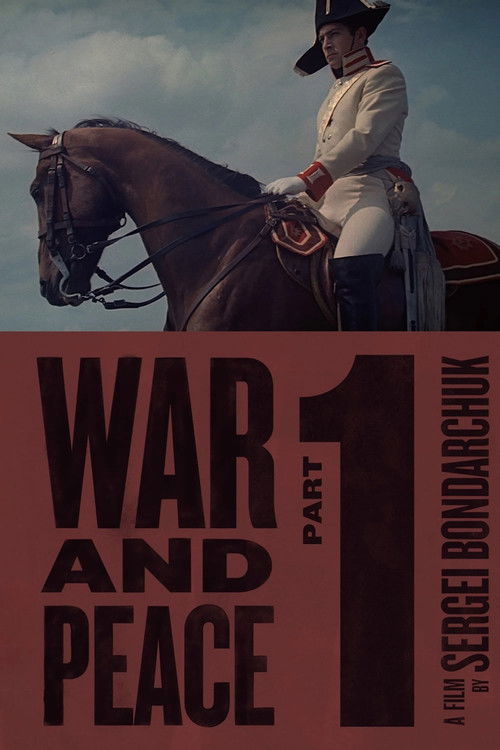
In 1805 St. Petersburg, Pierre Bezukhov, illegitimate son of a rich nobleman, is introduced to high society. His friend, Prince Andrei Bolkonsky, joins the Imperial Russian Army as aide-de-camp of General Mikhail Kutuzov in the War of the Third Coalition against General Napoleon Bonaparte. Part one of the four-part adaptation of Leo Tolstoy's 1869 novel.
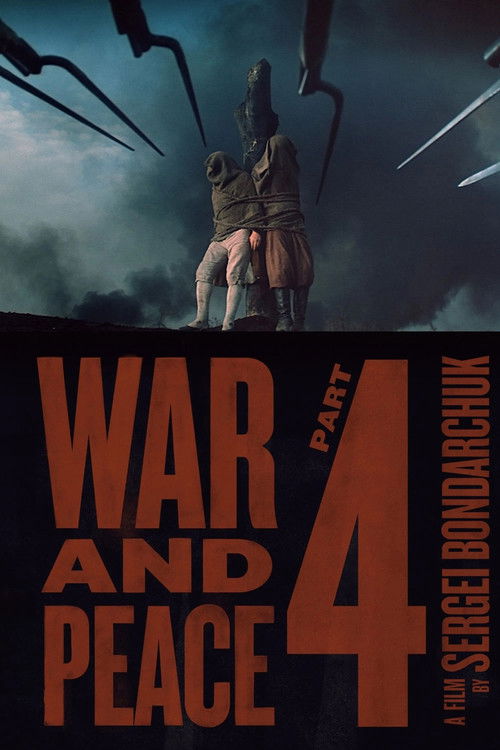
As Moscow is set ablaze by the retreating Russians, the Rostovs flee their estate, taking wounded soldiers with them, and unbeknownst to them, also Andrei. Pierre, dressed as a peasant, tries to assassinate Napoleon but is taken prisoner. As the French are forced to retreat, he's marched for months with the Grande Armée, until being freed by a raiding party. Part four of the four-part adaptation of Leo Tolstoy's 1869 novel.
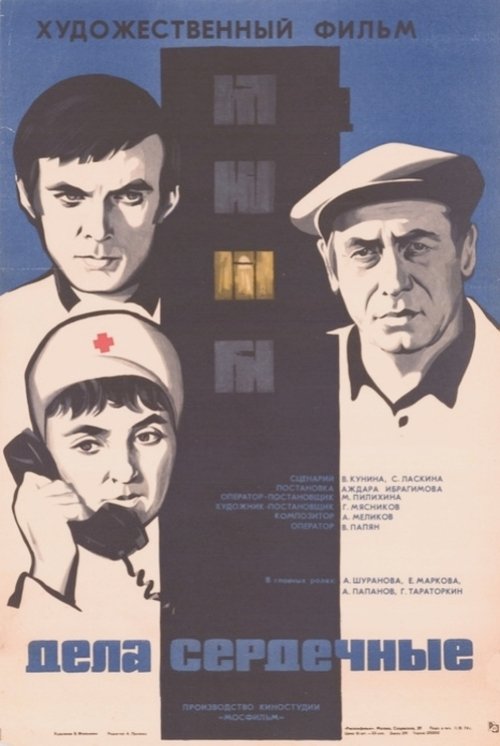
A story about lives of an ambulance employees and their relationships.
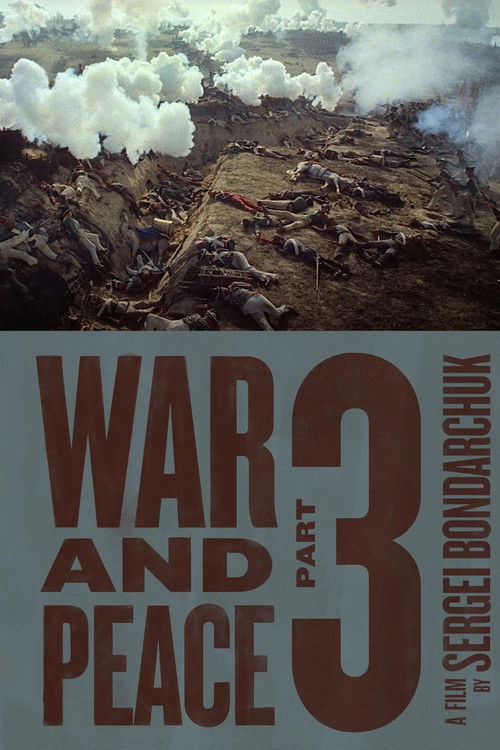
In 1812, as Napoleon's army invades Russia, Kutuzov asks Bolkonsky to join him as a staff officer, yet the prince requests a command in the field. Pierre sets out to watch the armies' impending confrontation. As the Battle of Borodino rages, he volunteers to assist in an artillery battery. Part three of the four-part adaptation of Leo Tolstoy's 1869 novel.
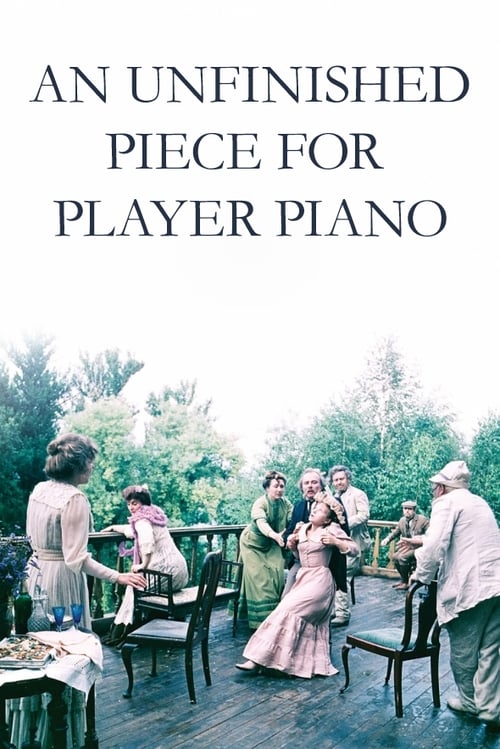
On a summer day in late 19th century Russia, a group of bourgeois friends and acquaintances gather at a dilapidated country estate.
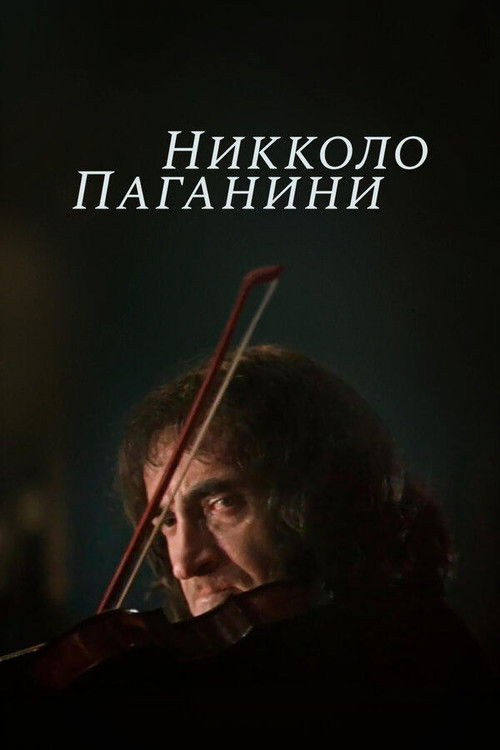
Biopic about Niccolo Paganini. He receives training from his father in early childhood. The best teachers of Parma are unable to give him more, so Paganini turns to a daily 15 hours of rigorous self-training. He makes sensational concert tours in Vienna, Paris, London and many other cities of Europe. He is always playing from memory, wearing black, and his stage appearance supports the rumors of his supernatural abilities. He is a wealthy man, but gambling and reckless spending forces him to pawn his violin. He is given a Guarneri violin by a wealthy listener to keep. He later gives this violin to the city of Genoa.
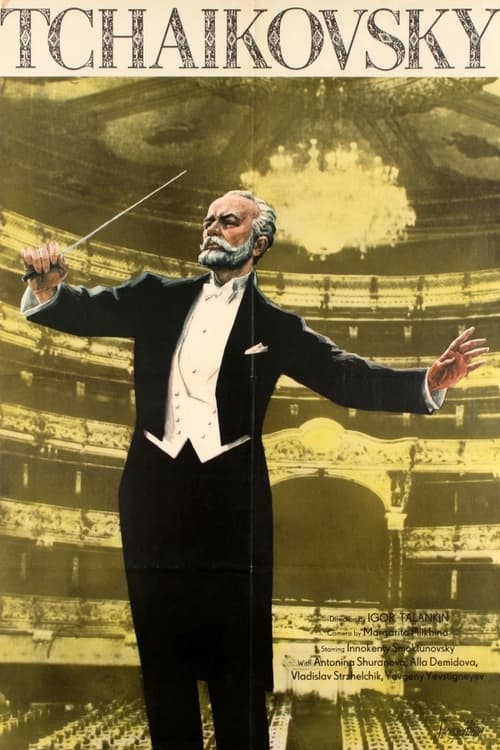
The film is dedicated to the great Russian composer Pyotr Tchaikovsky (1840-1893). It tells of the last twenty years of the great master’s life, of his friendship with Baroness von Meck, an outstanding woman of her time, who for many years was Tchaikovsky’s guardian angel. The film also includes retrospections of the composer’s childhood and adolescent years, with Tchaikovsky’s life poetically recounted against the background of fragments from his operas and ballets performed by the best Russian musicians.
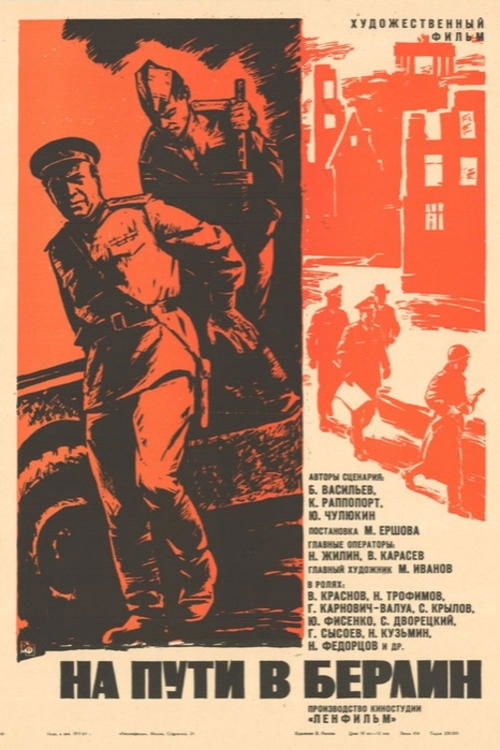
During the dangerous last days of WWII, a Red Army soldier tries to set up an occupation government on the outskirts of Berlin, which has not yet surrendered.
Based on the works of Alexander Pushkin ("Roslavlev", "The Tales of I.P. Belkin", "We Spent the Evening at the Country Estate...", "A Novel in Letters", "A Duel", etc.).
The end of August 1941. At night, a truck rushes along the last road not yet occupied by the enemy to Leningrad. In the back of two — civil aviation pilot Lunin and commissar of the air division Uvarov. Lunin, a man no longer young, experienced, but had not yet been in battle, was sent to the legendary squadron of fighter pilots under the command of Captain Rassokhin. This squadron fought from the first day of the war and has already lost most of its composition.
A lonely old man and a girl in need of peace and genuine feelings become friends. However, after a while, she is accused of murdering the old man.
No description available.
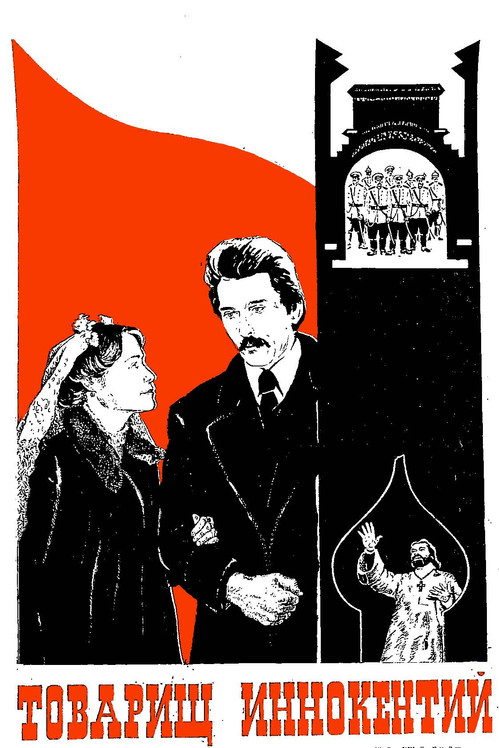
About the initial period of the revolutionary activity of the Russian revolutionary Joseph Dubrovinsky (1877-1913, Innokenty is one of the underground nicknames of the Bolshevik), about the years of active propaganda work, a duel with the "king of the Okhrana" Zubatov, exile and the resumption of work underground.
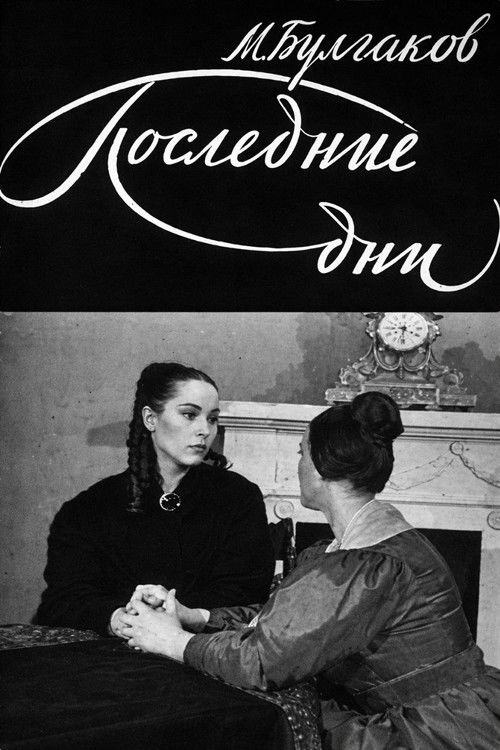
Based on the play by Mikhail Bulgakov about the last days of Alexander Sergeevich Pushkin's life.
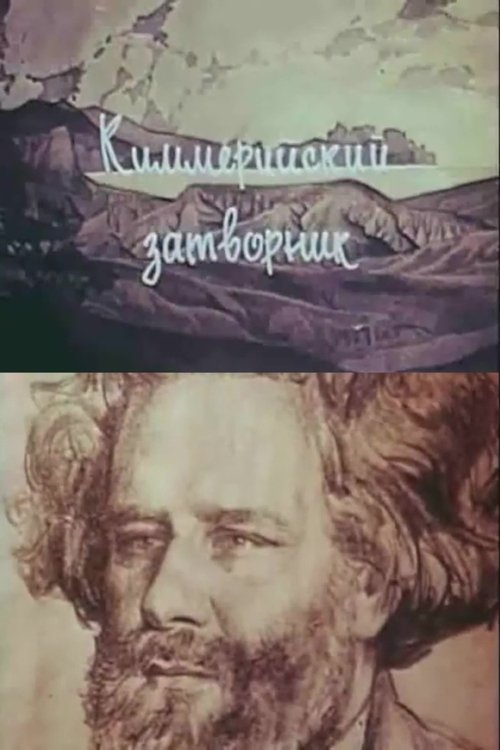
He became a legend in his own lifetime. A Symbolist poet, artist, photographer, art historian, translator, lecturer, and local historian — Maximilian Voloshin, known simply as Max. Everyone loved him, and he loved everyone. He embodied contradictions. He visited the Vatican, the Prado, and the Louvre, witnessed the first car rallies and flying machines, attended Silver Age poetry circles and Montmartre artist gatherings, and took part in literary hoaxes. But no matter where he went, he always returned to Feodosia.
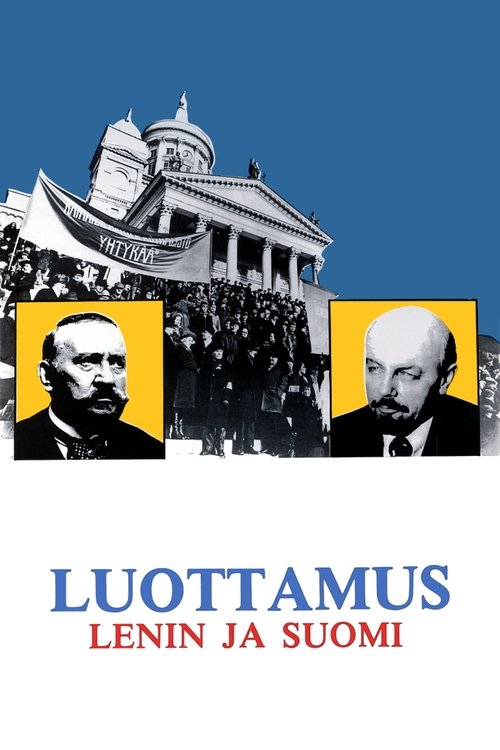
In December 1917, a Finnish delegation arrives in St. Petersburg to meet Vladimir Lenin to seek recognition of Finland's independence.
According to the stories of I.Kasafutdinov. Grigory has been working as a diver in the Sea of Okhotsk for many years. He misses his six-year-old son Dimka very much and decides to return to his hometown to invite his ex-wife Katya to try to somehow establish a life together. When he arrives, he finds out that Katya has a new husband, and she is expecting a child from him. Grigory asks to give him his son in exchange for all the money earned in the north, and Katya, after a brief hesitation, agrees. Grigory takes Dimka away, but the police overtake them at the train station. At the police station, Grigory learns that his ex-wife has filed a complaint about the abduction of her son...