Acting
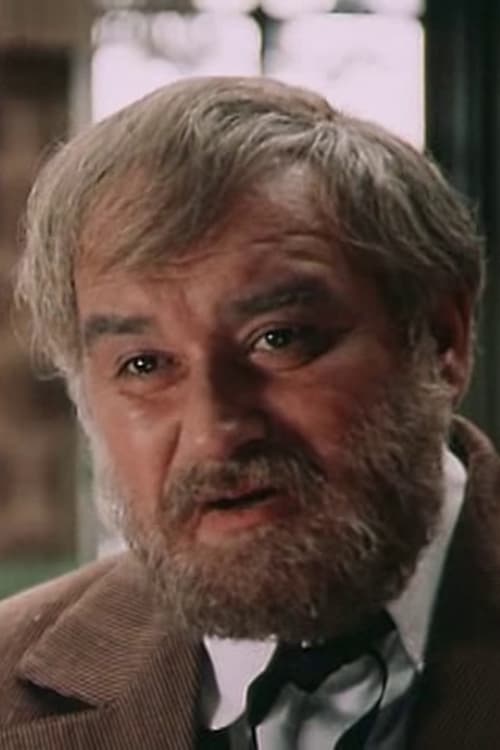
Grigori Abrikosov was a Russian stage and film actor.
In May 1941, a young instructor of the Komsomol Regional Committee of Belovezhskaya Pushcha Andrei Dyomushkin was invited to the graduation party of the Moscow Theatre School to create a professional theatre in the city. The war has crossed out all plans. Now he, along with the course of graduates, will have to go through the war and be the commander of the front acting fraternity in the current army "A Special Unit"...
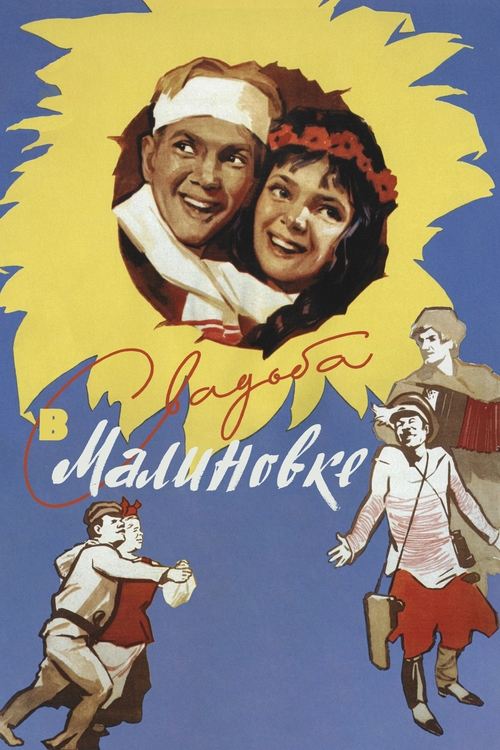
The movie takes place during Russia's civil war between the Reds (Bolsheviks) and the Whites (Mensheviks). Andrejka and Yarinka are a young betrothed couple in the village of Malinovka, caught between the battle lines. Gritsian is the leader of a Menshevik band who are planning to attack the village. Yarinka appeals to the local Bolshevik commander for his faction's help. The Bolsheviks quickly come up with a plan to save the village... but the plan requires Yarinka to enter into a pretend marriage with Gritsian.
Based on the eponymous novel by A.F. Pisemsky. A play about the all-powerful influence of money and the morals of the bureaucratic world that destroy everything honest, good, and humane.
The authors, like Isaac Babel, rejected the depiction of battles, the simplification, and varnishing of reality, instead conveying the dramatic tension of the post-revolutionary years: the explosion of awakened human energy and the tragic collisions of destinies.
No description available.
The movie takes place at the construction of a tunnel in the Arctic Circle. A young engineer Andrei Arefyev is appointed head of the site. Between him and Nikolai Krumov, head of the neighboring site, there is a serious conflict. And it's not only about different professional approaches to construction methods in harsh conditions: Arefyev's favorite girl Svetlana, without any agony, preferred Krumov to him.
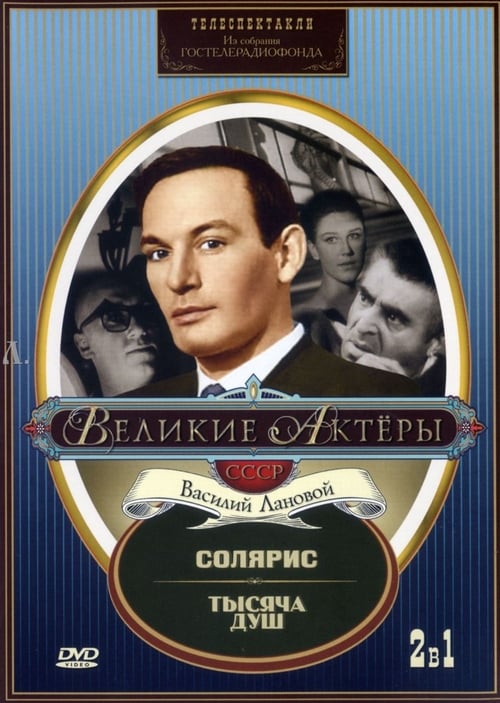
The early 20th century. A flood strikes a large American city on the banks of the Mississippi River. In a certain bar, several people find themselves trapped together in a small space, caught in a torrential downpour. They learn from weather reports that the storm has destroyed the dam and floodwaters have submerged much of the city. A rumor spreads that everyone taking refuge in the bar is doomed to die. Faced with the imminent danger, strange transformations occur in the people: wealthy cynics and grumbling bankrupts turn into individuals capable of empathy and love. In the final hours of their lives, they seek to be kinder, to care for each other. But when the threat of the flood dissipates, everything returns to the way it was...
The builders of the metallurgical plant and the new city of Nowa Huta were invited to appear on television in the “Yesterday – Today” program to tell how it all began. So, having arrived at the great construction site of socialism, in a village called Mogila, the builders were greeted by “clay, dirt and dog housing on wet ground.” It was a difficult time. But years passed, the plant was built, a new exemplary socialist city of metallurgists grew...
The action takes place at the construction site of a large power plant in Siberia. A professional conflict arises between the construction manager, Krotov, and the chief engineer, Yuryev, which is complicated by personal relationships—Elena, Krotov's wife, has genuinely fallen in love with Yuryev, a man of principles, honesty, and kindness.
A musical television performance from 1976 based on the stories of F. Bret Harte.
A story of a young girl going through the number of hard events in her life.
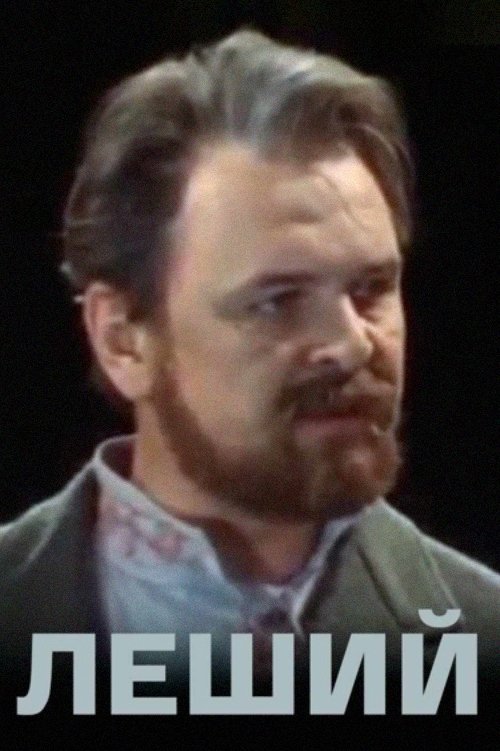
The play, traditionally considered a precursor to Uncle Vanya, contains many characters, situations, and fragments of text that were later carried over into Uncle Vanya from The Wood Demon. In this play, as in all of Chekhov's works, the characteristics of the Russian national character are reflected. Nature and man are interconnected: man first cleared the forest, and then civilization cleared man. Spiritual values have been lost, traditions destroyed, and the ability to empathize and feel for others has vanished.
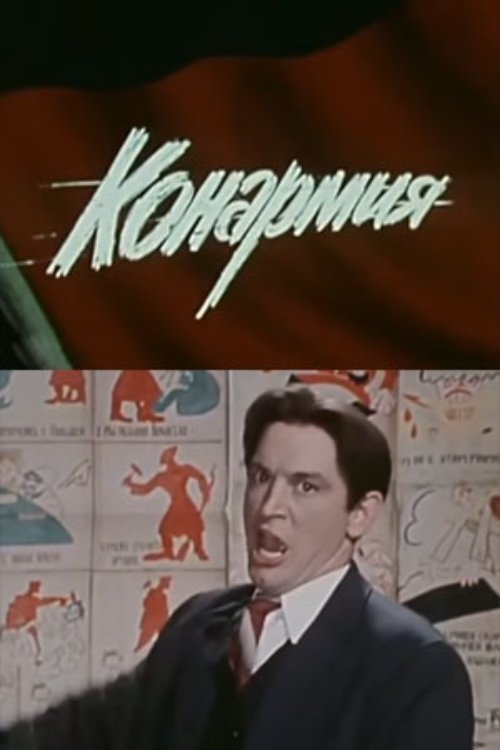
Soviet propaganda film about the Red Army commander, revolutionary M.V.Frunze. The movie covers the period from October to December 1920, the capture of Perekop and the final defeat of Wrangel's army.
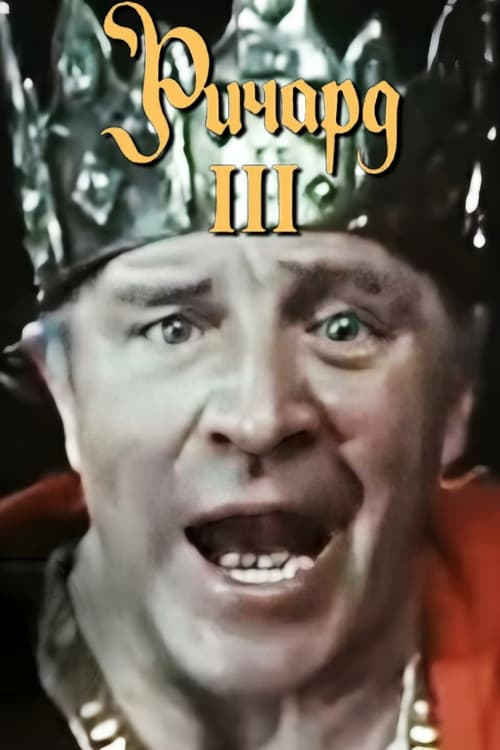
Having helped his brother King Edward IV take the throne of England, the jealous hunchback Richard, Duke of Gloucester, plots to seize power for himself. Masterfully deceiving and plotting against nearly everyone in the royal court, including his eventual wife, Lady Anne, and his brother George, Duke of Clarence, Richard orchestrates a bloody rise to power before finding all his gains jeopardized by those he betrayed.
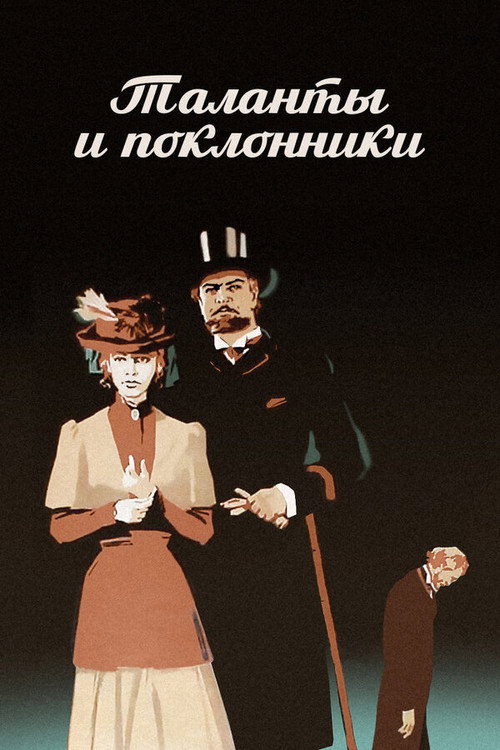
Negina, a popular but poor actress, receives lessons from her fiancé Meluzov. Prince Dulebov, intending to take advantage of the girl's dire circumstances, suggests sponsorship, gets refused and becomes spiteful. Despite the latter's intrigues, Negina's benefice performance is triumphant and she receives a large sum of money, part of which Dulebov himself has to provide to keep his face. Still, the entrepreneur refuses to prolong her contract. One after another ecstatic admires come to her expressing their affection, among them Narokov, Naluzov and Velikatov. She leaves honest but dull Meluzov and goes away with rich Velikatov, motivated not by greed but by the desire to work on stage, the only thing she is really in love with.
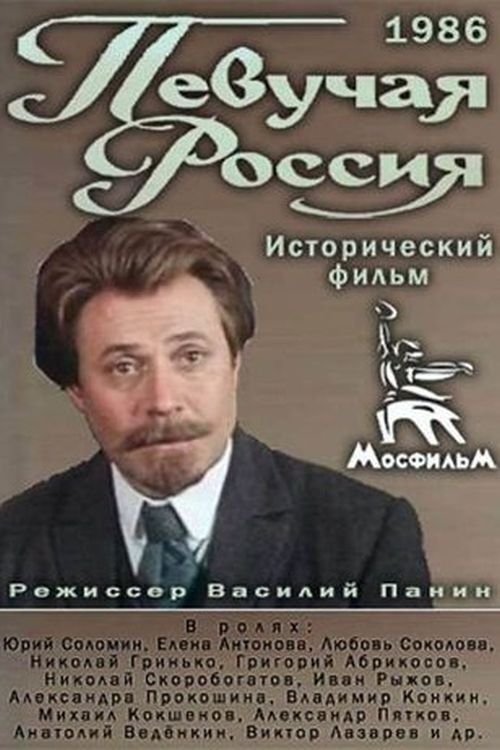
The film tells about the founder of the first Russian peasant choir Mitrofan Efimovich Pyatnitskiy, about his life, tragic love and other facts of his biography. The picture reflects the musical life of Russia in the pre-revolutionary period.
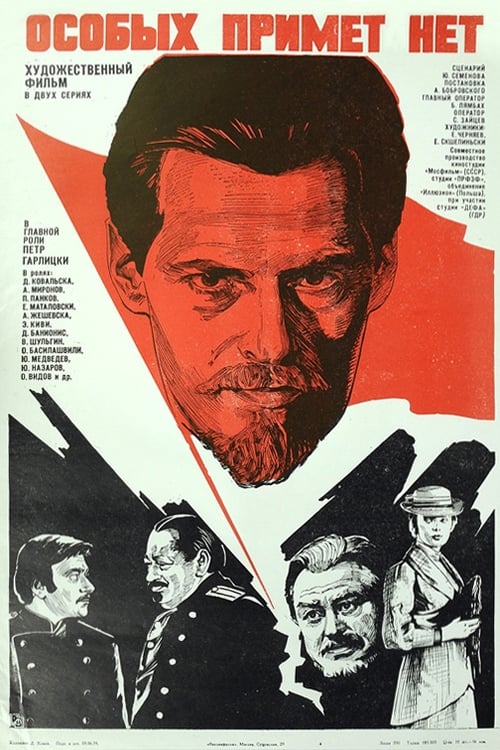
Drama about the period of F. Dzerzhinsky's activity in 1902-1905, when he, having escaped from the Viluysk prison, lived in Poland.
The foreman Chernykh and drilling foreman Marich carry out the most rational transportation of equipment in the extreme conditions of the North, introducing new progressive drilling technology.
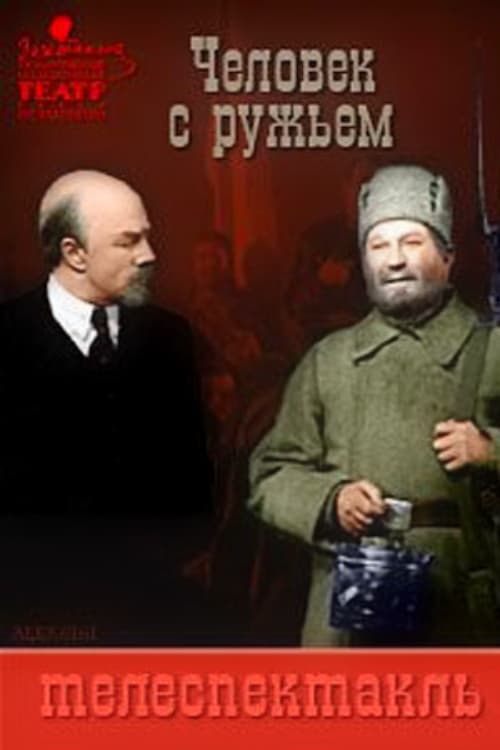
The events take place in Russia in 1917. A former peasant, and now a soldier, Ivan Shadrin, was sent by fellow soldiers from the German front to revolutionary Petrograd to hand Lenin a letter with questions from his comrades.