Acting
Fitil is a popular Soviet/Russian television satirical/comedy short film series which ran for about 500 episodes. Some of the episodes were aimed at children, and were called Фитилёк, Fitilyok, Little Fuse. Each issue contained from the few short segments: documentary, fictional and animated ones. Directed by various artists, including Leonid Gaidai who presented his famous trio of Nikulin, Vitsin and Morgunov into the cast. It was called in USSR as "the anecdotes from the Soviet government".
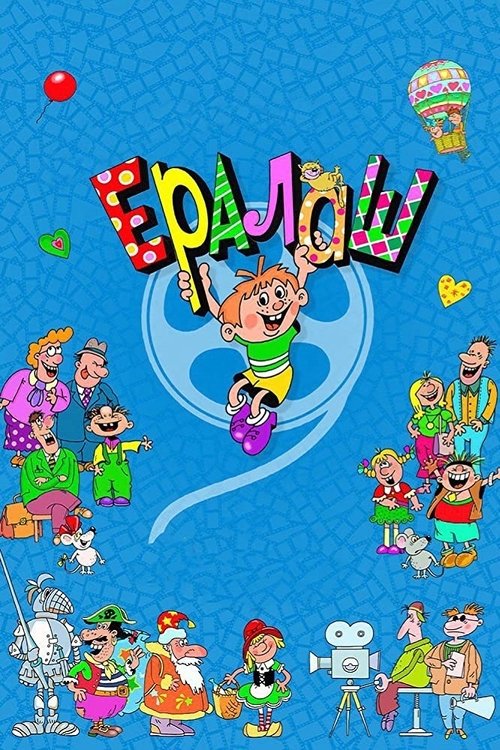
The children's humorous film magazine "Yeralash" is a one-of-a-kind work of cinematography that ironically approaches the solution of everyday problems, focusing on the views and needs of modern society, allowing different generations to achieve mutual understanding.
The love story of young Countess Natasha Rostova and Count Pierre Bezukhov is interwoven with the Great Patriotic War of 1812 against Napoleon's invading army.
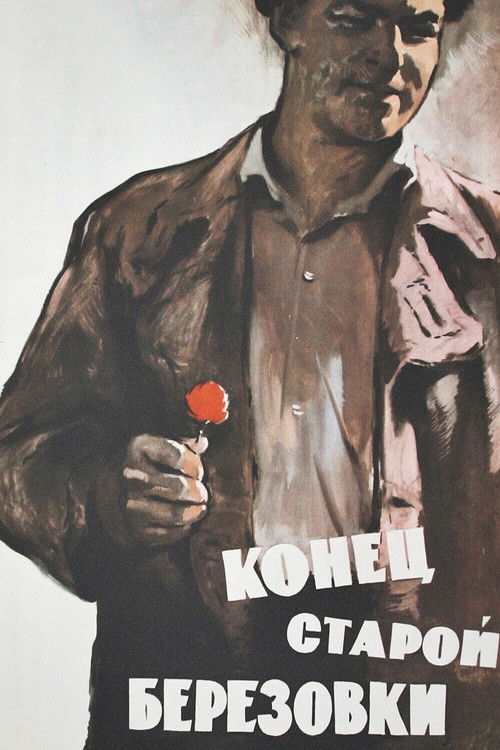
Once at Borka, a big prankster and fidget, an adult friend appeared — the builder Ivan Degtyarev. Former sailor directed Borkin's energy in the right direction and made him his assistant. Soon a disaster happened in the Borkin family. His sister Liza will soon become a mother, and the father of the unborn child did not want to marry her and avoided meeting. Ivan tried to unite the young, but his attempts were unsuccessful. Having fallen in love with Lisa, he proposed to her — and soon the young happy family moved to a new home.
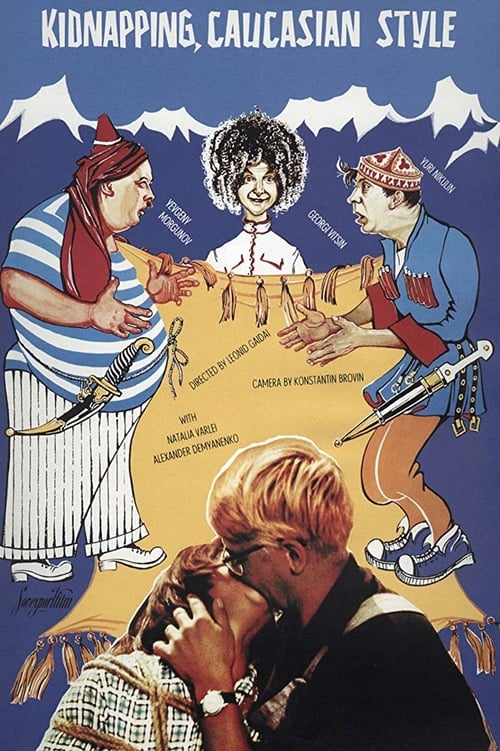
Shurik, a kind but naïve ethnography student, falls in love with the intelligent, athletic and beautiful All-Union Leninist Young Communist League member Nina. He has a rival in the wealthy comrade Saakhov, who concocts a kidnapping scheme to force Nina to marry him.
As Moscow is set ablaze by the retreating Russians, the Rostovs flee their estate, taking wounded soldiers with them, and unbeknownst to them, also Andrei. Pierre, dressed as a peasant, tries to assassinate Napoleon but is taken prisoner. As the French are forced to retreat, he's marched for months with the Grande Armée, until being freed by a raiding party. Part four of the four-part adaptation of Leo Tolstoy's 1869 novel.
Working with children led Barskaya to create superb direct sound and an inspired style of shooting. Don’t look for conventional cinematic syntax here. The film is chaotic in the way that Soviet films still knew how to be, and Langlois couldn’t help but be seduced by its rebellious spirit, its anarchy and love of children, comparable to Vigo’s Zero de conduite. As well as being a film made with and for children, it offers a complex take on Western society. Pre-Nazi Germany is not named as such but is carefully reconstructed, possibly under advice from Karl Radek, and children offer a playful reflection of class struggle – doubly excluded, as proletarians and as minors. “They play in the same way that they live”, one intertitle says. The interaction between their comical games and the yet more ludicrous ones played by adults is developed on several levels.
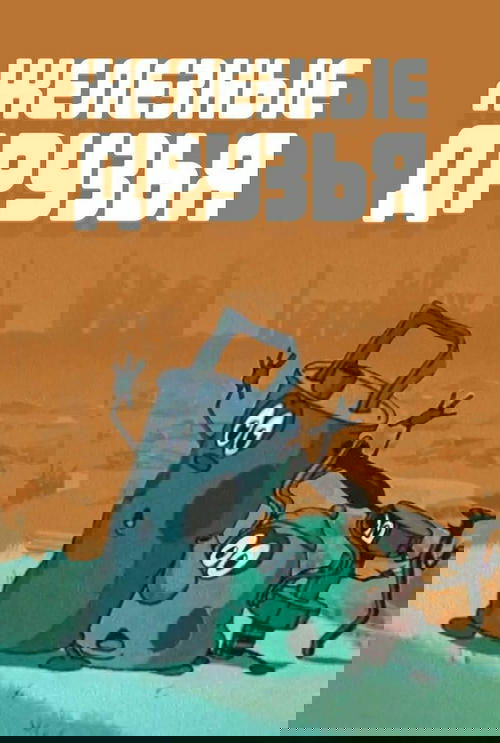
In an abandoned dump, old metal objects are thrown out - a kettle, a can, a screw with a screw, and a rusty little carnation. They feel lost and unnecessary to anyone. And then another and insidious rust is selected to destroy the poor. But suddenly they learn that there are such points where they can still come in handy and already serve people in a new guise. Having found this place, friends are surprised to discover that they were not alone in such a deplorable situation and that a whole line of metal things, large and small, lined up for melting.
An interesting voyage through the Soviet television and film industry.
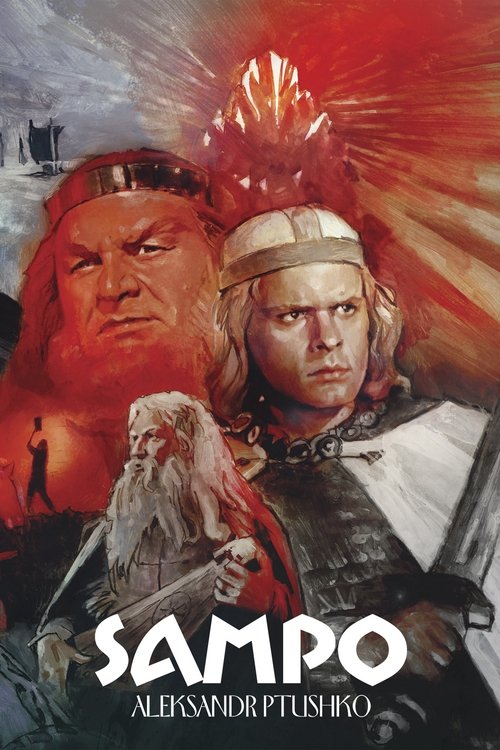
Based on Finnish mythology; Lemminkäinen woos the fair Annikki and battles the evil witch Louhi. Louhi kidnaps Annikki to compel her brother to build for her a Sampo, a magical device that creates salt, grain, and gold. When Lemminkäinen fails to recover the Sampo, Louhi steals the sun, plunging the world into frozen darkness.
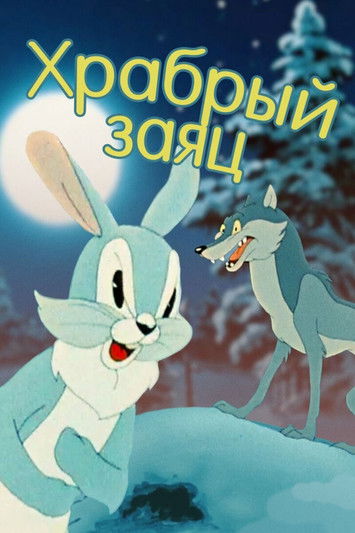
The tale about the brave hare - long ears, slanting eyes, short tail. He was so authoritative like a boss of all forests that even the wolf scared him.
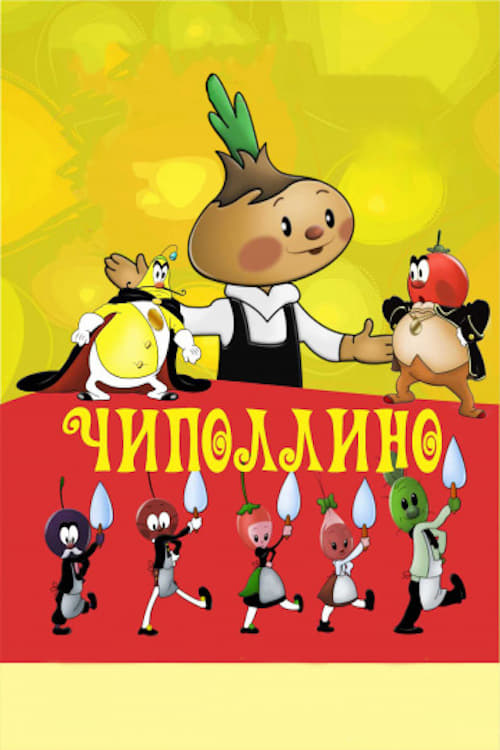
In a world inhabited by anthropomorphic produce, "Cipollino, the Onion Boy" fights the unjust treatment of his fellow vegetable townsfolk by the fruit royalty (Prince Lemon and the overly proud Lord Tomato) in the garden kingdom.
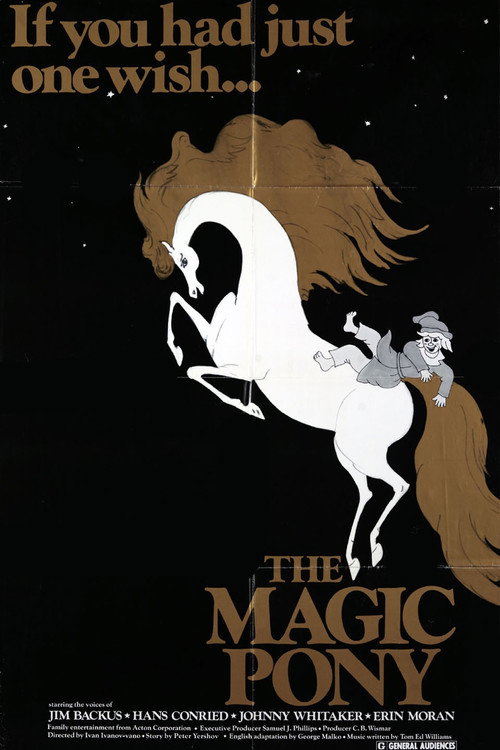
Adventures of Ivan the Fool and humpbacked horse in the world of kind magical creatures and cruel people.
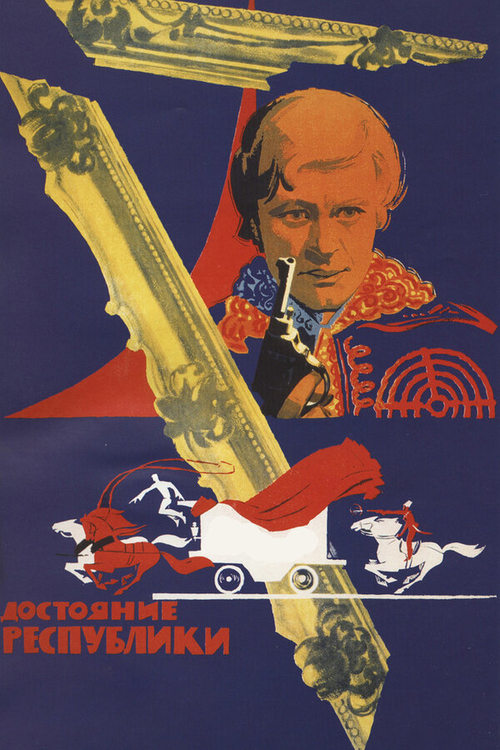
Spring of 1918. Tarakanov, managing the estate of Prince Tikhvinsky, with the help of a former court fencing teacher Marquess and a street kid Keshka, is stealing a collection of paintings and sculptures from the abandoned estate owners. Hoping to transport her abroad, criminals wander with a circus troupe, and in their wake goes a tireless criminal investigator — Makar Ovchinnikov.
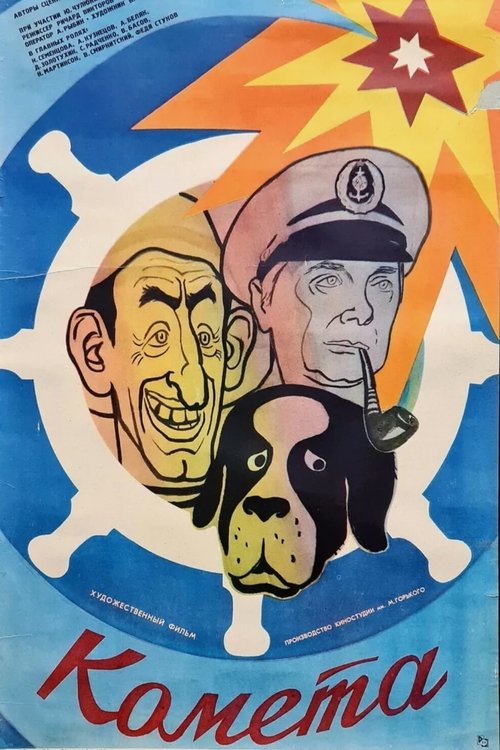
In a small coastal town,in the middle of the summer,the beaches are overcrowded,every piece of land occupied by tents and the cars of the tourists.A small group of filmmakers decide to shoot here a "masterpiece" by putting on a fake bank a ship.Suddenly,the crowd spreads the rumor that a comet will fall to the Earth very soon.At the last moment the most savvy vacationers decide to save themselves from a certain death by making some last minute unexpected changes in the script...
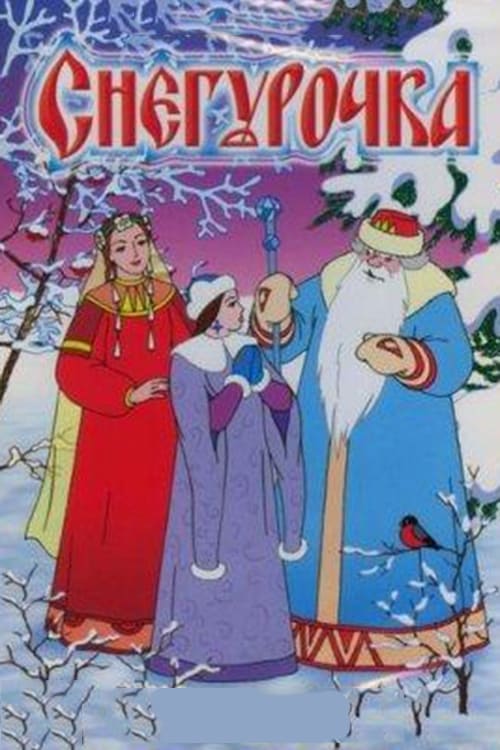
The tale about a girl with a cold heart who is dying in agony because of joy and love.
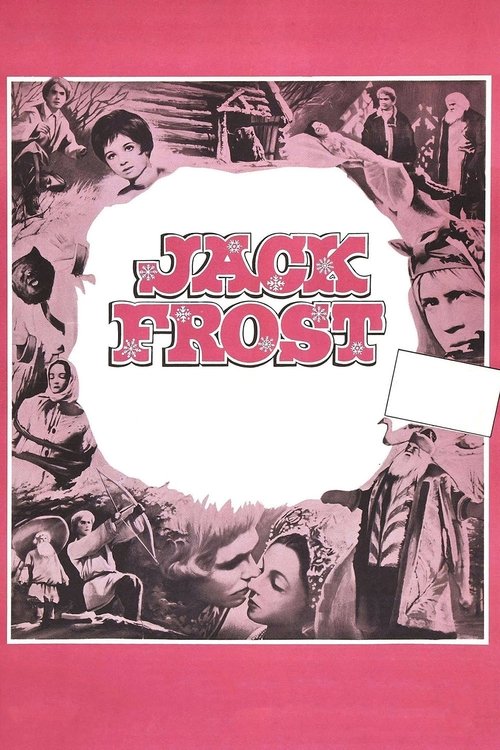
A fairy tale about a conceited young man and a young woman with a tyrannical step-mother, who must overcome magical trials in order to be together.
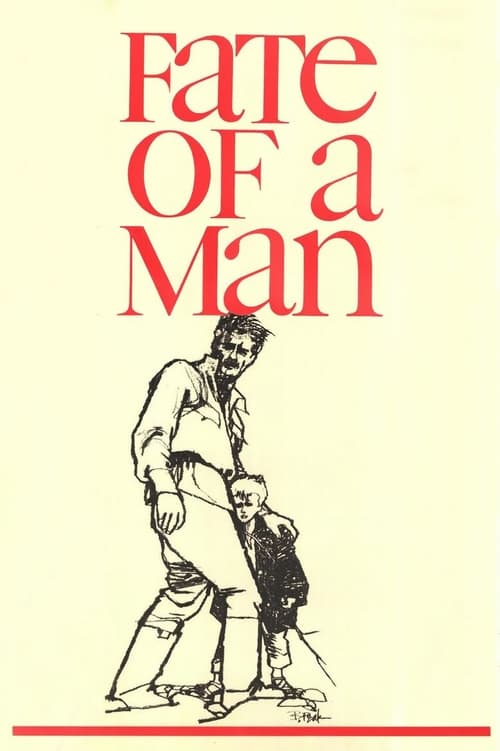
The story of a man whose life was ruthlessly crippled by World War II. His wife and daughters were killed during the bombing of his village, he spent some time as a prisoner, and his only son was killed in action only a few days before the victory...
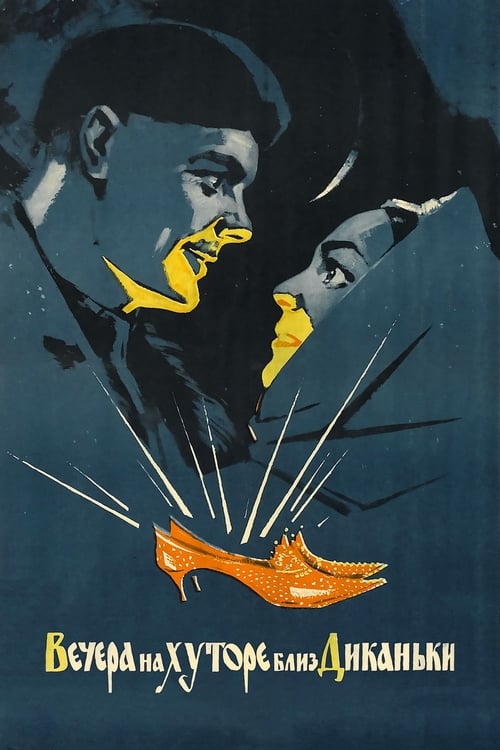
The story that happened on the farm near Dikanka on the night before Christmas, when the village blacksmith Vakula, having saddled the Devil, brought to his beloved Oksana, the daughter of a rich Cossack Chub, queen's "сherevichki"(the little women shoes) from the capital — St. Petersburg.
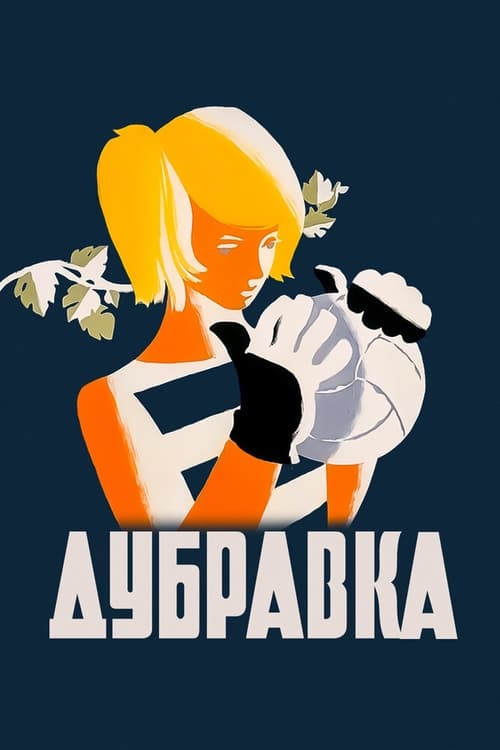
In the Crimea, on the shore of the Black Sea lives a girl nicknamed Dubravka. The girl plays soccer, swims in the sea, runs with boys in a race and often becomes a participant of any adventure. But the time comes - and Dubravka begins to grow up. She is as if in a “suspended” state: she is no longer interested in playing with boys, and older boys and girls do not pay much attention to her or perceive her as a child. In the house Dubravka settles vacationer Valentina Grigorievna. The girl likes her so much that Dubravka even “fell in love” with her. Dubravka's neighbor, the lonely father Peter Petrovich, and Valentina sympathize with each other, and Dubravka becomes very jealous of her. The girl does not know where to go from the contradictions simmering in her.