David Breashears
Directing
Biography
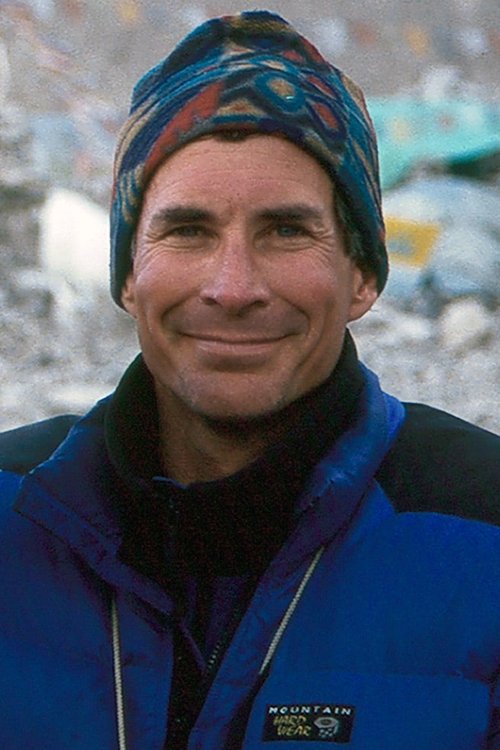
David Finlay Breashears, born December 20, 1955, in Fort Benning, Georgia, and died March 14, 2024, in Marblehead, Massachusetts, was an American mountaineer, filmmaker, author, and lecturer. The son of an army officer, he grew up moving regularly, eventually settling in Denver with his mother, where he developed a passion for climbing and the mountains at an early age. As a young man, he spent long hours at the Denver library, learning about great mountaineers to plan his own adventures. In 1983, Breashears made history by broadcasting the first live television images from the summit of Mount Everest. In 1985, he became the first American to reach the summit twice, during the expedition with Dick Bass, who then became the first man to complete the Seven Summits. He gained worldwide recognition as a director and cinematographer of adventure and mountain films, notably with the IMAX documentary Everest, released in 1998, the highest-grossing film in the format's history at the time of its release. During filming, he distinguished himself during the 1996 Everest disaster by actively participating in the rescue effort. Breashears eventually reached the summit with the IMAX team, capturing unprecedented footage from "the roof of the world." Over the course of his career, he directed or collaborated on some thirty films and documentaries, including Seven Years in Tibet, Cliffhanger, and Red Flag Over Tibet. He also accompanied Catherine Destivelle and Jeff Lowe on an expedition to the Trango Towers in 1990. His commitment extends to the environmental field: in 2007, he founded GlacierWorks to raise awareness about the melting of Himalayan glaciers due to climate change. Known for his compassion and courage, he asserted that the true success of his expeditions lay in the survival and cohesion of his team in the face of adversity. A four-time Emmy Award winner for his filmmaking, he left a lasting mark on mountaineering, adventure, and environmental protection. Divorced from adventurer Veronique Choa, Breashears lived in Marblehead when he wasn't trekking in the mountains. His death at 68 marks the passing of a legend of mountain cinema and a passionate advocate for the Himalayas and Tibet.

Known For

Since it began in 1983, Frontline has been airing public-affairs documentaries that explore a wide scope of the complex human experience. Frontline's goal is to extend the impact of the documentary beyond its initial broadcast by serving as a catalyst for change.
Frontline

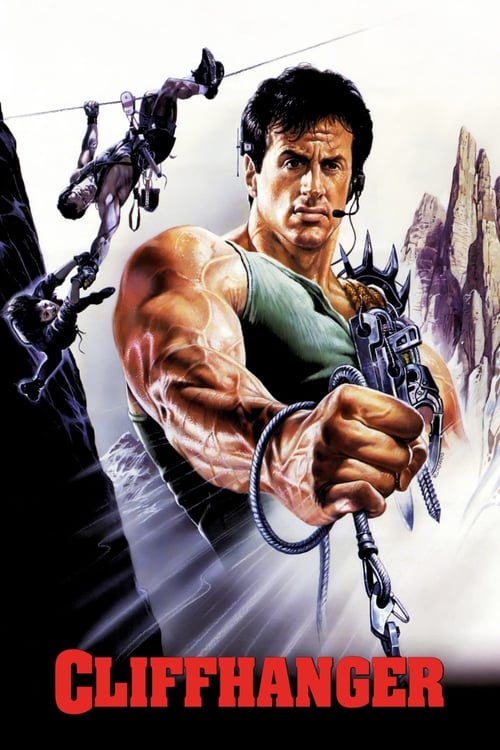
A year after losing his friend in a tragic 4,000-foot fall, former ranger Gabe Walker and his partner, Hal, are called to return to the same peak to rescue a group of stranded climbers, only to learn the climbers are actually thieving hijackers who are looking for boxes full of money.
Cliffhanger

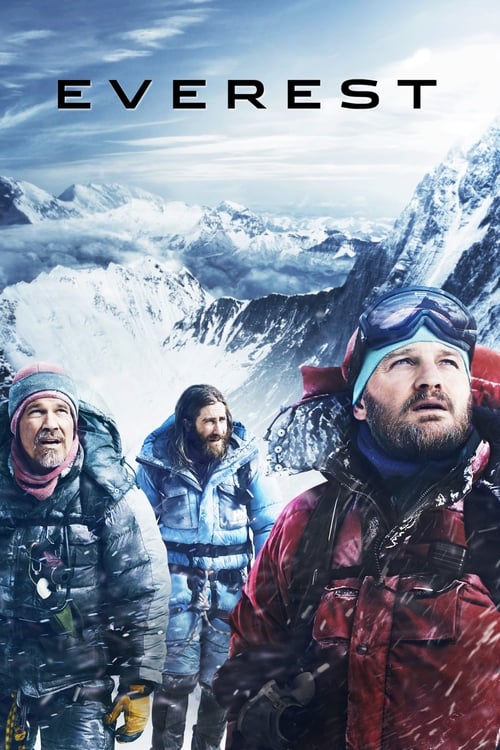
Inspired by the incredible events surrounding a treacherous attempt to reach the summit of the world's highest mountain, "Everest" documents the awe-inspiring journey of two different expeditions challenged beyond their limits by one of the fiercest snowstorms ever encountered by mankind. Their mettle tested by the harshest of elements found on the planet, the climbers will face nearly impossible obstacles as a lifelong obsession becomes a breathtaking struggle for survival.
Everest

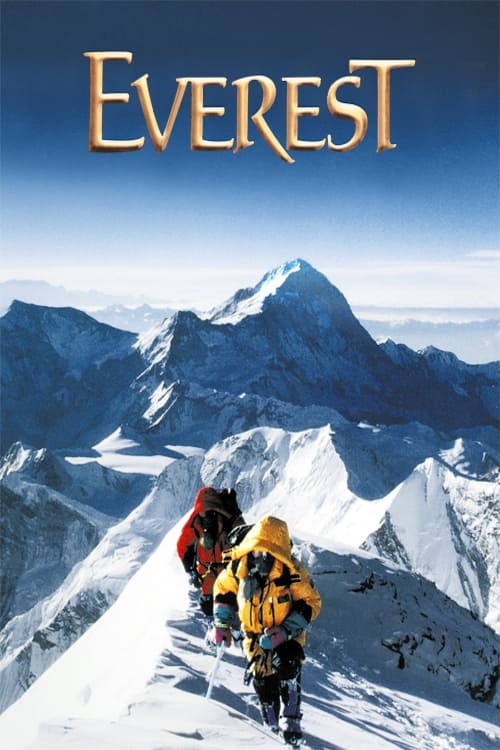
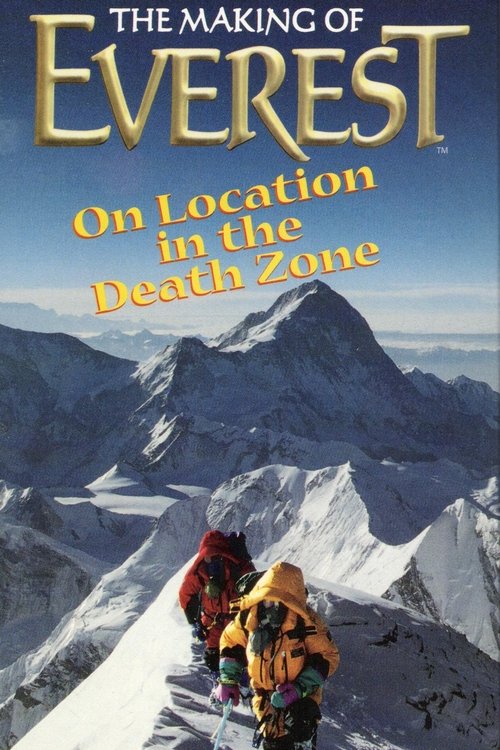
An international team of climbers ascends Mt. Everest in the spring of 1996. The film depicts their lengthy preparations for the climb, their trek to the summit, and their successful return to Base Camp. It also shows many of the challenges the group faced, including avalanches, lack of oxygen, treacherous ice walls, and a deadly blizzard.
Everest

No description available.
Expedition Earth

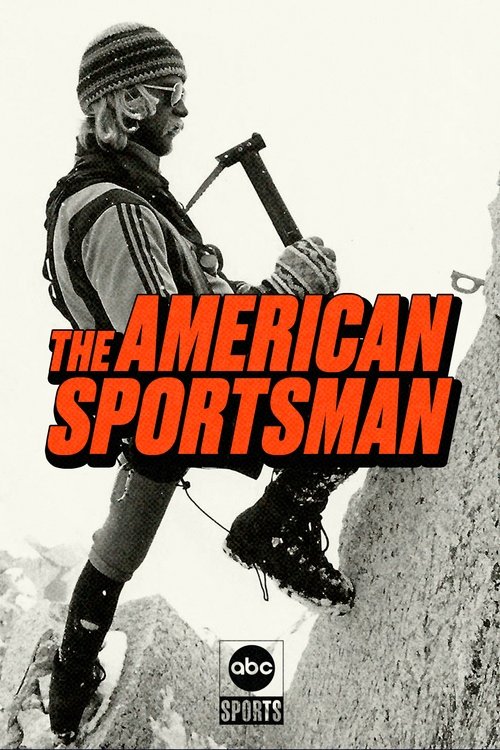
The American Sportsman was an American television series on ABC that aired from 1965 to 1986 and pioneered the outdoor sports and recreation genre. Hosted by Joe Foss and later the famous Curt Gowdy, the show featured hunting, fishing, and other outdoor adventures every Sunday, often with celebrities from film, sports, or music. The show consisted of filmed reports where the hosts and celebrity guests participated in outdoor activities: freshwater and saltwater fishing, hunting, whitewater kayaking, hang gliding, and even rock climbing. The crew traveled across the United States, Canada, and sometimes abroad, capturing the spirit of adventure and exploration.
The American Sportsman

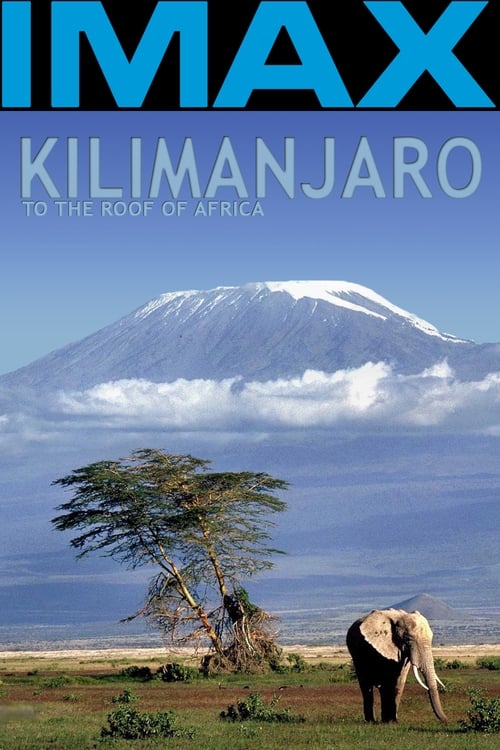
Follows five trekkers and a local Chagga guide to the top of Kilimanjaro, the largest freestanding mountain in the world. Along their journey this diverse group of trekkers encounter strange landscapes and endure harsh conditions as they travel through five climate zones ranging from the lower rainforest reaches of Kilimanjaro to the summit's arctic glaciers.
Kilimanjaro - To the Roof of Africa

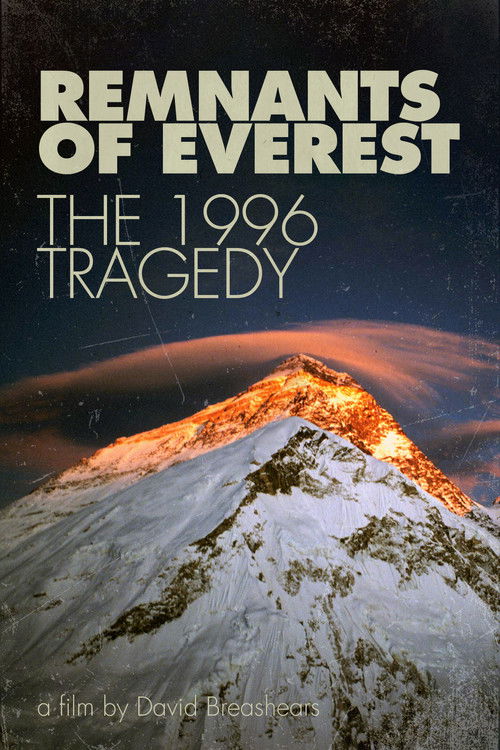
As darkness fell on May 10, 1996, a fast-moving storm of unimaginable ferocity trapped three climbing teams on the slopes of Mount Everest. The climbers, exhausted from their ascent to the summit, were soon lost in the dark, in a ferocious blizzard, far from the safety of High Camp at 26,000 feet. This film tells the story of the five climbers who perished in this storm, marking the worst climbing tragedy in the history of Mount Everest. But most remarkably, it's the story of eleven climbers caught in the storm, and eyewitness accounts of their astonishing survival in the world's most unforgiving environment.
Remnants of Everest: The 1996 Tragedy

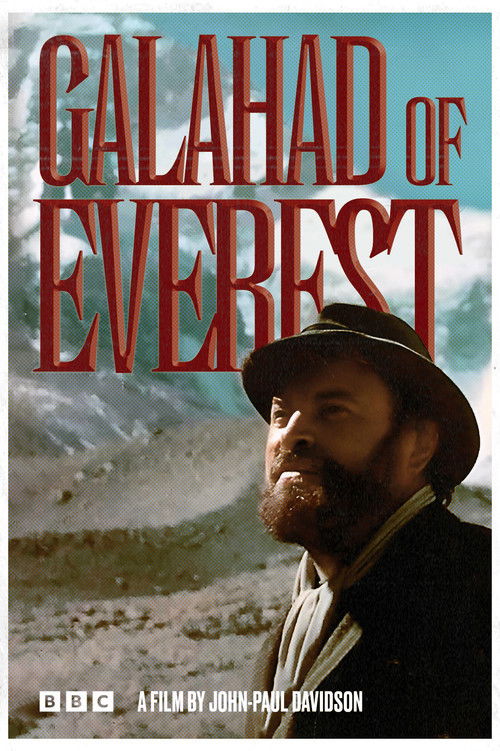
Brian Blessed plays George Mallory in this intrepid recreation of his ill fated 1924 climb to Everest. Meeting Sir Chris Bonington, Rheinhold Messnerhe learns of the pitfalls that await him before setting off for his epic struggle with the mountain. Against all odds he reaches 26000 feet on the North face of Everest, and is a changed man
Galahad of Everest

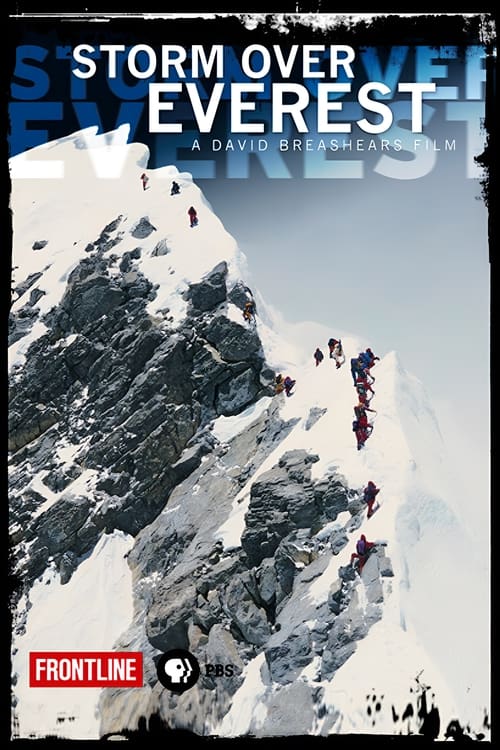
As darkness fell on May 10, 1996, a fast moving storm of unimaginable ferocity trapped three climbing teams high on the slopes of Mount Everest. The climbers, exhausted from their summit climb, were soon lost in darkness, in a fierce blizzard, far from the safety of High Camp at 26,000 feet. World-renowned climber and filmmaker David Breashears, who aided the rescue efforts back in 1996, now returns to Everest to tell the fuller story of what really happened on that legendary climb. Through remarkably intimate interviews with the climbers and Sherpas many who have never spoken before on American television Breashears sheds new light on the worst climbing tragedy in Mount Everest s history.
Storm Over Everest

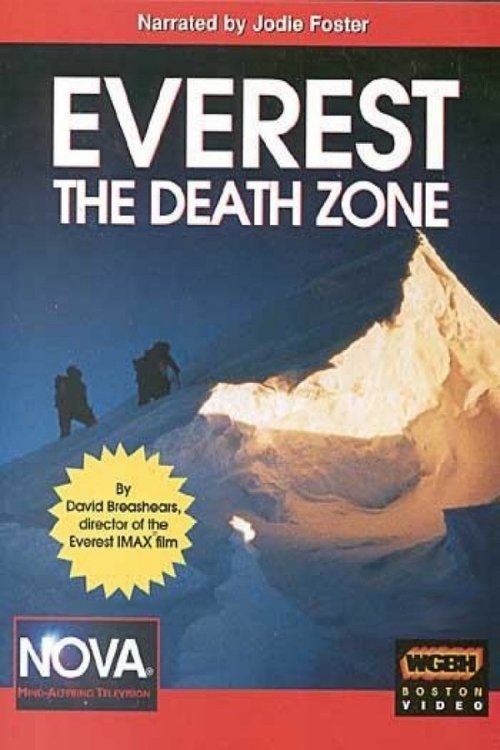
Get ready for a (literally) breathtaking trek up Mt. Everest, from Base Camp at 17,600 feet; through the chilling, corpse-strewn Death Zone; to the very pinnacle of the the Earth, five and a half miles above sea level. For those brave souls who survive the harrowing climb to the top of the world, it is a transformative experience. But can the excruciating ascent—through frigid cold, blasting wind, blinding sun, and severe lack of oxygen—cause permanent, damaging changes to the human brain and body? In the wake of the 1996 disaster that took eight climbers in a single day, scientists follow a team of hikers to measure, for the first time ever, the toll high-altitude climbing takes on the heart, lungs, blood, and brain. Why do seemingly rational people make poor, sometimes fatal decisions as they approach the peak? And the danger doesn’t end there—as NOVA discovers during the descent, when one climber's respiratory illness takes a terrifying turn on the isolated mountainside.
Everest: The Death Zone

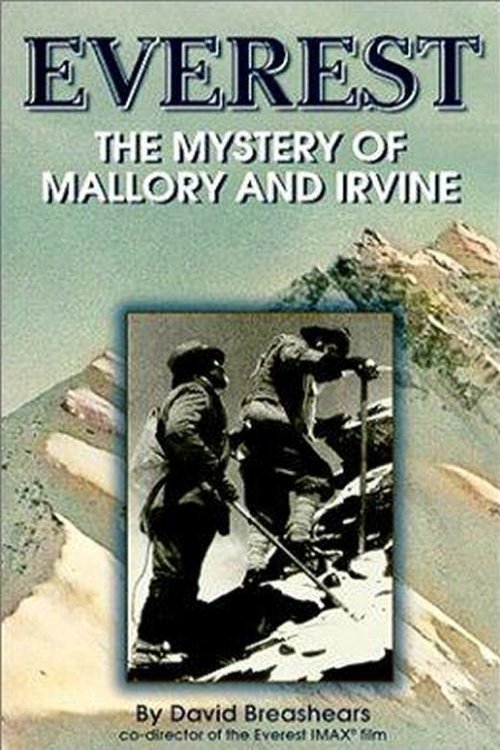
NOVA documentary inquiring into the fate of early Everest explorers George Mallory and Sandy Irvine
Everest: The Mystery of Mallory and Irvine

On June 8, 1924, near the summit of the highest peak on earth, British climber George Leigh Mallory vanished into the clouds and instantly became a legendary figure. Did Mallory and his companion actually make it to the top of Everest?