Frances Reid
Acting
Biography
Frances Reid was an American stage and screen actress. Her Broadway debut was as Juliette Lecourtois in "Where There's a Will There's a Way" at the John Golden Theatre in 1939. She was a member of The Actors Studio from its inception in 1947.
Known For

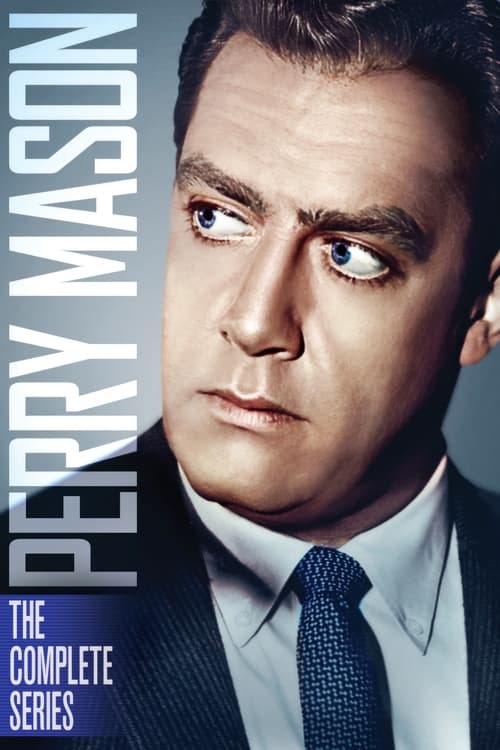
The cases of master criminal defense attorney Perry Mason and his staff who handled the most difficult of cases in the aid of the innocent.
Perry Mason

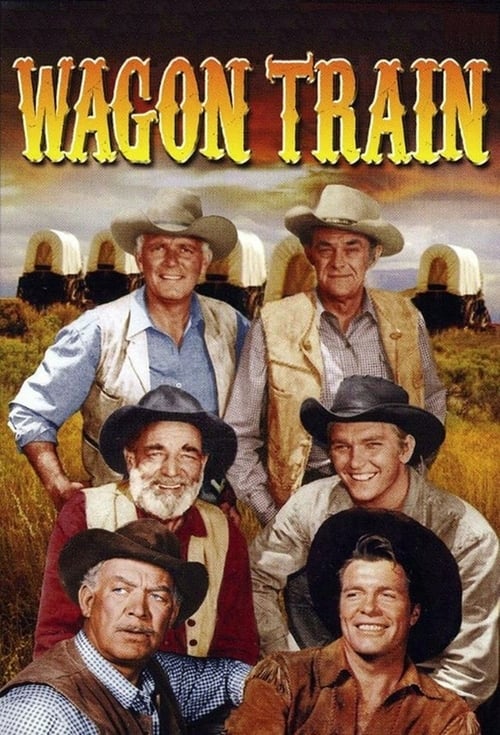
The series initially starred veteran movie supporting actor Ward Bond as the wagon master, later replaced upon his death by John McIntire, and Robert Horton as the scout, subsequently replaced by lookalike Robert Fuller a year after Horton had decided to leave the series. The series was inspired by the 1950 film Wagon Master directed by John Ford and starring Ben Johnson, Harry Carey Jr. and Ward Bond, and harkens back to the early widescreen wagon train epic The Big Trail starring John Wayne and featuring Bond in his first major screen appearance playing a supporting role. Horton's buckskin outfit as the scout in the first season of the television series resembles Wayne's, who also played the wagon train's scout in the earlier film.
Wagon Train

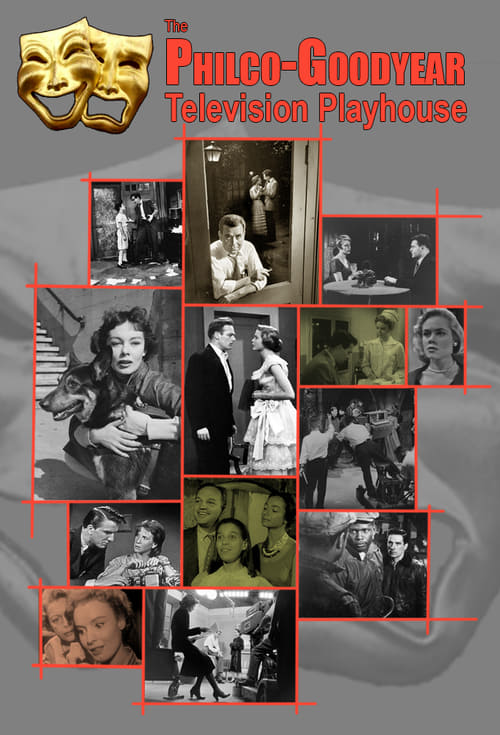
The Philco Television Playhouse is an American anthology series that was broadcast live on NBC from 1948 to 1955. Produced by Fred Coe, the series was sponsored by Philco. It was one of the most respected dramatic shows of the Golden Age of Television, winning a 1954 Peabody Award and receiving eight Emmy nominations between 1951 and 1956.
The Philco Television Playhouse

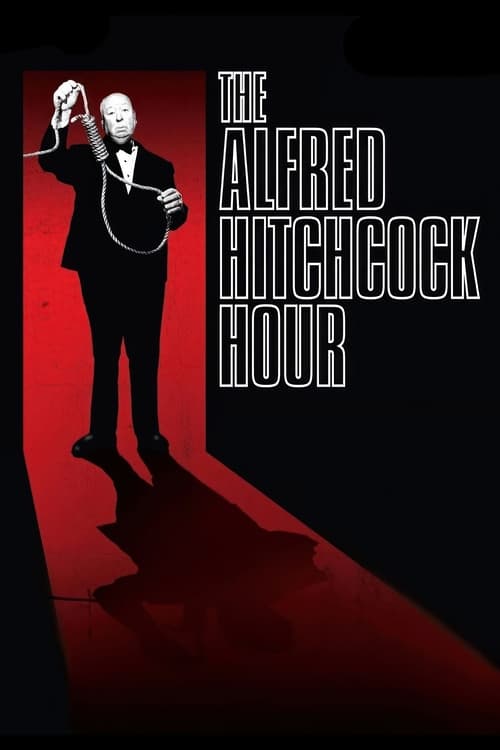
A continuation of the anthology series “Alfred Hitchcock Presents”, hosted by the master of suspense and featuring thrillers and mysteries.
The Alfred Hitchcock Hour

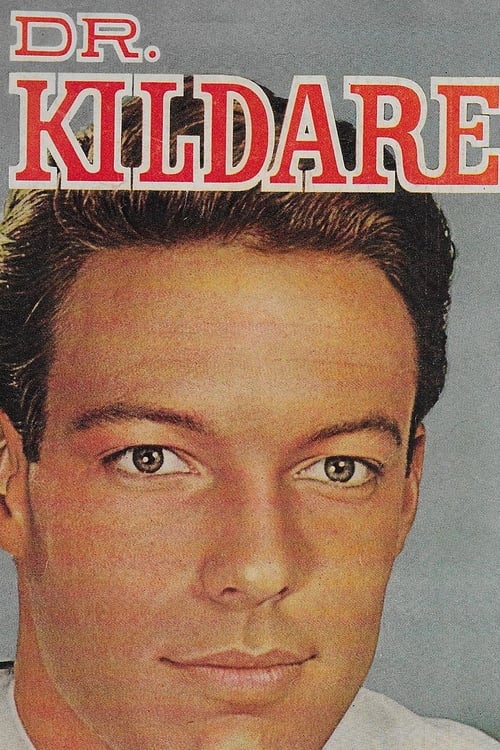
The story of a young intern in a large metropolitan hospital trying to learn his profession, deal with the problems of his patients, and win the respect of the senior doctor in his specialty, internal medicine.
Dr. Kildare

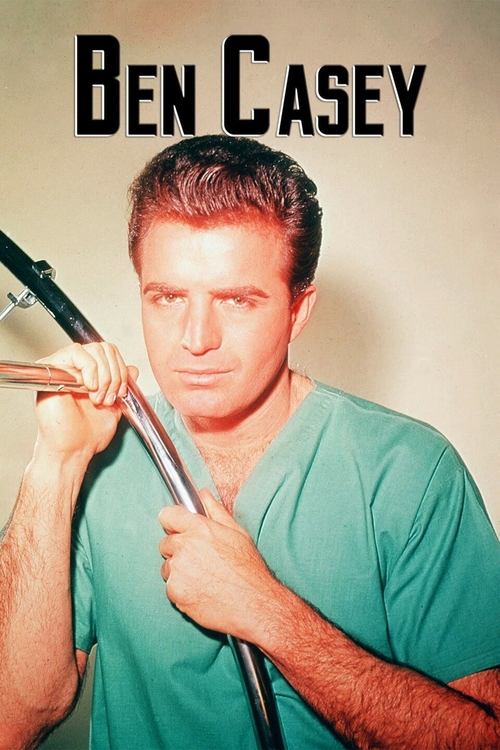
No description available.
Ben Casey

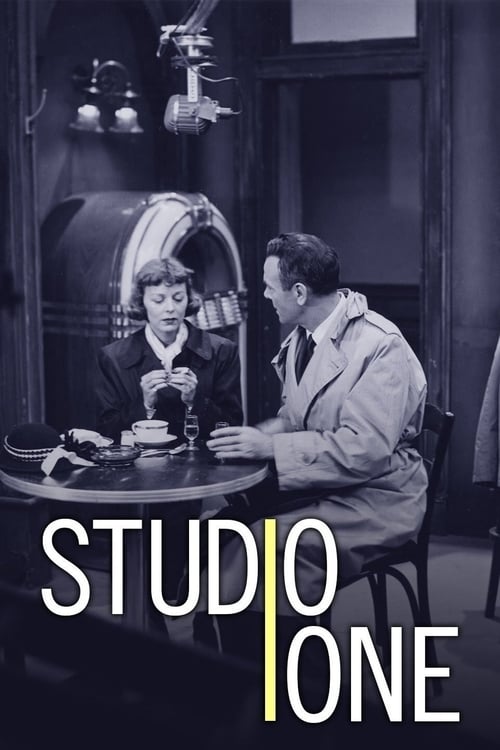
An American radio–television anthology series, created in 1947 by Canadian director Fletcher Markle, who came to CBS from the CBC. Studio One, presented by Westinghouse, was one of the first of the anthology TV programs. The episodes were often abridged remakes of movies from years gone by and many future well-known television and movie actors appeared in the productions.
Studio One

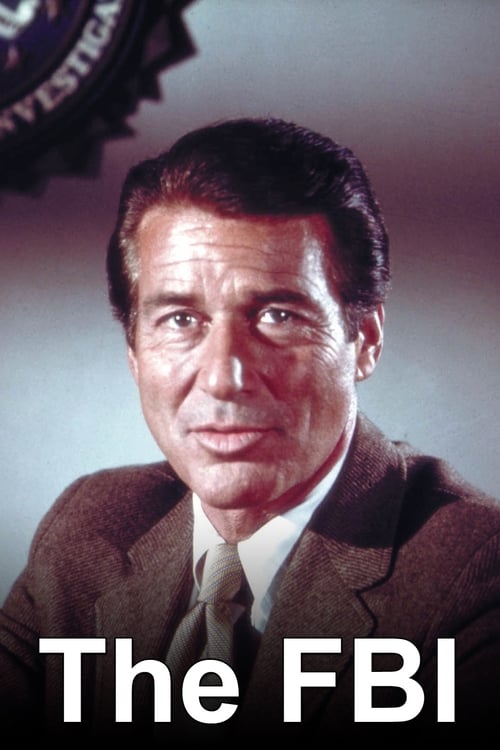
The F.B.I. is an American television series that was broadcast on ABC from 1965 to 1974. It was sponsored by the Ford Motor Company, and the characters almost always drove Ford vehicles in the series. Alcoa was co-sponsor of Season One only.
The F.B.I.

Matinee Theater is an American anthology series that aired on NBC during the Golden Age of Television, from 1955 to 1958. The series, which ran daily in the afternoon, was frequently live. It was produced by Albert McCleery, Darrell Ross, George Cahan and Frank Price with executive producer George Lowther. McCleery had previously produced the live series Cameo Theatre which introduced to television the concept of theater-in-the-round, TV plays staged with minimal sets. Jim Buckley of the Pewter Plough Playhouse recalled: When Al McCleery got back to the States, he originated a most ambitious theatrical TV series for NBC called Matinee Theater: to televise five different stage plays per week live, airing around noon in order to promote color TV to the American housewife as she labored over her ironing. Al was the producer. He hired five directors and five art directors. Richard Bennett, one of our first early presidents of the Pewter Plough Corporation, was one of the directors and I was one of the art directors and, as soon as we were through televising one play, we had lunch and then met to plan next week’s show. That was over 50 years ago, and I’m trying to think; I believe the TV art director is his own set decorator —yes, of course! It had to be, since one of McCleery’s chief claims to favor with the producers was his elimination of the setting per se and simply decorating the scene with a minimum of props. It took a bit of ingenuity.
Matinee Theater

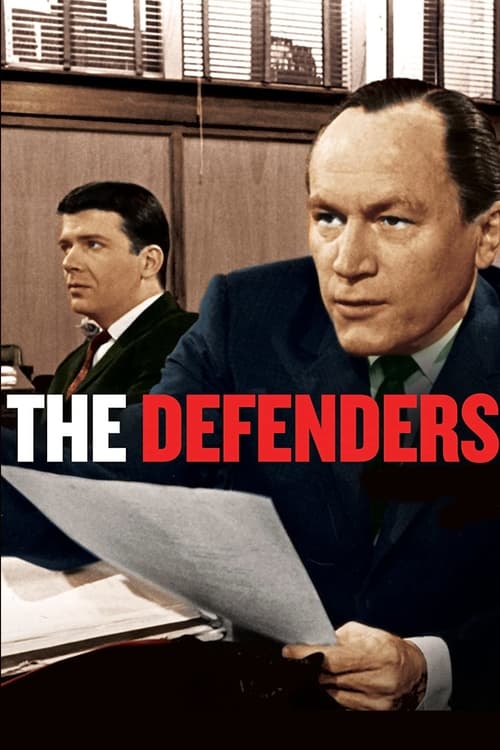
The Defenders is an American courtroom drama series . It starred E. G. Marshall and Robert Reed as father-and-son defense attorneys who specialized in legally complex cases, with defendants such as neo-Nazis, conscientious objectors, civil rights demonstrators, a schoolteacher fired for being an atheist, an author accused of pornography, and a physician charged in a mercy killing.
The Defenders

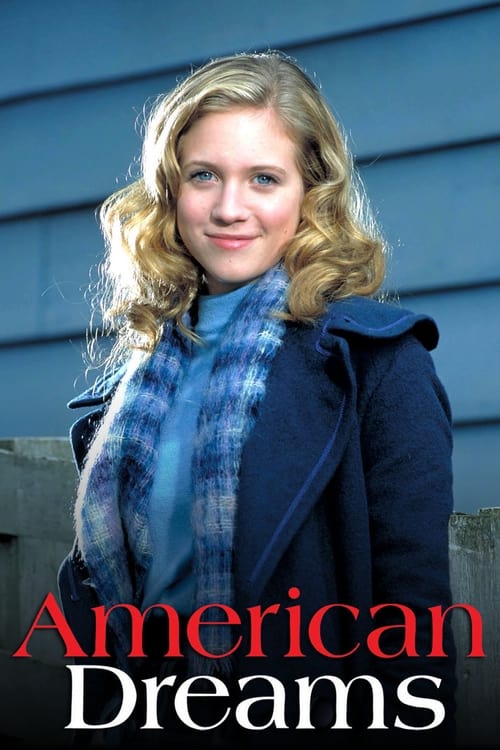
Set to the soundtrack of the 1960s, a Philadelphia family moves toward the cultural upheaval in the years ahead. The Pryors' teen daughter Meg tries to shed her 'good girl' image by hanging with her worldly friend Roxanne and pursuing a dream of being an American Bandstand dancer. Meg's emerging personality, and the changes her mother's going through, don't sit well with Father.
American Dreams

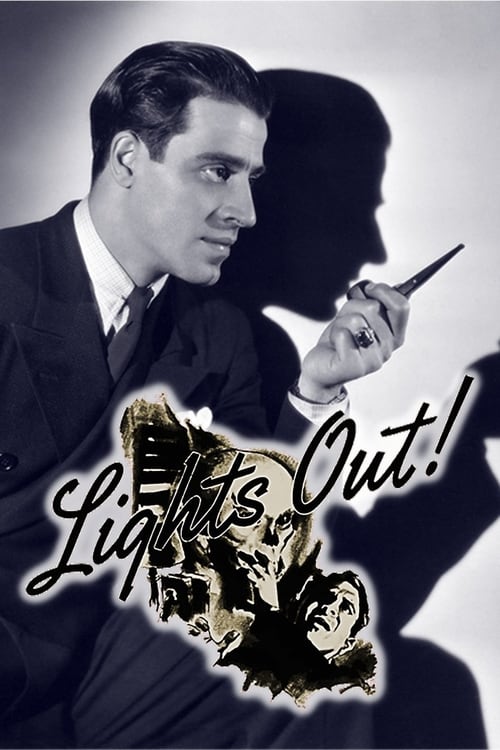
Lights Out was an extremely popular American old-time radio program, an early example of a network series devoted mostly to horror and the supernatural, predating Suspense and Inner Sanctum. Versions of Lights Out aired on different networks, at various times, from January 1934 to the summer of 1947 and the series eventually made the transition to television. In 1946, NBC Television brought Lights Out to TV in a series of four specials, broadcast live and produced by Fred Coe, who also contributed three of the scripts. NBC asked Cooper to write the script for the premiere, "First Person Singular", which is told entirely from the point of view of an unseen murderer who kills his obnoxious wife and winds up being executed. Variety gave this first episode a rave review ("undoubtedly one of the best dramatic shows yet seen on a television screen"), but Lights Out did not become a regular NBC-TV series until 1949.
Lights Out

A television anthology series hosted by Alfred Hitchcock featuring dramas, thrillers, and mysteries.
Alfred Hitchcock Presents

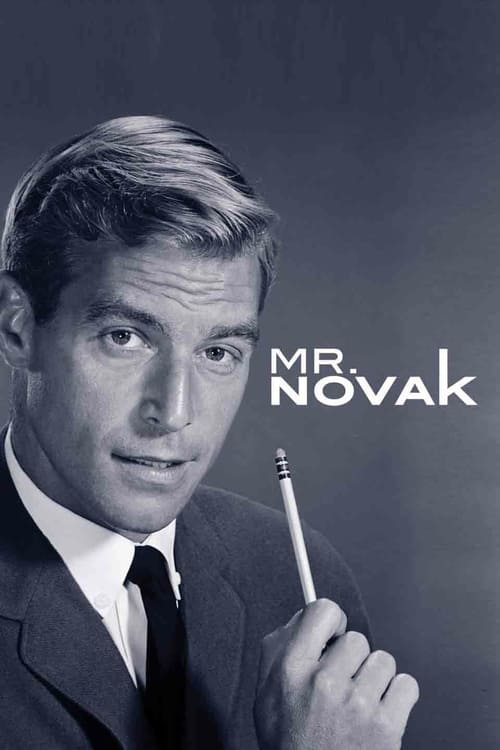
Mr. Novak is an American dramatic series starring James Franciscus in the title role, which aired on NBC for two seasons, from 1963 to 1965.
Mr. Novak
Lux Video Theatre is an American anthology series that was produced from 1950 until 1959. The series presented both comedy and drama in original teleplays, as well as abridged adaptations of films and plays.
Lux Video Theatre

The Horton and Brady broods endure the romantic trials of life in Salem, a Midwestern hamlet filled with evil geniuses, star-crossed lovers and a rich family history.
Days of Our Lives

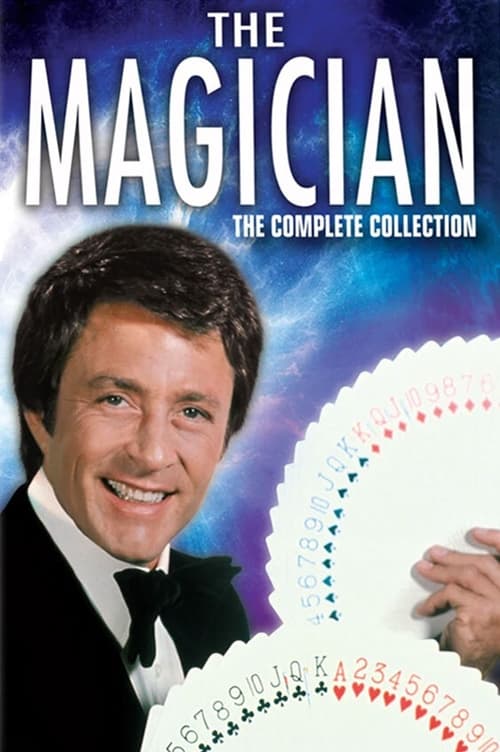
The Magician is an American television series that ran during the 1973–1974 season. It starred Bill Bixby as stage illusionist Anthony "Tony" Blake, a playboy philanthropist who used his skills to solve difficult crimes as needed. In the series pilot, the character was instead named Anthony Dorian. The name change was due to a conflict with the name of a real life stage magician.
The Magician
Portia Faces Life was heard on radio from 1940 to 1970, and this soap opera was also telecast for a single season in the mid-1950s. It began in syndication on April 1, 1940, and was broadcast on some stations that carried NBC programs, although it does not seem to have been an official part of that network's programming. The original title was Portia Blake Faces Life. The program starred veteran radio actress Lucille Wall, who had been on Your Family and Mine and other radio dramas since the mid-1920s. Stations airing the series included WNAC in Boston, WLS in Chicago, KRLD in Dallas, KGW in Portland, Oregon and KFI in Los Angeles, according to newspaper advertisements. On October 7, 1940, the program became part of the CBS Radio Network, and its title was changed to Portia Faces Life at that point. It was sponsored by General Foods.
Portia Faces Life

Matt Helm is an American mystery television series which aired on the ABC Network during the 1975-1976 season. The title character was played by Anthony Franciosa.
Matt Helm
Ford Theatre, spelled Ford Theater for the radio version and known as Ford Television Theatre for the TV version, was a radio and television anthology series broadcast in the United States in the 1940s and 1950s. At various times the television series appeared on all three major television networks, while the radio version was broadcast on two separate networks and on two separate coasts. Ford Theatre was named for its sponsor, the Ford Motor Company, which had an earlier success with its concert music series, The Ford Sunday Evening Hour.