FEEL IT.STREAM
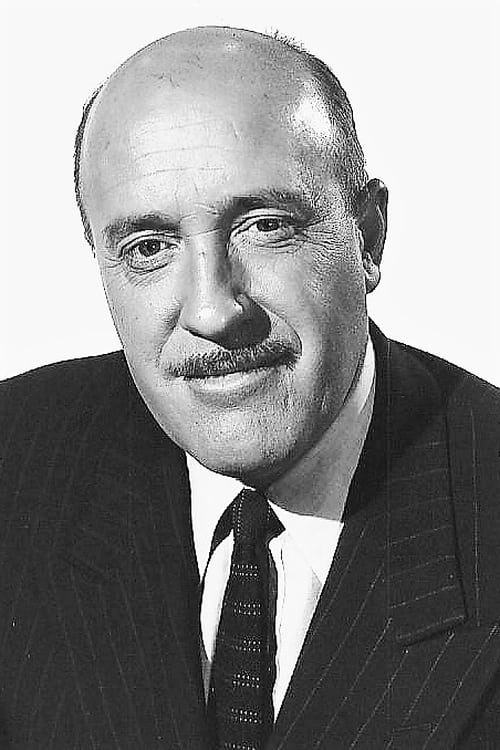
Fred Clark

Fred Clark

Acting

Biography

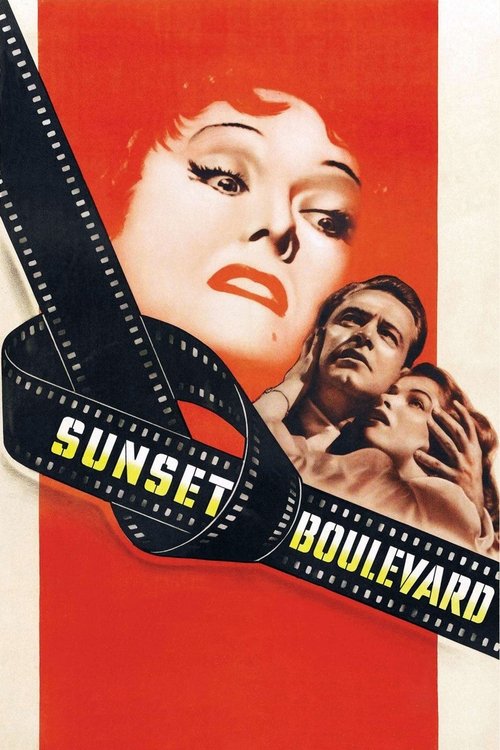
Fred Clark (March 19, 1914 – December 5, 1968) was an American actor known for his versatile performances across film, television, and stage from the 1940s to the 1960s. Clark often portrayed authoritative or comedic characters, excelling in both dramatic and comedic roles. His notable film appearances include "Sunset Boulevard," "The Solid Gold Cadillac," and "How to Marry a Millionaire." On television, he was recognized for his role as Harry Morton on "The George Burns and Gracie Allen Show."
Known For

ABC Stage 67
6.8

ABC Stage 67 is the umbrella title for a series of 26 weekly shows that included dramas, variety shows, documentaries, and original musicals. It premiered on American Broadcasting Company on September 14, 1966 with Murray Schisgal's The Love Song of Barney Kempinksi, directed by Stanley Prager and starring Alan Arkin as a man enjoying the sights and sounds of New York City in his last remaining hours of bachelorhood. Arkin was nominated for an Emmy Award for Outstanding Single Performance By An Actor in a Leading Role in a Drama and the program was nominated as Outstanding Dramatic Program. Future programs included appearances by Petula Clark, Bobby Darin, Sir Laurence Olivier, Albert Finney, Peter Sellers, David Frost, and Jack Paar. ABC's effort to bring culture to the masses was a noble but unsuccessful experiment. Scheduled first against I Spy on Wednesdays and then The Dean Martin Show on Thursdays, the show consistently received low ratings. Its last production, an adaptation of Jean Cocteau's one-woman play The Human Voice starring Ingrid Bergman, aired on May 4, 1967. "Stage 67" was not actually a part of the primary ABC facilities in Los Angeles. It was produced at the old Monogram Studios backlot that was later sold to KCET.

ABC Stage 67

1966Series
Cavalcade of America
4.6

Cavalcade of America is an anthology drama series that was sponsored by the DuPont Company, although it occasionally presented a musical, such as an adaptation of Show Boat, and condensed biographies of popular composers. It was initially broadcast on radio from 1935 to 1953, and later on television from 1952 to 1957. Originally on CBS, the series pioneered the use of anthology drama for company audio advertising. Cavalcade of America documented historical events using stories of individual courage, initiative and achievement, often with feel-good dramatizations of the human spirit's triumph against all odds. This was consistent with DuPont's overall conservative philosophy and legacy as an American company dating back to 1802. The company's motto, "Maker of better things for better living through chemistry," was read at the beginning of each program, and the dramas emphasized humanitarian progress, particularly improvements in the lives of women, often through technological innovation.

Cavalcade of America

1952Series