Acting
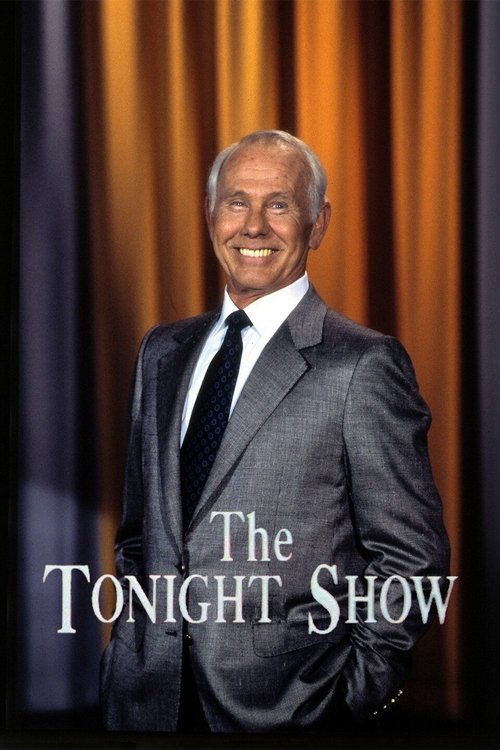
The Tonight Show Starring Johnny Carson is a talk show hosted by Johnny Carson under The Tonight Show franchise from 1962 to 1992. It originally aired during late-night. For its first ten years, Carson's Tonight Show was based in New York City with occasional trips to Burbank, California; in May 1972, the show moved permanently to Burbank, California. In 2002, The Tonight Show Starring Johnny Carson was ranked #12 on TV Guide's 50 Greatest TV Shows of All Time.
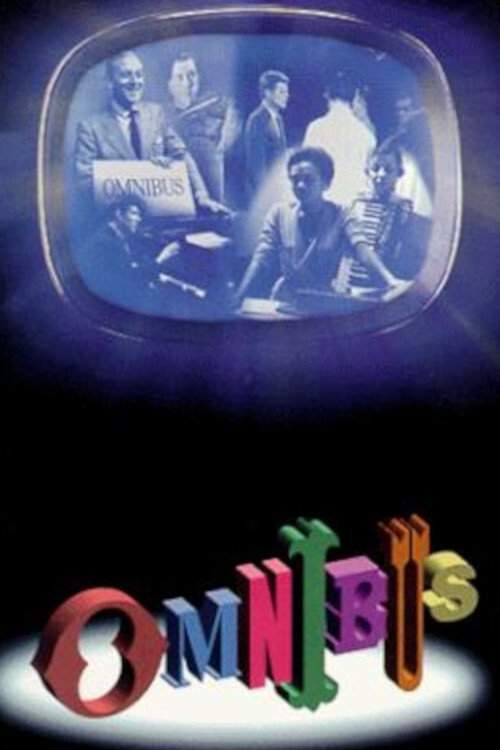
Omnibus is an American, commercially sponsored, educational television series.
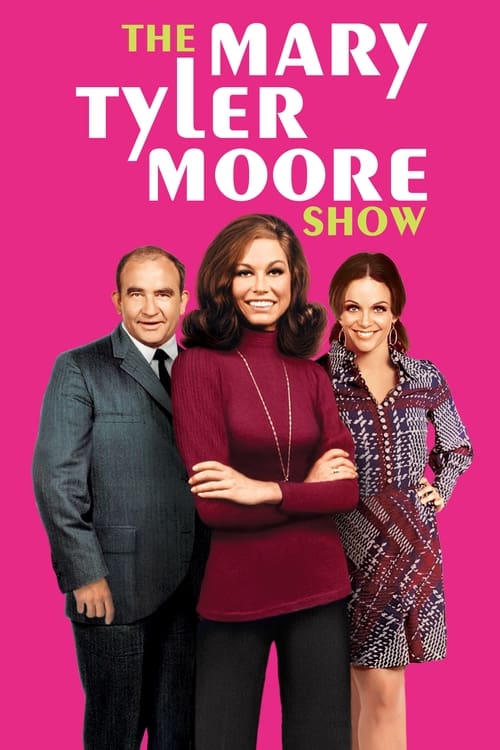
30-year-old single Mary Richards moves to Minneapolis to start a new life after a romantic break-up. There she reacquaints with Phyllis who rents her a room, and meets her upstairs neighbor and new best friend Rhoda. Mary unexpectedly lands a job as associate producer at the TV station WJM, where she works alongside her bristly boss, Lou; the comical newswriter, Murray; and the newscast's often-incompetent anchor, Ted.
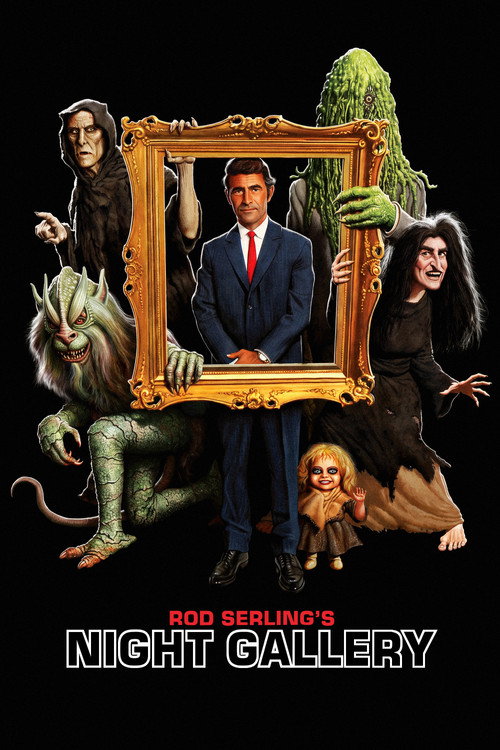
Rod Serling narrates an anthology of fantasy, horror and sci-fi stories from a set resembling a macabre museum. A chilling work of art serves as the connective link between the stories.
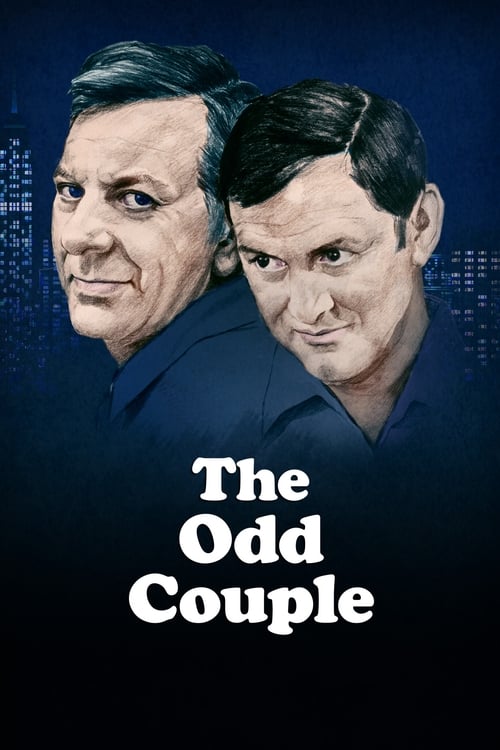
Felix and Oscar are two divorced men. Felix is neat and tidy while Oscar is sloppy and casual. They share a Manhattan apartment, and their different lifestyles inevitably lead to conflicts.
The Bob Hope Show hosted by Bob Hope, debuted on April 9, 1950. During the 1952-1953 season, NBC rotated with other variety shows in a Sunday night block known as "The Colgate Comedy Hour" (Sept. 1950 to Dec. 1955). Also known as, "The Chevy Show with Bob Hope." When the first special debuted in October of 1950 it was the most expensive television program made up to that point - costing an astronomical $1,500 a minute to produce. Bob Hope had his own television show and radio show at the same time. For the next three seasons, The Bob Hope Show was broadcast once a month on Tuesday nights, giving Milton Berle a week off. Bob ended his radio show in April, 1956. Bob Hope also had another show by a similar name, "The Bob Hope Show (All Star Revue)". In addition, he performed in "Specials" for many years. It is the longest running variety program in television's history with a record of 45 years of televised entertainment.
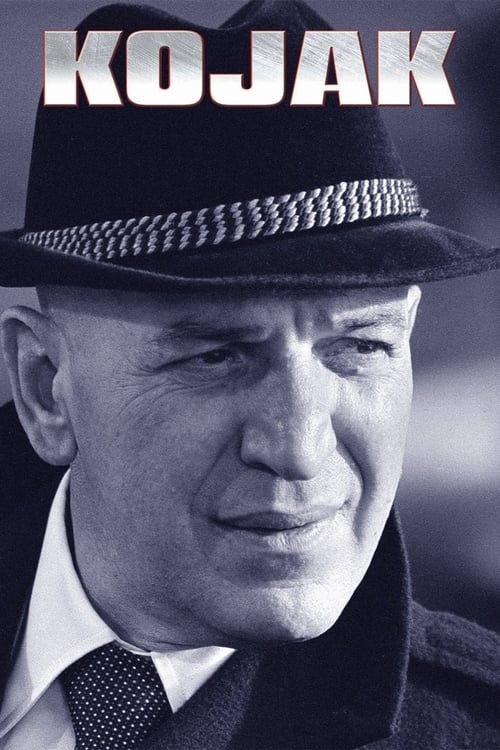
A bald, lollipop sucking police detective with a fiery righteous attitude battles crime in New York City.
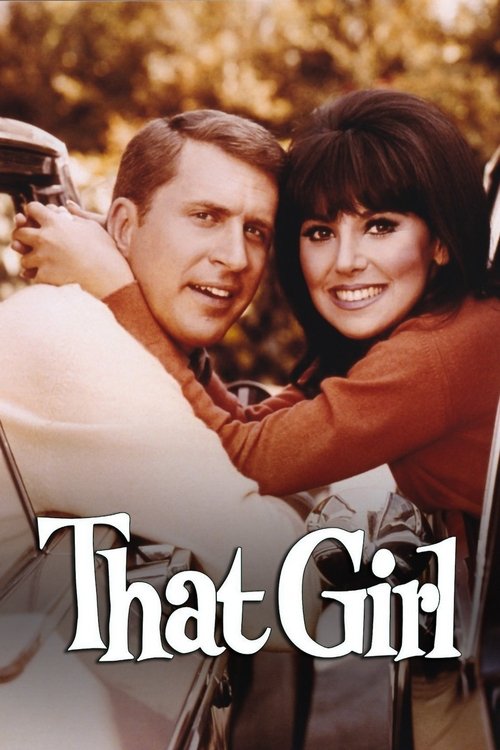
That Girl is an American sitcom that ran on ABC from 1966 to 1971. It stars Marlo Thomas as the title character Ann Marie, an aspiring actress, who moves from her hometown of Brewster, New York to try to make it big in New York City. Ann has to take a number of offbeat "temp" jobs to support herself in between her various auditions and bit parts. Ted Bessell played her boyfriend Donald Hollinger, a writer for Newsview Magazine; Lew Parker and Rosemary DeCamp played Lew Marie and Helen Marie, her concerned parents. Bernie Kopell, Ruth Buzzi and Reva Rose played Ann and Donald's friends. That Girl was developed by writers Bill Persky and Sam Denoff, who had served as head writers on The Dick Van Dyke Show earlier in the 1960s.
This syndicated anthology series staged a different play every week covering all genres, dramas, comedies, musicals, fantasies, mysteries, et al, utilizing some of the best talent appearing on Broadway.
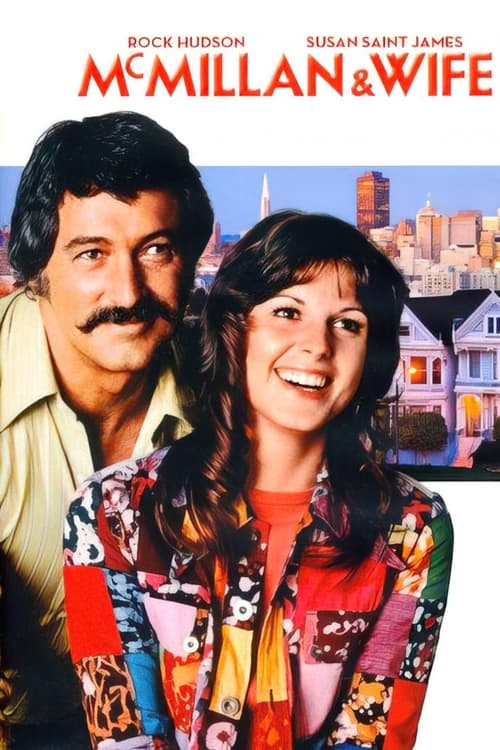
McMillan & Wife is a lighthearted American police procedural that aired on NBC from September 17, 1971 to April 24, 1977. Starring Rock Hudson and Susan Saint James in the title roles, the series premiered in 90-minute episodes as part of the wheel series NBC Mystery Movie, in rotation with Columbo and McCloud. Initially airing on Wednesday night, the original line-up was shifted to Sundays in the second season, where it aired for the rest of its run. This was the first element to be created specially for the Mystery Movie strand.
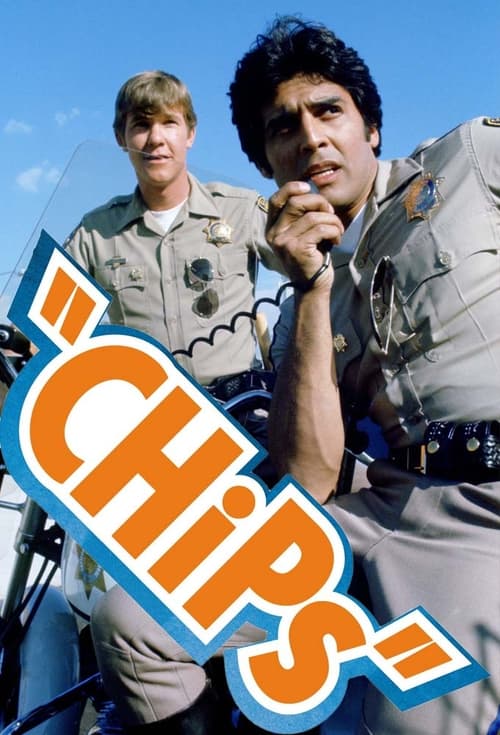
Lighthearted look at the adventures of two Highway Patrol officers in Los Angeles. The main characters are Jon Baker and Frank Poncherello, two motorcycle officers always on the street to save lives.
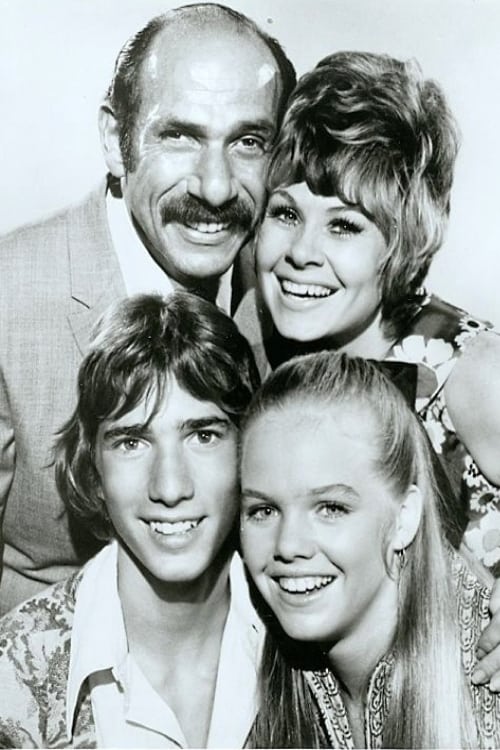
Arnie is a television sitcom that ran for two seasons on the CBS network. It stars Herschel Bernardi, Sue Ane Langdon, and Roger Bowen. Bernardi played the title character, Arnie Nuvo, a longtime blue collar employee at the fictitious Continental Flange Company, who overnight was promoted to an executive position. The storylines mainly focused on this fish out of water situation, and on Arnie's sometimes-problematic relationship with his well-meaning but wealthy and eccentric boss, Hamilton Majors Jr.. Because he still held his union card, Arnie could negotiate tricky management/labor situations that no one else could. Arnie's surname was presumably a pun on nouveau riche, and possibly also on Art Nouveau. In addition to Bernardi, Bowen, and Langdon, cast members included Del Russel and Stephanie Steele as Arnie's son and daughter, Richard and Andrea; Elaine Shore as Arnie's secretary, Felicia; and Herb Voland as sour-tempered executive Neil Ogilvie. In its first season, despite being the lead-in to The Mary Tyler Moore Show on Saturday nights and winning an Emmy nomination as best comedy series, Arnie received only fair Nielsen ratings. For its second season, in order to increase its viewership, CBS made a major cast change in the show's format. Charles Nelson Reilly joined the cast as Randy Robinson, a TV chef who called himself "The Giddyap Gourmet," apparently a reference to The Galloping Gourmet.
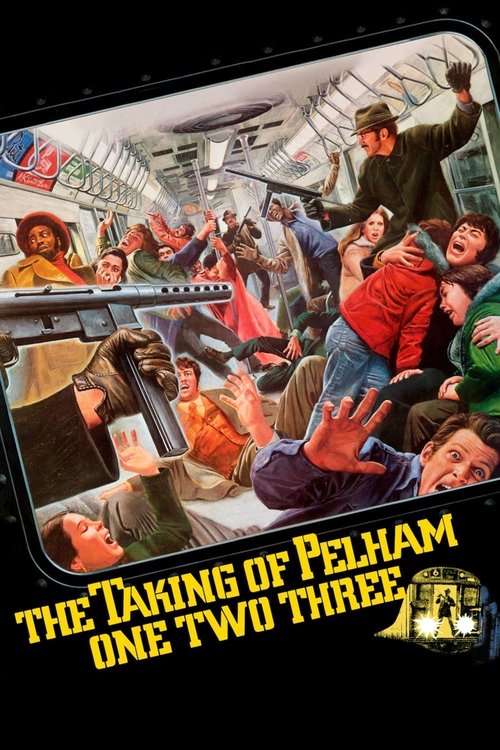
In New York, armed men hijack a subway car and demand a ransom for the passengers while the authorities question about the method of their escape.
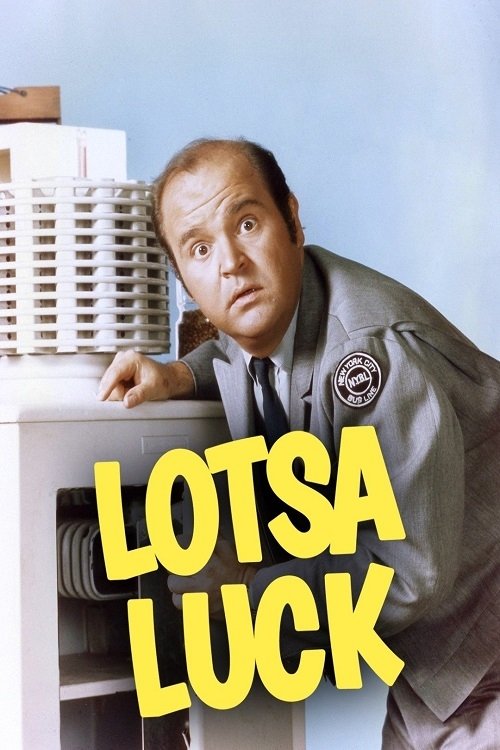
Lotsa Luck is an American sitcom that aired during the 1973-74 television season. The series stars Dom DeLuise as bachelor Stanley Belmont who lives with his bossy mother, his sister Olive and her unemployed husband, Arthur. Jack Knight stars as Stanley's best friend, Bummy. Lotsa Luck is based on the British London Weekend Television series On the Buses.
Sorrowful Jones is a cheap bookie in the 1930s. When a gambler leaves his daughter as a marker for a bet, he gets stuck with her. His life changes a great deal with her arrival and he finds sudden love for a woman also involved in gambling operations.
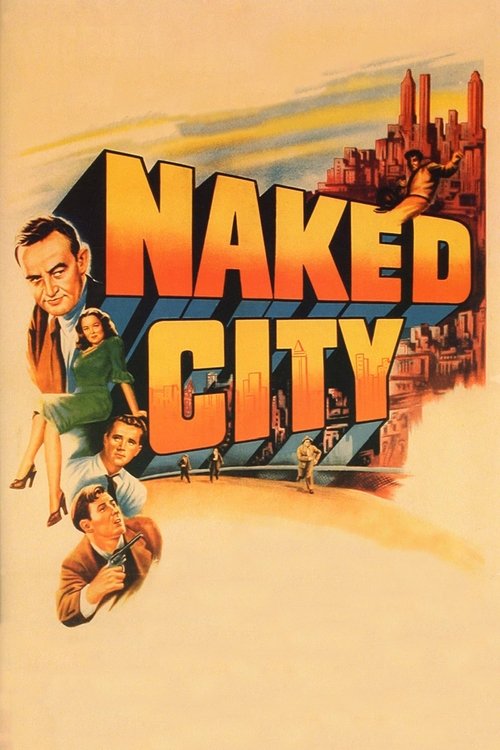
After a former model is drowned in her bathtub, Detective James Halloran and Lieutenant Dan Muldoon attempt to piece together her murder.
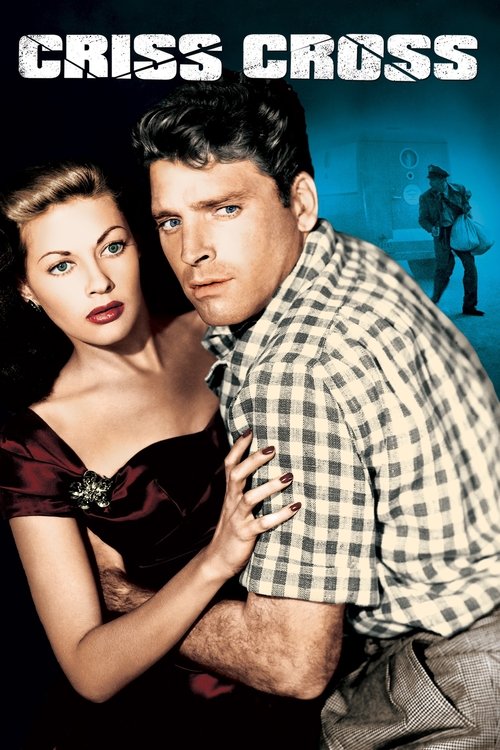
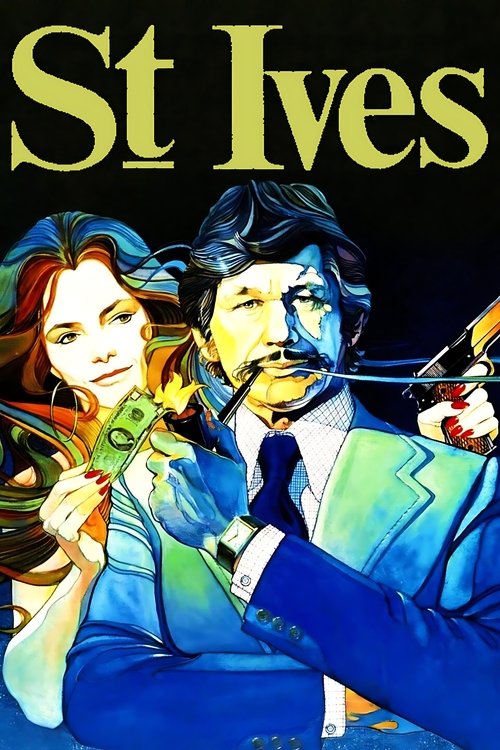
An armored-car guard must join a robbery after being caught with his ex-wife by her gangster husband.
A UFO is stranded on earth and impounded by the US government. Its pilot, a cat with a collar that gives it special powers, including the ability to communicate with humans, has eluded the authorities and seeks the help of a scientist in order to reclaim and repair his ship and get back home.
A dabbler-in-crime and his assistant hire an ex-police reporter to recover some stolen papers.
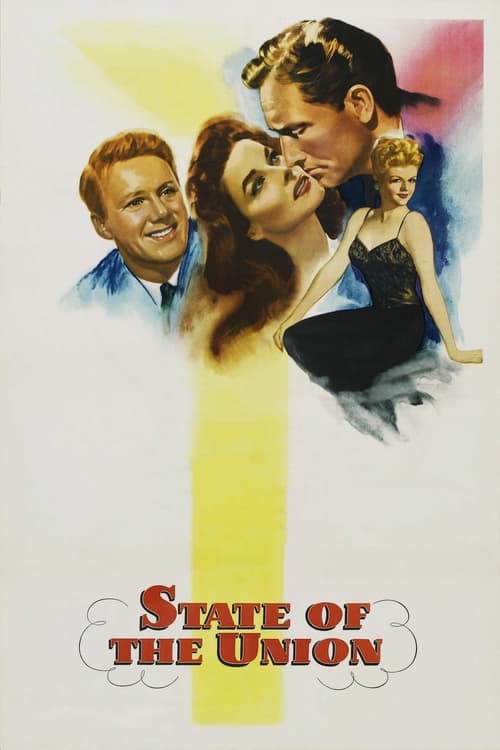
An industrialist is urged to run for President, but this requires uncomfortable compromises on both political and marital levels.