Writing
An investigator from the War Crimes Commission travels to Connecticut to find an infamous Nazi, who may be hiding out in a small town in the guise of a distinguished professor engaged to the Supreme Court Justice’s daughter.
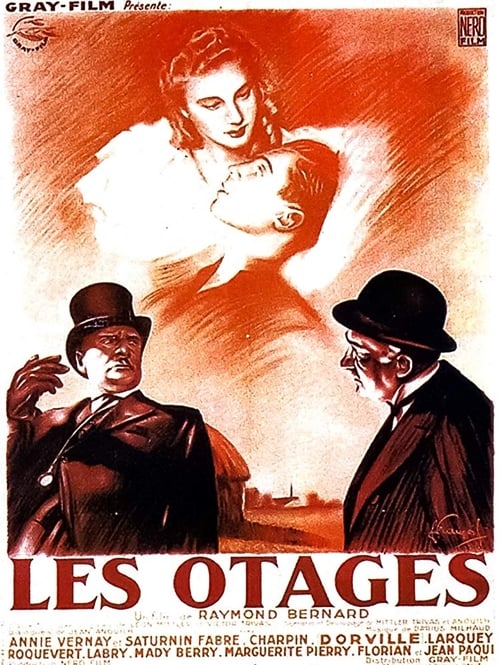
At the beginning of World War I in a village in the country of La Marne, two families are against the marriage of their children. The war changes the positions.
A police detective's violent nature keeps him from being a good cop.
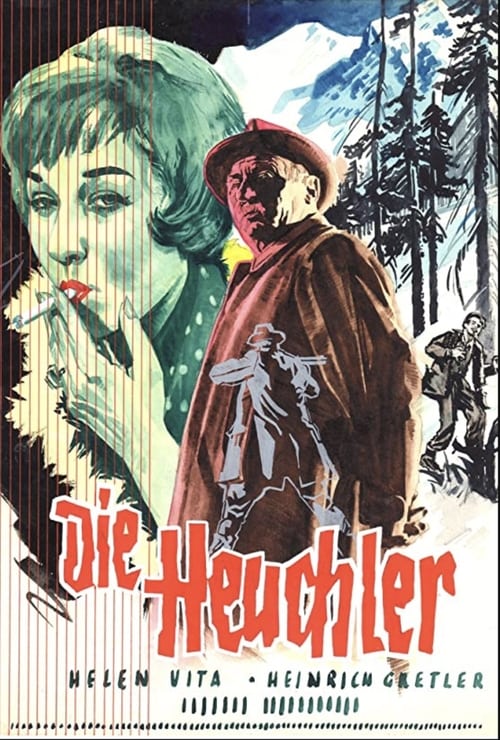
In the forest of Hablikon, the administrator Reichle is found shot dead. He had gone hunting with three other respected citizens of the community. Detective Sergeant Müller takes charge of the investigation. The first suspect is the nephew of one of the hunters, who was also at the scene at the time of the shooting and was on parole from prison. With no clear motive, Müller focuses his attention on the honorable and irreproachable fellow hunters. Their clean facade begins to crumble during his investigations. Village doctor Amsler, banker Meier, and architect Häuptl all had something to hide. Reichle knew about their private and business misdeeds. Müller also learns from Alvine Dünki, the dead man's lover, that money from the community coffers was used for the four men's entertainment. The murderer is convicted after the crime is reconstructed.
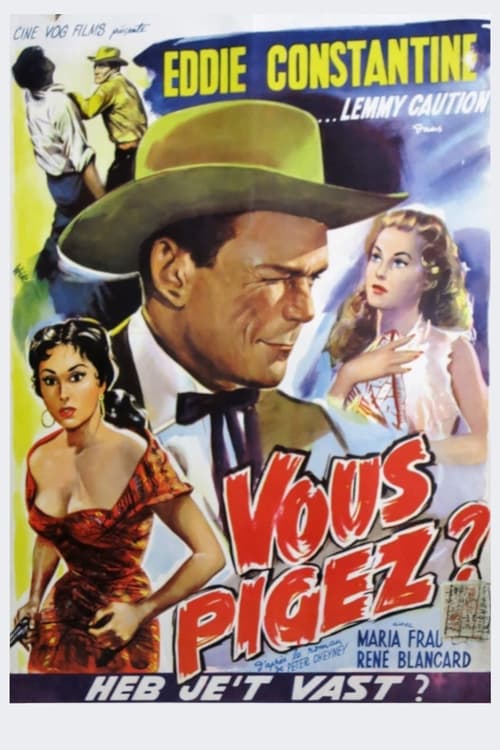
A group of bandits conspire to kidnap a scientist who can help them manufacture diamonds.Unbeknownst to them , the FBI is already on their case.
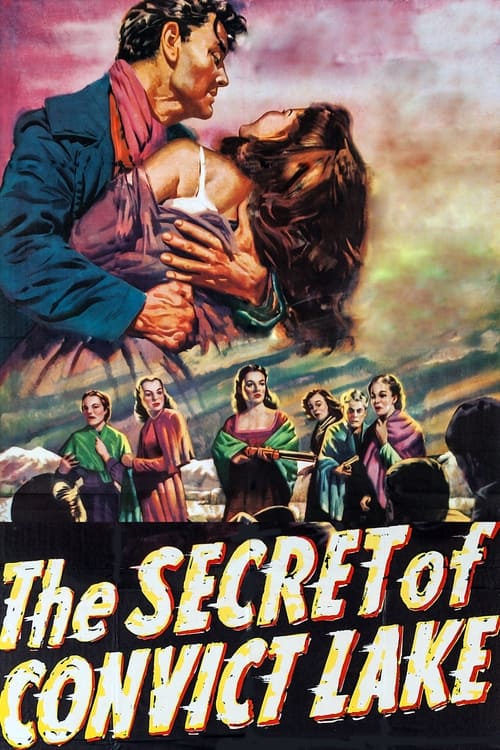
After a group of convicts escapes from prison, they take refuge in the wilderness. While most of the crew are ruthless sociopaths, Jim Canfield is an innocent man who was jailed under false pretenses. When Canfield and his fellow fugitives reach an isolated farming settlement where the men are all away, it creates tension with the local women. Things get direr when rumors of hidden money arise, and Canfield discovers that the man who framed him is part of the community.
A scientist invents a serum that keeps a dog's head alive after its body dies. When the scientist dies of a heart attack, his crazed assistant cuts off his head and, using the serum, keeps the doctor's head alive and forces it to help him on an experiment to give his hunchbacked nurse assistant a new body.
Three friends meet a woman on their holiday from city life. Things turn ugly pretty fast.
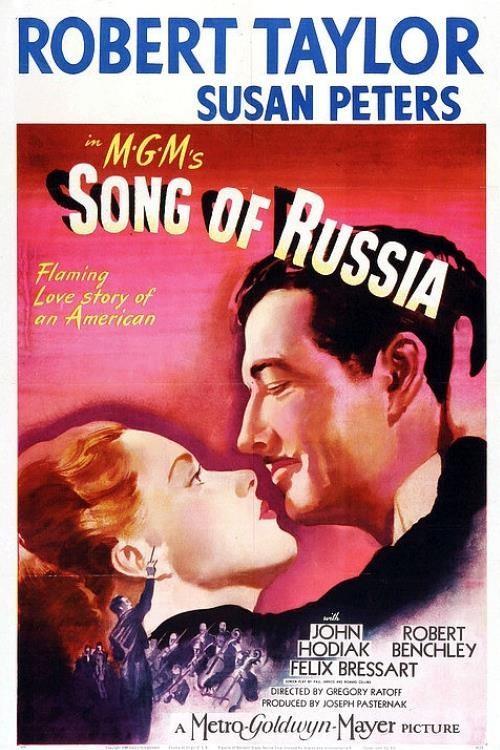
American conductor John Meredith and his manager, Hank Higgins, go to Russia shortly before the Nazi invasion of the Soviet Union. Meredith falls in love with beautiful Soviet pianist Nadya Stepanova while they travel throughout the country on a 40-city tour. Along the way, they see happy, healthy, smiling, free Soviet citizens, blissfully living the Communist dream. This bliss is destroyed by the German invasion.
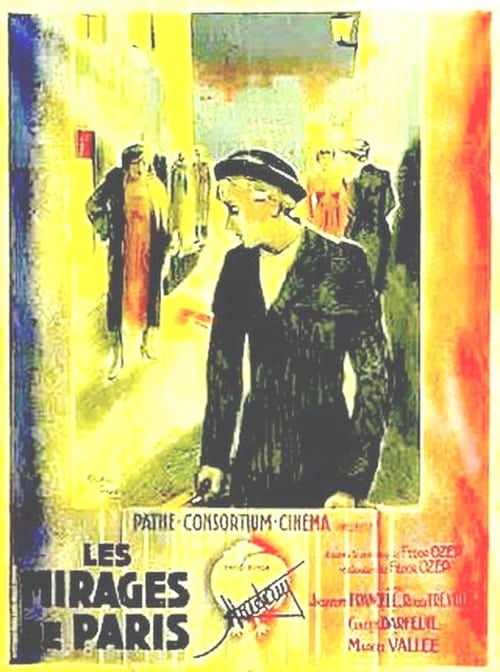
In the Crimea, the Reds and the Whites aren't done fighting, and Jeanne discovers that the man she loves is a Bolshevik (when he kills her father). Penniless, she returns to Paris where she works for her uncle. Soon after, her lover Andreas is in France to organize the sailors in Toulon. So also is a thief, traitor, and libertine, Khalibiev, who wants to seduce Jeanne. His schemes, Jeanne and Andreas's naivete, and a lost diamond bring the lovers to the brink of tragedy.
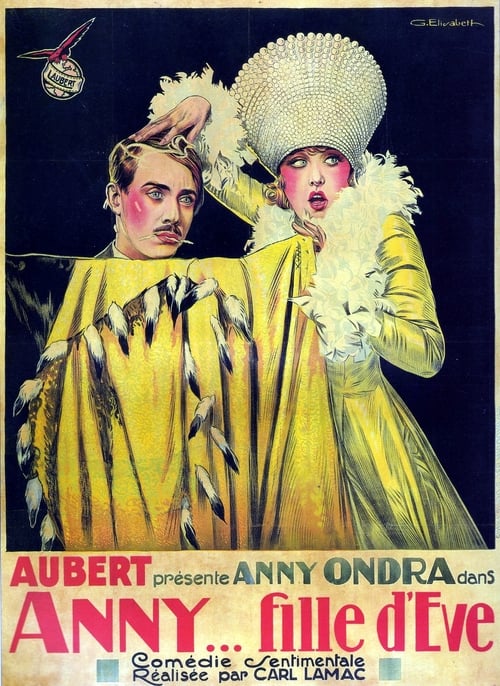
In this fast-moving fantasy, an unsophisticated student escapes from a boarding school to become, after many trials and tribulations, the "toast of Paris."
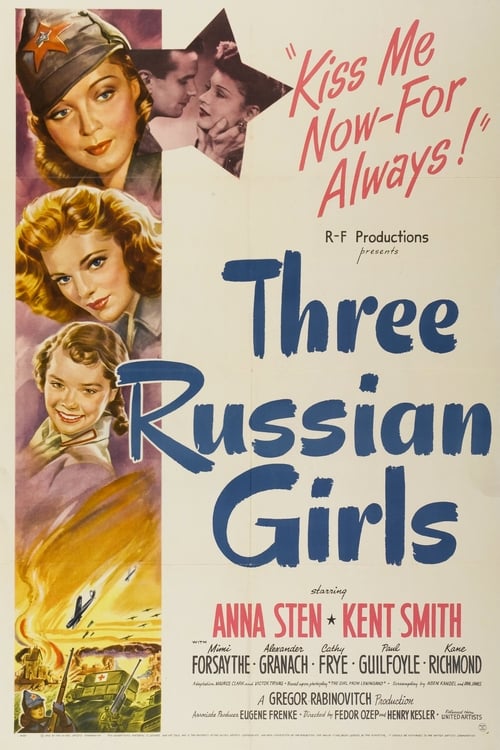
Another of a wartime cycle of Hollywood films lauding the praises of America's Soviet allies, Three Russian Girls is a remake of Russia's The Girl From Stalingrad. Set just after the Nazi invasion of the Soviet Union in 1941, the film stars Anna Sten as Natasha, a Red Cross volunteer who is dispatched to a field hospital located in an old pre-revolution mansion. American test pilot John Hill (Kent Smith), who'd been in Russia on a goodwill mission, is wounded in battle and brought to the hospital. As he slowly recovers from his wounds, Hill falls in love with Natasha. A last-act crisis develops when the hospital personnel are forced to move immediately to Leningrad as the Nazis advance.
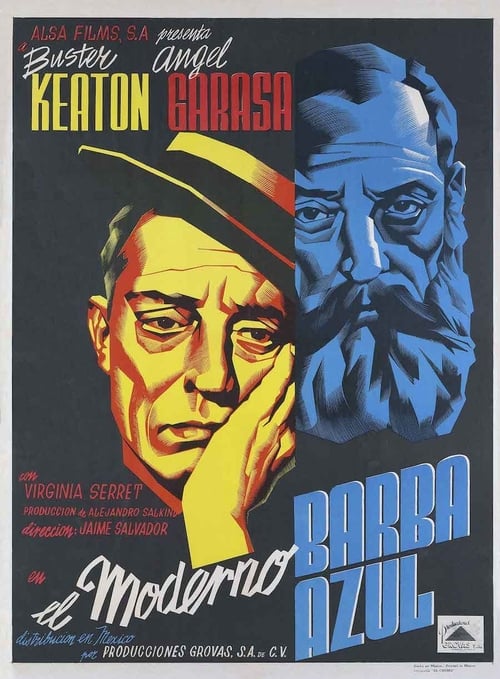
An American soldier marooned in Mexico is mistaken for a wife-butchering serial killer.
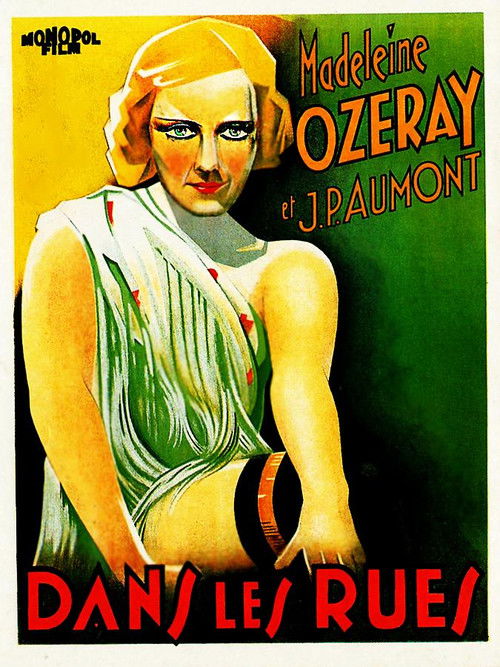
Young French student Madeleine Duchanel wants to go to the theater and therefore pulls out of the well-protected environment of her school. In Paris she hopes to make a career, but in her naivety she ends up on the street.
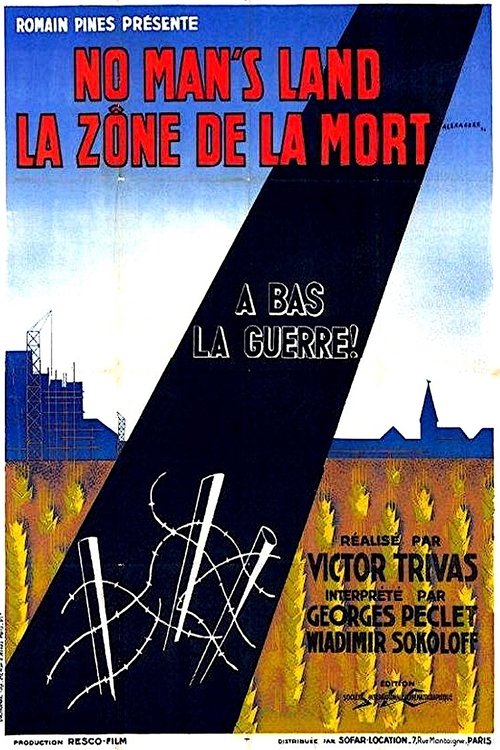
Hell on Earth (German: Niemandsland) is a 1931 German film directed by Victor Trivas. The film is also known as No Man's Land in France.
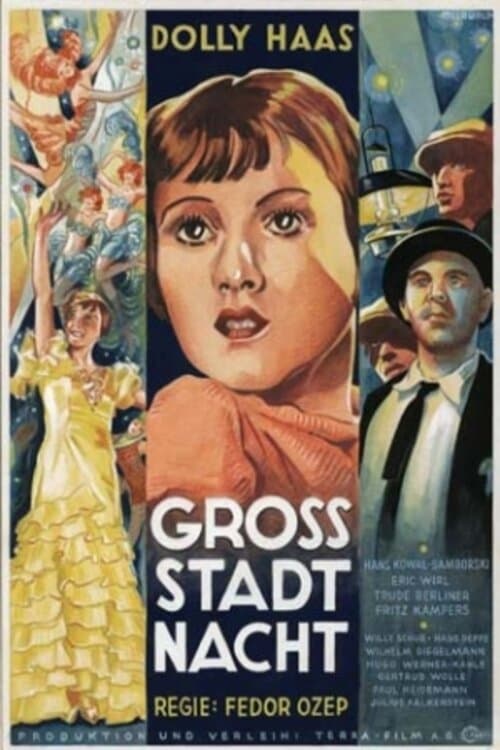
A gang of poverty-ridden juvenile delinquents progress from petty theft to hard crime, but a kindly judge manages to set most of them on the right path after they are finally apprehended.
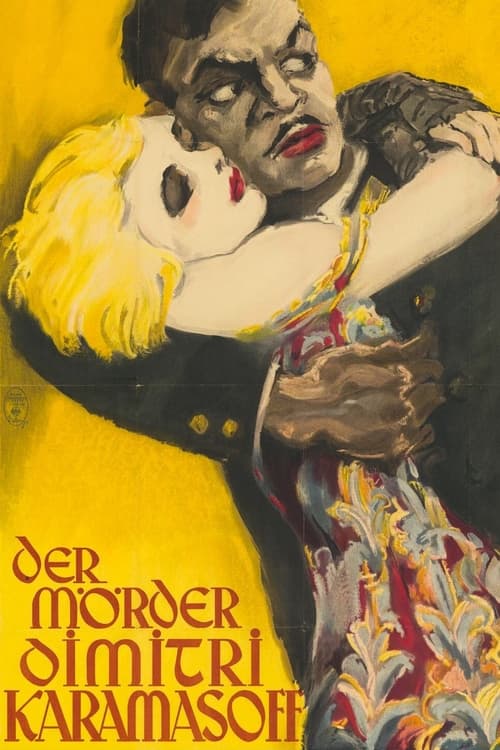
Suspicion surrounds a lieutenant for killing his father; based on Dostoevsky's novel.
An unmarried showgirl takes a handsome companion with her on a vacation, to the distress of others.