Acting
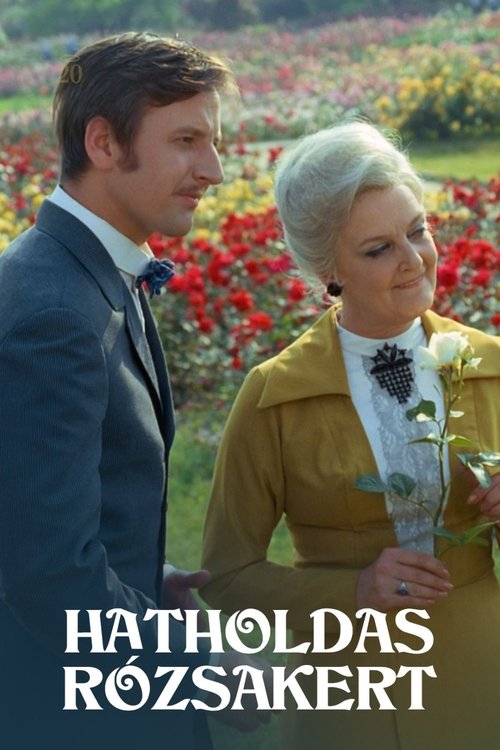
Aunt Ilka, who likes company, opens her house standing in the middle of a six-acre rose garden in the little town for the golden youth of the town. As a result of her benevolence, the tenants are in the position to adore not only the roses but a nice bunch of to-be-married girls of the town.
While awaiting his release from the Soviet detention camp he is being held in, a half-starved refugee (Andras Ambrus) finds that an error has been made and his name is not on the to-be-released list. It is then that he is forced to assume the identity of a dead man whose name is on the list. Ambrus at first refuses, but because he was an orphan and cannot produce evidence of his true identity, he has no other choice. However, when he returns to the outer world and the community he was raised in, he is greeted with suspicion. When he tries to claim his part-ownership of a farm from his adopted uncle, he is refused and beaten by farmhands the uncle sets on him.
This satire on film depicts the micro-climate of a technical vocational school newly established at a housing estate. The construction vocational school holds a name-giving ceremony, thus calling the attention of its supervisory organ to itself. The school-master distributes as well as receives presents from the sponsoring factory, and the pupils sit for a written examination of unheard-of material. The results are devastating, which the despotic school-master attempts to conceal by a staged disciplinary procedure.
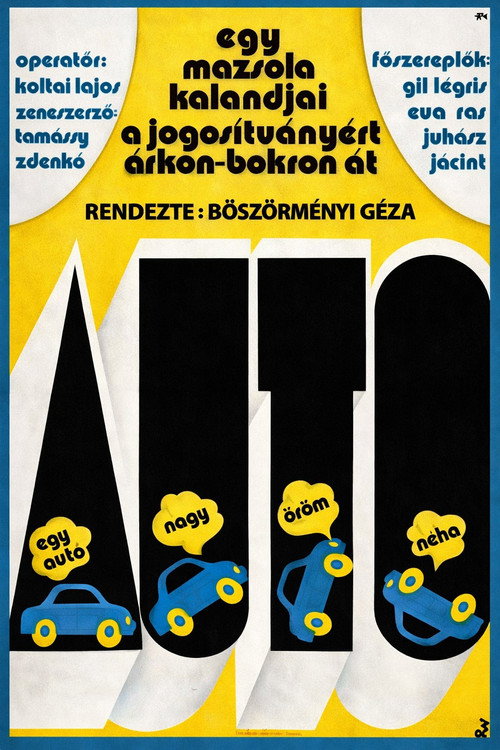
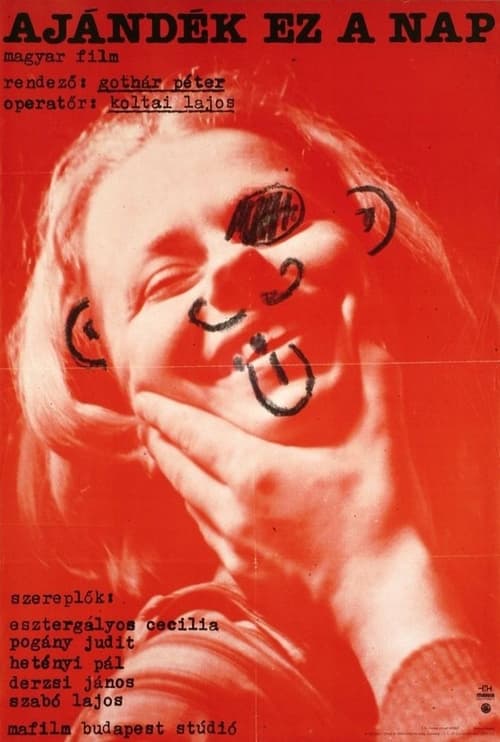
This sour satire records how narrow-minded, perishable and prejudiced human relations are. Lili, an open, good-hearted, but clumsy girl gets a rusty Renault Gordini from her uncle living in France. She wants to learn driving, but makes horrible and perilous mistakes behind the wheel.
This double-threaded story depicts the lives of a sister and a brother in a critical phase of their lives. Virág participates in a tour of the collage choir to Finland. Upon her return home she refuses the assistance offered by Vince, leaves the collage and aborts her child by a young Finn.
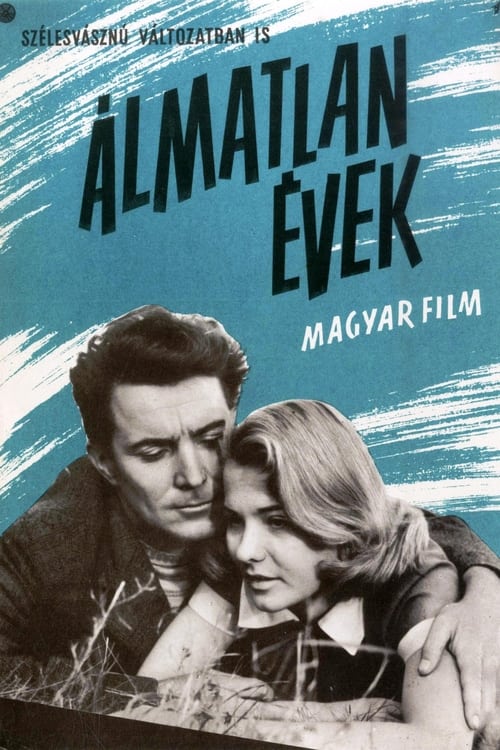
The "sleepless years" in this propaganda piece by director Felix Marlassy occur on Csepel Island, an island south of Budapest that is home to an armaments factory. The factory workers are shown being exploited by imperialists, capitalists gone berserk, and fascists, more or less in that exact chronological sequence. The heavy-handed approach does much to undercut the belief that when socialism finally takes over, the lives of the workers are brought up to a human level. In this instance, audiences might prefer a more nuanced and subtle statement, no matter what the message.
The hero of the story that takes place at the beginning of the nineteenth century and recalls real historical personages is Akli Miklós, the court jester of Emperor Ferenc.
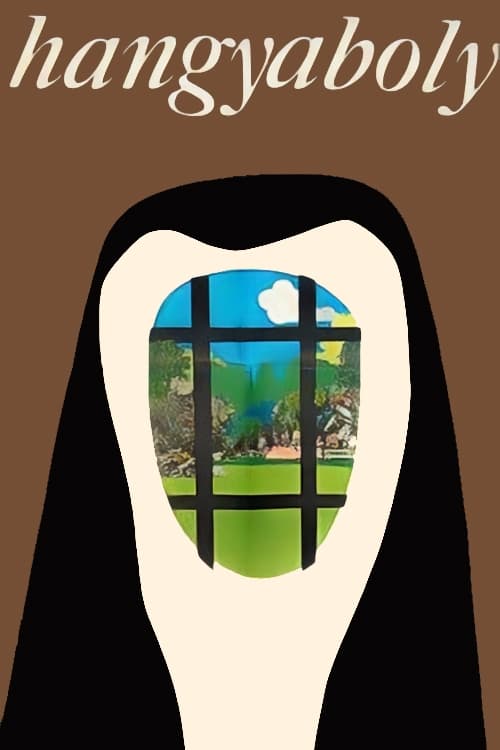
The head of the nunnery is dying, and the members are divided in two groups as the election of the new head approaches. Led by Virginia, the younger nuns stand up for changing the strict religious dogmas and would like a modern school with genuine science, a bathroom to be built, and a freer spirit. Their candidate is sister Magdolna, who went to secular universities, too. The seminarists, led by Király Erzsi, also rebel against the older nuns' strict discipline and the depressed atmosphere of the institution. However, Magdolna does not want to stay involved in the fight because she is deterred by Virginia's sinful attraction towards her and the tools Virginia is using to gain victory at any price.
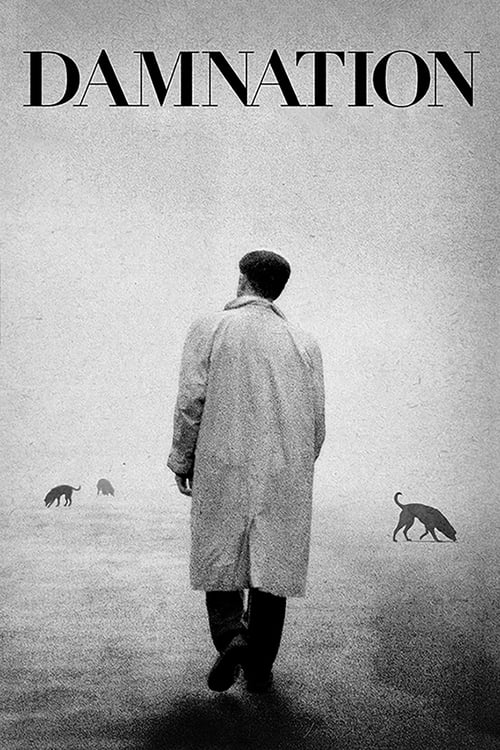
Karrer plods his way through life in quiet desperation. His environment is drab and rainy and muddy. Eaten up with solitude, his hopelessness would be incurable but for the existence of the Titanik Bar and its beautiful, haunting singer. But the lady is married and Karrer is determined to keep her husband away...
Marci is drafted from a typical block building in the 6th district in Pest. He says good-bye to Juli living in the same house, with whom they are both very much fond of each other, but neither of them makes a confession. Juli works in a factory, and with her friend Gizus she goes out in the evening for dancing and drinking. After a year, Marci comes back for holiday, he is full of love.
Irén and Attila, a not-so-young couple, are in love. All they want is a flat of their own where they could live together. Unfortunately, Hungary in the 70s is no place for dreams.
A German stage actor finds unexpected success and mixed blessings in the popularity of his performance in a Faustian play as the Nazis take power in pre-WWII Germany. As his associates and friends flee or are ground under by the Nazi terror, the popularity of his character supercedes his own existence until he finds that his best performance is keeping up appearances for his Nazi patrons.
Against the backdrop of the Adolph Eichmann trials, an elderly paraplegic pharmacist is summoned to the police station, where he believes that his hidden wartime guilt has caught up with him, unaware that it is all in fact an elaborate practical joke.
The story takes place during World War II. Vitay Georgina is enrolled by her father, General Vitay, in the completely closed, residential Calvinist Matula Girls' Institute in the town of Árkod, on the outskirts of the country. He does not tell Gina why, as her new classmates would accept her, but after she fights with them over a silly game and betrays them, she is ostracised.
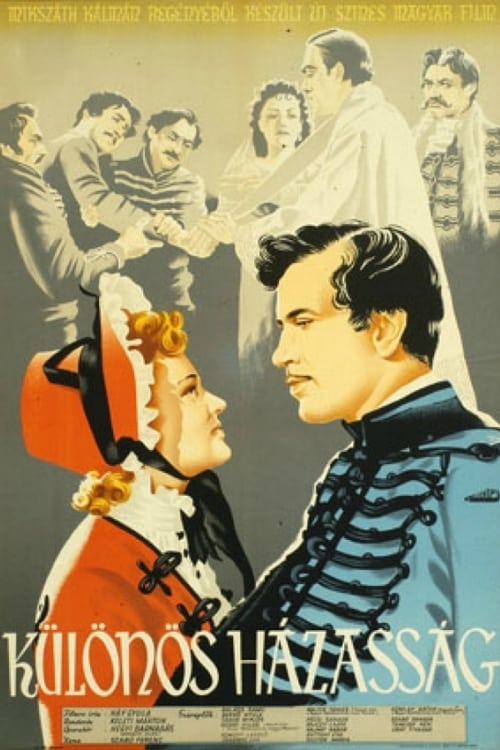
Count János Buttler rushes home to his parents and his beloved for the school holidays. On the way, they stop at Baron Dőry's house, where János is deviously trapped. In the presence of false witnesses, he is forcibly married to Baron Dőry's pregnant daughter. The swearing priest is the father of the unborn child. Although Buttler, his family and friends do their utmost to have the marriage annulled, the Church and the court, fearing for his authority, will not allow it. John Buttler and his lover therefore choose another way to divorce.
A couple in love, but sadly married to other partners. What is to be done? A diagnosis of a comfortable but profoundly incapable society, a Hungary suffering from an endemic private life disorder, observable both among the urban middle and the rural lower classes. A descent into a relationship’s demise, more from the tired inertia of a country that has lost all direction and sense of purpose than any ill will.
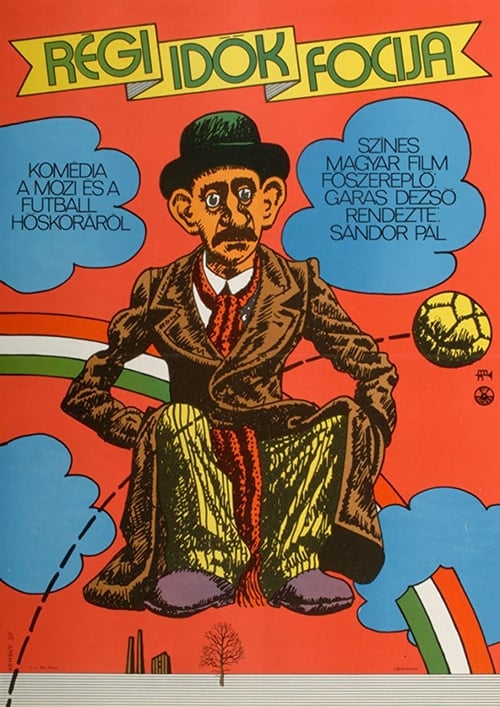
The film is set in Budapest, 1924. Laundryman Ede Minarik's only passion is football. His dream is to see his team, Csabagyöngye, qualify for the first division. For this goal he would be willing to sacrifice everything he has. But he has nothing, even footballers just barely. The team is just like the times. But still, "we need a team!"
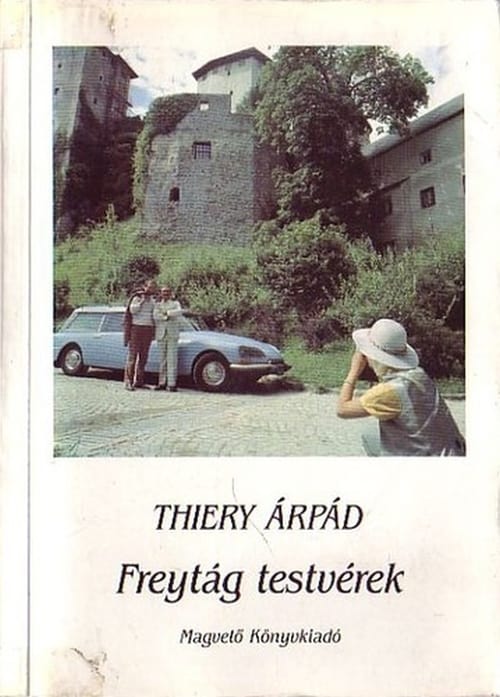
Few writers today tackle sweeping, multigenerational family sagas, work that demands vast life experience and insight. József Attila Prize–winner Árpád Thiery has done just that: his two published volumes of the Freytág Siblings’ story (1943 through the late 1960s) have been adapted by Hungarian Television into a five-part series slated for January 1989, and he’s already completed the trilogy’s final installment. Thiery describes it as a historical family novel, tracing postwar Hungary, from the Stalinist 1950s and the 1956 uprising’s aftermath to the upheavals of 1968, while celebrating freedom, truth, hope, boundless faith and innocent responsibility.
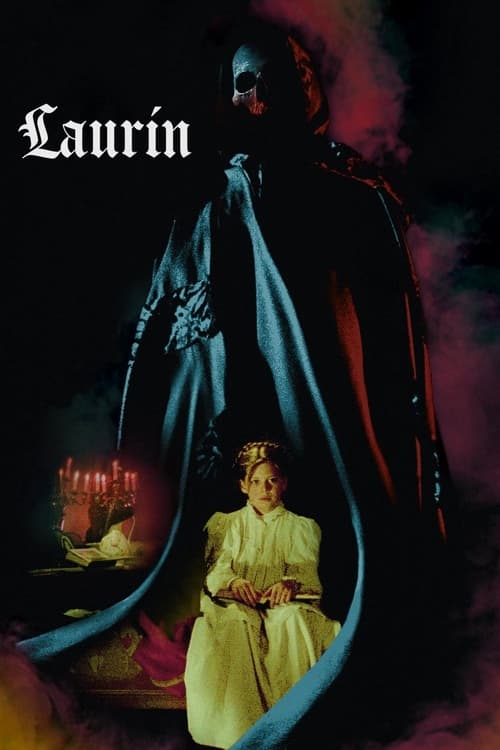
In a small port town, at the turn of the century, children are disappearing. A mysterious man in black who stalks the town may be Death itself. And nine-year-old Laurin is suffering terrifying dreams and hallucinations of a man carrying a sack and frightened children calling for help from behind closed windows.
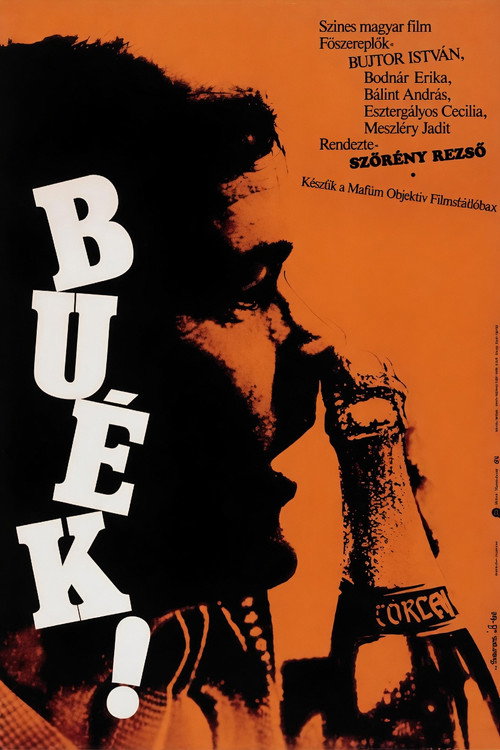
Three thirtysomething chemical scientists, Laci, Gyuri and Kati celebrate the success of their development program before New Year's Eve with drinking for several days. But the morning of New Year's Eve does not bring the expected recognition, because the nice, bald, old director is replaced by a young, bald, but disagreeable one. In a sodden atmosphere it becomes clear that everybody has an axe to grind in the informative discussions.