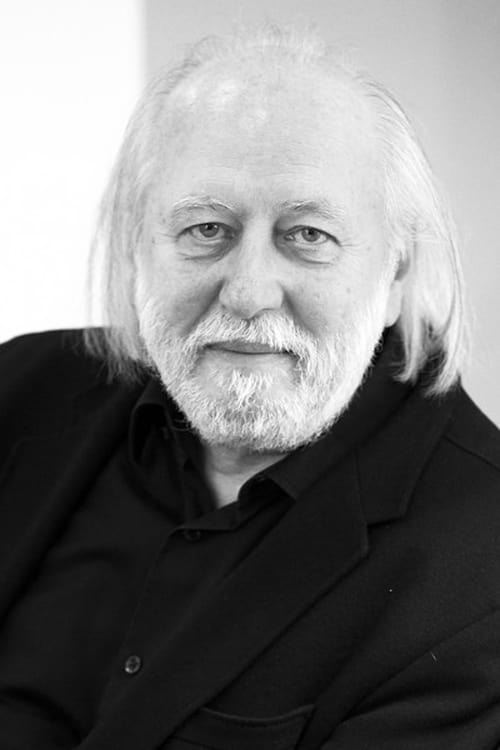
László Krasznahorkai
Writing
Biography
László Krasznahorkai (born January 5, 1954) is a Nobel Prize-winning Hungarian novelist and screenwriter. He is known for difficult and demanding novels, often labelled postmodern, with dystopian and melancholic themes. Several of his works, notably his novels Satantango (Sátántangó, 1985) and The Melancholy of Resistance (Az ellenállás melankóliája, 1989), have been turned into feature films by Hungarian film director Béla Tarr.
Known For
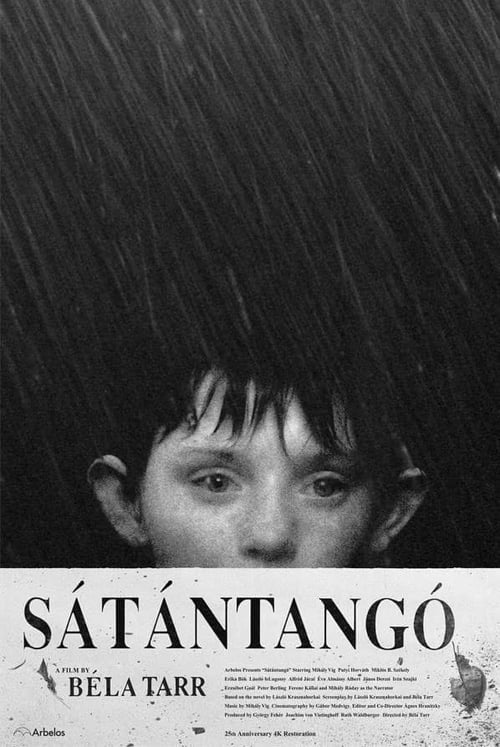
Inhabitants of a small village in Hungary deal with the effects of the fall of Communism. The town's source of revenue, a factory, has closed, and the locals, who include a doctor and three couples, await a cash payment offered in the wake of the shuttering. Irimias, a villager thought to be dead, returns and, unbeknownst to the locals, is a police informant. In a scheme, he persuades the villagers to form a commune with him.
Satantango

A naive young man witnesses an escalation of violence in his small hometown following the arrival of a mysterious circus attraction.
Werckmeister Harmonies
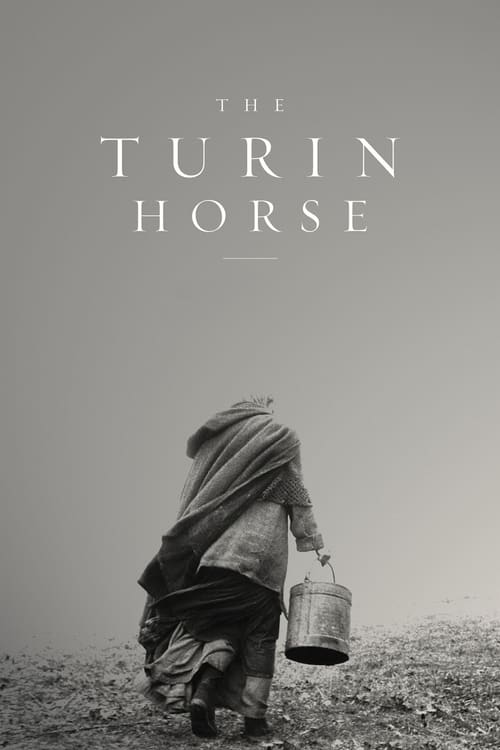
A look at the monotonous daily struggle of a father and daughter in a windswept, desolate landscape. Over six days, their routine of eating boiled potatoes and tending a failing horse crumbles, symbolizing a slow descent into darkness, emptiness, and the end of existence.
The Turin Horse
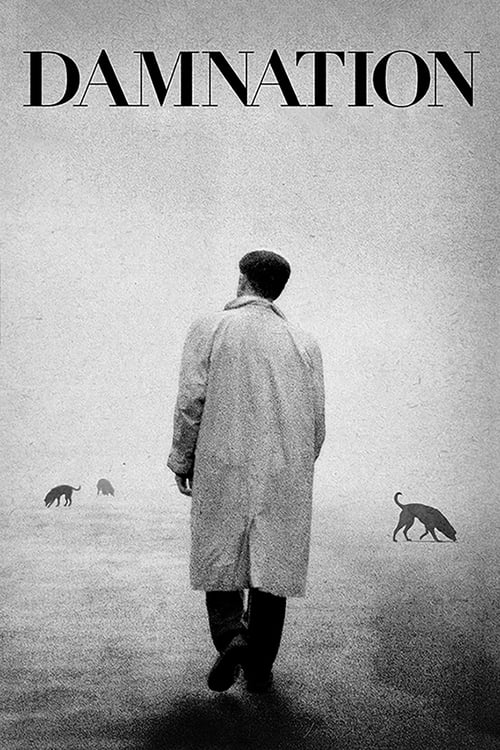
Karrer plods his way through life in quiet desperation. His environment is drab and rainy and muddy. Eaten up with solitude, his hopelessness would be incurable but for the existence of the Titanik Bar and its beautiful, haunting singer. But the lady is married and Karrer is determined to keep her husband away...
Damnation
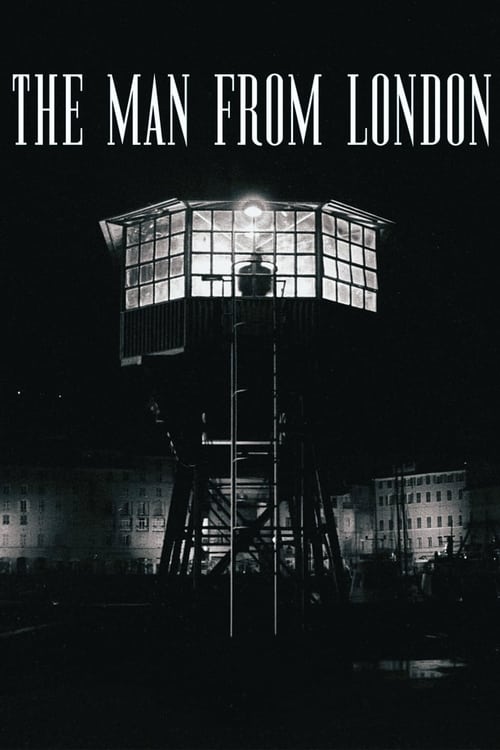
A switchman at a seaside railway witnesses a murder but does not report it after he finds a suitcase full of money at the scene of the crime.
The Man from London
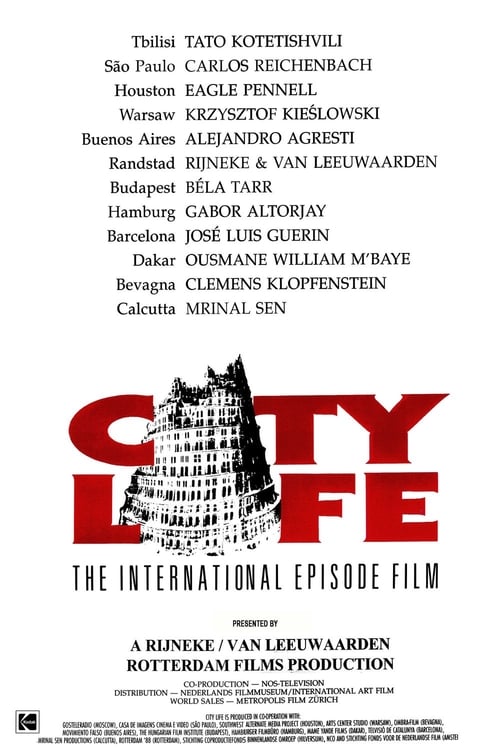
The last ship (Utolsó hajó) is leaving the quay. Sirens are sounding.
The Last Boat
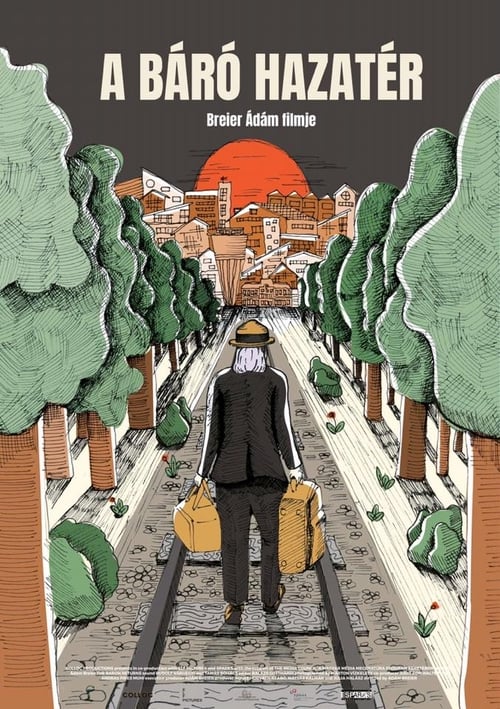
László Krasznahorkai is the 'contemporary master of the apocalypse' as Susan Sontag described him. We discussed what I could show of him if I were to make a portrait film. Whatever I asked, his answer was no. That is how this film has begun.