Anthony Sagar
Acting
Biography
Anthony Sagar (19 June 1920 – 24 January 1973) was an English character actor and a member of the National Theatre. He was prolific screen performer and appeared in many films (including seven of the Carry On series) and television series including the 1959 adaptation of The Moonstone, Steptoe and Son, The Avengers and Dad's Army.
Known For

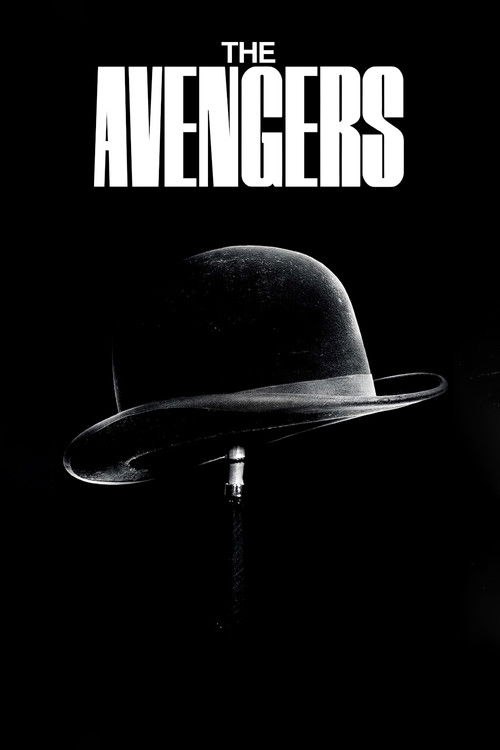
A quirky spy show of the adventures of eccentrically suave British Agent John Steed and his predominantly female partners. Jonathan Steed - an urbane, proper gentleman spy - teams with various assistants throughout the series' run, including Dr. David Keel, Cathy Gale, Emma Peel and Tara King, to repeatedly save the world from diabolical schemes plotted by equally diabolical evil-doers (among them robots and man-eating monsters).
The Avengers

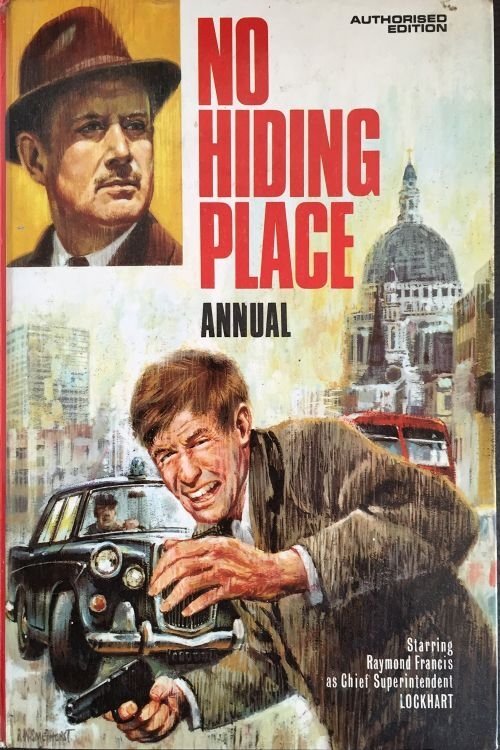
No Hiding Place is a British television series that was produced at Wembley Studios by Associated-Rediffusion for the ITV network between 16 September 1959 and 22 June 1967. It was the sequel to the series Murder Bag and Crime Sheet, all starring Raymond Francis as Detective Superintendent, later Detective Chief Superintendent Tom Lockhart.
No Hiding Place

Introducing the Walmington-On-Sea home guard. During WW2, in a fictional British seaside town, a ragtag group of Home Guard local defense volunteers prepare for an imminent German invasion.
Dad's Army
Drama 61-67 is anthology drama series which took a different title, based on year of transmission, each year. It alternated with Armchair Theatre from ABC in the Sunday evening slot. The series was described at the time as epitomising ATV drama.
Drama 61-67

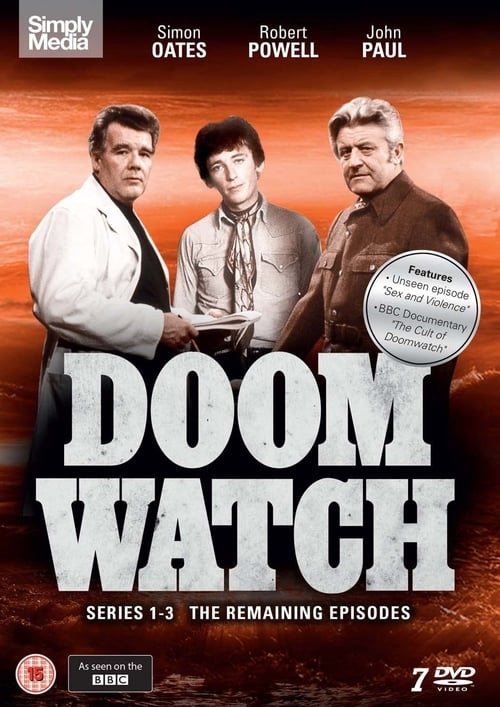
Doomwatch is a British science fiction television programme produced by the BBC, which ran on BBC 1 between 1970 and 1972. The series was set in the then present-day, and dealt with a scientific government agency led by Doctor Spencer Quist, responsible for investigating and combating various ecological and technological dangers. The series was followed by a film adaptation produced by Tigon British Film Productions and released in 1972, and a revival TV film was broadcast on Channel 5 in 1999.
Doomwatch

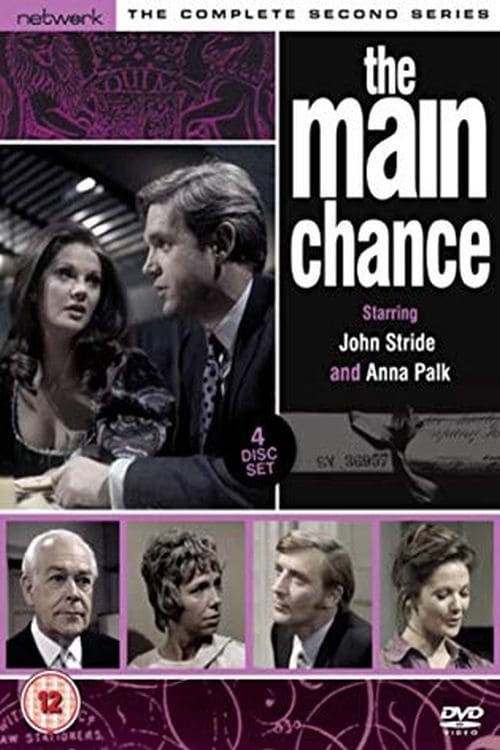
The Main Chance was a British television series which first aired on ITV between 1969,1970,1972 and 1975. A drama, it depicts the sudden transformation in the life of solicitor David Main who relocates from London to Leeds.
The Main Chance

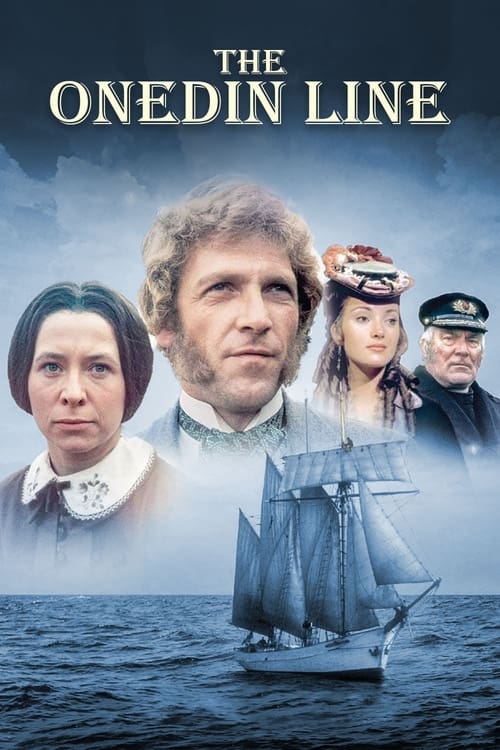
The Onedin Line is a BBC television drama series which ran from 1971 to 1980. The series was created by Cyril Abraham. The series is set in Liverpool from 1860 to 1886 and deals with the rise of a shipping line, the Onedin Line, named after its owner James Onedin. Around this central theme are the lives of his family, most notably his brother and partner, shop owner Robert, and his sister Elizabeth, giving insight into the lifestyle and customs at the time, not only at sea, but also ashore. The series also illustrates some of the changes in business and shipping, such as from wooden to steel ships and from sailing ships to steam ships. It shows the role that ships played in affairs like international politics, uprisings and the slave trade.
The Onedin Line

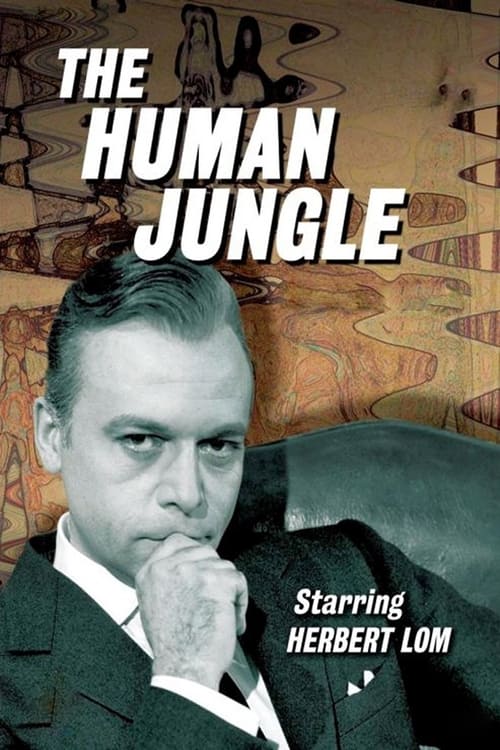
The Human Jungle is a British TV series about a psychiatrist, made for ABC Television by the small production company Independent Artists for transmission on ITV. Starring Herbert Lom, it ran for two series which were first transmitted during 1963 and 1965.
The Human Jungle

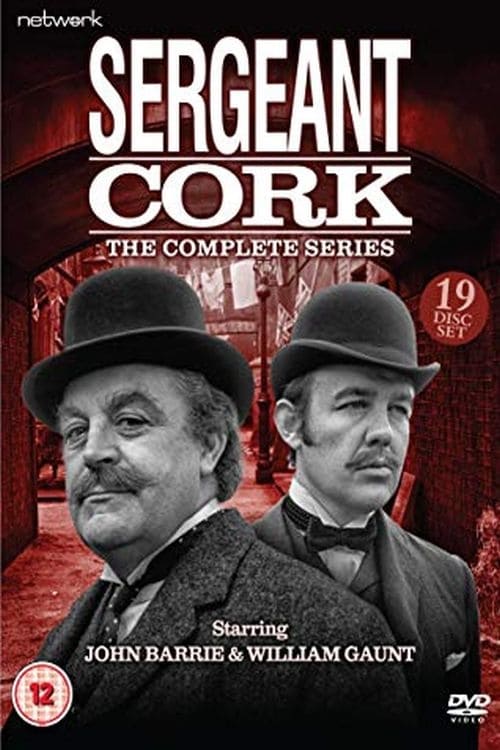
Sergeant Cork is a British detective television series which first aired between 1963 and 1968 on ITV. It was a police procedural show that followed the efforts of two police officers and their battle against crime in Victorian London. In all 66 hour-long episodes were aired during the five-year run, although the last episode was not broadcast until January 1968, 16 months after the others. Journalist Tom Sutcliffe has credited it as a first example of the use of the Victorian-era policeman in a television crime series. A 1969 review in The Age opined that rather than suspense, the strengths of the series were its "excellent period settings and wonderfully thick pea-soupers" which "add up to splendid evocative stuff", as well as the performance of star John Barrie. At no time during the whole series is Sergeant Cork's first name given.
Sergeant Cork

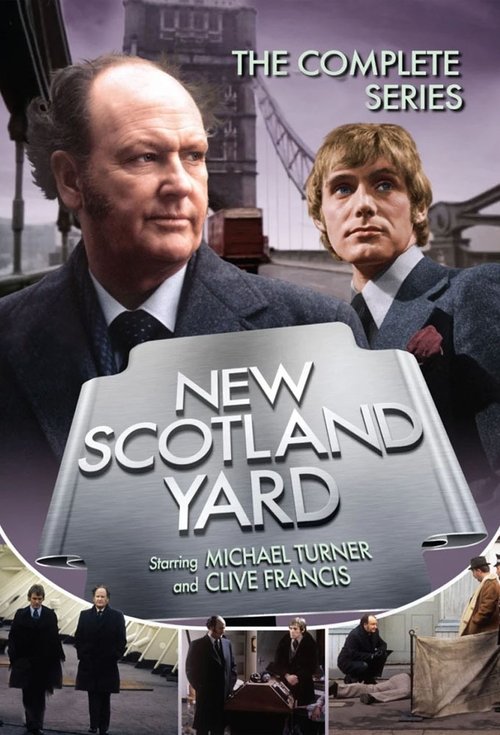
New Scotland Yard is a police drama series produced by London Weekend Television for ITV from 1972 and 1974. It features the activities of two officers from the Criminal Investigations Department in the Metropolitan Police force headquarters at New Scotland Yard, as they dealt with the assorted villains of the day.
New Scotland Yard
Based on P.G. Wodehouse's Jeeves stories, The World of Wooster, broadcast on BBC One from 1965 to 1967, followed the farcical adventures of young upper-class twit Bertie Wooster and his invaluable manservant Jeeves. It starred Ian Carmichael as Wooster and Dennis Price as Jeeves. Wodehouse initially felt that Carmichael would be fine as Wooster, but later believed that Carmichael overacted; however, Wodehouse was satisfied enough with to later ask Carmichael to portray Bertie or Jeeves in a musical comedy. Carmichael declined, feeling too old to play Bertie again and that public perception prevented him from playing Jeeves. Wodehouse was far more positive about Price's Jeeves, stating that Price was the best Jeeves he had ever seen. Like many other series of the time, much of the episodes were wiped, leaving all but two now lost. In 2018, it was included at #51 in a list of the top 100 most wanted missing television programmes by TV archivist organisation Kaleidoscope.
The World of Wooster

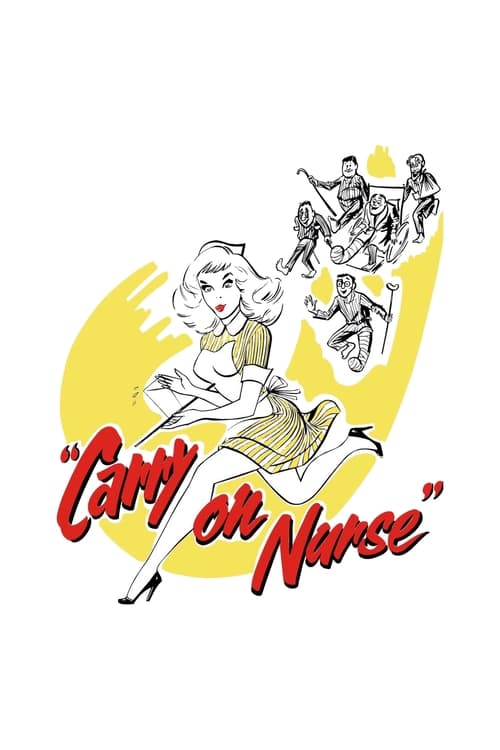
In Haven Hospital, a certain men's ward is causing more havoc than the whole hospital altogether. The formidable Matron's debut gives everyone a chill every time she walks past, with only Reckitt standing up to her. There's a colonel who's a constant nuisance, a bumbling nurse, a romance between Ted York and Nurse Denton, and Bell wants his bunion removed straight away, so after a couple of pints, the men decide to remove the bunion themselves!
Carry On Nurse

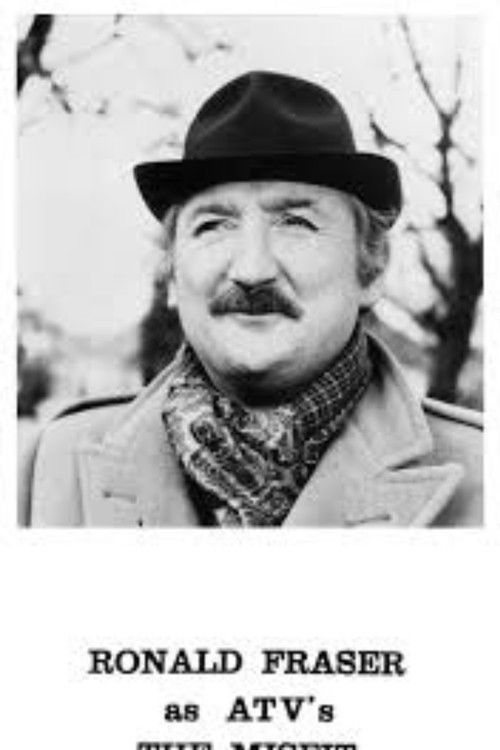
The Misfit is an ATV sitcom created by Roy Clarke, broadcast from 1970 to 1971 on ITV. Basil Allenby-Johnson returns from Colonial Malaya to an England just emerging from the swinging sixties, a home he no longer recognises.
The Misfit

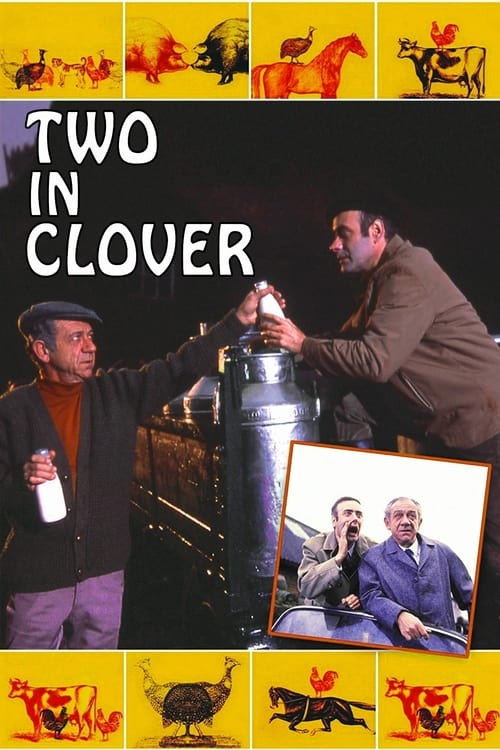
Two in Clover is a British sitcom produced by Thames Television for two series from 1969 to 1970 on ITV. It starred Sid James and Victor Spinetti and was written by Vince Powell and Harry Driver, and produced and directed by Alan Tarrant. The first series was made in black and white and the second series was made in colour. Frustrated office workers Sid Turner and Vic Evans decide to leave behind their nine-to-five lifestyle for the simpler life of living in the countryside and running a farm.
Two in Clover

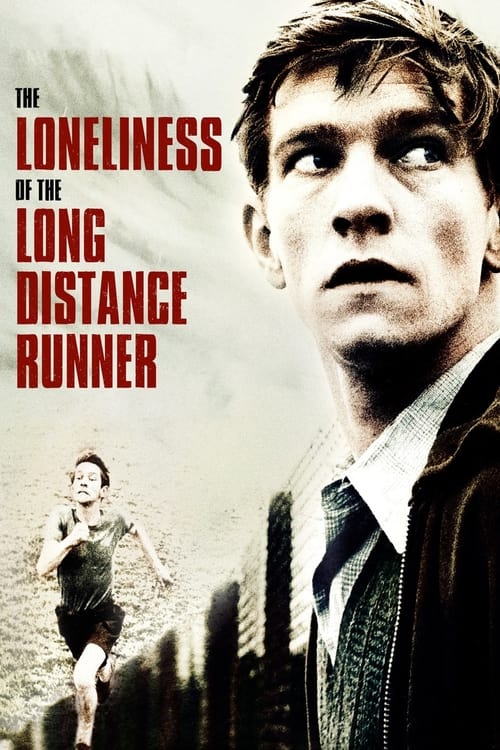
A rebellious youth, sentenced to a boy’s reformatory for robbing a bakery, rises through the ranks of the institution by impressing its Governor through his prowess as a long distance runner. He is encouraged to compete in an upcoming race, but faces ridicule from his peers.
The Loneliness of the Long Distance Runner

In 1970s London, Scotland Yard orchestrates the downfall of mob boss Vic Dakin after he crosses the line by blackmailing Members of Parliament.
Villain

A burned-out British police detective finally snaps while interrogating a suspected child molester.
The Offence

The sinister Dr. Watt has an evil scheme going—he's kidnapping beautiful young women and turning them into mannequins to sell to local stores. Fortunately for him, Detective Sergeant Bung is on the case, and he doesn't have a clue!
Carry On Screaming!

The incredible but true story of how an impersonator was recruited to impersonate General Montgomery to mislead the Germans about his intentions before the North Africa campaign.
I Was Monty's Double

Army radiation experiments awaken a subterranean monster from a fissure that feeds on energy and proceeds to terrorise a remote Scottish village. An American research scientist at a nearby nuclear plant joins with a British investigator to discover why the victims were radioactively burned and why, shortly thereafter, a series of radiation-related incidents are occurring in an ever-growing straight line away from the fissure.