Yōko Naitō
Acting
Biography
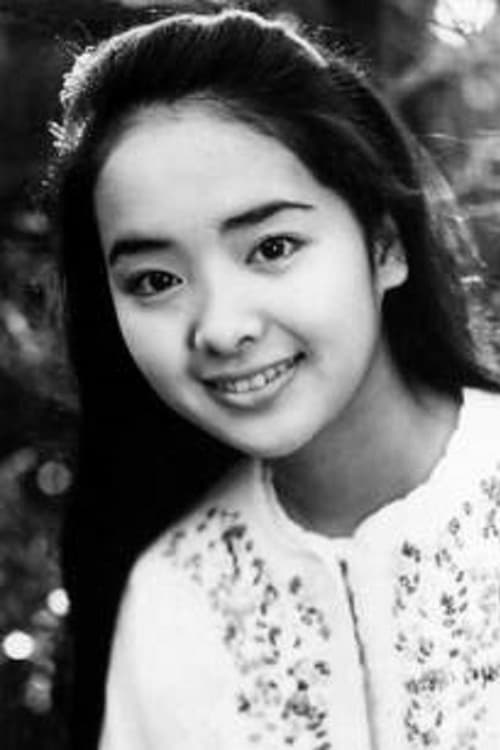
Yōko Naitō (內藤洋子) was born on May 28, 1950 in Ibaraki, Japan. She is an actress, known for The Sword of Doom (1966), Red Beard (1965) and Izu no odoriko (1967).
Known For

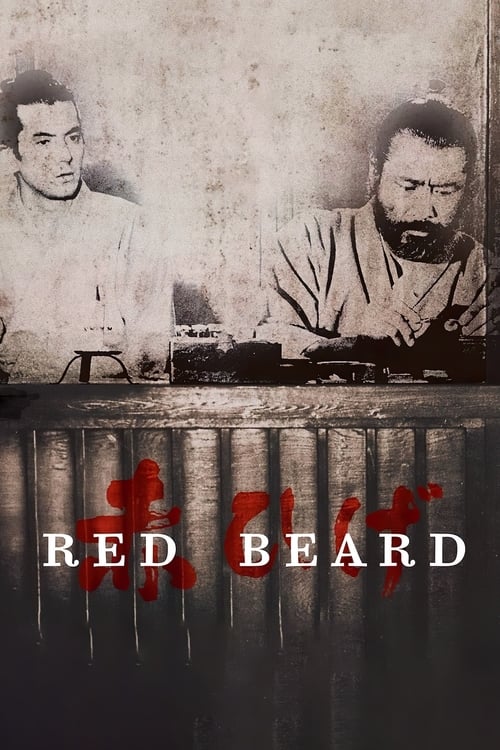
Aspiring to an easy job as personal physician to a wealthy family, Noboru Yasumoto is disappointed when his first post after medical school takes him to a small country clinic under the gruff doctor Red Beard. Yasumoto rebels in numerous ways, but Red Beard proves a wise and patient teacher. He gradually introduces his student to the unglamorous side of the profession, ultimately assigning him to care for a prostitute rescued from a local brothel.
Red Beard

No description available.
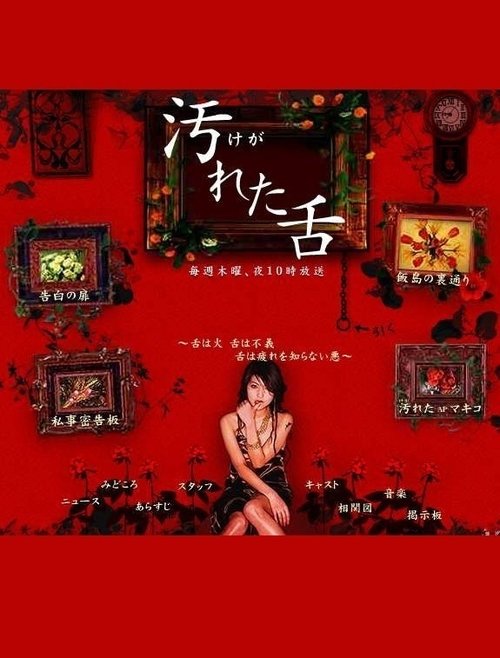
汚れた舌

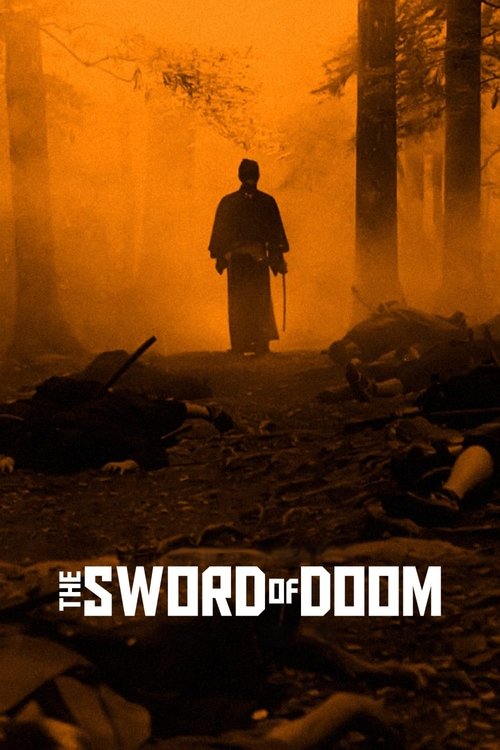
Ryunosuke, a gifted swordsman plying his trade during the turbulent final days of Shogunate rule, has no moral code and kills without remorse. It’s a way of life that leads to madness.
The Sword of Doom

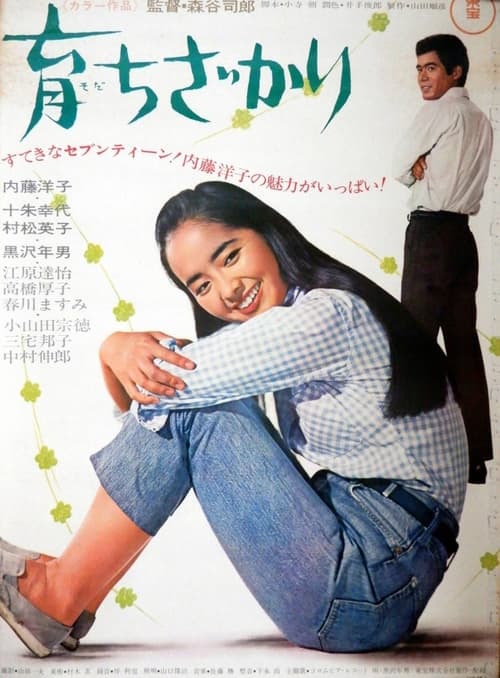
Japanese movie released on September 30 , 1967 . Produced and distributed by Toho . Color , Toho scope . Running time is 88 minutes.
Sodachi zakari

In a private school built 70 years ago in wooded areas, tragic events begin to occur. Seemingly innocent occult play by a few girls turns into a bloody fight with mystical forces.
Twilight Syndrome: Graduation
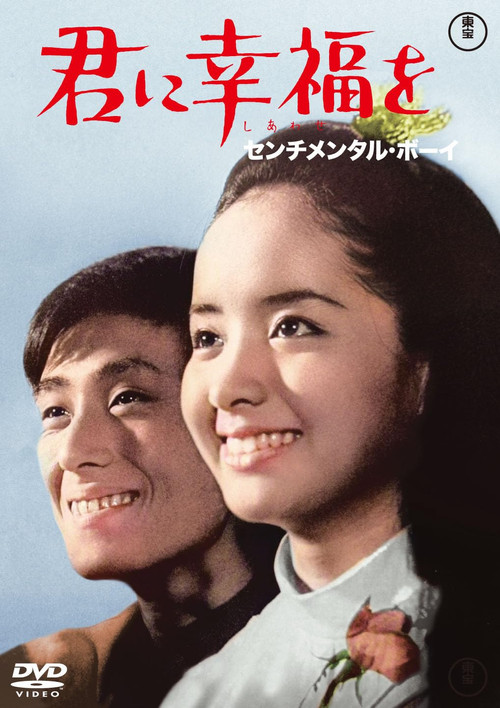
Former playmates (Naito and Tamura), both long ago abandoned by their parents, recall their youth and fall in love.
Once a Rainy Day

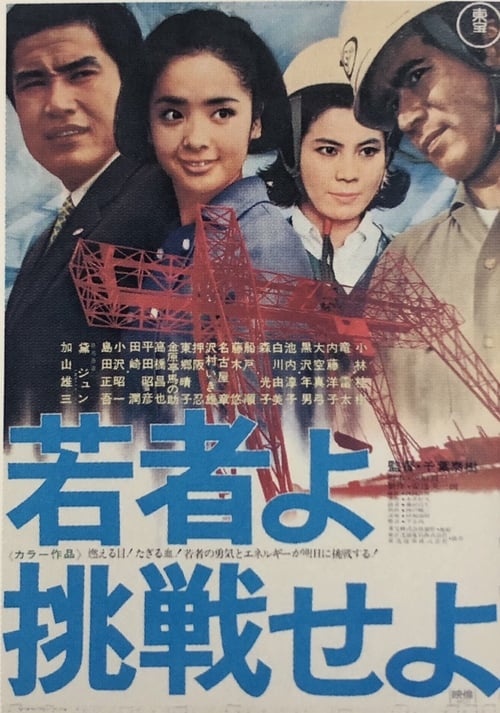
A story depicting the challenges faced by today's youth in working to build a better tomorrow, based on the theme of Toshiba's progress as one of Japan's leading manufacturers of electronic and electric goods.
Young Challengers

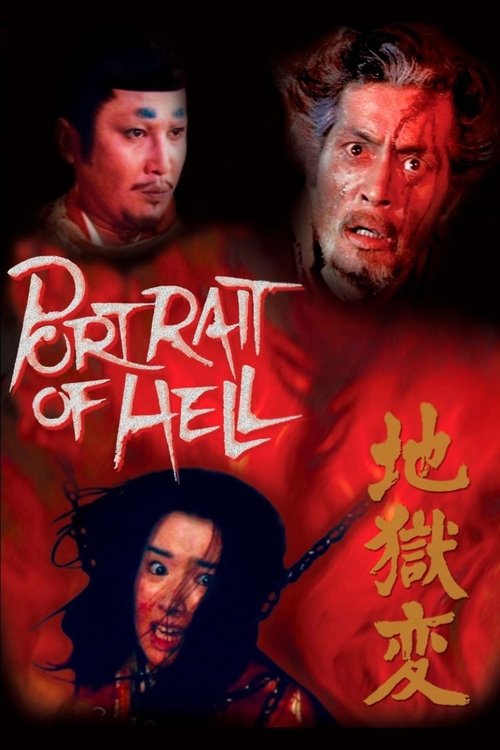
The story, set in the Heian era, depicts the conflict between Korean painter Yoshihide (Nakadai) and his Japanese patron, the cruel and egotistical daimyo Horikawa (Nakamura). It is based on the 1918 short story Hell Screen by Ryūnosuke Akutagawa.
Portrait of Hell

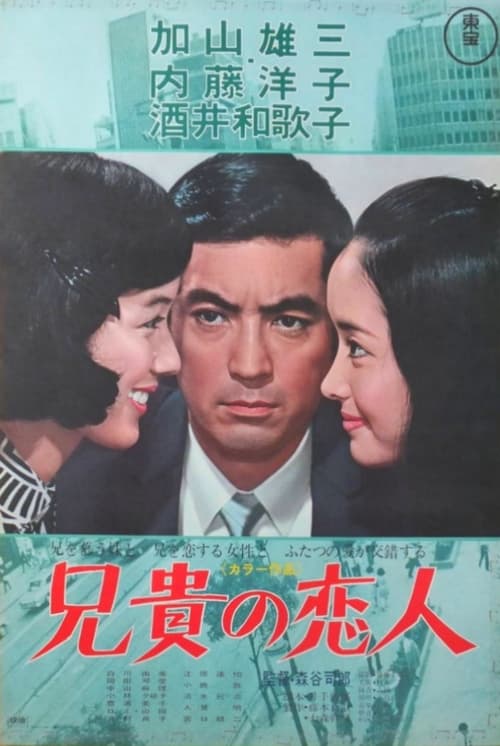
No description available.
My Brother, My Love

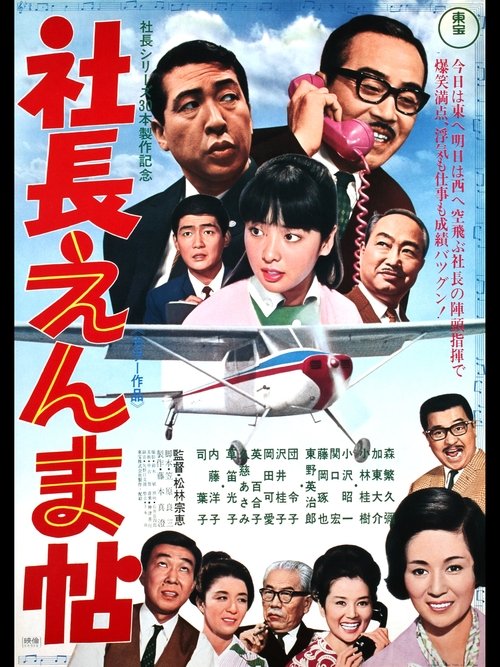
A cosmetics executive promoted to chairman faces chaos at home and work as his company undergoes major changes and internal power shifts.
5 Gents Fly to Kyushu Part II

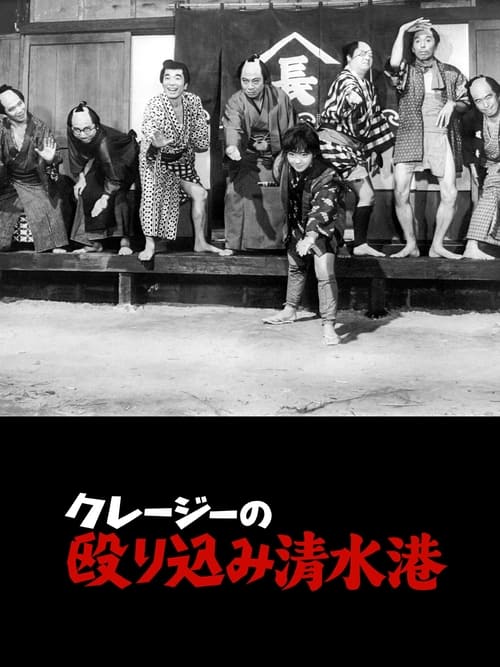
The 14th and final "Crazy" feature. The Crazy Cats reunited (minus Ishibashi, who had by then retired from the team) for one last feature, Jun Ichikawa's odd Memories of You (Kaisha mono-gatari, 1988) released by Shochiku. Most of the cast of Crazy lrresponsibles at Shimizu Harbor (1966) return in this sequel.
Crazy Violence at Shimizu Harbor

The ninth installment of ten in Nippon Ichi film series.
Japan's No. 1 Mischievous Man

A food company undergoes leadership changes, with younger staff rising to key roles.
Five Gents and a Kuniang

A cosmetics company president launches an aggressive new business strategy while balancing corporate pressure, romantic entanglements, and a high-profile international partnership.
5 Gents Fly to Kyushu

A food company president is promoted to chairman, but his continued involvement creates leadership confusion.
Five Gents Fly to Taiwan

Based on the hit song, the story involves a young boy and girl who leave their home in Hokkaido to come and live in Tokyo.
O Luna, My Pony!

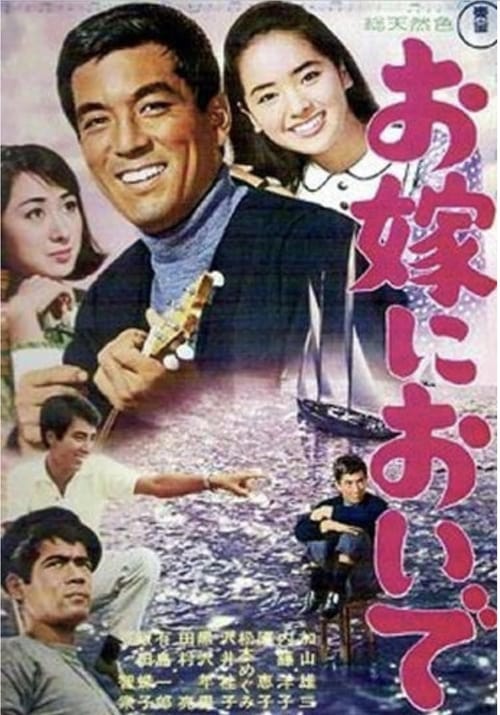
Masako is a humble waitress who has a chance encounter with playboy Tamotsu. With the aid of his sister, Tamotsu seeks to win Masako's affection despite the disapproval of his wealthy parents and Masako's own feelings towards the working-class cabbie Noro.
Come Marry Me

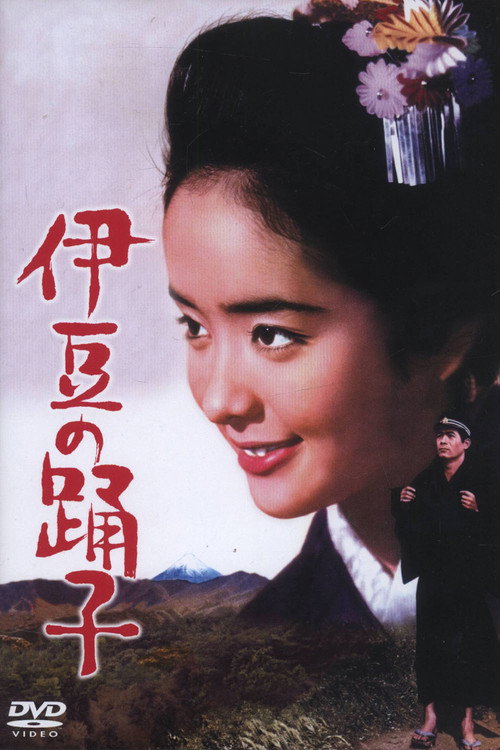
Kawasaki, a high school student from Ichiko, walks along a mountain path toward Amagi and encounters a troupe of traveling performers. He becomes captivated by Kaoru, a black-haired dancer carrying a drum on her back. Deciding to travel with the troupe to Shimoda, Kawasaki finds that Kaoru also harbors a tender affection for him.
The Izu Dancer

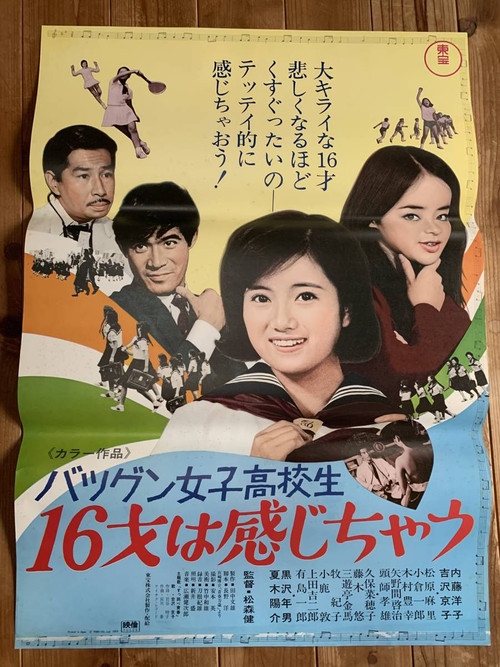
Melodrama about high school students.
Outstanding High School Girl: Ecstasy of a 16-Year-Old

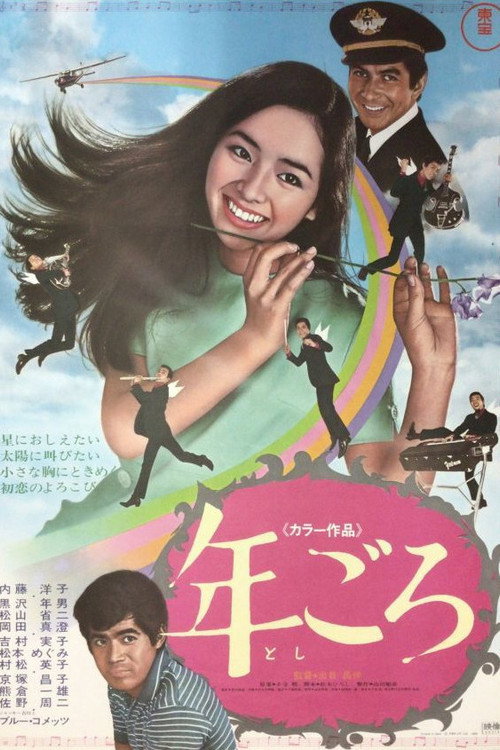
Drama about a high school girl (Naito).