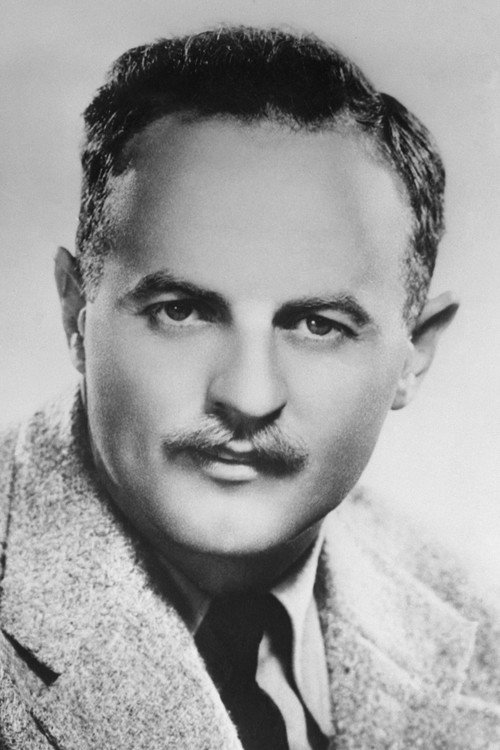
Darryl F. Zanuck
Production
Biography
Darryl Francis Zanuck (September 5, 1902 – December 22, 1979) was an American film producer and studio executive; he earlier contributed stories for films starting in the silent era. He played a major part in the Hollywood studio system as one of its longest survivors (the length of his career was rivaled only by that of Adolph Zukor). He produced three films that won the Academy Award for Best Picture during his tenure. Zanuck was born in Wahoo, Nebraska, the son of Sarah Louise (née Torpin), who later married Charles Norton, and Frank Harvey Zanuck, who owned and operated a hotel in Wahoo. He had an older brother, Donald (1893–1903), who died in an accident when he was only 9 years old. Zanuck was of partial Swiss descent, and raised a Protestant. At age six, Zanuck and his mother moved to Los Angeles, where the better climate could improve her poor health. At age eight, he found his first movie job as an extra, but his disapproving father recalled him to Nebraska. In 1917, despite being 15, he deceived a recruiter, joined the United States Army, and served in France with the Nebraska National Guard during World War I. Upon returning to the US, he worked in many part-time jobs while seeking work as a writer. He found work producing movie plots, and sold his first story in 1922 to William Russell and his second to Irving Thalberg. Screenwriter Frederica Sagor Maas, story editor at Universal Pictures' New York office, stated that one of the stories Zanuck sent out to movie studios around this time was completely plagiarized from another author's work. Zanuck then worked for Mack Sennett and FBO (where he wrote the serials The Telephone Girl and The Leather Pushers) and took that experience to Warner Bros., where he wrote stories for Rin Tin Tin and under a number of pseudonyms wrote over 40 scripts from 1924 to 1929, including Red Hot Tires (1925) and Old San Francisco (1927). He moved into management in 1929, and became head of production in 1931. In 1933, Zanuck left Warner Bros. over a salary dispute with studio head Jack L. Warner. A few days later, he partnered with Joseph Schenck to form 20th Century Pictures, Inc. with financial help from Joseph's brother Nicholas Schenck and Louis B. Mayer, president and studio head of Loew's, Inc and its subsidiary Metro-Goldwyn-Mayer, along with William Goetz and Raymond Griffith. 20th Century released its material through United Artists. During that short time (1933–1935), 20th Century became the most successful independent movie studio of its time, breaking box-office records with 18 of its 19 films, all profitable, including Clive of India, Les Miserables, and The House of Rothschild. After a dispute with United Artists over stock ownership, Schenck and Zanuck negotiated and used their studio to bring the bankrupt Fox studios in 1935 to create Twentieth Century-Fox Film Corporation. Zanuck was Vice President of Production of this new studio and took a hands-on approach, closely involving himself in scripts, film editing, and producing. ... Source: Article "Darryl F. Zanuck" from Wikipedia in English, licensed under CC-BY-SA 3.0.
Known For

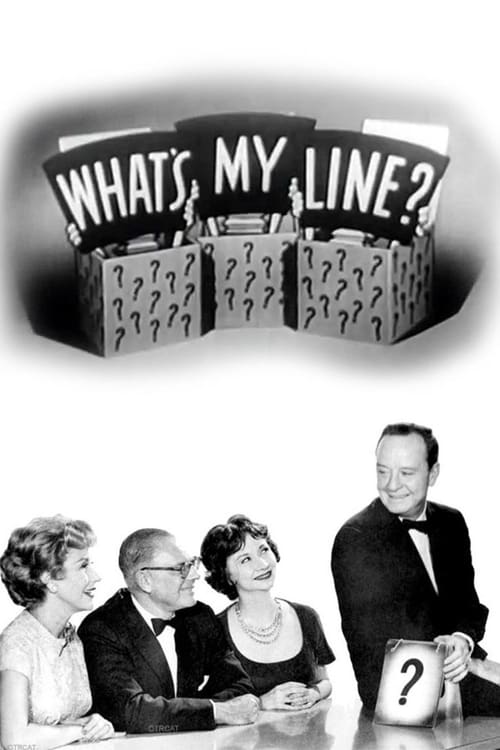
Four panelists must determine guests' occupations - and, in the case of famous guests, while blindfolded, their identity - by asking only "yes" or "no" questions.
What's My Line?

The Dick Cavett Show has been the title of several talk shows hosted by Dick Cavett on various television networks.
The Dick Cavett Show

No description available.
Cinépanorama

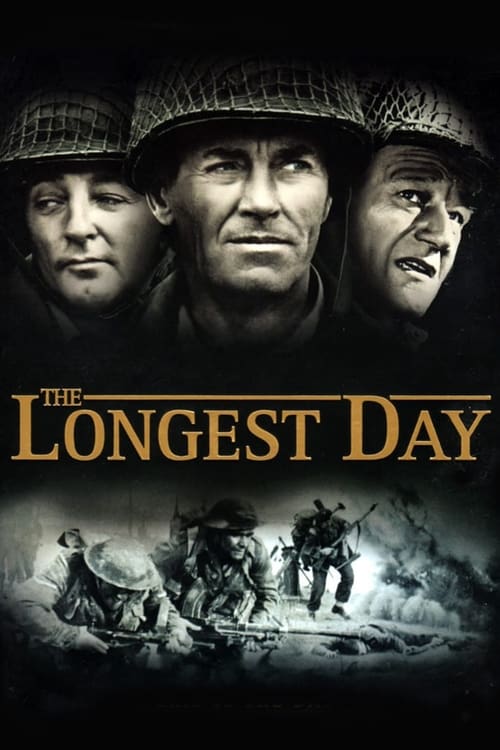
The retelling of June 6, 1944, from the perspectives of the Germans, US, British, Canadians, and the Free French. Marshall Erwin Rommel, touring the defenses being established as part of the Reich's Atlantic Wall, notes to his officers that when the Allied invasion comes they must be stopped on the beach. "For the Allies as well as the Germans, it will be the longest day"
The Longest Day

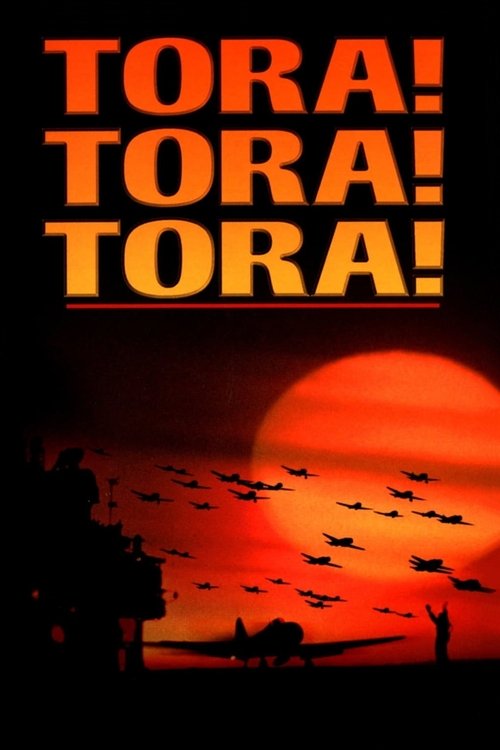
In the summer of 1941, the United States and Japan seem on the brink of war after constant embargos and failed diplomacy come to no end. "Tora! Tora! Tora!", named after the code words used by the lead Japanese pilot to indicate they had surprised the Americans, covers the days leading up to the attack on Pearl Harbor, which plunged America into the Second World War.
Tora! Tora! Tora!

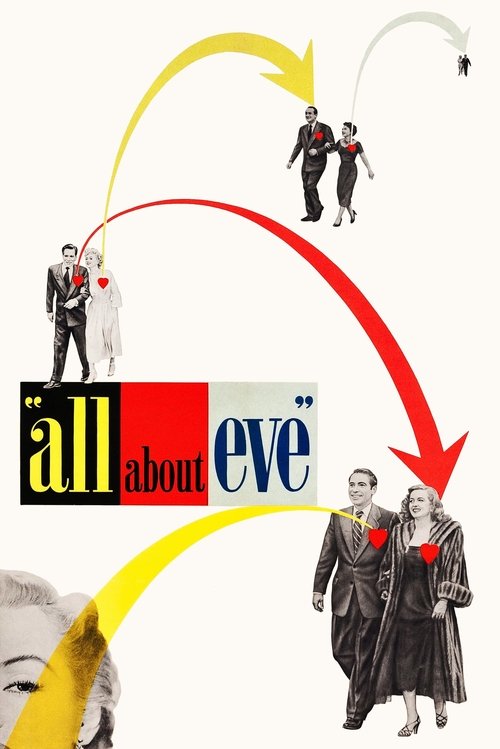
From the moment she glimpses her idol at the stage door, Eve Harrington is determined to take the reins of power away from the great actress Margo Channing. Eve maneuvers her way into Margo's Broadway role, becomes a sensation and even causes turmoil in the lives of Margo's director boyfriend, her playwright and his wife. Only the cynical drama critic sees through Eve, admiring her audacity and perfect pattern of deceit.
All About Eve

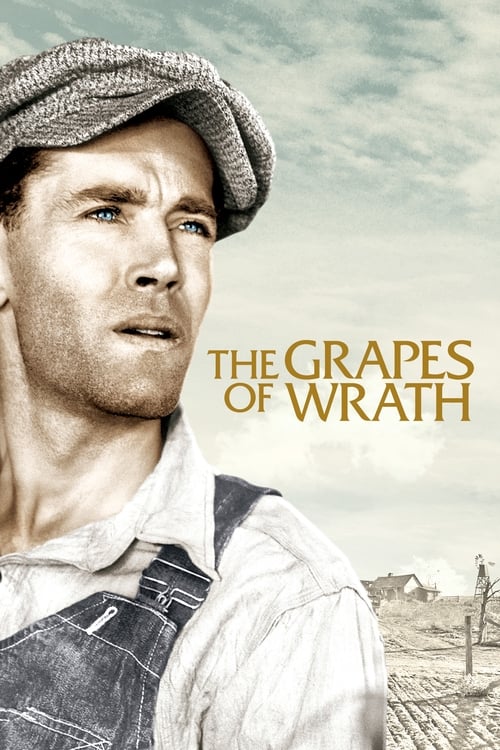
Tom Joad returns to his home after a jail sentence to find his family kicked out of their farm due to foreclosure. He catches up with them on his Uncle’s farm, and joins them the next day as they head for California and a new life... Hopefully.
The Grapes of Wrath

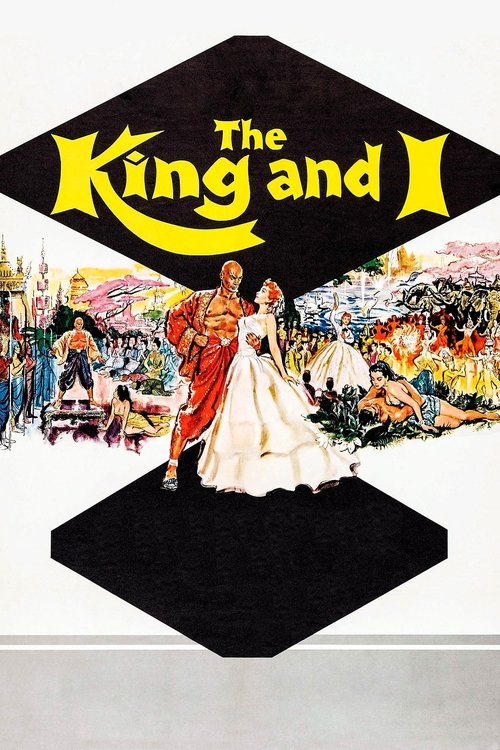
Widowed Welsh mother Anna Leonowens becomes a governess and English tutor to the wives and many children of the stubborn King Mongkut of Siam. Anna and the King have a clash of personalities as she works to teach the royal family about the English language, customs and etiquette, and rushes to prepare a party for a group of European diplomats who must change their opinions about the King.
The King and I

During World War II, a small group of survivors is stranded in a lifeboat together after the ship they were traveling on is destroyed by a German U-boat.
Lifeboat
Presents a filmed, intercontinental conversation that links moderator Edward R. Murrow in New York with three internationally known figures located in different parts of the world. What set this apart from other televised interview/discussion programs was the fact that its participants could not see each other but could hear one another via telephone lines and radio.
Small World

Londoner Harry Fabian is a second-rate con man looking for an angle. After years of putting up with Harry's schemes, his girlfriend, Mary, becomes fed up when he taps her for yet another loan.
Night and the City

The story of Mexican revolutionary Emiliano Zapata, who led a rebellion against the corrupt, oppressive dictatorship of president Porfirio Díaz in the early 20th century.
Viva Zapata!

Two young Chicago hoodlums, Tom Powers and Matt Doyle, rise up from their poverty-stricken slum life to become petty thieves, bootleggers and cold-blooded killers. But with street notoriety and newfound wealth, the duo feels the heat from the cops and rival gangsters both. Despite his ruthless criminal reputation, Tom tries to remain connected to his family, however, gang warfare and the need for revenge eventually pull him away.
The Public Enemy

In eighteenth-dynasty Egypt, Sinuhe, a poor orphan, becomes a brilliant physician and with his friend Horemheb is appointed to the service of the new Pharoah. Sinuhe's personal triumphs and tragedies are played against the larger canvas of the turbulent events of the 18th dynasty. As Sinuhe is drawn into court intrigues he learns the answers to the questions he has sought since his birth.
The Egyptian

In 19th century France, Jean Valjean, a man imprisoned for stealing bread, must flee a relentless policeman named Javert. The pursuit consumes both men's lives, and soon Valjean finds himself in the midst of the student revolutions in France.
Les Misérables

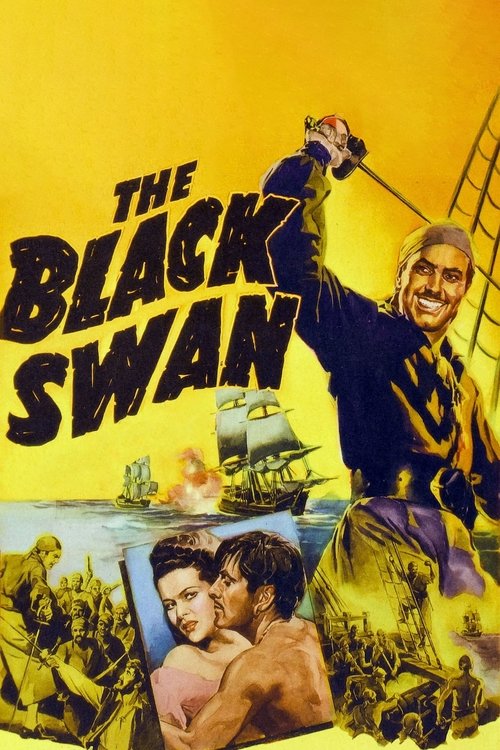
When notorious pirate Henry Morgan is made governor of Jamaica, he enlists the help of some of his former partners in ridding the Caribbean of buccaneers. When one of them apparently abducts the previous governor's pretty daughter and joins up with the rebels, things are set for a fight.
The Black Swan

When Edward Creighton leads the construction of the Western Union to unite East with West, he hires a Western reformed outlaw and a tenderfoot Eastern surveyor. Preserved by the Academy Film Archive in partnership with Twentieth Century Fox Film Corporation in 2000.
Western Union

A small-time hood shoots his way to the top, but how long can he stay there?
Little Caesar

Action-filled drama about a ship captain, ashamed of his background in the slave trade, forced against his will to again transport human cargo.
Slave Ship

A singer marries a famous composer, and after a while she gets the itch to go back on the stage. However, her husband won't let her. When she hears that a popular French singer named "Raquel" is coming to New York, she decides to go to Raquel with a plan--unbeknownst to her husband, "Raquel" is actually her sister, and her plan is for them to switch places so she can fulfill her dream of going back on the stage. However, things don't go quite as planned.