FEEL IT.STREAM
Junya Satō

Junya Satō

Directing

Biography

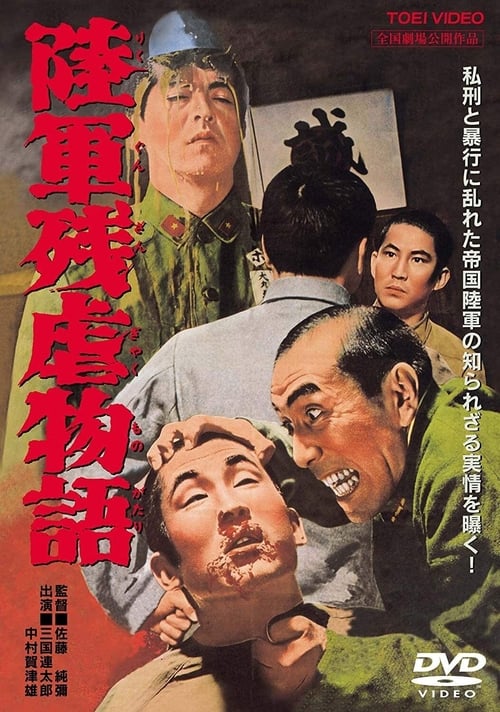
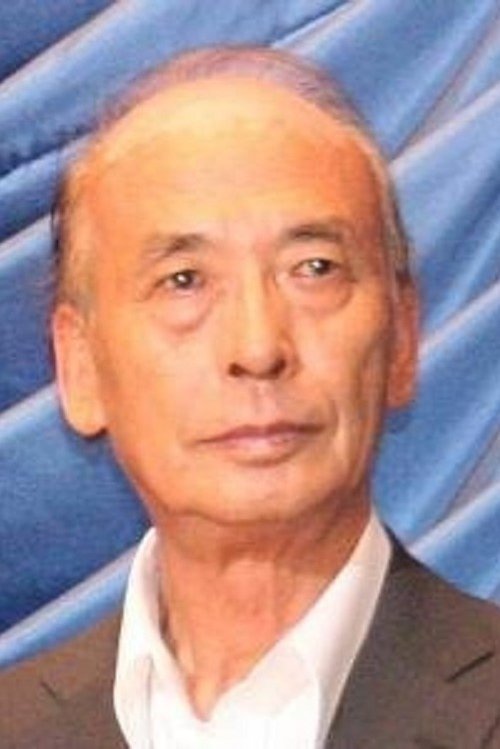
Junya Satō (佐藤 純彌, Satō Jun'ya, 6 November 1932 – 9 February 2019) was a Japanese film director and screenwriter. His son, Tōya Satō (佐藤 東弥, Satō Tōya), is also a film director. Born in Tokyo, Satō graduated from the University of Tokyo in 1956 with a degree in French literature. He joined the Toei studio and worked as an assistant to such directors as Tadashi Imai and Miyoji Ieki. He debuted as a director in 1963 with Rikugun Zangyaku Monogatari, for which he won a best newcomer's award at the Blue Ribbon Awards. While starting in mostly yakuza film, Satō eventually became known for big budget spectaculars. The Go Masters, a China-Japan co-production he co-directed with Duan Jishun, won the grand prize at the Montreal World Film Festival in 1983. He won the Japan Academy Prize for Director of the Year in 1989 for The Silk Road.
Known For

Key Hunter
7.0

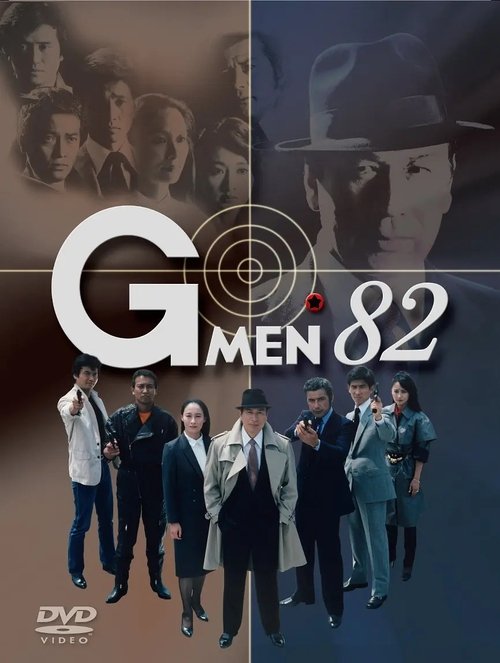
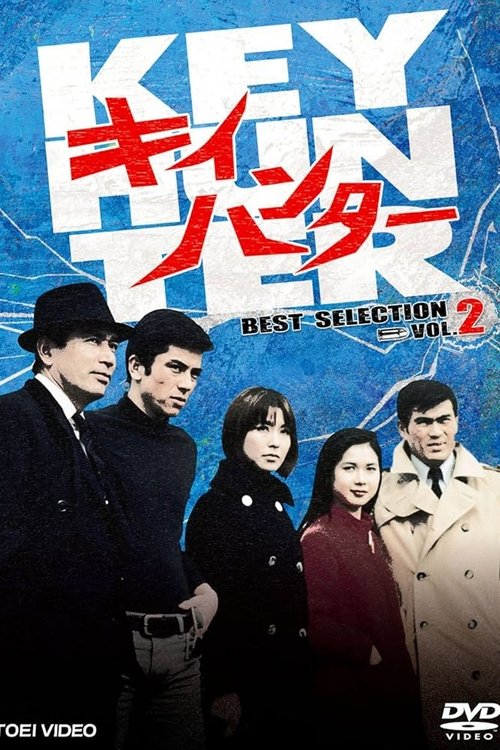
Key Hunter is a prime-time Japanese television detective series. It aired on Saturday nights in the 9:00–9:56 p.m. time slot on the Tokyo Broadcasting System network from April 6, 1968 to April 7, 1973. There were a total of 262 episodes, and it was one of the most popular action dramas in Japan at the time. The story involved "Key Hunter", a special clandestine unit of the International Police, which endeavored to solve various crimes. "Key Hunter" was a unique TV show, which started out as a grand scale spy thriller never before seen in Japan. The episodes were individually themed on global crimes and political strife. The initial hardboiled theme later evolved to include intellectual elements involving action, and occasionally with comical elements as well. Tetsuro Tamba starred in the 1967 film You Only Live Twice as Japanese Secret Service agent Tiger Tanaka, an ally of James Bond. This role greatly influenced his image in "Key Hunter".

Key Hunter

1968Series
The Private Police
7.5

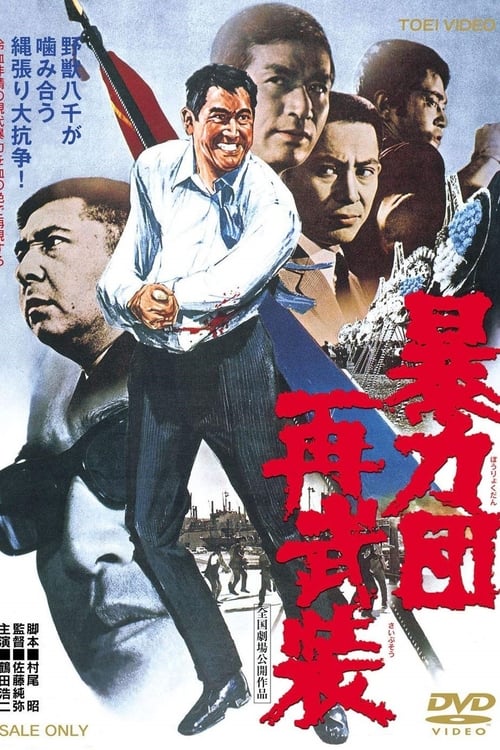
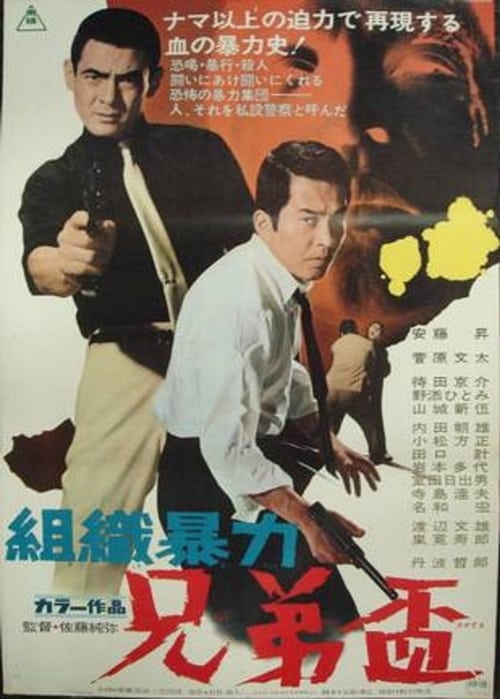
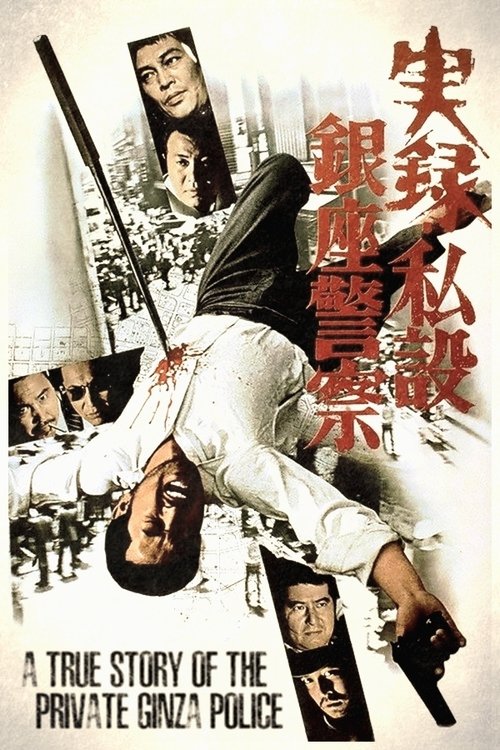
After the war, Kijima (Bunta Sugawara) returns to Tokyo where he meets Ôba (Noboru Andô), an Ex-Kamikaze pilot, and the two ruffians gather hooligans to join their group. In Ginza, the Togawa gang have taken over Sakurada's territory. After several fights Kijima and Ôba gain control of the territory by chasing out the notorious Togawa Group in the name of Sakurada. But Kijima is arrested for assaulting an American soldier. A few years pass. Kijima has served his prison term and the sears of war have been erased from Ginza. Ôba is now president of a company specializing in collection of bad debts, cheque frauds and everything that means money. People call their organization the “Private Police,” and Kijima begins to work for Ôba. Now the Takegami gang waits a chance to seize the Ginza territory.

The Private Police

1969Movie
The Go Masters
6.6

Ten years before the outbreak of the Second World War in Asia, a Japanese Go master and his Chinese rival meet in China to play a game of Go (loosely described as an Asian version of chess). It soon becomes evident that the Chinese master's son is the most talented player that the Japanese master has ever encountered, and he convinces the boy's father to let him bring the child back to Japan to train him as a professional Go player. Years pass, and as the young Chinese master grows to maturity in Japan, the Japanese invasion of China forces him to choose between his triumphant career and his loyalty to his native country. His decision is complicated by his marriage to the daughter of the Japanese master, with whom he has produced a child. His choice will profoundly alter the lives of two families. Their saga serves as a reflection of the tragic relations between their two great countries, and the possibility of reconciliation and healing.

The Go Masters

1982Movie