FEEL IT.STREAM
John Ford

John Ford

Directing

Biography

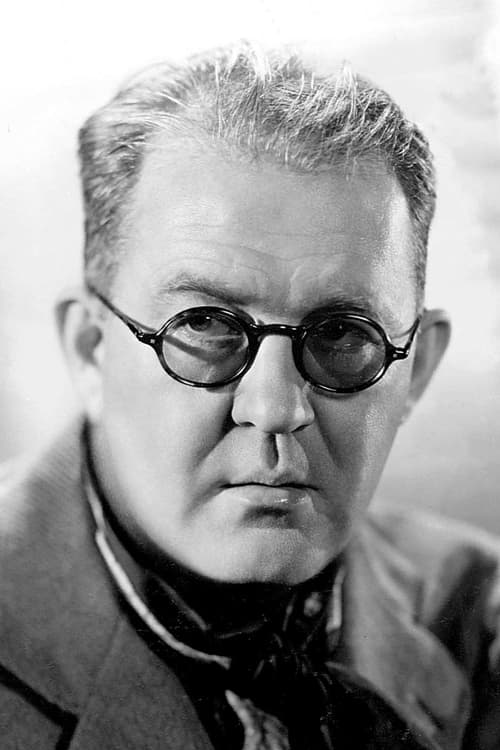
John Ford (February 1, 1894 – August 31, 1973) was an American film director. He was famous for both his westerns such as Stagecoach (1939), The Searchers (1956), and The Man Who Shot Liberty Valance (1962), and adaptations of such classic 20th-century American novels as The Grapes of Wrath (1940). His four Academy Awards for Best Director (1935, 1940, 1941, 1952) is a record, and one of those films, How Green Was My Valley (1941), also won Best Picture. In a career that spanned more than 50 years, Ford directed more than 140 films (although nearly all of his silent films are now lost) and he is widely regarded as one of the most important and influential filmmakers of his generation. Ford's films and personality were held in high regard by his colleagues, with Ingmar Bergman and Orson Welles among those who have named him as one of the greatest directors of all time. In particular, Ford was a pioneer of location shooting and the long shot which frames his characters against a vast, harsh and rugged natural terrain.
Known For

Wagon Train
6.6

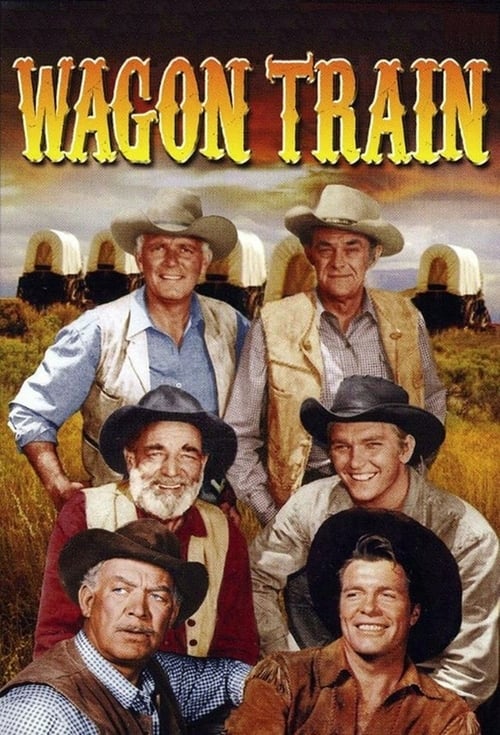
The series initially starred veteran movie supporting actor Ward Bond as the wagon master, later replaced upon his death by John McIntire, and Robert Horton as the scout, subsequently replaced by lookalike Robert Fuller a year after Horton had decided to leave the series. The series was inspired by the 1950 film Wagon Master directed by John Ford and starring Ben Johnson, Harry Carey Jr. and Ward Bond, and harkens back to the early widescreen wagon train epic The Big Trail starring John Wayne and featuring Bond in his first major screen appearance playing a supporting role. Horton's buckskin outfit as the scout in the first season of the television series resembles Wayne's, who also played the wagon train's scout in the earlier film.

Wagon Train

1957
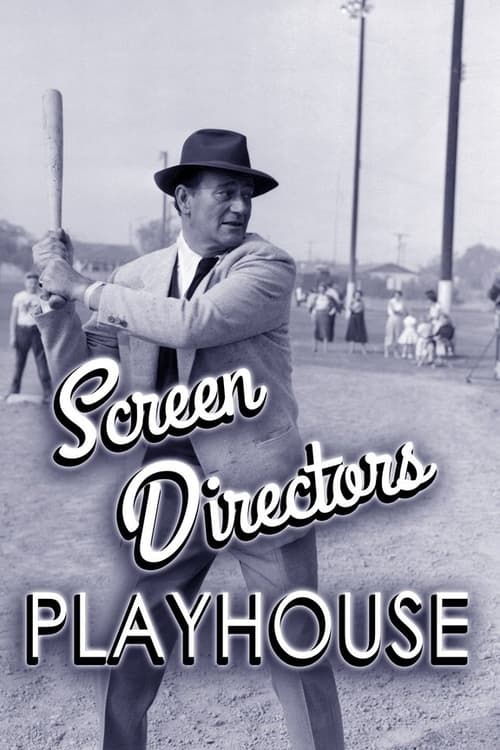
Screen Director's Playhouse
7.0

Presented by Eastman Kodak, this show was a series of original scripts directed by acclaimed directors and featuring well-known performers. The stories ranged from musicals to comedies and dramas.

Screen Director's Playhouse

1955
Unforgiven
7.9

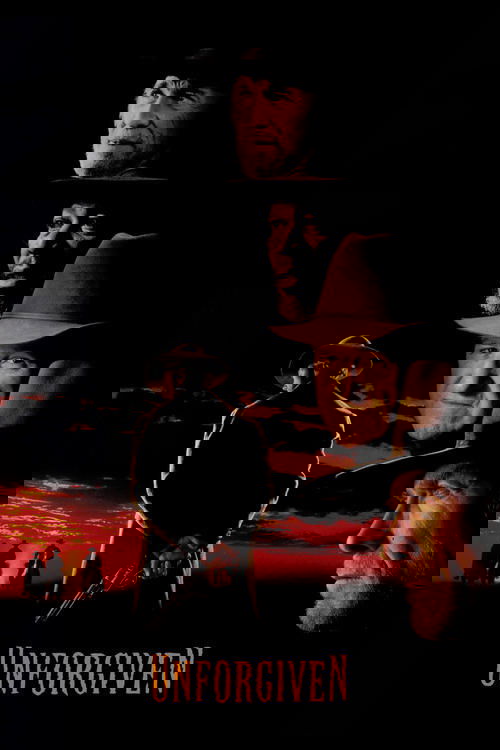
William Munny is a retired, once-ruthless killer turned gentle widower and hog farmer. To help support his two motherless children, he accepts one last bounty-hunter mission to find the men who brutalized a prostitute. Joined by his former partner and a cocky greenhorn, he takes on a corrupt sheriff.

Unforgiven

1992
Alcoa Premiere
6.0

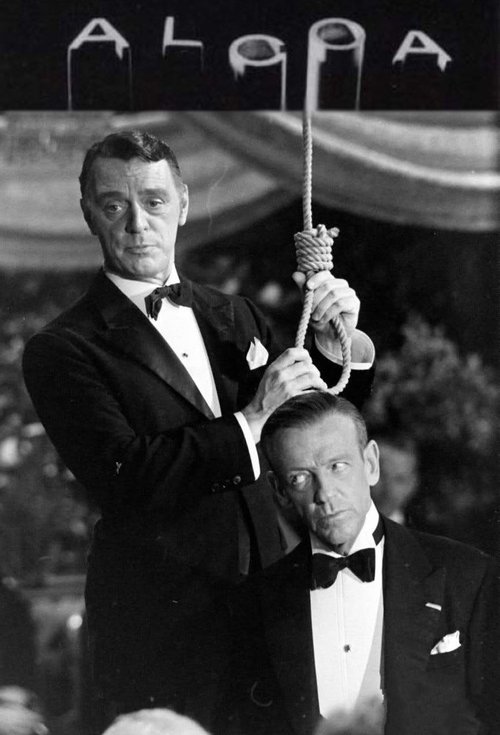
Alcoa Premiere is an American anthology drama series that aired from October 1961 to July 1963 on ABC. The series was hosted by Fred Astaire, directed by Norman Lloyd and executive produced by Alfred Hitchcock.

Alcoa Premiere

1961
The American Film Institute Salute to ...
6.3

In 1973 the American Film Institute initiated its Life Achievement Award, to be presented to a yearly recipient whose talent has fundamentally advanced the film art; whose accomplishments have been acknowledged by scholars, critics, professional peers and the general public; and whose work has stood the test of time.

The American Film Institute Salute to ...

1973
The Man Who Shot Liberty Valance
7.8

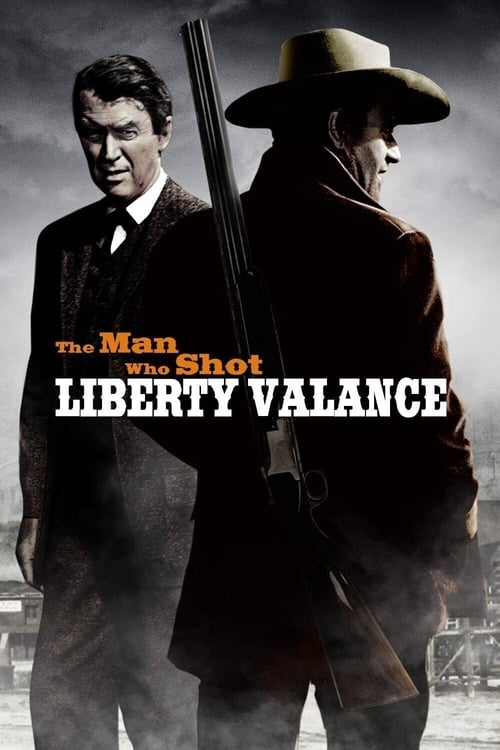
Questions arise when Senator Stoddard attends the funeral of a local man named Tom Doniphon in a small Western town. Flashing back, we learn Doniphon saved Stoddard, then a lawyer, when he was roughed up by a crew of outlaws terrorizing the town, led by Liberty Valance. As the territory's safety hung in the balance, Doniphon and Stoddard, two of the only people standing up to him, proved to be very important, but different, foes to Valance.

The Man Who Shot Liberty Valance

1962
The Searchers
7.7

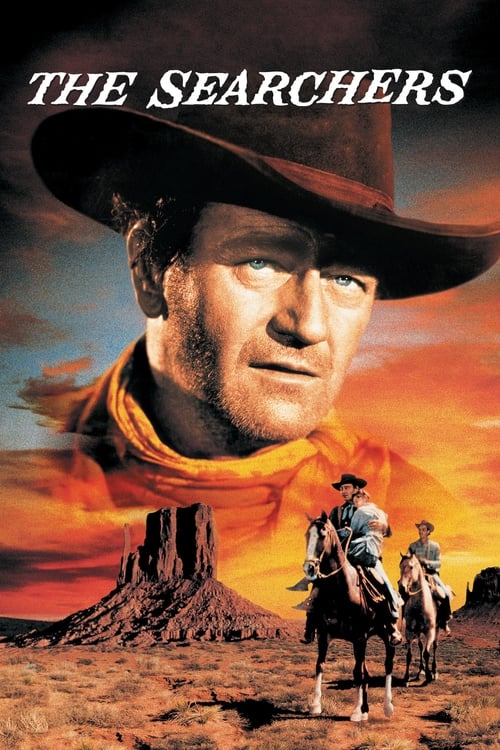
As a Civil War veteran spends years searching for a young niece captured by Indians, his motivation becomes increasingly questionable.

The Searchers

1956
Stagecoach
7.6

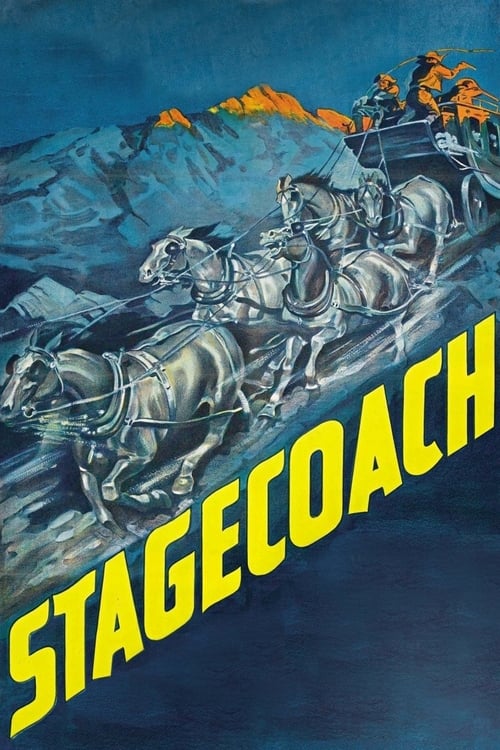
A group of people traveling on a stagecoach find their journey complicated by the threat of Geronimo, and learn something about each other in the process.

Stagecoach

1939
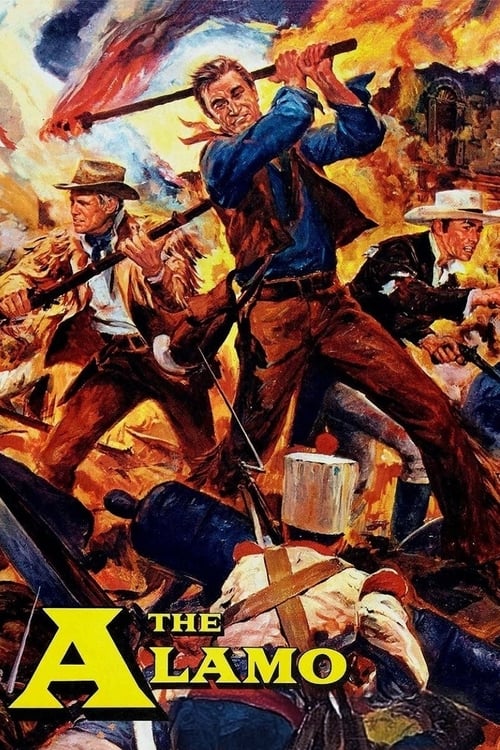
The Alamo
7.1

The legendary true story of a small band of soldiers who sacrificed their lives in hopeless combat against a massive army in order to prevent a tyrant from smashing the new Republic of Texas.

The Alamo

1960
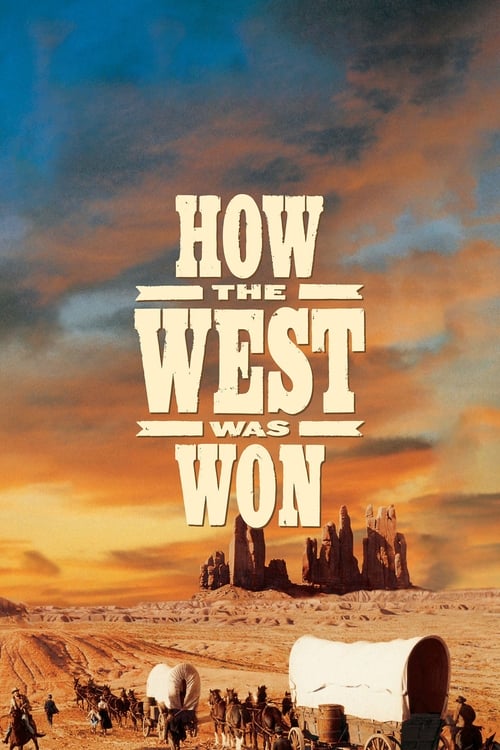
How the West Was Won
7.0

The epic tale of the development of the American West from the 1830s through the Civil War to the end of the century, as seen through the eyes of one pioneer family.

How the West Was Won

1962
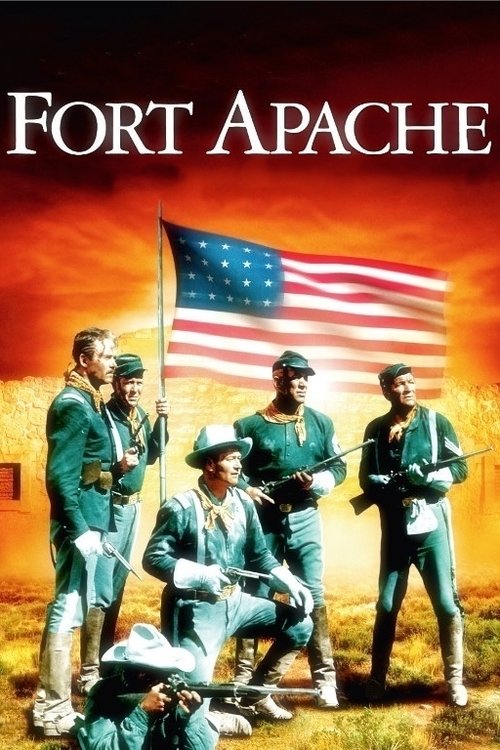
Fort Apache
7.0

Owen Thursday sees his new posting to the desolate Fort Apache as a chance to claim the military honour which he believes is rightfully his. Arrogant, obsessed with military form and ultimately self-destructive, he attempts to destroy the Apache chief Cochise after luring him across the border from Mexico, against the advice of his subordinates.

Fort Apache

1948
She Wore a Yellow Ribbon
6.9

On the eve of retirement, Captain Nathan Brittles takes out a last patrol to stop an impending massive Indian attack. Encumbered by women who must be evacuated, Brittles finds his mission imperiled.

She Wore a Yellow Ribbon

1949
Mister Roberts
7.1

Mr. Roberts is a Navy officer who's yearning for battle but is stuck in the backwaters of World War II on a non-commissioned ship run by the bullying Captain Morton.

Mister Roberts

1955
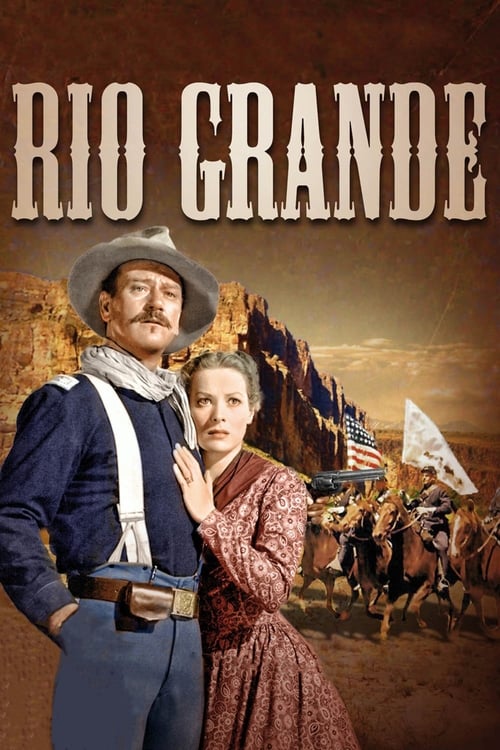
Rio Grande
6.8

Lt. Col. Kirby Yorke is posted on the Texas frontier to defend settlers against depredations of marauding Apaches. Col. Yorke is under considerable stress by a serious shortage of troops of his command. Tension is added when Yorke's son (whom he hasn't seen in fifteen years), Trooper Jeff Yorke, is one of 18 recruits sent to the regiment.

Rio Grande

1950
The Grapes of Wrath
7.8

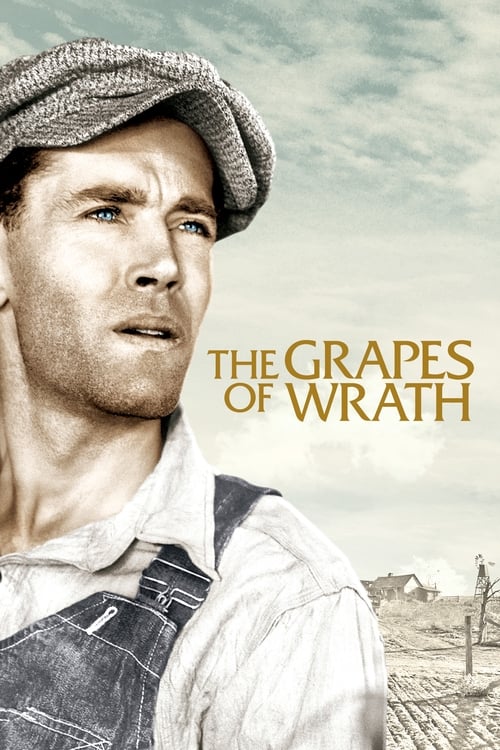
Tom Joad returns to his home after a jail sentence to find his family kicked out of their farm due to foreclosure. He catches up with them on his Uncle’s farm, and joins them the next day as they head for California and a new life... Hopefully.

The Grapes of Wrath

1940
The Quiet Man
7.3

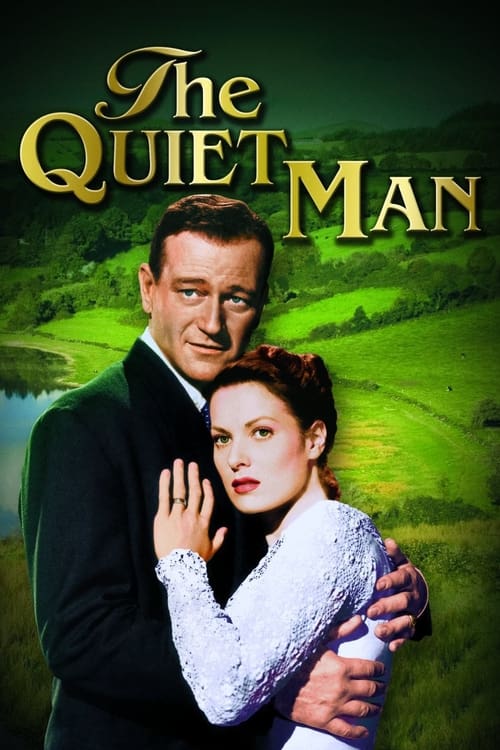
An American man returns to the village of his birth in Ireland, where he finds love and conflict.

The Quiet Man

1952
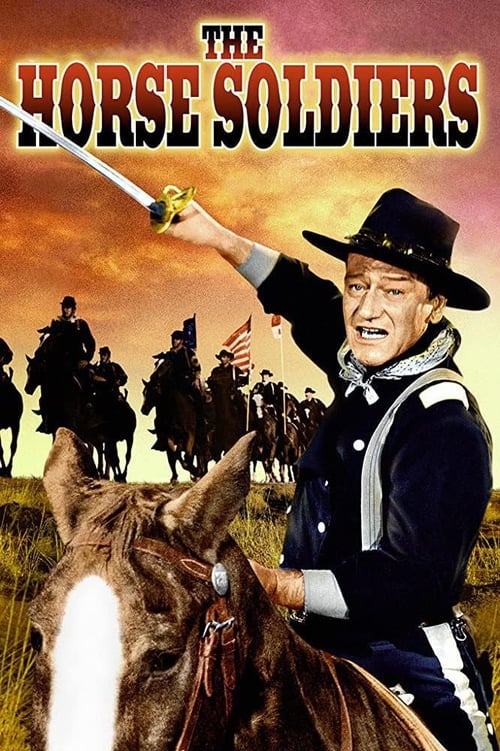
The Horse Soldiers
7.0

A Union Cavalry outfit is sent behind confederate lines in strength to destroy a rail supply center. Along with them is sent a doctor who causes instant antipathy between him and the commander. The secret plan for the mission is overheard by a southern belle who must be taken along to assure her silence.

The Horse Soldiers

1959
Cheyenne Autumn
6.7

A reluctant cavalry Captain must track a defiant tribe of migrating Cheyenne.

Cheyenne Autumn

1964
They Were Expendable
6.5

After a demonstration of new PT boats, Navy brass are still unconvinced of their viability in combat, leaving Lt. "Rusty" Ryan frustrated. After the attack on Pearl Harbor, however, Ryan and his buddy Lt. Brickley are told they can finally take their squadron into battle. The PT boats quickly prove their worth, successfully shooting down Japanese planes, relaying messages between islands, and picking off a multitude of enemy ships.

They Were Expendable

1945
The Birth of a Nation
6.0

Two families, abolitionist Northerners the Stonemans and Southern landowners the Camerons, intertwine. When Confederate colonel Ben Cameron is captured in battle, nurse Elsie Stoneman petitions for his pardon. In Reconstruction-era South Carolina, Cameron founds the Ku Klux Klan, battling Elsie's congressman father and his African-American protégé, Silas Lynch.

The Birth of a Nation

1915