Writing
Play for Today is a British television anthology drama series, produced by the BBC and transmitted on BBC1 from 1970 to 1984. During the run, more than three hundred programmes, featuring original television plays, and adaptations of stage plays and novels, were transmitted. The individual episodes were between fifty and a hundred minutes in duration.
American Playhouse is an anthology television series periodically broadcast by Public Broadcasting Service in the United States.
ITV Playhouse is a British comedy-drama TV series that ran from 1967 to 1983, which featured contributions from playwrights such as Dennis Potter, Rhys Adrian and Alan Sharp. The series began in black and white, but was later shot in colour and was produced by various companies for the ITV network, a format that would inspire Dramarama. Actors appearing in the series included Leslie Anderson, Gwen Nelson, Ricky Alleyne, Pat Heywood, Michael Elphick, Ian Hendry, Edward Woodward, Margaret Lockwood, Jessie Matthews and Lloyd Peters.
A one-hour anthology television series of one-off contemporary and classic dramas produced by the BBC.
An anthology of short plays shown on BBC Television between 1965 and 1973, used in part at least as a training ground for new writers, on account of its short length, and which therefore attracted many writers who later became well known.
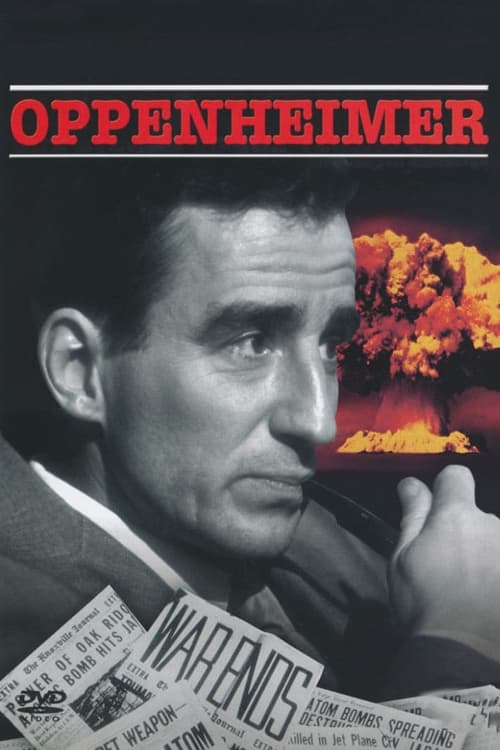
Spanning 1938 to 1953, theoretical physicist Robert Oppenheimer leads the effort to develop the atom bomb during the Second World War. When revealed, his work initially makes him a hero in the United States, but an ever-changing world soon sees him recast as a security risk.
Ten years after ratting on his old mobster friends in exchange for personal immunity, two hit men drive a hardened criminal to Paris for his execution. However, while on the way, whatever can go wrong, does go wrong.
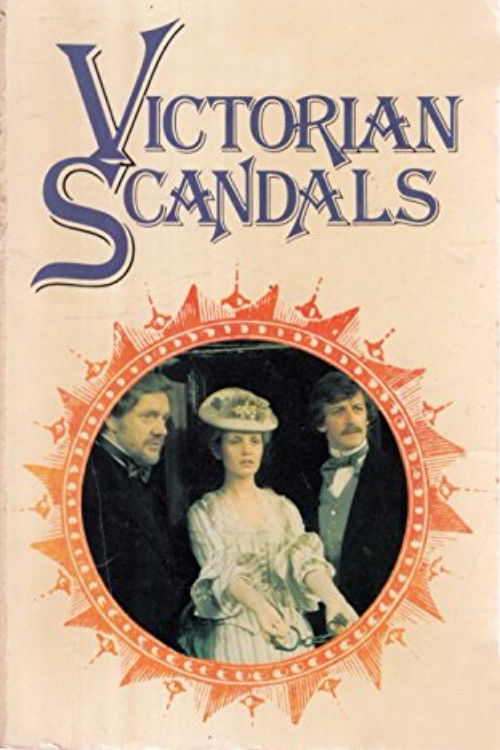
Featuring dramatised versions of true stories that shocked mainstream Victorian society.
A young man volunteers to work with a children's play group in a deprived London area. Adapted by Peter Prince from his own novel.
A comedy about the law - seen from the inside. All formality and procedure on the surface but not quite so convincing when you see the works.
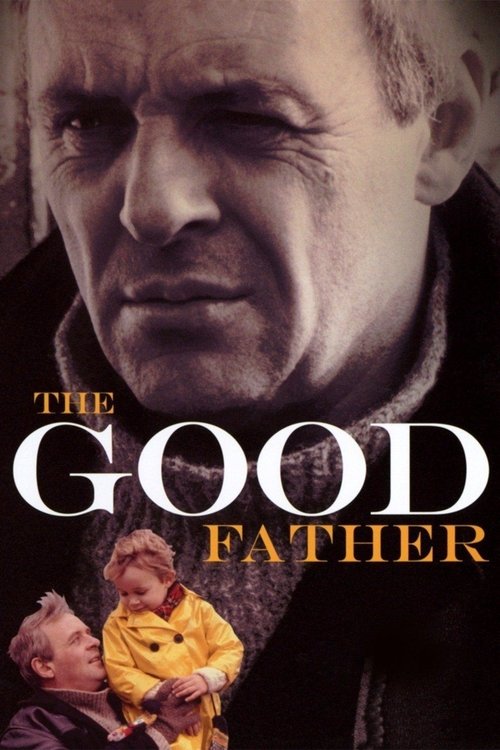
Bill is a man who's very bitter about his divorce and losing custody of his son. So, when one of his friends is being sued for divorce by his wife so that she can enter a lesbian relationship, Bill decides to help his friend gain custody of his son...in any way that they can devise, including using a sleazeball lawyer. But while Bill feels that feminism has robbed him of his family, he begins to be appalled at what he and Roger have done.
The story of a mentally anguished high school history teacher going through a complete reassessment of his life. His method for reassessing his life is to narrate it to his class and interweave in it three generations of his family's history.
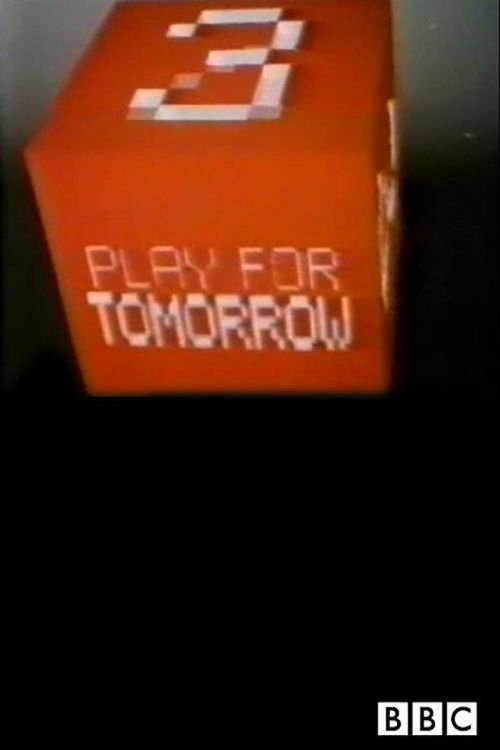
Play for Tomorrow is a British television anthology science fiction series, produced by the BBC and transmitted on BBC1 in 1982. It spun off from the anthology drama series Play for Today after the success of The Flipside of Dominick Hide on that strand. Each of the six episodes paints a vision of life in a future year, near the end of the 20th Century or at the beginning of the 21st.
A beautiful Chilean exile called Tina is stranded in a new country.
A 1976 play concerning an unemployed school leaver becomes involved with professional car thieves. Part of the ITV Playhouse strand.
Kevin's wife walked out and left him holding the baby – no sleep, dirty nappies, and a career in pop music at risk. And ahead lies a visit to the clinic. Will Kevin succeed as a mother?
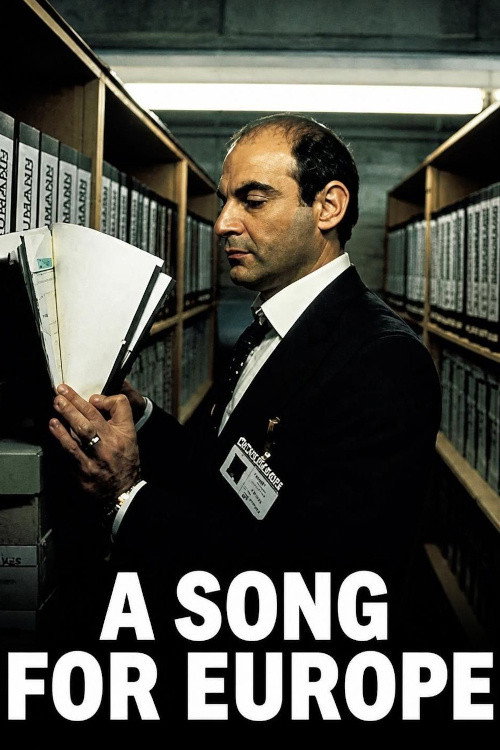
Steven Dyer, an executive working for a giant multinational drugs company, decides to report his employer for breaches of Common Market trading regulations. One night in Basle, Switzerland, he leaves his home to post a letter, the start of a nightmare journey that leads to terrible consequences for his life, his career and for his wife and children.
1999: Examination of family life and political ideals in a war-ravaged future Europe, compared and contrasted with ’60s equivalents.