FEEL IT.STREAM
Ruth White

Ruth White

Acting

Biography

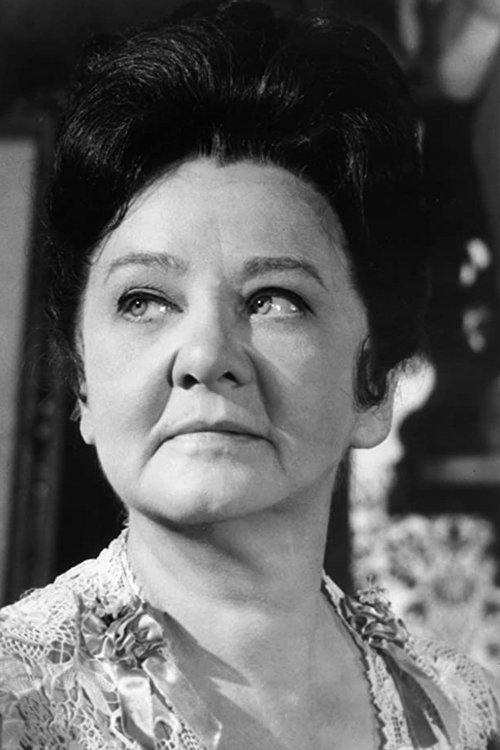
Ruth Patricia White (April 24, 1914 – December 3, 1969) in Perth Amboy, New Jersey, USA as Ruth Patricia White. She was an actress, known for Du silence et des ombres... (1962),Macadam cowboy (1969) and Pendez-les haut et court (1968). She died on December 3, 1969 in Perth Amboy. Her death, from cancer, was sudden and unexpected. She spent the final decade of her life as one of New York's most highly praised character actresses. She had sacrificed her career to care for an ailing parent, and when she returned to acting, she was in her mid-30s, overweight and without much promise of reviving her career. However, she scored great successes in the off-Broadway plays of Samuel Beckett (most notably "Happy Days"), appeared in Edward Albee's "Malcolm" (1966) and "Box" (1968), and earned a Tony nomination for her role in Harold Pinter's "The Birthday Party" (1968). She earned an Emmy nomination for her role in the Hallmark Hall of Fame production of "Little Moon of Alban".

Known For

The Fugitive
7.3

Richard Kimble is falsely convicted of his wife's murder and given the death penalty. En route to death row, Kimble's train derails and crashes, allowing him to escape and begin a cross-country search for the real killer, a "one-armed man". At the same time, Dr. Kimble is hounded by the authorities, most notably dogged by Police Lieutenant Philip Gerard.

The Fugitive

1963
The Twilight Zone
8.5

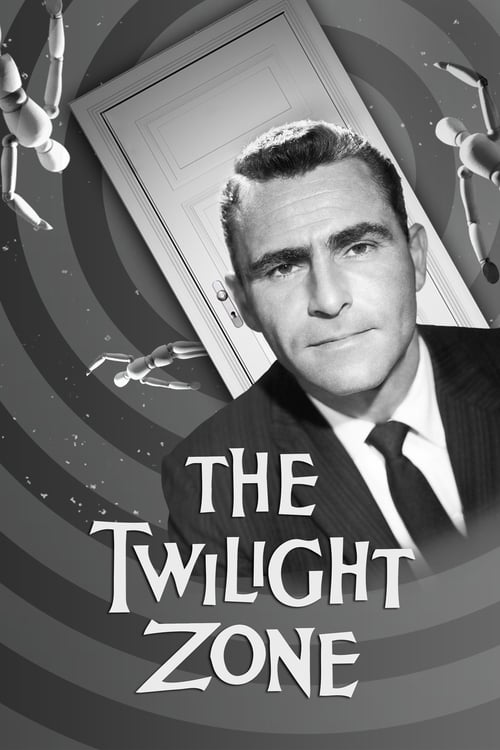
An anthology series containing drama, psychological thriller, fantasy, science fiction, suspense, and/or horror, often concluding with a macabre or unexpected twist.

The Twilight Zone

1959
Dr. Kildare
5.7

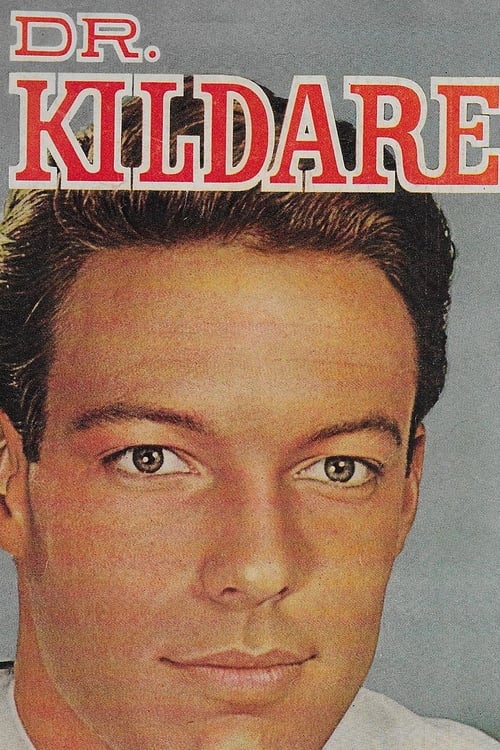
The story of a young intern in a large metropolitan hospital trying to learn his profession, deal with the problems of his patients, and win the respect of the senior doctor in his specialty, internal medicine.

Dr. Kildare

1961
No image
5.9

No description available.

Bob Hope Presents the Chrysler Theatre

1963
Ben Casey
5.9

No description available.

Ben Casey

1961
Studio One
5.4

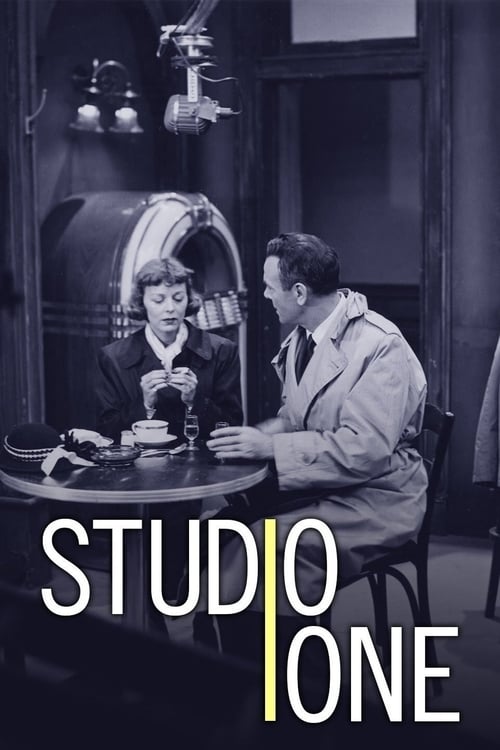
An American radio–television anthology series, created in 1947 by Canadian director Fletcher Markle, who came to CBS from the CBC. Studio One, presented by Westinghouse, was one of the first of the anthology TV programs. The episodes were often abridged remakes of movies from years gone by and many future well-known television and movie actors appeared in the productions.

Studio One

1948
The Untouchables
7.9

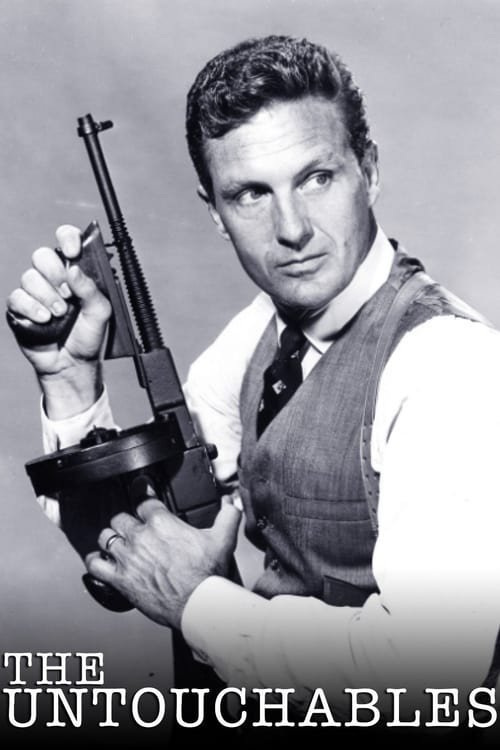
Special Agent Eliot Ness and his elite team of incorruptible agents battle organized crime in 1930s Chicago.

The Untouchables

1959
Naked City
5.7

Naked City is a police drama series which aired from 1958 to 1963 on the ABC television network. It was inspired by the 1948 motion picture of the same name, and mimics its dramatic “semi-documentary” format. In 1997, the episode “Sweet Prince of Delancey Street” was ranked #93 on TV Guide’s “100 Greatest Episodes of All Time”.

Naked City

1958
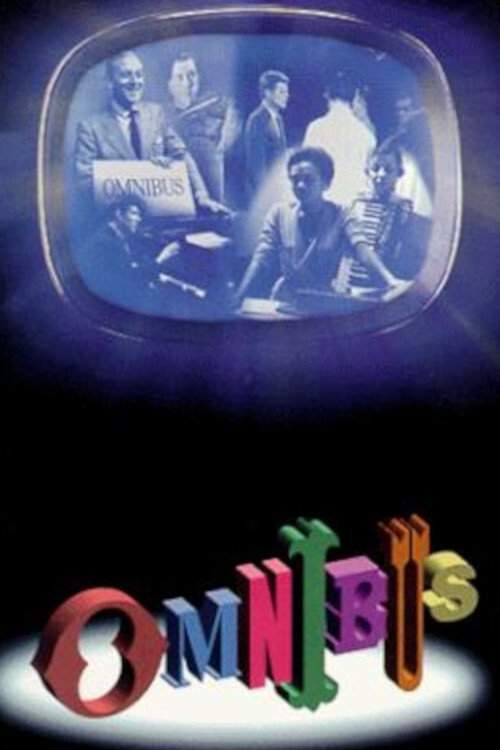
Omnibus
6.3

Omnibus is an American, commercially sponsored, educational television series.

Omnibus

1952
Kraft Television Theatre
7.8

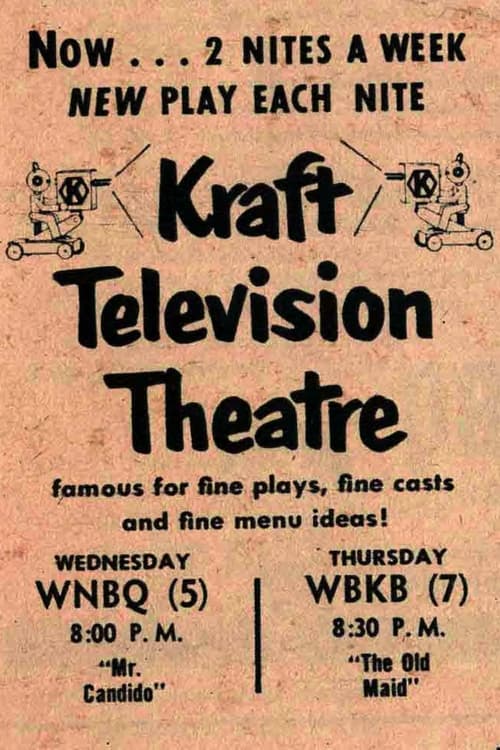
Kraft Television Theater is an American, well-received anthology series presenting live television dramas.

Kraft Television Theatre

1947
Goodyear Television Playhouse
6.0

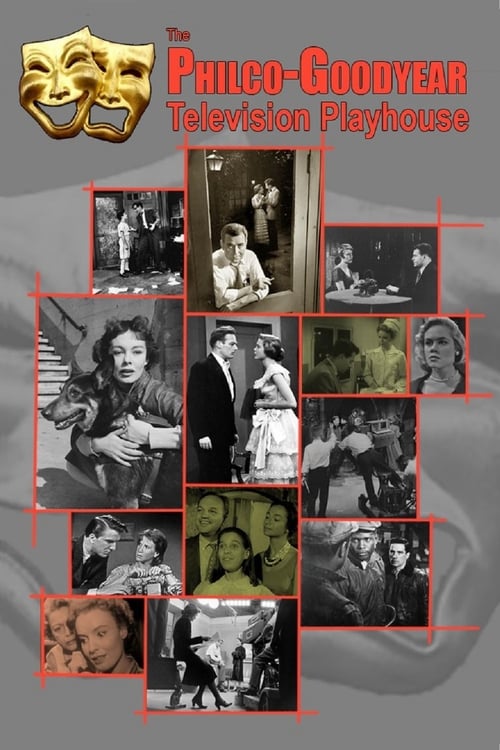
The Goodyear Television Playhouse is an American anthology series that was telecast live on NBC from 1951 to 1957 during the "Golden Age of Television". Sponsored by Goodyear, Goodyear alternated sponsorship with Philco, and the Philco Television Playhouse was seen on alternate weeks. In 1955, the title was shortened to The Goodyear Playhouse and it aired on alternate weeks with The Alcoa Hour. The three series were essentially the same, with the only real difference being the name of the sponsor. Producer Fred Coe nurtured and encouraged a group of young, mostly unknown writers that included Robert Alan Aurthur, George Baxt, Paddy Chayefsky, Horton Foote, Howard Richardson, Tad Mosel and Gore Vidal. Notable productions included Chayefsky's Marty starring Rod Steiger, Chayefsky's The Bachelor Party, Vidal's Visit to a Small Planet, Richardson's Ark of Safety and Foote's The Trip to Bountiful. From 1957 to 1960, it became a taped, half-hour series titled Goodyear Theater, seen on Mondays at 9:30pm.

Goodyear Television Playhouse

1951
ABC Stage 67
6.8

ABC Stage 67 is the umbrella title for a series of 26 weekly shows that included dramas, variety shows, documentaries, and original musicals. It premiered on American Broadcasting Company on September 14, 1966 with Murray Schisgal's The Love Song of Barney Kempinksi, directed by Stanley Prager and starring Alan Arkin as a man enjoying the sights and sounds of New York City in his last remaining hours of bachelorhood. Arkin was nominated for an Emmy Award for Outstanding Single Performance By An Actor in a Leading Role in a Drama and the program was nominated as Outstanding Dramatic Program. Future programs included appearances by Petula Clark, Bobby Darin, Sir Laurence Olivier, Albert Finney, Peter Sellers, David Frost, and Jack Paar. ABC's effort to bring culture to the masses was a noble but unsuccessful experiment. Scheduled first against I Spy on Wednesdays and then The Dean Martin Show on Thursdays, the show consistently received low ratings. Its last production, an adaptation of Jean Cocteau's one-woman play The Human Voice starring Ingrid Bergman, aired on May 4, 1967. "Stage 67" was not actually a part of the primary ABC facilities in Los Angeles. It was produced at the old Monogram Studios backlot that was later sold to KCET.

ABC Stage 67

1966
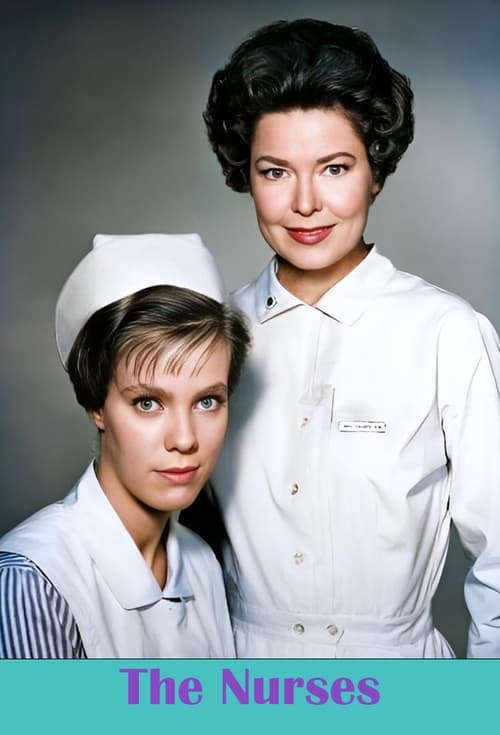
The Nurses
5.8

The Nurses is a serialized primetime medical drama which aired on CBS from September 27, 1962 to May 11, 1965. It was originally called The Nurses when it premiered in 1962; for the second season, the title was expanded to The Doctors and the Nurses and it ran until 1965, when it was transformed into a half-hour daytime soap opera. The soap opera, also called The Nurses, ran on ABC from 1965 to 1967.

The Nurses

1962
DuPont Show of the Month
7.4

DuPont Show of the Month is an acclaimed 90-minute television anthology series that aired monthly on CBS from 1957 to 1961. The DuPont Company also sponsored a weekly half-hour anthology drama series hosted by June Allyson, The DuPont Show with June Allyson. During the Golden Age of Television, DuPont Show of the Month was one of numerous anthology series telecast between 1949 and 1962. Superficially, it resembled Playhouse 90 and other anthologies, but DuPont Show of the Month focused less on contemporary dramas and more on adaptations of literary classics, including Oliver Twist, The Prince and the Pauper, Billy Budd, The Prisoner of Zenda, A Tale of Two Cities and The Count of Monte Cristo.

DuPont Show of the Month

1957
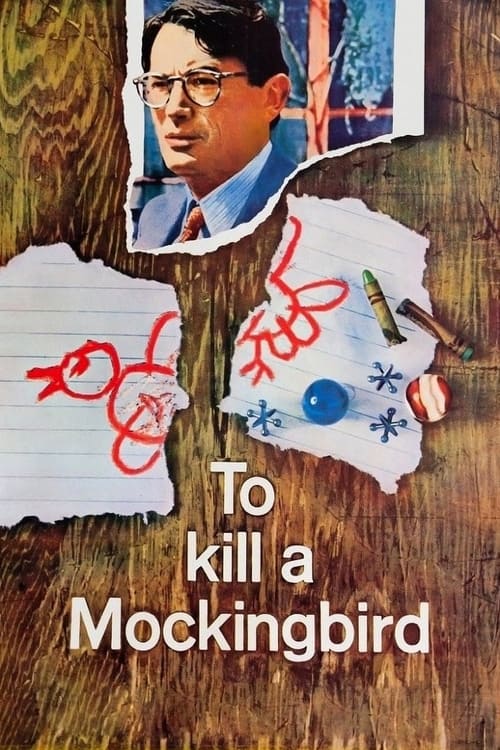
To Kill a Mockingbird
8.0

Scout Finch, 6, and her older brother Jem live in sleepy Maycomb, Alabama, spending much of their time with their friend Dill and spying on their reclusive and mysterious neighbor, Boo Radley. When Atticus, their widowed father and a respected lawyer, defends a black man named Tom Robinson against fabricated rape charges, the trial and tangent events expose the children to evils of racism and stereotyping.

To Kill a Mockingbird

1962
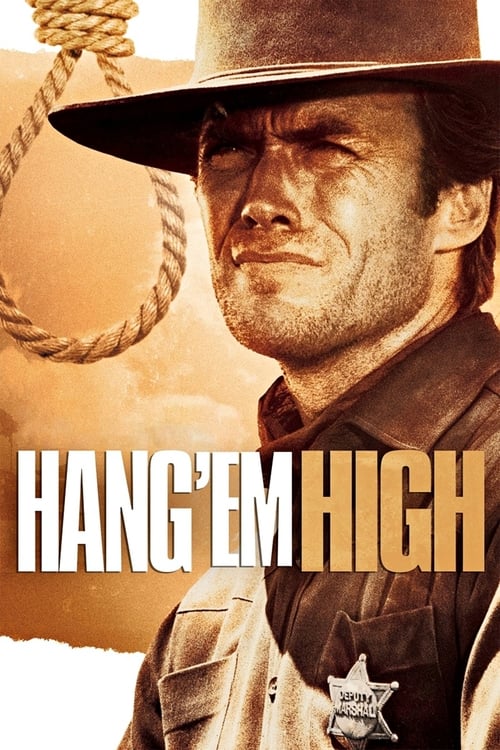
Hang 'em High
6.8

Marshall Jed Cooper survives a hanging, vowing revenge on the lynch mob that left him dangling. To carry out his oath for vengeance, he returns to his former job as a lawman. Before long, he's caught up with the nine men on his hit list and starts dispensing his own brand of Wild West justice.

Hang 'em High

1968
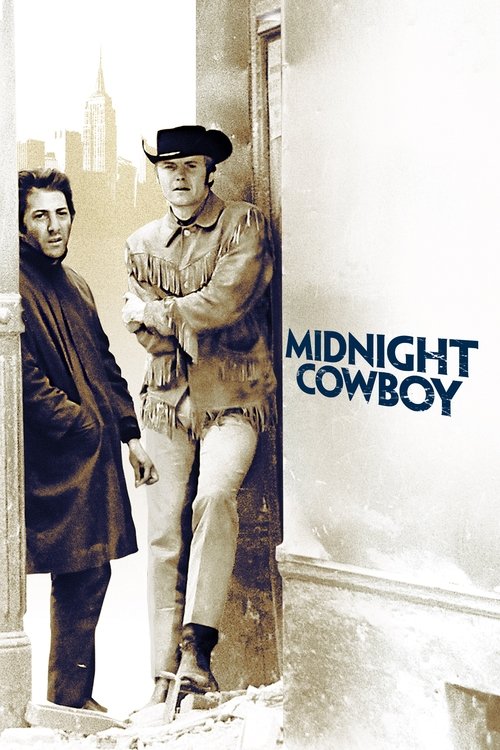
Midnight Cowboy
7.5

Joe Buck is a wide-eyed hustler from Texas hoping to score big with wealthy New York City women; he finds a companion in Enrico "Ratso" Rizzo, an ailing swindler with a bum leg and a quixotic fantasy of escaping to Florida.

Midnight Cowboy

1969
Hallmark Hall of Fame
8.8

Long-running anthology program sponsored by Hallmark Cards. Beginning in 1951 and continuing into 2019, the series received 80 Emmy Awards, 24 Christopher Awards, 11 Peabody Awards, 9 Golden Globes, and 4 Humanitas Prizes. Early seasons were a weekly live drama, eventually transitioning to videotaped and then filmed productions broadcast as occasional specials.

Hallmark Hall of Fame

1951
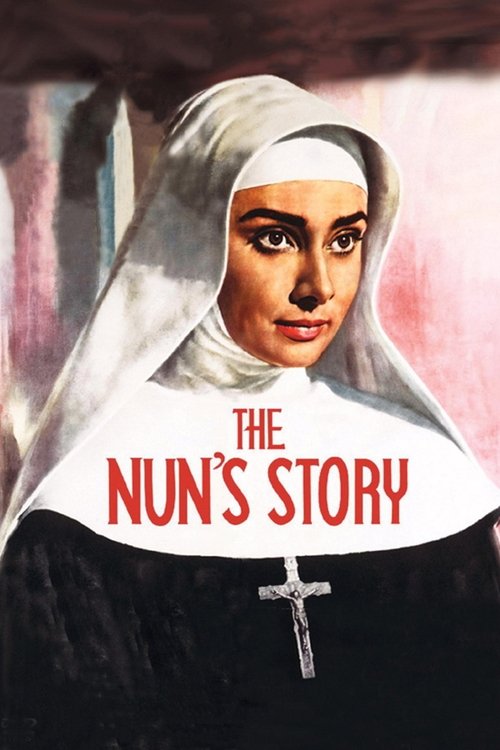
The Nun's Story
7.2

After leaving a wealthy Belgian family to become a nun, Sister Luke struggles with her devotion to her vows during crisis, disappointment, and World War II.

The Nun's Story

1959
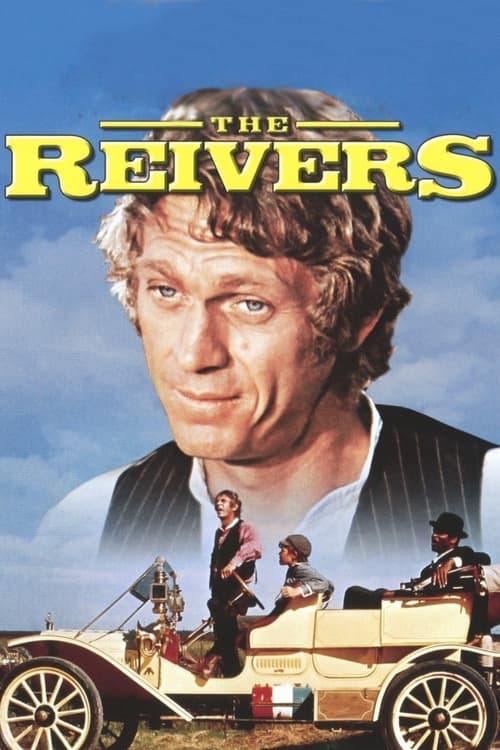
The Reivers
6.4

In turn-of-the-century Mississippi, an 11-year-old boy comes of age as two mischievous adult friends talk him into sneaking the family car out for a trip to Memphis and a series of adventures.

The Reivers

1969