Kim Dong-won
Directing
Biography
KIM Dong-won is like a godfather to Korean documentaries. As the leader of [PURN Production], a documentary production house that focused on unearthing the contradictions of Korean society from a progressive viewpoint. Purporting to make “good,” rather than “fun” movies, his camera zoomed straight in on the dark corners of the society, places full of contradictions, and refuges of the socially disadvantaged. KIM’s works provided textbook examples to Korea’s documentary directors that followed in his footsteps. His debut movie, < Sangye-dong Olympics >(1987), deals with people of Sangye-dong, an area of Seoul that was torn down by the government only because the area was “not easy on eyes” in the years leading up to the Seoul Olympics of 1988. In < Repatriation >(2004), arguably his best work, KIM Dong-won’s camera followed in breathing distance the lives of unconverted long-term pro-North Korea prisoners in South Korean jails. Devoid of any traces of exaggeration or direction, < Repatriation > shows the power of a documentary by capturing the essence of the subjects through long and candid takes.
Known For
KBS 1TV Special documentary on the 30th anniversary of the 1988 Seoul Olympics
88/18
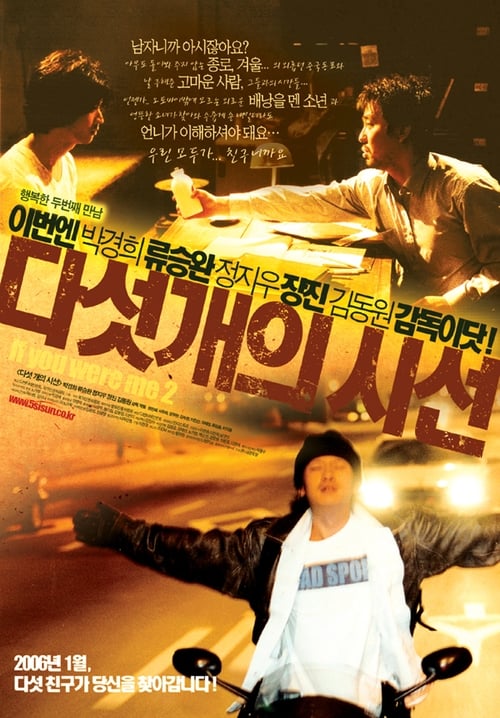
Commissioned by South Korea's National Human Rights Commission, If You Were Me is an innovative omnibus film project to promote tolerance and human rights and shed light on the hardships disadvantaged people face in Korea. After the success of the first anthology, a second series, If You Were Me 2, was released this year. Five notable Korean directors - Park Kyung Hee (A Smile), Ryoo Seung Wan (Crying Fist), Jung Ji Woo, Jang Jin (Guns & Talks), and Kim Dong Won - participated in the second installment, creating shorts on human rights issues of their choosing.
If You Were Me 2
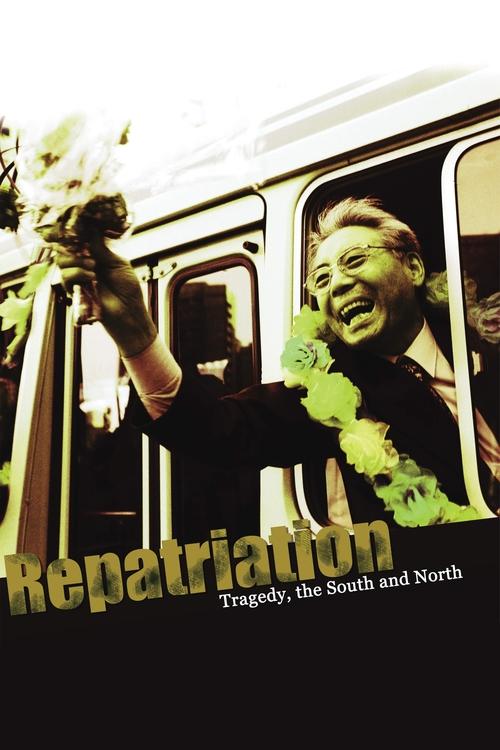
In 1992, political prisoners from North Korea settled in the South Korean town where filmmaker Dong-won Kim lived. Sent to South Korea as spies during the war, they spent 30 years in jail. How did they endure the many years of torture? What will become of them now that they have been released? Twelve years in the making, Repatriation is a very personal view of a country divided by an ongoing cold war.
Repatriation
The happy lives of Haengdang-dong residents are overturned when their land is slated for redevelopment.
Haengdang-dong People
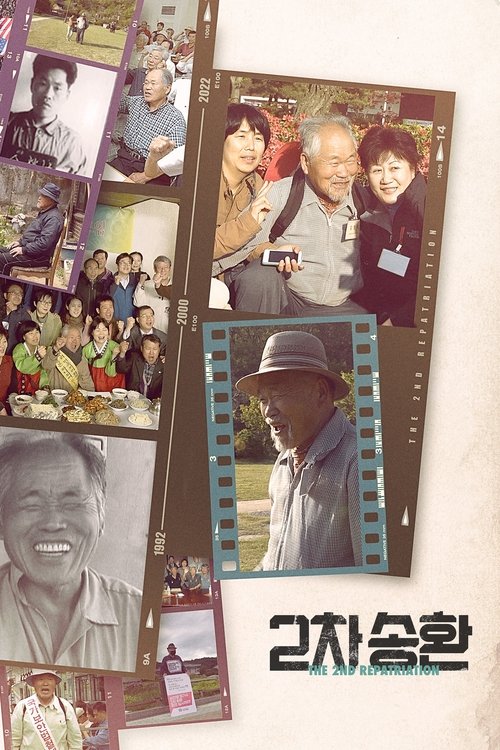
In 2000, in the era of inter-Korean reconciliation, 63 non-converted prisoners were repatriated to the North, and a 2nd repatriation movement was launched in 2001 but failed again and again in later years. As of 2022, the average age of the surviving secondary repatriation applicants is 91.
The 2nd Repatriation
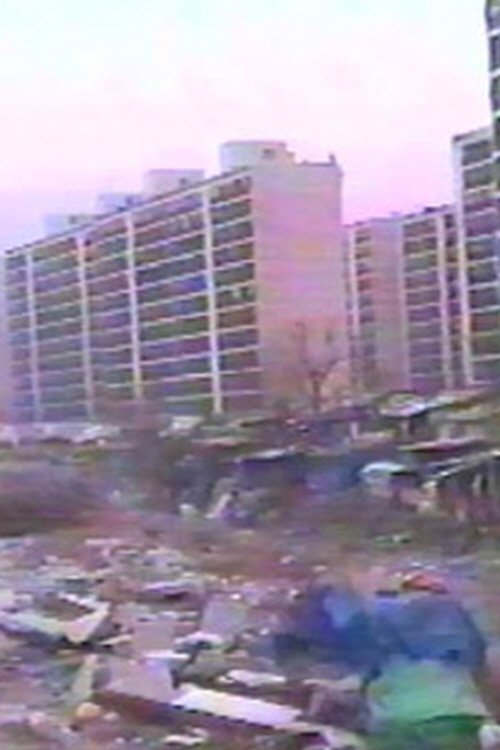
Unlike “trilogy on torn-down neighborhoods,” (The Sang-kye dong Olympics, Haengdang-dong People, and Another World We Are Making), Standing on the Edge of Death calmly describes how urban poverty was formed, how they live, and why more than 20 of them committed suicide at once in 1990. In this film, the director explains that people who moved from poor countryside formed urban slum, and because they did not have formal education or asset, they worked as day laborers. Residence was one particular problem they faced as they lost their main dwelling area due to redevelopment. They start their day at dawn and work till night. However, these hard-working people do not receive any recognition from the society.
Standing on the Edge of Death
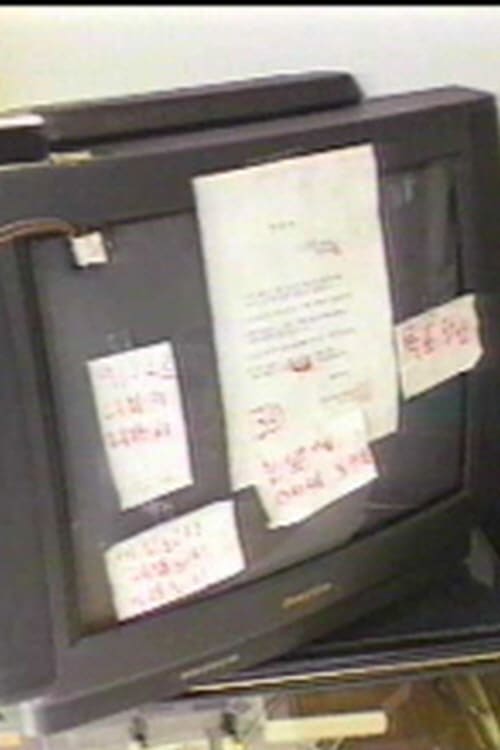
This film shows that ‘how mass media dominates our daily life’ in a mixed format of drama and documentary. Part 1 is a drama represents the process of a human life from the childhood when the person first encounters with TV to how TV dominates him while growing up. Part 2 is a documentary of a group of people who banned from TV for a month. This experiment makes us think about what TV means to our life.
People In A Flood Of Media
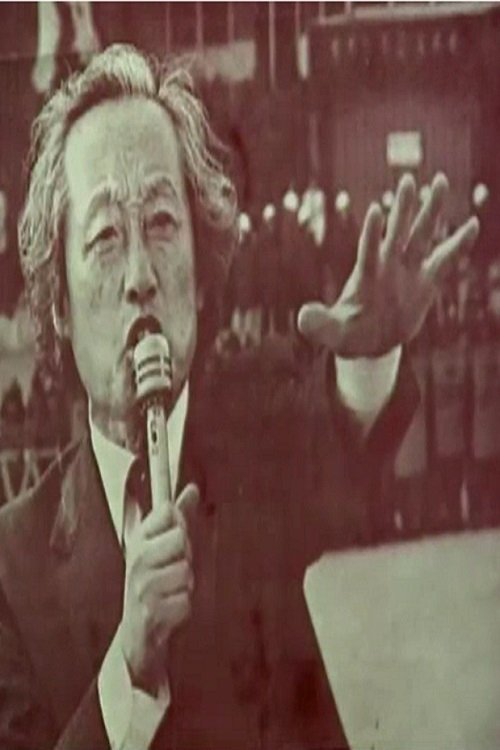
The Father Moon Ik-hwan had been imprisoned for inaugurating the National Security Law after visiting North Korea. However Korean people’s desire for reunification heated up the whole country and Moon Gyu-hyeon and Lim Su-Gyeong visited North Korea. That means Father Moon’s visit to North Korea triggered Korean people’s desire for reunification. This film represents the Father Moon’s point of view on and people’s movement on reunification through influence of his visit in North Korea in 1989.
We'll Be One

This documentary is a director Kim Dong-won’s only autobiographical film that was produced as a request from the video festival. The film starts with the director’s son declaring that the film should start with a blank background with a title reading “We will now start Tekken Family” and then the director’s voice asking his son “ Have you ever seen a film start like that?” The whole family sits in front of a game machine playing Tekken and having a joyous time. This image of the family is very much different to the passive and disconnected image of a family portrayed in People in the Forest of Media.....
TEKKEN FAMILY
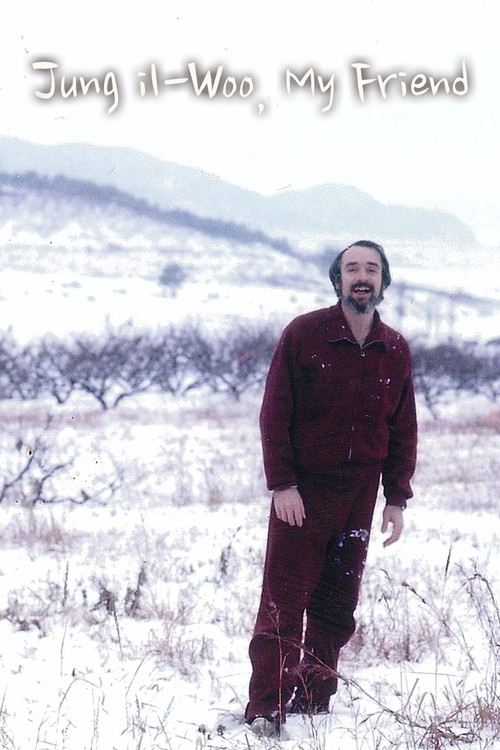
As one quotes in the movie, Fr. Jung was a 'real' human who can purely meet another person as a person itself transcending not only the boundary of religion but all human border such as race or nationality. This doesn't mean he was a great perfect human being. He was an 'ordinary' person who easily turns sulky, plays drunken frenzy, and had stinky feet. If there was anything special about this man, it would be that he had proactively chosen poverty and knew how to enjoy that poverty.
Jung Il-woo, My Friend

Father Sao Roberto is unique among many foreign missionaries dedicated to the Korean democratic movement.
A man
When it was decided that the 88 Olympics would be held in Seoul, the residents of Sanggye-dong were forced from their homes and they struggled against the government to at least guarantee them new residences.
Sanggyedong Olympic
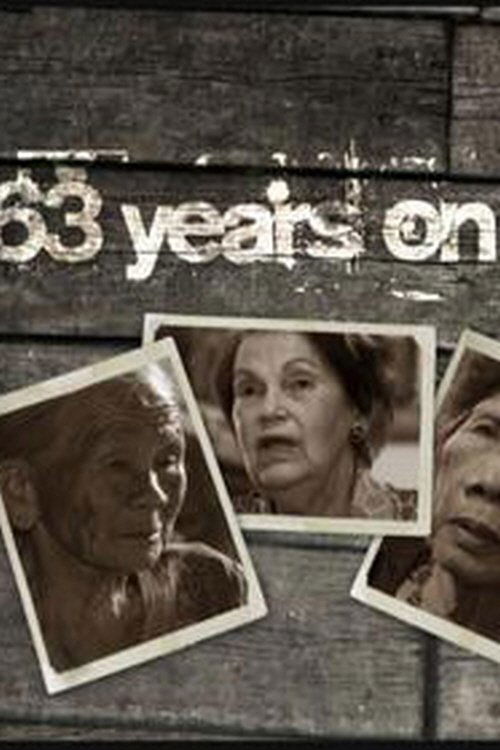
A documentary sharing the story of five women captured and enslaved by the Japanese military as "comfort women" during World War II.
63 Years On
James contemplates the meaning of life on his birthday, as he tries to reconcile his Christian upbringing with the stark realities of life. The next day, a letter from his godfather provides much needed comfort
James' May

Jongno, Winter is a short film included as one of the ommibus film in If You Were Me 2 (2005). It deals with an incident of a Korean Chinese Kim Won-sup frozen to death on a street of Jongno. He was an illegal immigrant who could not ask for help during a cold winter day with overdue wage over 10,000 USD. He died of exposure on the street. Director Kim Dong-won expands the problem of the illegally immigrated Korean Chinese.
JONGNO, WINTER
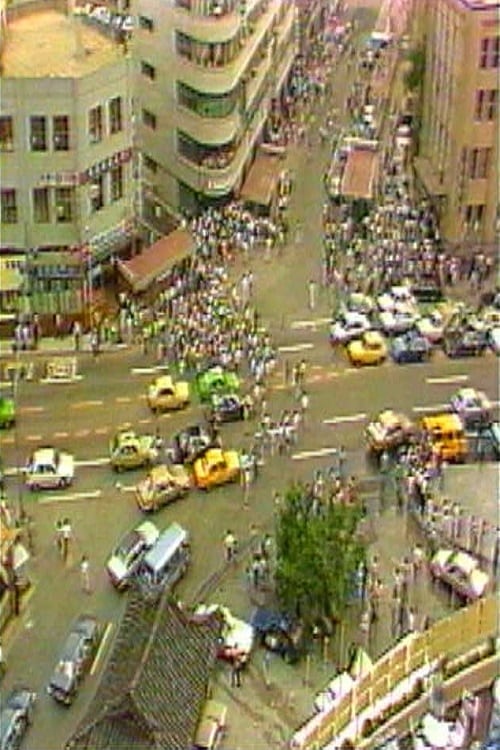
This is a documentary about 6 days of struggle at Myong-dong cathedral, which triggered the struggle of the June 1987. In the night of 10th June the protest group was chased by the police, came into the Myong-dong cathedral by accident. Their conflicts and hope, political situations of the time are seen in the film with various sources and witnesses. This film seeks hope for today while showing critical reinterpretation on the struggle of the June 1987.
The 6 Days Struggle at the Myong-Dong Cathedral

The sequel of "Heangdangdong People", a documentary about a struggle and dream for community of Heangdangdong people against the unfair removal of their housing. Heandangdong people in the removal region finally finished the struggle in the victory after the 3-year-struggle against the removal and they are now settled in the provisional residential building. They have gradually overcome poverty and have been establishing a local community through a production cooperative and a credit cooperative to materialize their dreams. Headangdong people's story with their successful community suggests a concrete way and hope about an alternative life.