Writing
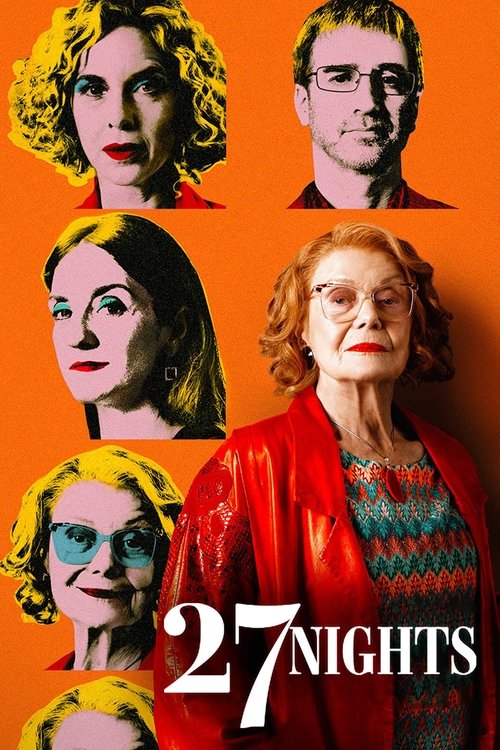
When a woman is admitted by her daughters to a psychiatric clinic for her carefree ways, an expert must judge if she is ill or simply wants to enjoy life.
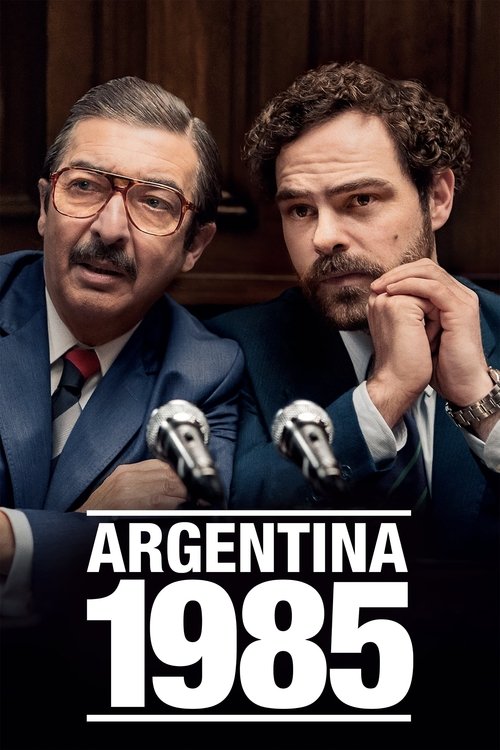
In the 1980s, a team of lawyers takes on the heads of Argentina's bloody military dictatorship in a battle against odds and a race against time.
Paulina is a young lawyer with a promising career in Buenos Aires, who chooses to go back to her home town. Her father, Fernando, is a well known judge. Against his will, Paulina decides to teach in a suburban high school as part of an inclusion program. One night, after the second week working there, she's brutally assaulted by a gang. With the disapproval of the people around her, she decides to go back to work, in the neighborhood where she was attacked, without realizing that her attackers may be even closer than she thought.
Drinking, dancing and... killing me. It's the new life my neighbour Jose has decided to live. What better way to escape boredom than coming to kill me every thursday? His wife, Lucie, prefers to go to a shrink. To each their own therapy.
Blondi and Mirko live together, listen to the same music, watch the same films, like to smoke pot and share the same friends. But, even though they seem to be the same age, Blondi is Mirko's mother.
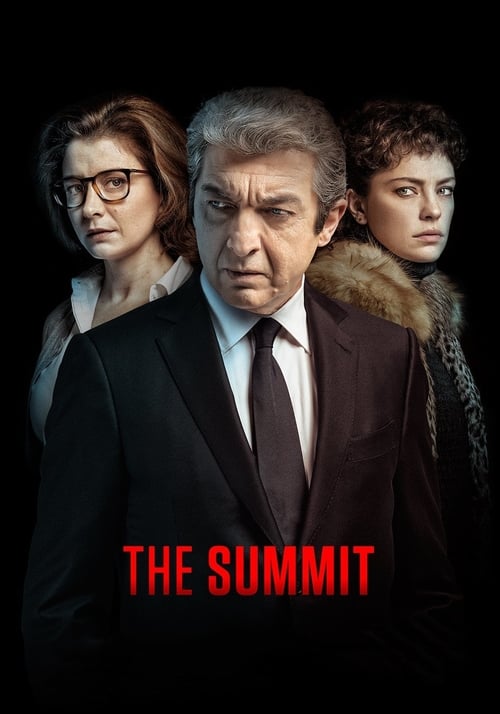
At a summit for Latin American presidents in Chile where the region's geopolitical strategies and alliances are in discussion, Argentine president Hernán Blanco endures political and family drama that will force him to face his own demons.
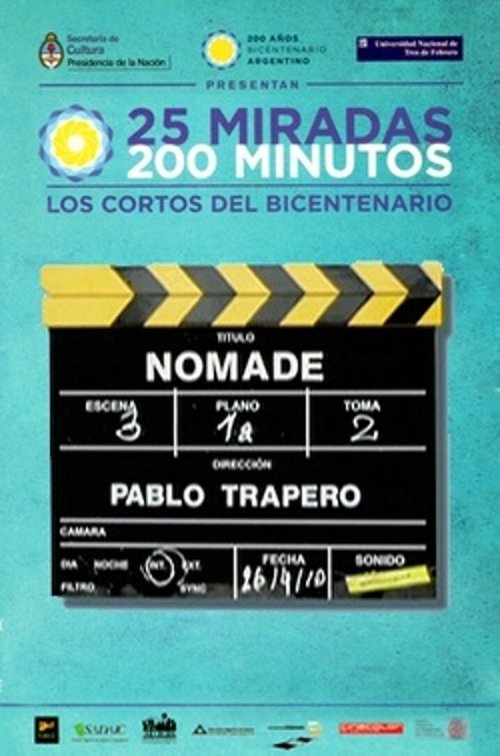
Tonelec, a young descendant of Tobas, is knowledgeable about his traditions, his history, his legacy and his language, but acts as a member of a Ranquel community, in a film set in 1810 that celebrates the Bicentennial. He, the other actors and the technicians working on the set try to overcome so much confusion.
X arrives in a small town and witnesses a violent act; Z takes the job of a dead manager and discovers that he had a notebook written in code and a map; H is hired to go down a river and investigate a series of mysterious monoliths built on the shore.
A high-ranking officer infiltrates groups peacefully organizing to demand the release of detained relatives. Argentina was under military rule from 1976 to 1983, a period in which tens of thousands of people disappeared. The abovementioned groups were giving rise to a form of civil resistance at the heart of the dictatorship that was running the country.
Sosa is a lawyer who haunts hospital waiting rooms hoping to represent the victims of traffic accidents in insurance claims. When he falls in love with ambulance medic Luján, he tries to leave this dark business but the shady law firm that he works for won’t let him off that easily.
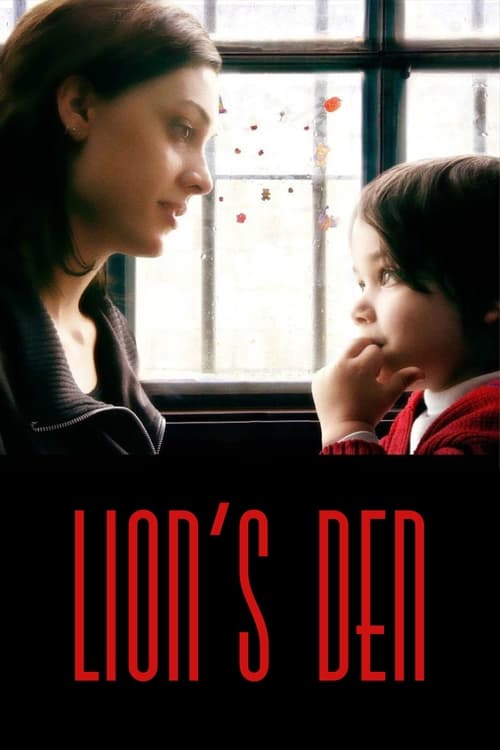
Julia, a 25 year-old university student, two weeks pregnant, with no criminal record, is sent to prison. Julia murdered the father of her child. This story addresses maternity, jail and Justice; confinement, guilt and solitude; but above all it deals with Julia and her son, Tomas, born inside an Argentinean prison.
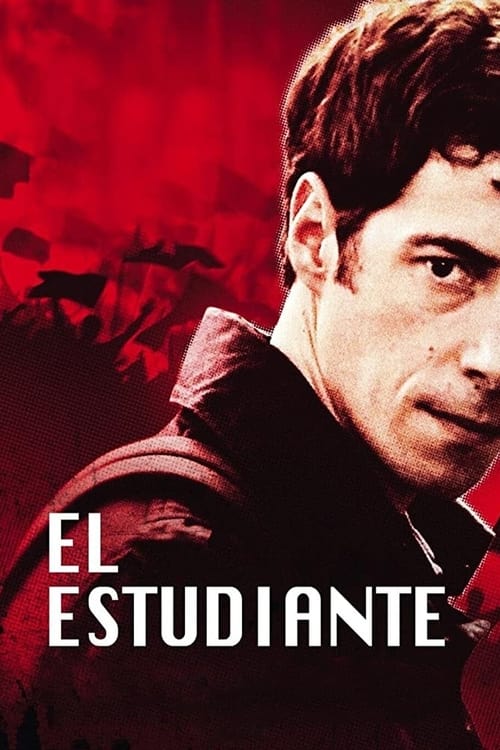
Roque starts University in Buenos Aires but he is not particularly interested in attending classes or working towards a degree. Instead, he dedicates his time to one of the many groups vying for control of the university, motivated less by grand political ideals than by a wish to get close to Paula, an attractive young teacher heavily involved in internal university politics.
The story of a young couple, from beginning to end, from the euphoria of falling in love until the final days blurred and dark, is realized with an analytical eye and investigative zeal. How and why two people fall in love? What now? How quickly will they get into a relationship? When a relationship ends, and when should it end? Peter and Sofia, with its simple story of love, they become reflections of all those who, at twenty-five years have been in love.
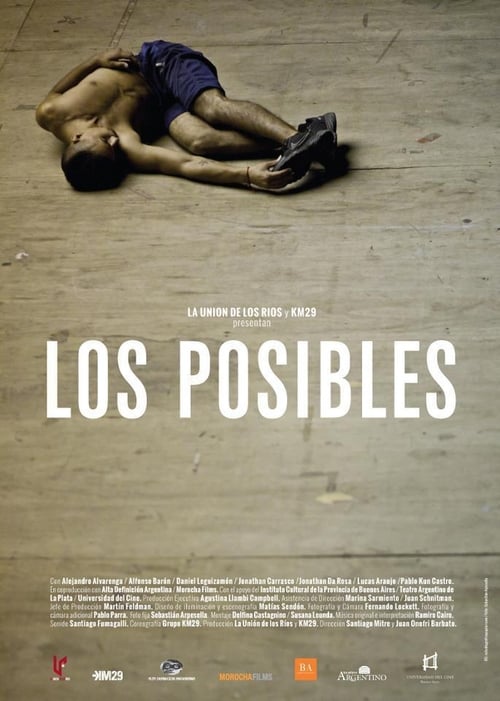
Santiago Mitre co-directs his first movement following The Student together with choreographer Onofri Barbato. Although it would have been more accurate to say “his first film-story-adventure-movie-great movie following The Student”, the word movement fits perfectly in Los posibles, the most overwhelmingly kinetic work Argentine cinema has delivered in many, many years. The film deals with the adaptation of a dance show directed by Onofri together with a group of teenagers who came to Casa La Salle, a center of social integration located in González Catán, trying to find some refuge from hardship. Already entitled Los posibles, the piece opened in the La Plata Tacec and was later staged in the AB Hall of the San Martín Cultural Center. Now, it dazzles audiences out of a film screen, with extraordinary muscles and a huge heart: Los posibles is a rhapsody of roughen bodies and torn emotions. Precise and exciting, it’s our own delayed, necessary, and incandescent West Side Story.
While working alongside his long-time friend and colleague in building a hospital for the residents of a Buenos Aries shantytown, a troubled priest finds solace in a young, atheist social worker.