Directing
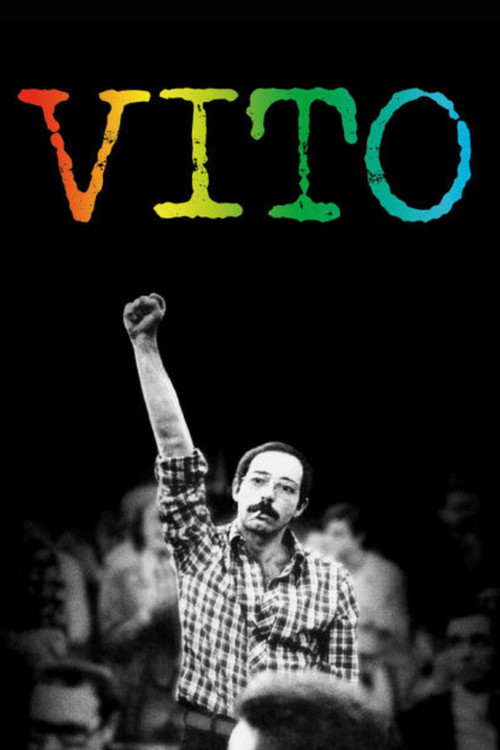
In the aftermath of Stonewall, a newly politicized Vito Russo found his voice as a gay activist and critic of LGBTQ+ representation in the media. He went on to write "The Celluloid Closet", the first book to critique Hollywood's portrayals of gays on screen. During the AIDS crisis in the 1980s, Vito became a passionate advocate for justice via the newly formed ACT UP, before his death in 1990.
Two couples on either side of the Atlantic share a mysterious connection.
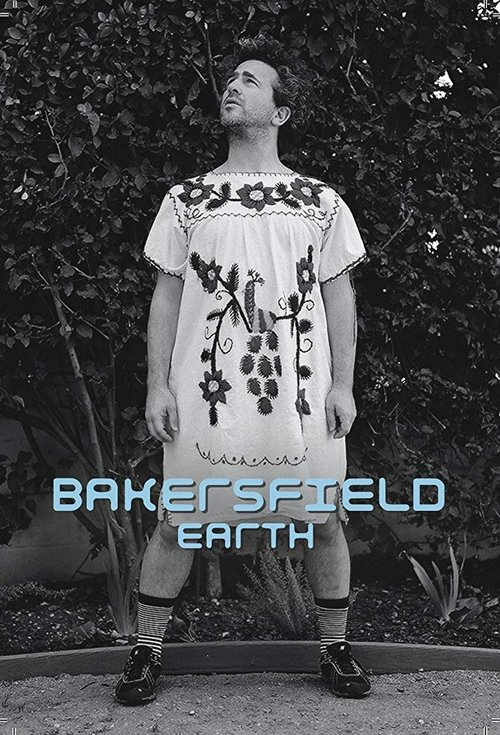
Guy tries to join an anti-evolution protest group because he believes his alien race created humans.
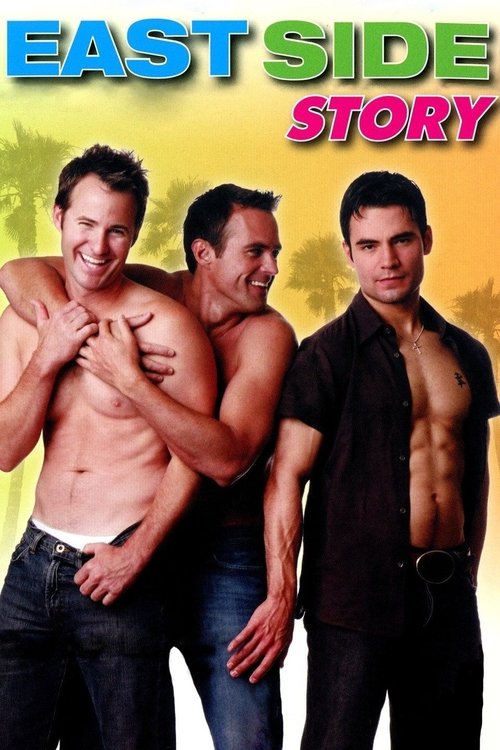
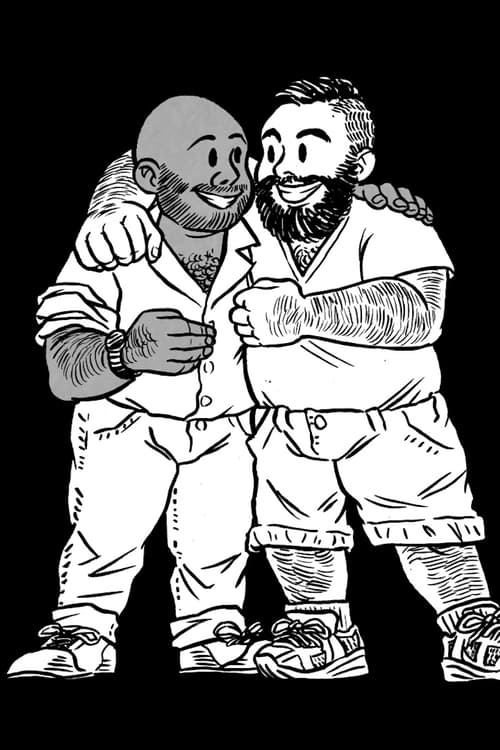
Diego is a gay but closeted Hispanic chef living in East Los Angeles who works in the restaurant operated by his grandmother. Frustrated by the secretive lifestyle he shares with his similarly closeted lover, Pablo, Diego finds himself attracted to Wesley, one of the openly gay Caucasian men he feels are gentrifying his neighborhood. Their relationship pushes Diego to consider the possibility of a life he had never imagined.
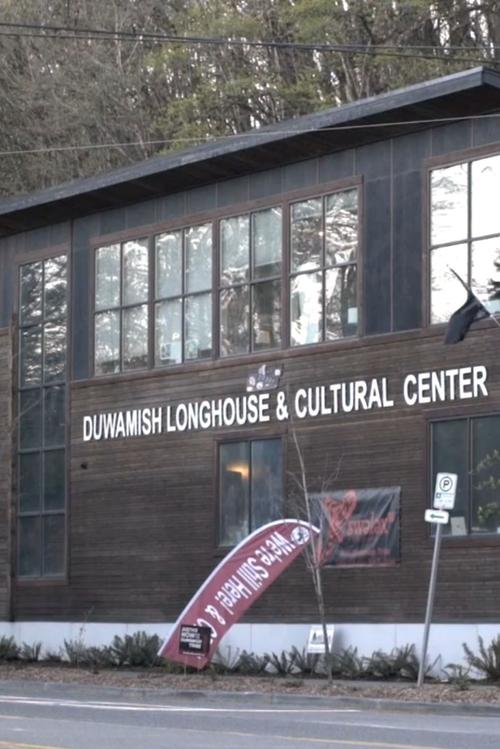
Seattle is about 40% water, but not all of our bodies of water are created equal. Sixty years ago, Lake Washington was cleaned at the expense of the Duwamish River and the residents who rely on it. Decades of pollution have left a largely immigrant and Indigenous community to bear the environmental burden.
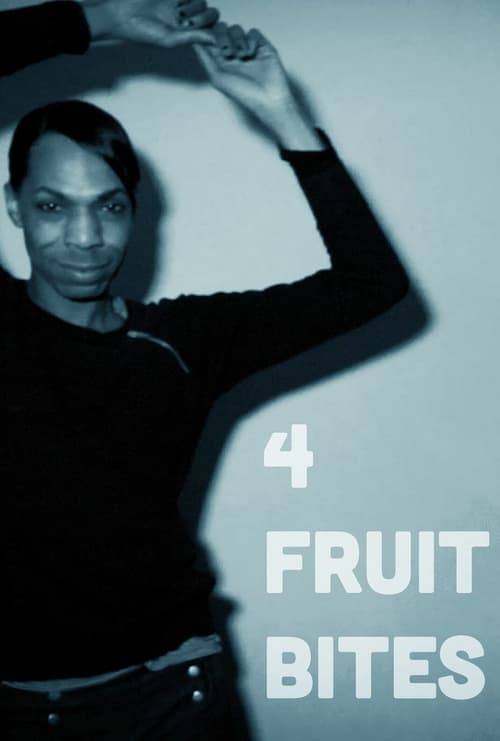
An introduction to four unique queer, trans and genderqueer voices as featured in the Fruitbowl Podcast.
A love letter to early ’90s cruising in NYC.
After a head injury, Doug goes to stay with his gay older brother, Isaac and his lover Josh. When the addled Doug mistakes Isaac for his Dad, it's only natural for transvestite Josh to become Mom.
A diverse cross-section of queer people describe discovering the pleasures of self-pleasure for the first time.
Eighteen queer people recall the role porn played in their early investigations into sex and the development of their identity.
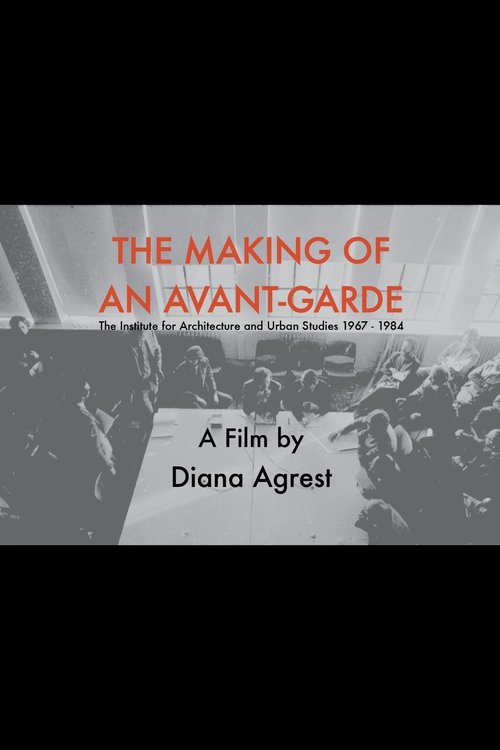
The Making of an Avant-Garde presents the creation and existence of the IAUS in the architectural, cultural, and political climate of the time, from the anti-War riots, the Women's Movement to the Paris May '68 revolution and the crime ridden and the bankrupt New York City of the 70's, through rich and abundant footage. The Institute, founded in 1967 with close ties to The Museum of Modern Art, made New York the global center for architectural debate and redefined architectural discourse in the United States. A place of immense energy and effervescence, its founders and participants were young and hardly known at the time but would ultimately become some of the most influential figures in the field shaping architectural practice and theory for decades. The Institute became the most significant and energetic crossroad in the path of rethinking architecture and the city and it's influence is still felt today.