Acting
No description available.
Thirty Cases of Major Zeman is a Czechoslovak action-drama television show intended as a political propaganda to support the official attitude of the communist party. The series were filmed in the 1970s. Each episode encompasses one year, and investigations are stylized to that year. Most are inspired by real cases. The series follows the life of police investigator Jan Zeman during his career from 1945 to 1975.
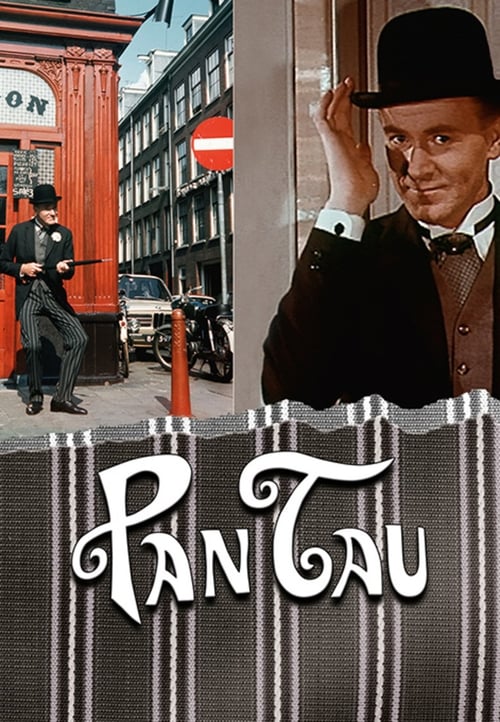
Pan Tau always had a gentle expression and a friendly smile, he was elegantly dressed in a stroller, with an umbrella and a white carnation in the lapel. Foremost, he was famous for his magic bowler hat. By tapping on his hat, Pan Tau was able to change his appearance into a puppet, to conjure up miscellaneous objects or to do other magic. His most characteristically behavior is that he would help children who were experiencing some sort of difficulties in-between their dreams and reality, like finding a place for skiing, settling family problems on Christmas, and even give a boy a good time at a fair when he is supposed to have piano lessons. To adults, he usually remained invisible.
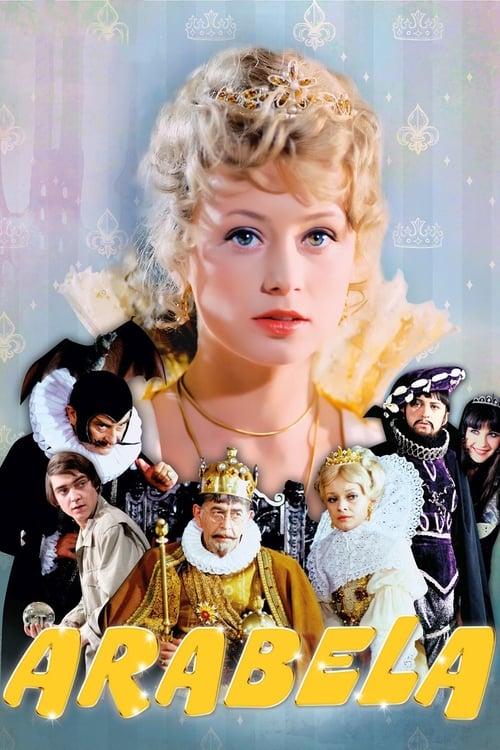
Arabela was a children's television series produced in Czechoslovakia which aired from 1979 to 1981. The series has 13 episodes and is in the Czech language.
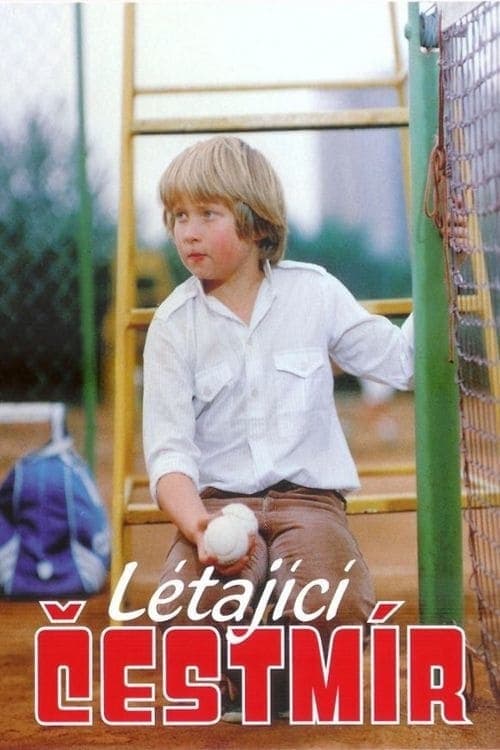
Young boy Cestmir finds a magic rock which allows him to bring the seeds of the flowers which allow flying from Blue Planet...
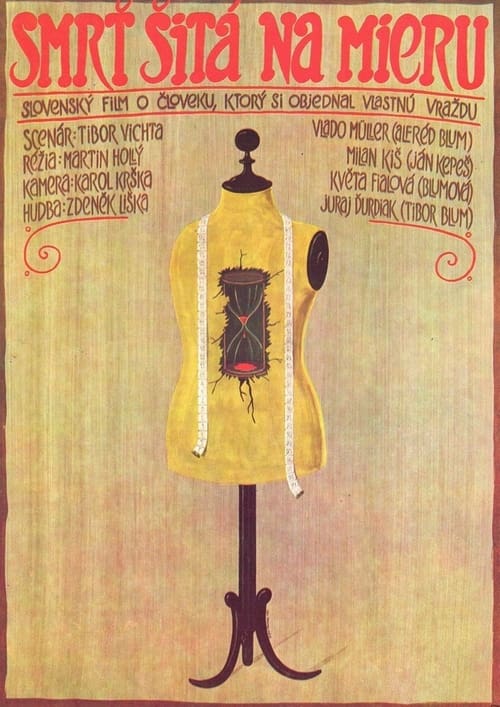
Bratislava, 1930s. The owner of a luxury tailoring salon, Alfréd Blum, has always relied on a classy clientele, thanks to which he rose to the top of society. But times change, the world is in an economic crisis, and Blum discovers that in reality he only has debts. He has completely lost his assets in shares, and his clients have to deny themselves luxury goods. The only hope to save his family from poverty is Blum's life insurance policy for 300,000 crowns. Therefore, the businessman turns to his old acquaintance, unemployed tailor Ján Kepeš, with an unusual offer. He gives him five thousand crowns and arranges a job for him in a Viennese salon. The condition is that Kepeš kills Blum...
In Slovakia, they often and gladly honored those soldiers who refused to serve the fascist regime and stood against it. Lieutenant Kukorelli also rejected the tempting career of a pilot, instead helping the resistance fighters and later participating in the Slovak National Uprising.
Young Dasha lives in a small town. Her father is a prominent man, the owner of a restaurant. However, when her father's connections are not enough to get Dasha accepted to college, she has to spend the summer working part-time in her father's business. Love, friends, even running away from home, all belong to this period of Dasha's life. The failed wedding arranged by her parents, the patronizing imposition of university studies at a price that the girl fears - all this brings on the one hand a deep disappointment in her own parents, but over time also the recognition of her own mistakes.
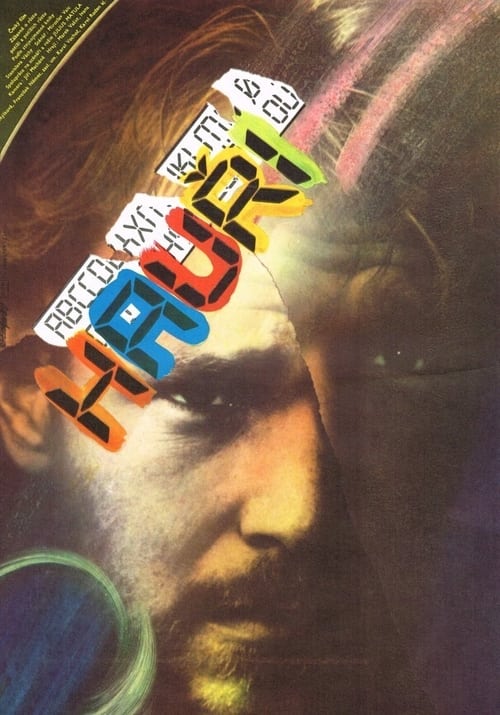
Building themes, however modified, permeated the nationalised cinema throughout its existence. This time, director Július Matula has focused on a young engineer who, with high hopes, accepts a position in a famous agricultural cooperative. However, he soon discovers that behind the proclaimed phrases there is in fact hypocrisy and protectionism. The authors criticise the fact that incompetence is often covered up, that shortcomings end up being cleverly camouflaged, that the social mood favours the mediocre and the adaptable. The hauers present a statement that is courageous, so to speak, within the limits of the law, and call for increased work consciousness.
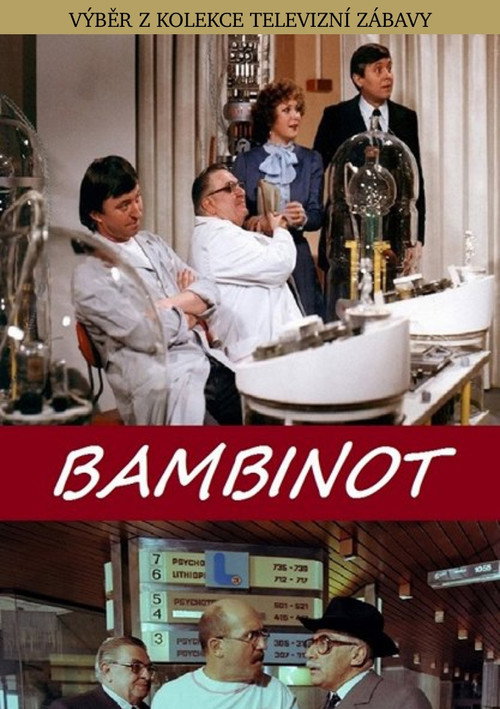
Two aliens stir up trouble on Earth in order to study humans. Misunderstandings ensue.
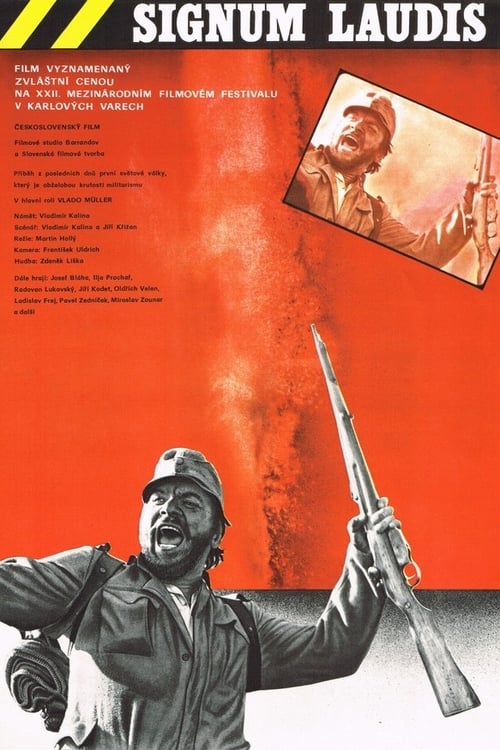
The trenches of World War I provide for a captivating backdrop to the drama of Corporal Hoferik. In his devotion to the Habsburg Monarchy, he fanatically carries out his military orders, but he ultimately suffers the Empire's disfavor.
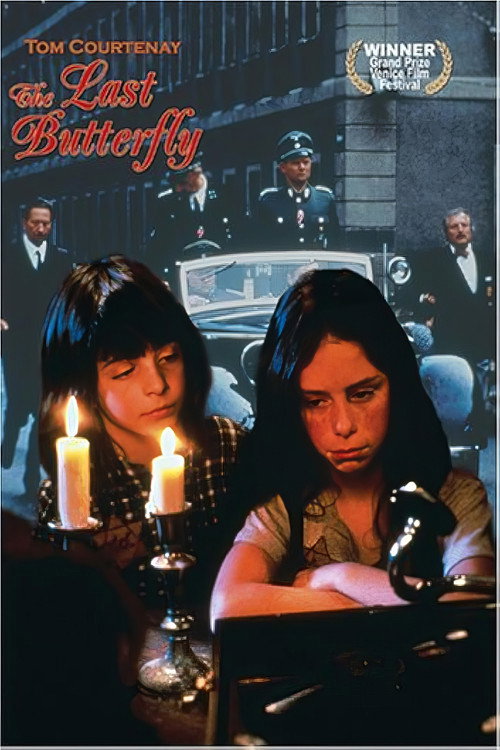
Stage mime Antoine Moreau is compelled by the Gestapo to put on a performance for the children of Terezin, a "model" concentration camp, to convince the Red Cross observers that the camp is truly what it seems. Reluctant at first, Moreau slowly learns the true nature of the camp, including the meaning of the "transports" on which people leave. With a world-class orchestra (made up of people interned in the camp) and a cast of children, Moreau stages a show to end all shows.