Juraj Herz
Directing
Biography
From Wikipedia, the free encyclopedia Juraj Herz (4 September 1934 – 9 April 2018) was a Slovak film director, actor, and scenic designer who was born when Kežmarok was a part of Czechoslovakia. He has directed for both film and television; and in the latter capacity, he has directed episodes of a joint French-Czech television series based on the Maigret novels of Georges Simenon. His 1971 film Petrolejové lampy, was entered into the 1972 Cannes Film Festival. His 1976 film Den pro mou lásku was entered into the 27th Berlin International Film Festival. He died on 9 April 2018, aged 83.
Known For
No description available.
Bavarian Film Awards

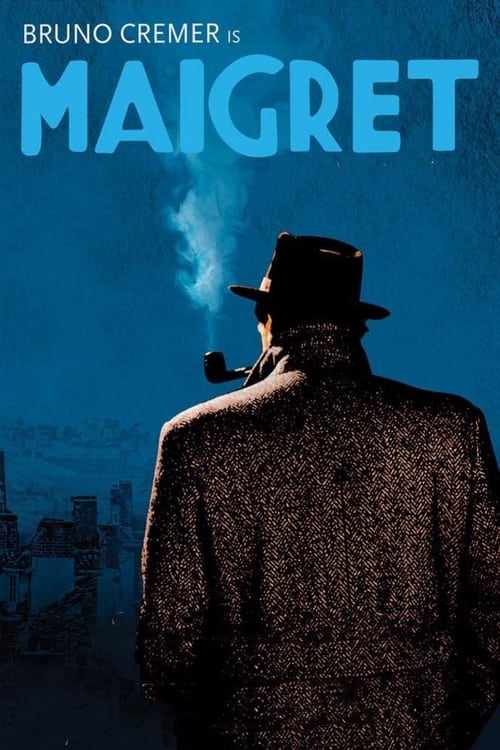
The pragmatic, reserved and refined Maigret investigates murders in his singular unhurried manner and inevitably discovers the truth.
Maigret
Television series Golden Sixties examines new insights into Czech and Slovak cinema of the 1960s and the role of the Czechoslovak New Wave. Each episode focuses on a different filmmaker.
Golden Sixties
No description available.
Černí andělé

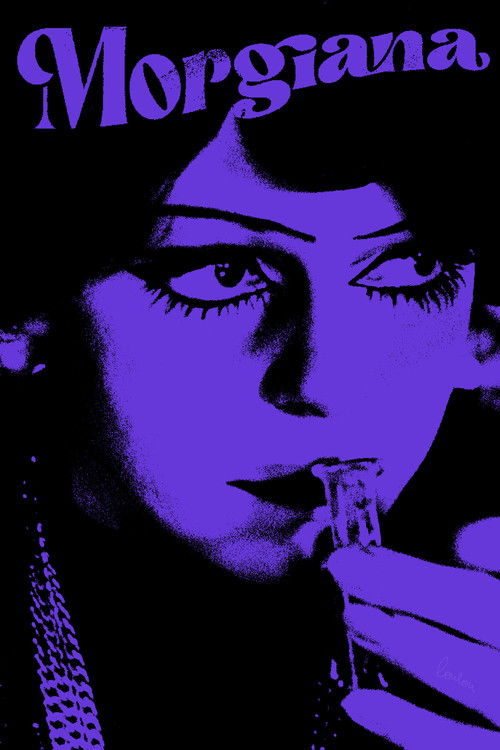
Jealous of her vapidly "good" sister's popularity, poisonous Viktoria doses pretty Klara's tea with a slow-acting fatal substance. As the latter grows hysterically weak, the former finds success increasingly compromised by guilt, blackmail, and the pesky need to kill others lest she be exposed.
Morgiana

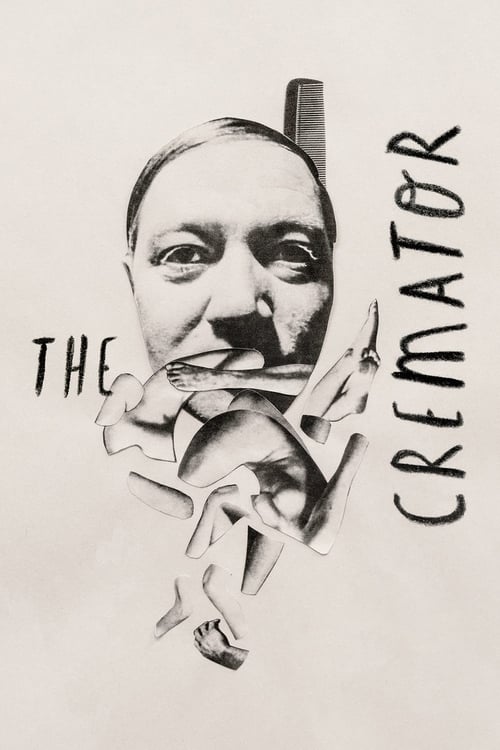
In 1930s Prague, a Czech cremator who firmly believes cremation relieves one from earthly suffering is drawn inexorably to Nazism.
The Cremator

No description available.
Gagman
No description available.
Bratislavské pondelky

No description available.
Fantom operety

In a small town in Nazi-occupied Slovakia during World War II, decent but timid carpenter Tono is named "Aryan comptroller" of a button store owned by an old Jewish widow, Rozalie. Since the post comes with a salary and standing in the town's corrupt hierarchy, Tono wrestles with greed and guilt as he and Rozalie gradually befriend each other. When the authorities order all Jews in town to be rounded up, Tono faces a moral dilemma unlike any he's known before.
The Shop on Main Street

A satire of the Great American Way, with Lemonade Joe a "clean living" gunfighter who drinks only Kola-Loca Lemonade and convinces everyone else in town (with his gun skills) that all "real men" drink ONLY lemonade!
Lemonade Joe

No description available.
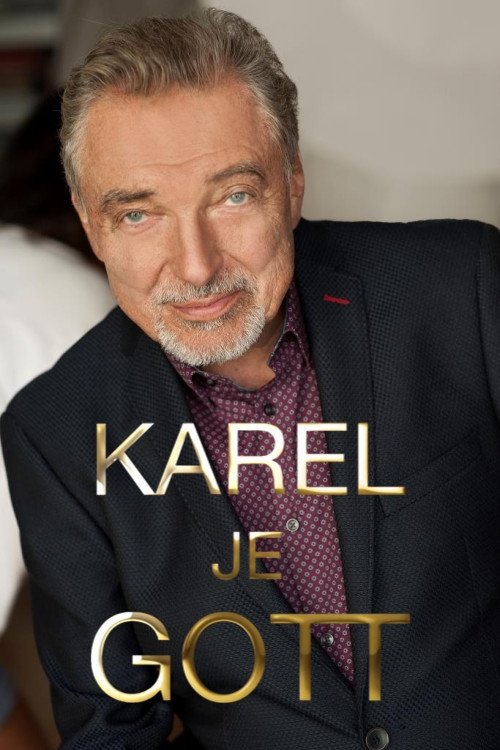
Karel je Gott

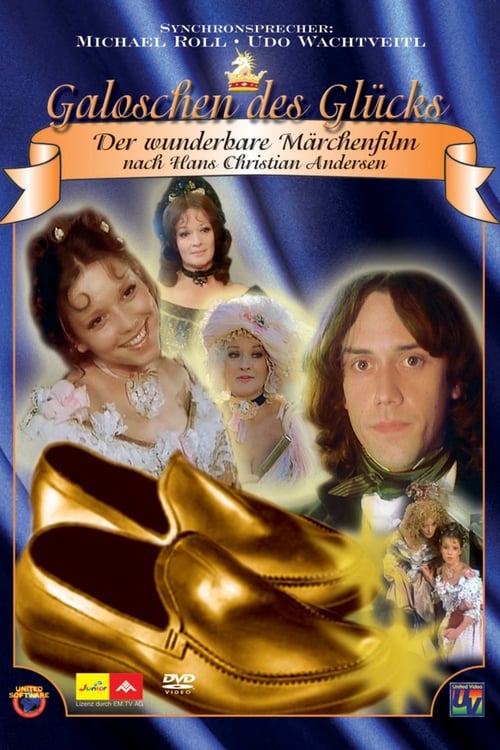
When a young princess, instead of being fully dedicated to her love, persists in running around like a tomboy and roaming the forests with her gang, and a young prince refuses to give up all his vices and mischief, an aquaphobic fairy takes their fate into her hands. The princess then falls in love with the prince, who declares eternal fidelity to her. When he however breaks this promise, the fairy turns him into a frog. With which the loyalty of the princess is being tested as well.
The Frog Prince

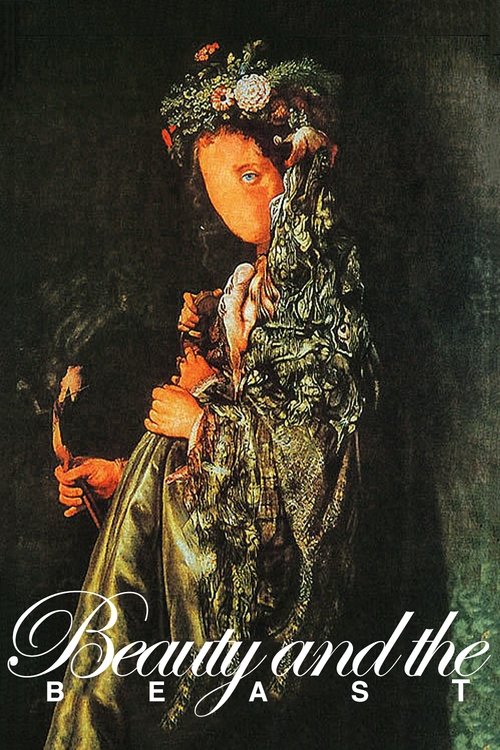
Julie, the youngest daughter of a bankrupt merchant, sacrifices her life in order to save her father. She goes to an enchanted castle in the woods and meets Netvor, a bird-like monster. As Netvor begins to fall in love with Julie, he must suppress his beastly urge to kill her.
Beauty and the Beast

No description available.
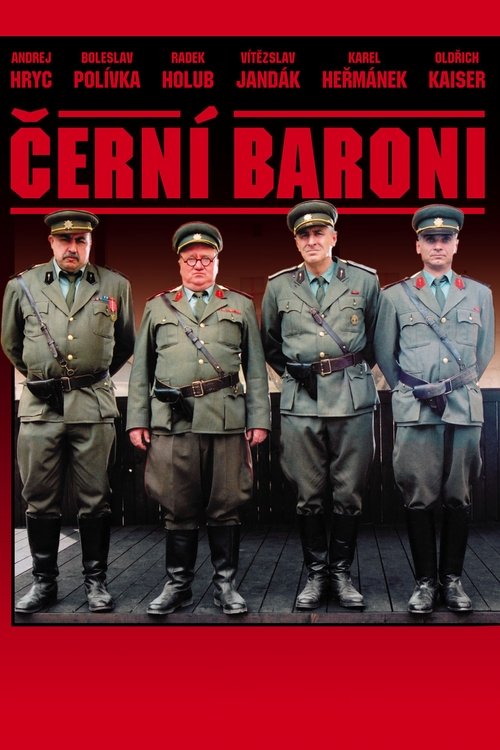
Černí baroni

A doctor is shocked when his beloved colleague Mima signs a contract with foreign car manufacturer Ferat, in order to work for them as a rally-driver. A scientist convinces him that human blood is being used as fuel for Mima's ever winning car, but does that really work?
Ferat Vampire

A story set in a small village in Sudetenland between 1937 and 1945. "Habermann" is based on true events.
Habermann

An epic exploration of the Czechoslovak New Wave cinema of the 1960s and 70s, structured around a series of conversations with one of its most acclaimed exponents - Closely Observed Trains director Jiří Menzel.
CzechMate: In Search of Jiří Menzel

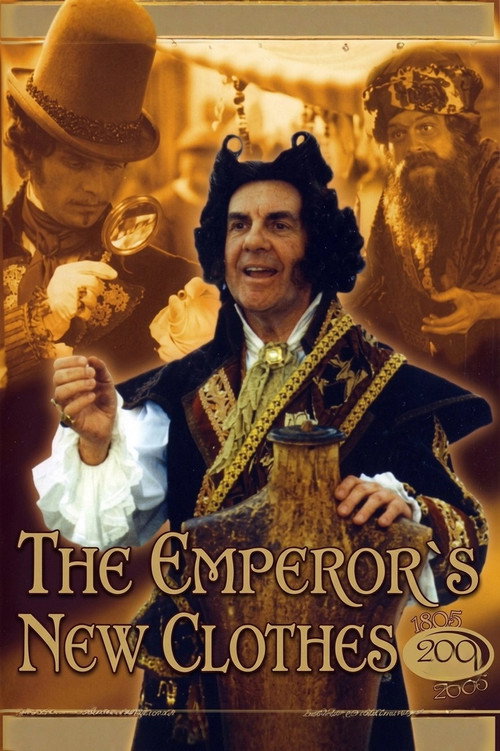
The Emperor of a European country demands new clothes to wear every day, in fact sometimes several times a day. He imposes a heavy tax on the poor citizens to pay for his vanity. An itinerant man and boy come to the capital city and see the injustice, and make friends, but they soon have to flee. They return disguised as Arab tailors, and offer to make the Emperor a new suit of clothes. But only the wise will be able to see it; fools, or those unfit for their public office, will not see anything. The Emperor orders the suit made, and much money is needed to purchase the raw materials. Eventually the suit is ready, and the Emperor and his officials pretend that they can see a wonderful outfit; will anyone prick the bubble of the illusion?
The Emperor's New Clothes

During the Protectorate of Bohemia and Moravia, the main characters of the story meet in a village pub. A traveling magician performs his variety show there with his assistant and current lover, with whom the local innkeeper had an affair in the past. The assistant would like to settle down, as she is tired of the traveling life. However, after an argument, the magician kicks her out. Hiding in the tavern's cellar is a young 16-year-old girl, half-Jewish, who is fascinated by the magician's performance. The innkeepers have been hiding her there somewhat against their will. When the girl runs away with the magician, they feel somewhat relieved. But only until they realize what would happen if the girl revealed where she was hiding.