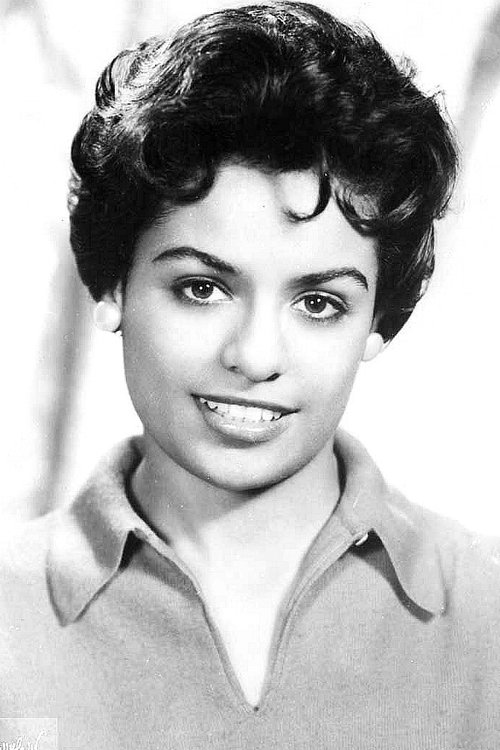
Barbara McNair
Acting
Biography
Barbara Jean McNair (March 4, 1934 – February 4, 2007) was an African-American singer and actress. Born Barbara Joan McNair in Chicago, Illinois and raised in Racine, Wisconsin, McNair studied music at the American Conservatory of Music in Chicago. Her big break came with a win on Arthur Godfrey's TV show Talent Scouts, which led to bookings at The Purple Onion and the Cocoanut Grove. She soon became one of the country's most popular headliners and a guest on such television variety shows as The Steve Allen Show, Hullabaloo, The Bell Telephone Hour, and The Hollywood Palace, while recording for the Coral, Signature, and Motown labels. Among her hits were "You're Gonna Love My Baby" and "Bobby". In the early 60s, Barbara made several musical shorts for Scopitone, a franchise of coin-operated machines that showed what were the forerunners of today's music videos. McNair's acting career began on television, guesting on series such as Dr. Kildare, The Eleventh Hour, I Spy, Mission: Impossible, Hogan's Heroes and McMillan and Wife. McNair posed nude for Playboy in the October 1968 issue. She caught the attention of the movie-going public with her much-publicized nude sequences in the gritty crime drama If He Hollers Let Him Go (1968) opposite Raymond St. Jacques, then donned a nun's habit alongside Mary Tyler Moore for Change of Habit (1969), Elvis Presley's last feature film. She portrayed Sidney Poitier's wife in They Call Me MISTER Tibbs! (1970) and its sequel, The Organization (1971). McNair's Broadway credits include The Body Beautiful (1958), No Strings (1962), and a revival of The Pajama Game (1973). McNair starred in her own 1969 television variety series, but it lasted only one season, despite the wattage provided by A-list guests like Tony Bennett and Sonny and Cher, and offers began to dwindle. On December 15, 1976, her husband, Rick Manzi, was murdered, and Mafia boss-turned-FBI-informant Jimmy Fratianno later claimed in his book The Last Mafioso that Manzi had been a Mafia associate who tried to put a contract on the life of a mob-associated tax attorney with whom he had a legal dispute. The ensuing publicity did little to help McNair's floundering career. Her recordings include Livin' End, I Enjoy Being a Girl, and The Ultimate Motown Collection, a 2-CD set with 48 tracks that include her two albums for the label plus a non-album single and B-side and an entire LP that never was released. Into her seventies, McNair resided in the Los Angeles area, playing tennis and skiing to keep in shape on a regular basis and touring on occasion. She died on February 4, 2007, of throat cancer, survived by her husband Charles Blecka.
Known For
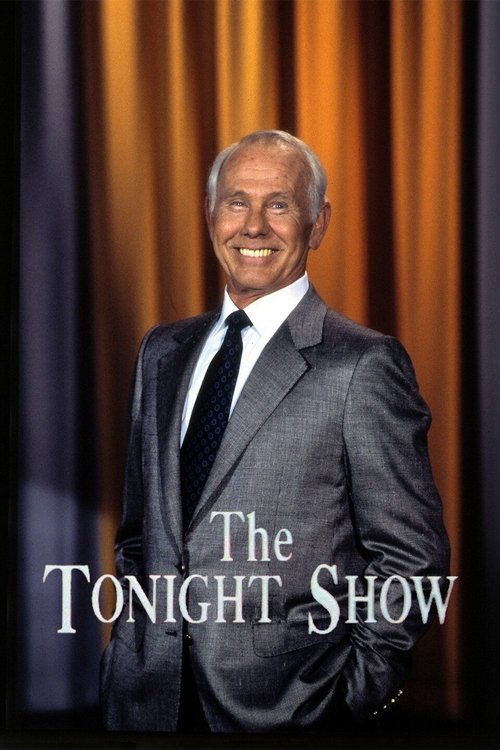
The Tonight Show Starring Johnny Carson is a talk show hosted by Johnny Carson under The Tonight Show franchise from 1962 to 1992. It originally aired during late-night. For its first ten years, Carson's Tonight Show was based in New York City with occasional trips to Burbank, California; in May 1972, the show moved permanently to Burbank, California. In 2002, The Tonight Show Starring Johnny Carson was ranked #12 on TV Guide's 50 Greatest TV Shows of All Time.
The Tonight Show Starring Johnny Carson
The Mike Douglas Show is an American daytime television talk show hosted by Mike Douglas that originally aired only in the Cleveland area during much of its first two years on the air. It then went into syndication in 1963 and remained on television until 1982. It was distributed by Westinghouse Broadcasting and for much of its run, originated from studios of two of the company's TV stations in Cleveland and Philadelphia.
The Mike Douglas Show
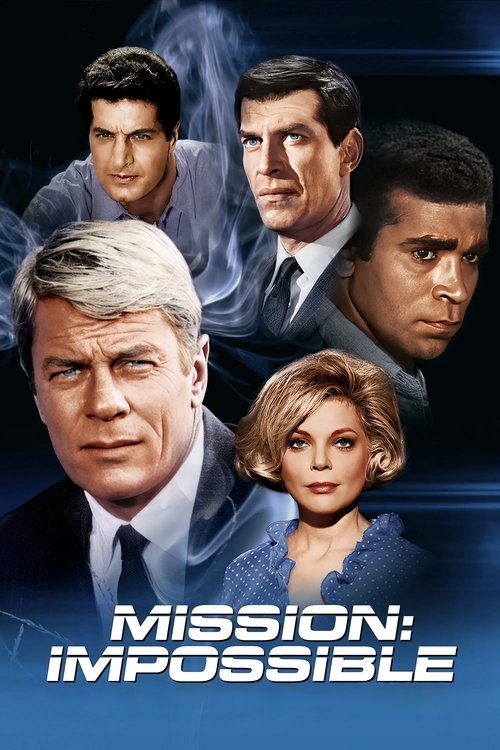
Mission: Impossible is an American television series that was created and initially produced by Bruce Geller. It chronicles the missions of a team of secret government agents known as the Impossible Missions Force. In the first season, the team is led by Dan Briggs, played by Steven Hill; Jim Phelps, played by Peter Graves, takes charge for the remaining seasons. A hallmark of the series shows Briggs or Phelps receiving his instructions on a recording that then self-destructs, followed by the theme music composed by Lalo Schifrin. The series aired on the CBS network from September 1966 to March 1973, then returned to television for two seasons on ABC, from 1988 to 1990, retaining only Graves in the cast. It later inspired a popular series of theatrical motion pictures starring Tom Cruise, beginning in 1996.
Mission: Impossible
No description available.
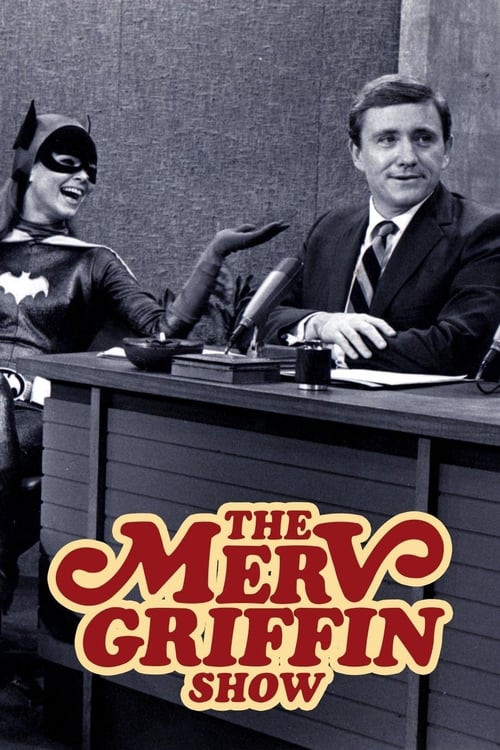
The Merv Griffin Show
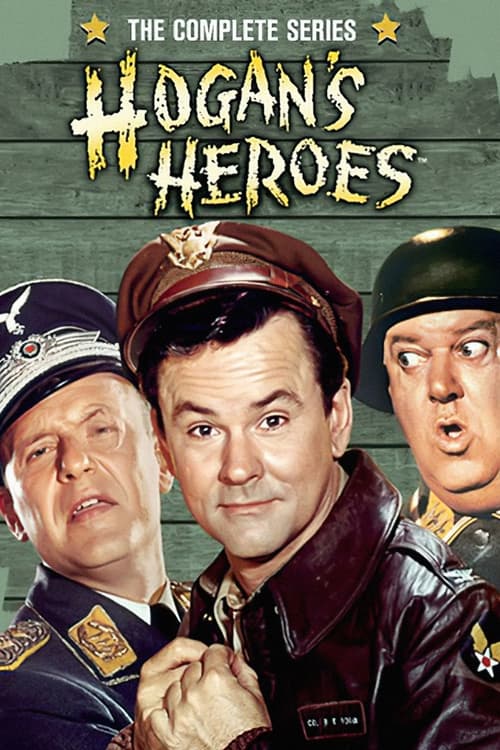
Hogan's Heroes is an American television sitcom that ran for 168 episodes from September 17, 1965, to July 4, 1971, on the CBS network. The show was set in a German prisoner of war camp during World War II. Bob Crane starred as Colonel Robert E. Hogan, coordinating an international crew of Allied prisoners running a Special Operations group from the camp. Werner Klemperer played Colonel Wilhelm Klink, the commandant of the camp, and John Banner was the inept sergeant-of-the-guard, Hans Schultz. The series was popular during its six-season run. In 2013, creators Bernard Fein through his estate and Albert S. Ruddy acquired the sequel and other separate rights to Hogan's Heroes from Mark Cuban through arbitration and a movie based on the show has been planned.
Hogan's Heroes
The story of a young intern in a large metropolitan hospital trying to learn his profession, deal with the problems of his patients, and win the respect of the senior doctor in his specialty, internal medicine.
Dr. Kildare
The Antoinette Perry Award for Excellence in Theatre, more commonly known as a Tony Award, recognizes achievement in live Broadway theatre. The awards are presented by the American Theatre Wing and The Broadway League at an annual ceremony in New York City. The awards are given for Broadway productions and performances, and an award is given for regional theatre.
Tony Awards
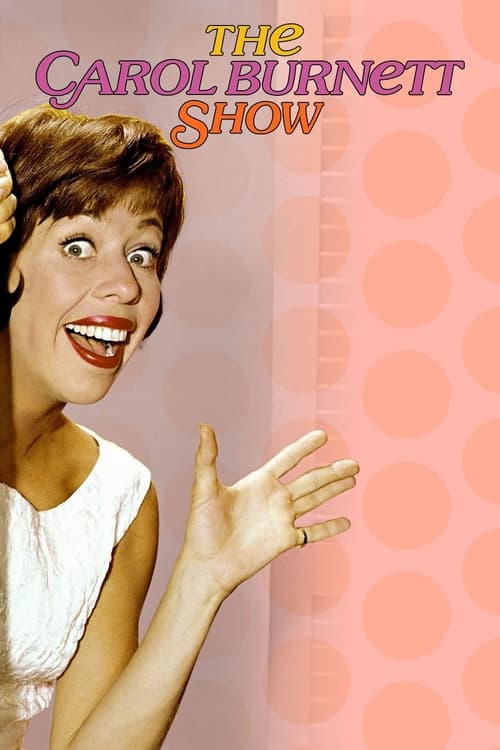
The Carol Burnett Show is an American variety/sketch comedy television show starring Carol Burnett, Harvey Korman, Vicki Lawrence, Lyle Waggoner, and Tim Conway. It originally ran on CBS from September 11, 1967, to March 29, 1978, for 278 episodes and originated from CBS Television City's Studio 33. The series won 25 prime time Emmy Awards, was ranked No. 16 on TV Guide's 50 Greatest TV Shows of All Time in 2002 and in 2007 was listed as one of Time magazine's "100 Best TV Shows of All Time."
The Carol Burnett Show
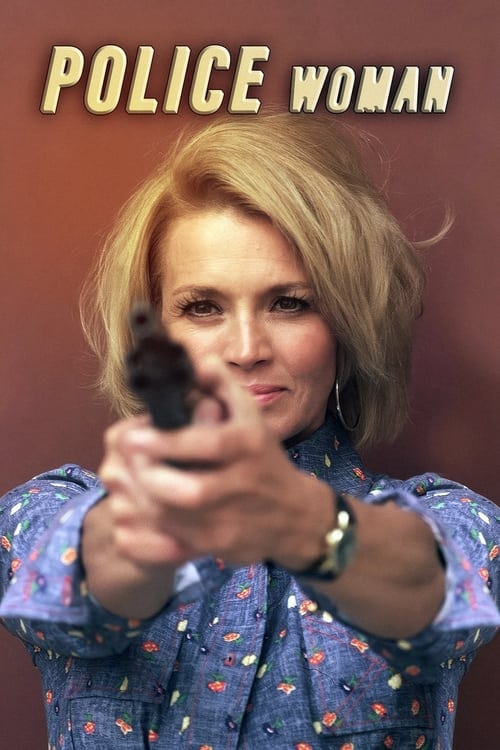
Sergeant “Pepper"” Anderson, an undercover cop for the Criminal Conspiracy Unit of the Los Angeles Police Department, poses undercover from mob girl to prostitute.
Police Woman

The Ed Sullivan Show is an American TV variety show that originally ran on CBS from Sunday June 20, 1948 to Sunday June 6, 1971, and was hosted by New York entertainment columnist Ed Sullivan. It was replaced in September 1971 by the CBS Sunday Night Movie, which ran only one season and was eventually replaced by other shows. In 2002, The Ed Sullivan Show was ranked #15 on TV Guide's 50 Greatest TV Shows of All Time.
The Ed Sullivan Show
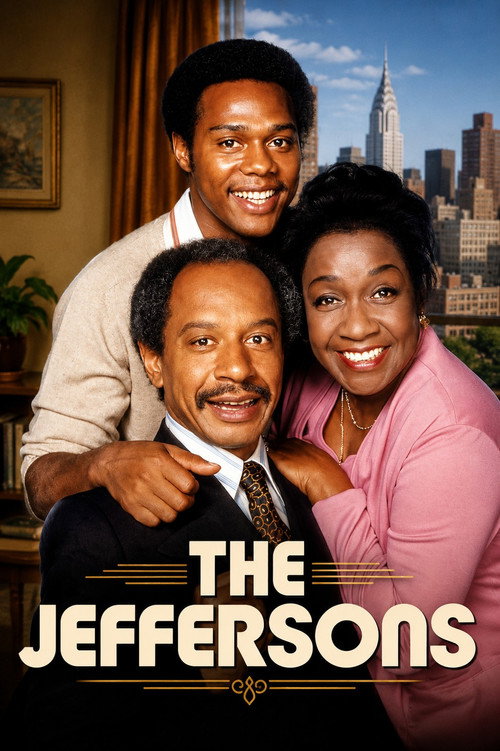
Sitcom following a successful African-American couple, George and Louise “Weezyö Jefferson as they “move on up” from working-class Queens to a ritzy Manhattan apartment. A spin-off of All in the Family.
The Jeffersons
An annual American awards ceremony honoring cinematic achievements in the film industry. The various category winners are awarded a copy of a statuette, officially the Academy Award of Merit, that is better known by its nickname Oscar.
The Oscars
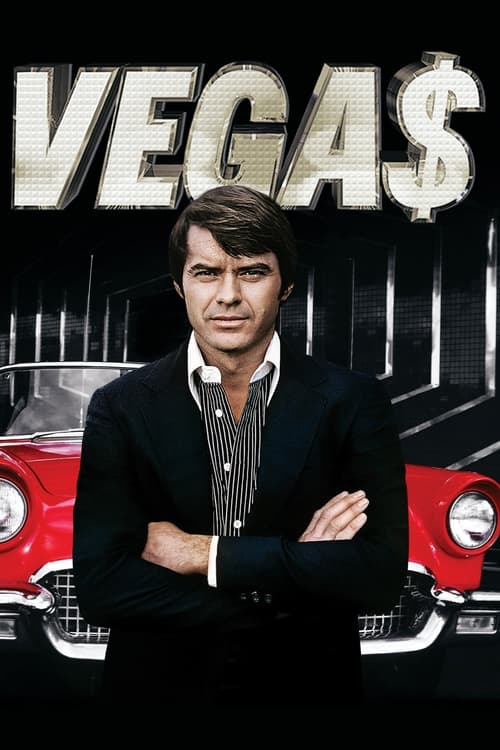
Vega$ is an American detective television drama series that aired on ABC between 1978 and 1981. It was produced by Aaron Spelling. The series was filmed in its entirety in Las Vegas, Nevada. It is believed to be the first television series produced entirely in Las Vegas. The show stars Robert Urich as private detective Dan Tanna, who drove around the streets of Las Vegas in a red 1957 Ford Thunderbird solving crimes and making Las Vegas a better place for residents and tourists alike.
Vega$
Tonight Starring Jack Paar is an American talk show hosted by Jack Paar under The Tonight Show franchise from 1957 to 1962. It originally aired during late-night. During most of its run it was broadcast from Studio 6B inside the RCA Building. The same studio would also host early episodes of The Tonight Show Starring Johnny Carson, and Late Night with Jimmy Fallon. Its theme song was an instrumental version of "Everything's Coming Up Roses", and the closing theme was "So Until I See You" by Al Lerner.
Tonight Starring Jack Paar
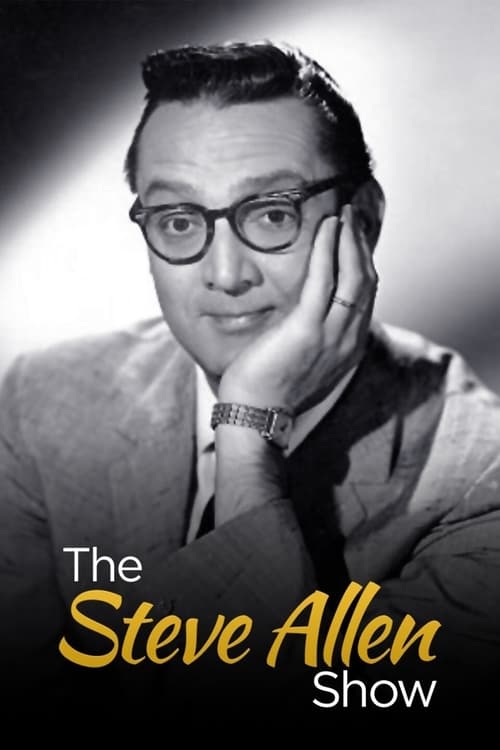
No description available.
The Steve Allen Show
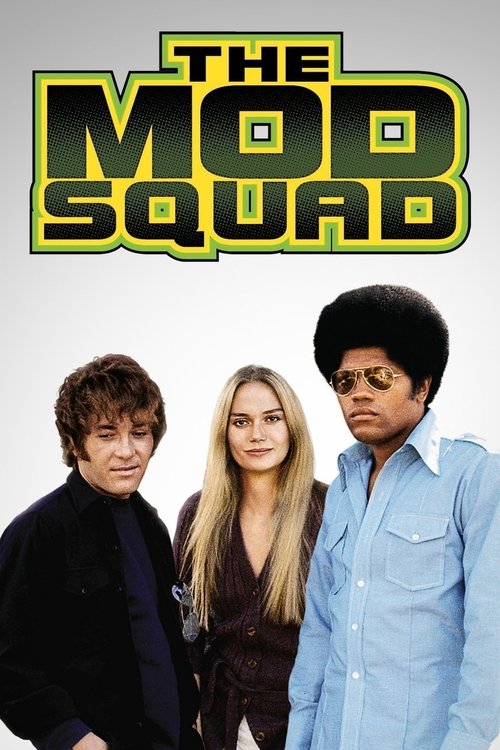
The Mod Squad was the enormously successful groundbreaking "hippie" undercover cop show that ran on ABC from September 24, 1968, until August 23, 1973. It starred Michael Cole as Pete Cochren, Peggy Lipton as Julie Barnes, Clarence Williams III as Linc Hayes, and Tige Andrews as Captain Adam Greer. The executive producers of the series were Aaron Spelling and Danny Thomas. The iconic counter-culture police series earned six Emmy nominations, four Golden Globe nominations plus one win for Peggy Lipton, one Directors Guild of America award, and four Logies. In 1997 the episode "Mother of Sorrow" was ranked #95 on TV Guide's 100 Greatest Episodes of All Time.
The Mod Squad
Kraft Music Hall is an umbrella title for several television series aired by NBC in the United States from the 1950s to the 1970s in the musical variety genre, sponsored by Kraft Foods, the producers of a well-known line of cheeses and related dairy products. Their commercials were usually announced by "The Voice of Kraft", Ed Herlihy.
Kraft Music Hall
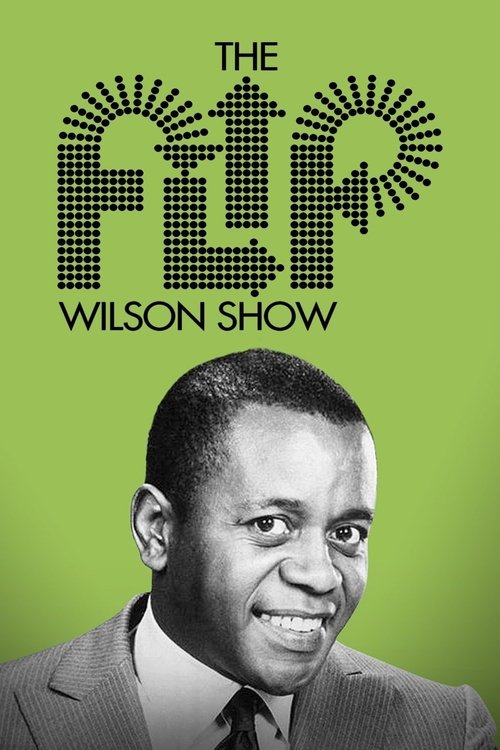
The Flip Wilson Show is an hour long variety show that aired in the U.S. on NBC from September 17, 1970 to June 27, 1974. The show starred American comedian Flip Wilson; the program was one of the first American television programs starring a black person in the title role to become highly successful with a white audience. Specifically, it was the first successful network variety series starring an African American. During its first two seasons, its Nielsen ratings made it the nation's second most watched show. The show consisted of many skits over an hour. It also broke new ground in American television by using a 'Theatre-in-the-Round' stage format, with the audience seated on all sides of a circular performance area. Wilson was most famous for creating the role of Geraldine Jones, a sassy, modern woman who had a boyfriend named Killer. Flip also created the role of Reverend Leroy, who was the minister of the Church of What's Happening Now!. New parishioners were wary of coming to the church as it was hinted that Reverend Leroy was a con artist. Wilson popularized such catchphrases as "What you see is what you get", and "The devil made me do it!".
The Flip Wilson Show
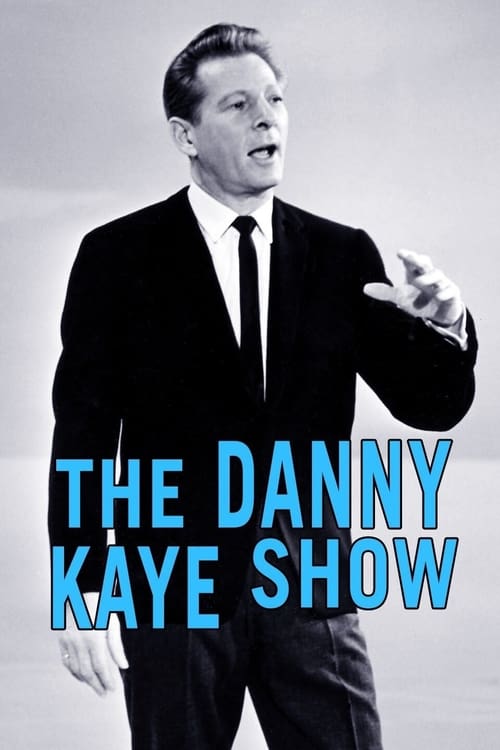
The Danny Kaye Show is an American variety show hosted by Danny Kaye that aired on CBS from 1963 to 1967 on Wednesday nights. Directed by Robert Scheerer, the show premiered in black-and-white, but later switched to color broadcasts. At the time, Kaye was at the height of his popularity, having starred in a string of successful films in the 1940s and '50's, made successful personal appearances at such venues as the London Palladium, and appeared many times on television. His most recent films had been considered disappointing, but the television specials he starred in were triumphant, leading to this series. Prior to his television and film career, Kaye had made a name for himself with his own radio show, and numerous other guest appearances on other shows.
The Danny Kaye Show
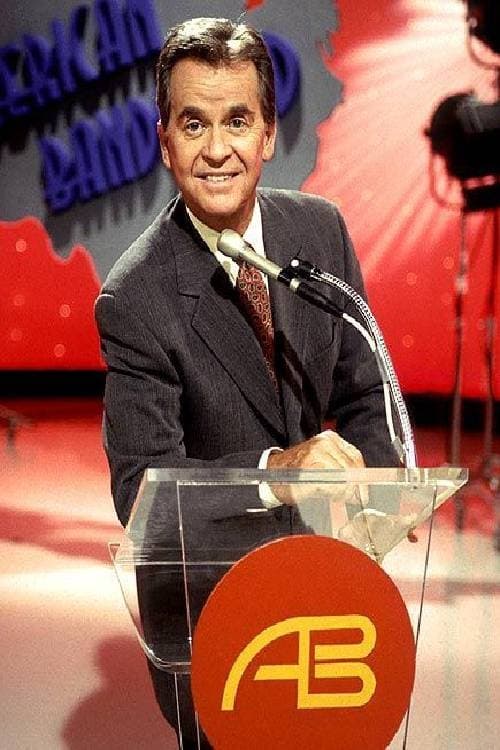
American Bandstand was an American music-performance show that aired in various versions from 1952 to 1989 and was hosted from 1956 until its final season by Dick Clark, who also served as producer. The show featured teenagers dancing to Top 40 music introduced by Clark; at least one popular musical act—over the decades, running the gamut from Jerry Lee Lewis to Run DMC—would usually appear in person to lip-sync one of their latest singles. Freddy "Boom Boom" Cannon holds the record for most appearances at 110. The show's popularity helped Dick Clark become an American media mogul and inspired similar long-running music programs, such as Soul Train and Top of the Pops. Clark eventually assumed ownership of the program through his Dick Clark Productions company.